Deploying advanced, climate-hardy power electronics engineered to meet dynamic grid dynamics and local environments across Rajasthan, Tamil Nadu, Gujarat, and other high-irradiance zones.
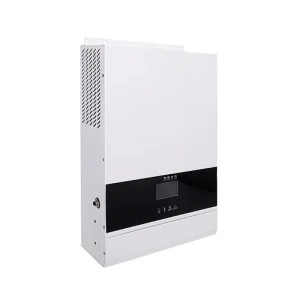
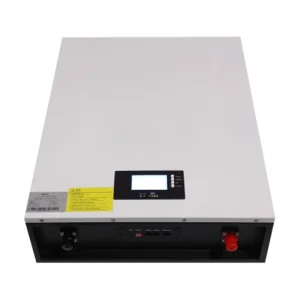
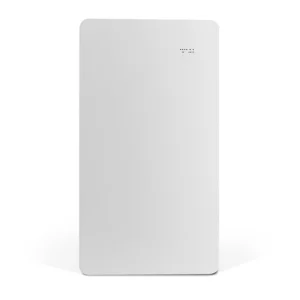
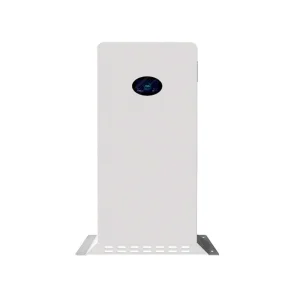
India stands at the absolute vanguard of the global green energy transition. Driven by the ambitious national target of achieving 500 GW of non-fossil fuel energy capacity by 2030, including 280 GW of solar power, the demand for highly efficient, grid-compliant, and thermally robust solar inverters has escalated exponentially. The Indian market presents a highly demanding environment for solar inverters, characterized by high ambient working temperatures (often exceeding 45°C to 50°C in key development regions like Rajasthan, Gujarat, and Madhya Pradesh), fluctuating grid conditions, and high-humidity coastal zones.
Consequently, tier-1 EPC (Engineering, Procurement, and Construction) companies and global developers are actively vetting solar inverter manufacturers and factories in India to build localized supply chains. This localized sourcing strategy is driven not only by logistical advantages but also by local policy architectures, such as the Approved List of Models and Manufacturers (ALMM) and the Production Linked Incentive (PLI) scheme. These mandates aim to foster domestic manufacturing capabilities, demanding that global technology partners offer highly integrated local support and product adaptation.
ELEMRO Energy, as a premier global systems integrator and manufacturer, matches this demand by bridging top-tier power electronics engineering with specialized local compliance. The dynamic interplay between Indian solar factories and high-technology development centers overseas allows the deployment of state-of-the-art string and central inverters tailored specifically for the Indian sub-continent's grid dynamics and regulatory structures.
Established in 2019, headquartered in Xiamen, China, ELEMRO Energy has specialized in advanced new energy storage systems and electrical product solutions. Unifying R&D, production, and global sales, ELEMRO is a recognized market leader with products successfully deployed to more than 250 customers across Europe, Southeast Asia, Africa, the Middle East, and the Americas. Reflecting rapid global expansion, ELEMRO's annual turnover is expected to exceed 50 million USD, providing an exceptionally solid foundation for cross-border engineering support and scaled manufacturing partnerships.
For Indian solar system developers, utility-scale players, and distributed C&I solar project managers, ELEMRO delivers premium-tier solar inverter technology combined with specialized lithium-ion energy storage integration. This offers a robust answer to the intermittency issues commonly experienced by Indian distribution grids (DISCOMs).
Partner With Us
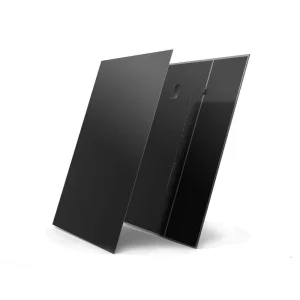
High-transmittance, tempered photovoltaic glass engineered for structural integrity and high light absorption in utility arrays.
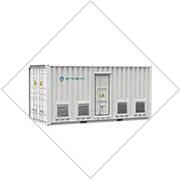
MW-level utility battery systems designed to coordinate with smart central inverters for smooth peak shaving and grid regulation.

Integrated BIPV mounting and distribution infrastructure engineered to support decentralized solar deployments.
When global procurement departments choose solar inverter partners in India, they utilize strict parameters to secure system reliability and maximize the Return on Investment (ROI). The harsh Indian environment demands more than standard specifications. The following criteria are vital to preventing premature hardware degradation and ensuring long-term yield optimization:
| Inverter Parameter | Utility-Scale Standards (Central) | Commercial & Industrial (String) | Residential Micro-Grid Adaptability | |
|---|---|---|---|---|
| Peak Efficiency | > 99.0% | > 98.6% | > 97.8% | |
| Cooling Architecture | Intelligent liquid-cooling / Smart forced-air | Smart redundant fan arrays | Natural convection / Solid heatsink | Natural convection |
| MPPT Trackers | 1 to 2 channels | Up to 12 channels | 2 to 4 channels | |
| Regulatory Standards | CEA Grid Standards, IEC 62109, IEC 61727 | IEC 62109, EN 50549, BIS IS 16221 | BIS, CE, VDE 0126 |
A main challenge for solar infrastructure in India is grid volatility. Because of rapid solar expansion, solar plants frequently experience grid-curtailment requests from State Load Despatch Centres (SLDCs) during peak production hours. In response, modern solar inverter design is rapidly evolving from pure grid-tied systems to hybrid, battery-ready architectures. Integrating high-performance Lithium Iron Phosphate (LiFePO4) storage with smart solar inverters represents the next step for industrial growth.
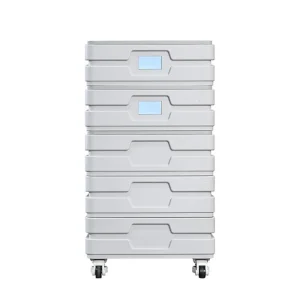
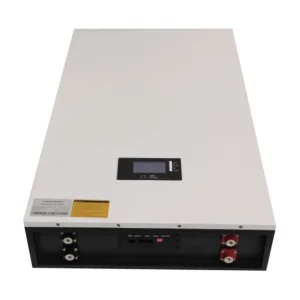
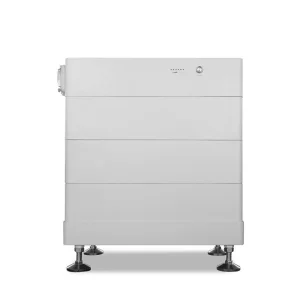
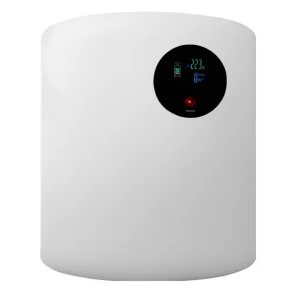
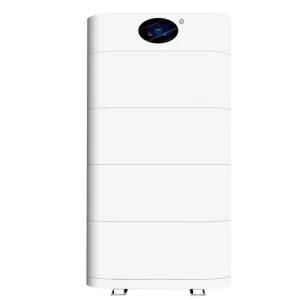
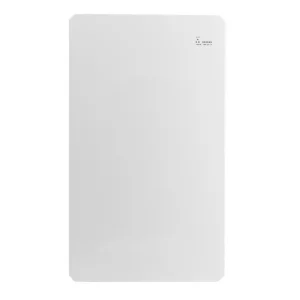
ELEMRO's robust line of high-voltage and wall-mounted energy storage systems works in tandem with local inverter installations to offer stable, non-fluctuating energy output. These systems act as a buffer, storing surplus energy during peak solar noon and releasing it when the grid demands it most or during grid outages. This strategy ensures the leveling of output voltage, shields sensitive electrical equipment from voltage surges, and delivers stable power to C&I facilities in regions like Maharashtra, Tamil Nadu, and Karnataka.
The global technological roadmap for solar inverters is defined by high-frequency power switching and advanced predictive control. Modern factories are moving away from traditional Silicon (Si) IGBTs to embrace Silicon Carbide (SiC) and Gallium Nitride (GaN) metal-oxide-semiconductor field-effect transistors. SiC technology enables faster switching frequencies, reducing the physical size of inductors and capacitors while lowering switching losses by up to 50%. This shift allows inverter manufacturers to build lighter, more compact, and highly efficient units suitable for high-density deployments.
In addition to material improvements, digital design plays a key role. AI-driven MPPT (Maximum Power Point Tracking) algorithms optimize energy capture under partial shading conditions caused by dust or duststorms, which are common across Central India. Furthermore, IoT-enabled edge computing embedded within inverters enables predictive maintenance. By analyzing internal thermal profiles and capacitor degradation rates, these systems warn operations teams before an actual component failure occurs, reducing operations and maintenance (O&M) costs.
Explore our comprehensive array of Tier-1 compatible solar components, advanced thin-film modules, and high-voltage energy storage systems designed for demanding industrial operations in the Indian subcontinent.


To operate legally within the Indian electrical market, solar inverters must comply with strict safety and reliability regulations set by government bodies. The Bureau of Indian Standards (BIS) administers mandatory registration under the Compulsory Registration Scheme (CRS). All solar inverters imported to or manufactured in India must conform to IS 16221 (Part 1 and 2) for safety and IS 16169 for islanding prevention requirements.
Additionally, modern factories are built to conform to the Approved List of Models and Manufacturers (ALMM), which serves as a major standard for any developer seeking government subsidies or participating in public tenders. Partnering with a manufacturer like ELEMRO Energy ensures that all international manufacturing standards (IEC 62109, IEC 61727, IEC 62116) are aligned with the local BIS registration framework. This compliance guarantees hassle-free grid integration, smooth system approvals from state electrical inspectors, and eligibility for net metering schemes.
ELEMRO remains committed to spreading technical knowledge and providing the market with information updates. Read below for key articles authored by our engineering teams regarding the integration of home energy storage, solar modules, and lithium battery designs.
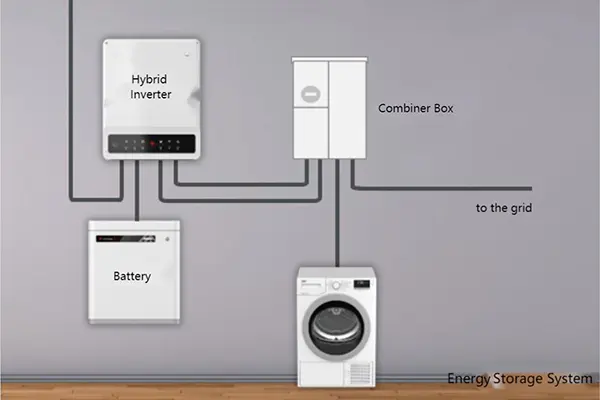
Understanding topology selection, system safety parameters, and conversion efficiency optimization for residential solar setups.
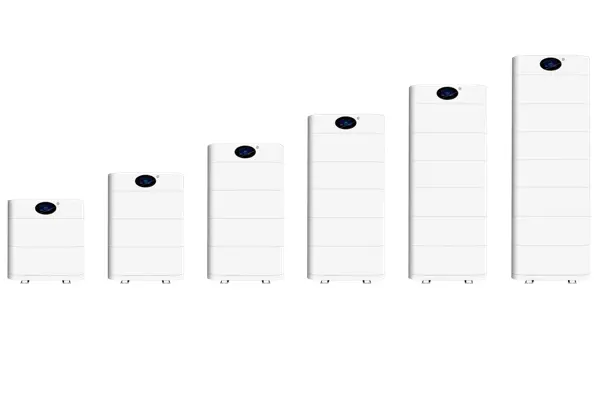
An objective comparison of LFP, NMC, and LTO chemistries under heavy thermal cycles and high-charge/discharge requirements.
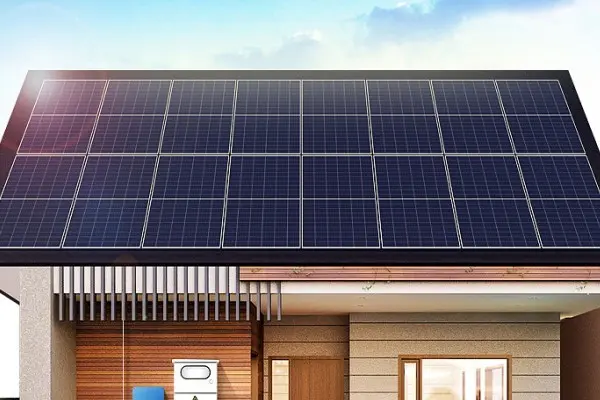
Analyzing deployment strategies, load profile configurations, and financial modeling for decentralized industrial storage systems.
Showcasing ELEMRO's latest residential hybrid inverter series and stackable battery units at Manila's leading energy expo.
Matching module technology (Mono PERC, TopCon, HJT) with corresponding inverter sizing and MPPT input configurations.

Exploring safety architectures, integrated BMS communications protocols, and cycling life expectancy metrics.
Gain critical insights into standard technical and regulatory query points concerning solar installations and manufacturing practices in India.





 Elemro Energy