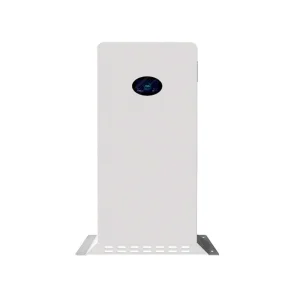
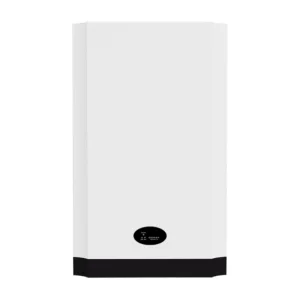
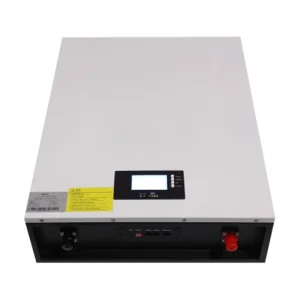
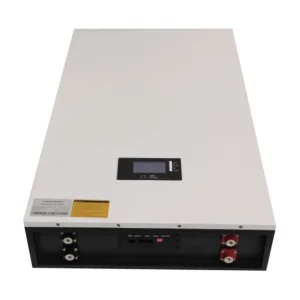
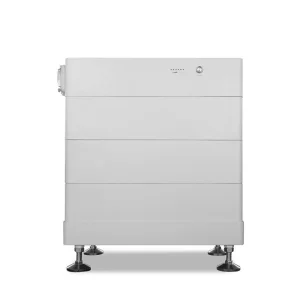
Engineered by ELEMRO Energy — High-Safety, Deep Cycle LiFePO4 Modules with Intelligent Smart-BMS Integrations
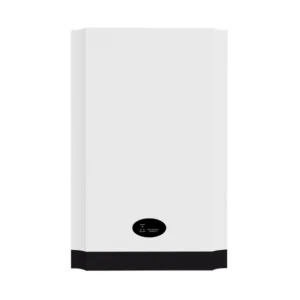
The global transition from fossil-fuel dominance to clean, decentralized power grids has placed the Energy Storage System (ESS) at the absolute center of modern electrical engineering. No longer considered merely secondary backup systems, ESS structures act as the vital stabilizers for volatile renewable energy generation (specifically solar photovoltaics and wind). Both residential networks and industrial operators require robust, highly scalable chemical energy reservoirs that deliver high C-rates, thermal mitigation, structural longevity, and maximum cycle counts.
Selecting a tier-1 ESS battery manufacturer and factory is a high-stakes capital expenditure (CapEx) decision. Modern procurement managers, utility design engineers, and systems integrators must balance cost-per-kWh against technical indicators: cell chemistry stabilization, Battery Management System (BMS) telemetry, thermal runaway prevention thresholds, compliance standards, and upstream supply chain resilience. This whitepaper analyzes these key factors, providing actionable procurement criteria and outlining ELEMRO Energy's manufacturing process.
Information Gain Concept: Unlike traditional energy suppliers focusing solely on simple assembly configurations, modern smart grids require ESS units integrated with active balancing battery control systems, dynamic temperature mitigation, and software-driven grid monitoring. The classic 48V low-voltage platform is steadily shifting toward high-voltage stackable architecture to optimize round-trip efficiency (RTE) and minimize power transformation losses.
China sits at the core of the global lithium battery manufacturing hierarchy. Over 75% of the world's lithium-ion cell manufacturing capacity is centralized in China, supported by mature supply chains for essential raw materials—including refined lithium carbonate, synthetic graphite anodes, nickel/manganese precursors, and high-quality lithium iron phosphate (LiFePO4/LFP) cathode formulations.
Sourcing your energy storage systems directly from an advanced Chinese ESS manufacturer like ELEMRO Energy offers major structural advantages:
The chemical makeup of energy storage batteries has evolved past the volatile cobalt-based structures (NMC/NCA) that were prone to thermal runaway under high heat or physical stress. Lithium Iron Phosphate (LiFePO4 / LFP) has become the preferred chemistry for stationary energy storage systems worldwide. LFP cells offer a high thermal runaway threshold (up to 270°C), zero toxic heavy metal emissions, and a long lifecycle (often exceeding 6,000 charge/discharge cycles at 80% Depth of Discharge).
Historically, residential off-grid and hybrid setups relied on low-voltage (LV) 48V (nominal 51.2V) batteries connected in parallel. While safe and simple, LV systems face challenges when scaling up. Since power is the product of voltage and current (P = V × I), high power outputs at 48V require high currents. This demands thick copper wiring, increases heat dissipation losses, and lowers round-trip conversion efficiency.
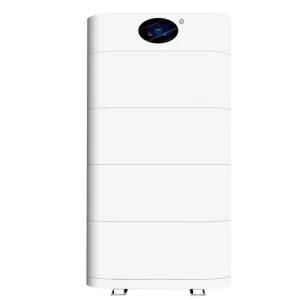
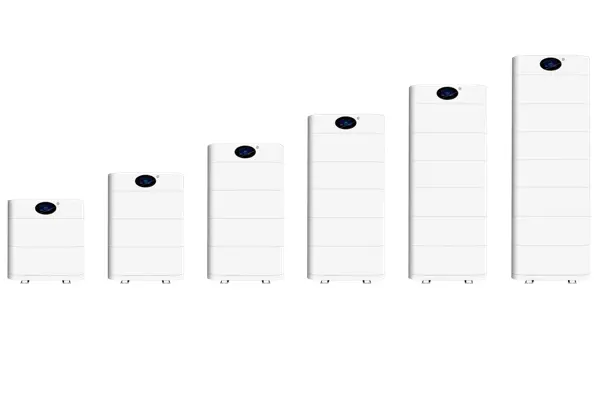
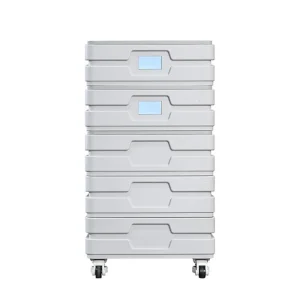
To address this, modern systems are moving toward High-Voltage (HV) Stackable ESS designs. By connecting battery modules in series, voltage levels can be scaled from 150V to over 600V DC. This yields significant advantages:
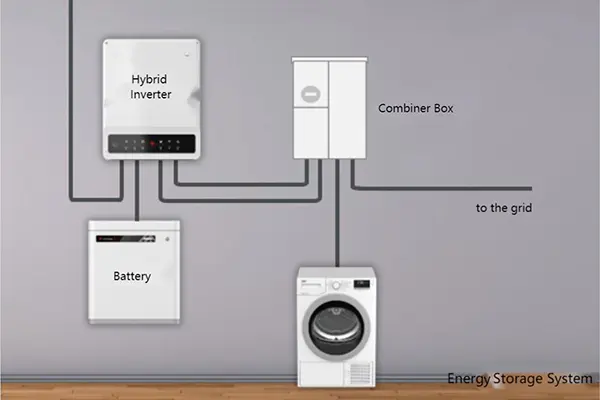
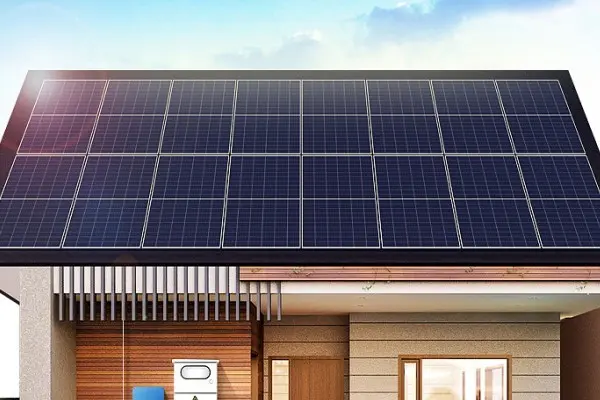
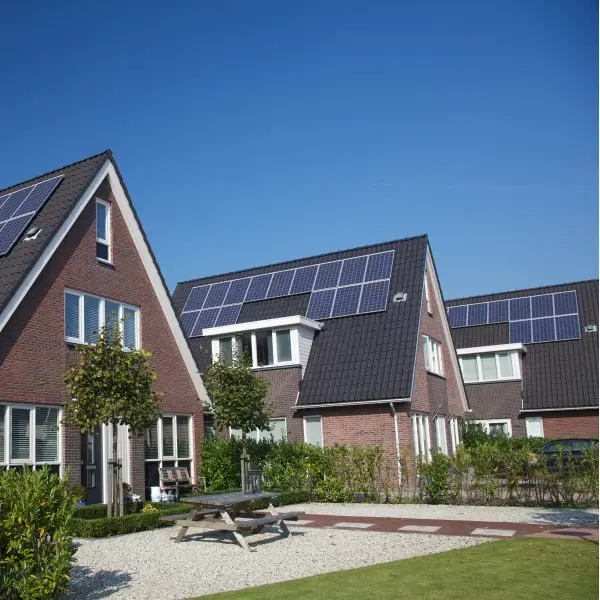
For commercial real estate, utility grids, and industrial manufacturing sites, battery storage is part of a larger, integrated energy system. Truly efficient setups combine clean power generation, architectural integration, and energy storage:
Modern buildings are evolving from power consumers into power producers. Cadmium Telluride (CdTe) Thin Film Solar Glass can be integrated directly into building facades, windows, and canopies. Unlike traditional silicon-based solar panels, CdTe thin-film cells perform exceptionally well in low-light, shaded, and high-temperature environments. Pairing CdTe BIPV facades with onsite ESS batteries captures and stores solar energy directly from the building envelope, reducing peak grid demand.
Commercial properties are increasingly turning to solar carports to generate local energy. By combining carport structures, high-voltage battery storage, and EV charging stations, parking areas become local energy hubs. The ESS buffers energy during periods of low usage and discharges it during peak EV charging times, protecting the local grid from sudden demand spikes.
Market Leader in R&D, Automated Production, and Global Sales of Advanced Energy Solutions
Established in 2019 and headquartered in Xiamen, China, ELEMRO Energy specializes in energy storage systems and electrical solutions. As an integrated player covering R&D, manufacturing, and distribution, we supply B2B buyers across Europe, Southeast Asia, Africa, the Middle East, and the Americas.
Thanks to a reliable supply chain and automated production, our global sales have grown rapidly year over year, with annual turnover exceeding 50 million USD. We work closely with developers and distributors to build sustainable power networks worldwide.


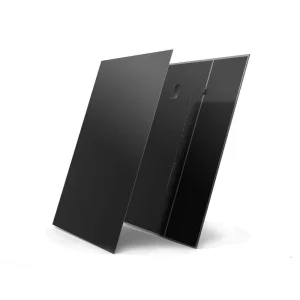
High-transparency photovoltaic building materials for BIPV configurations, providing clean solar collection via windows and facades.
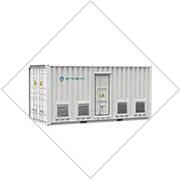
Megawatt-scale custom containerized battery packs with integrated liquid cooling, fire suppression systems, and centralized BMS.
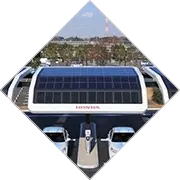
Integrated commercial solar structures featuring built-in high-voltage storage banks for green vehicle charging.
Explore our main product lines, from high-capacity residential backups to thin-film BIPV technologies.
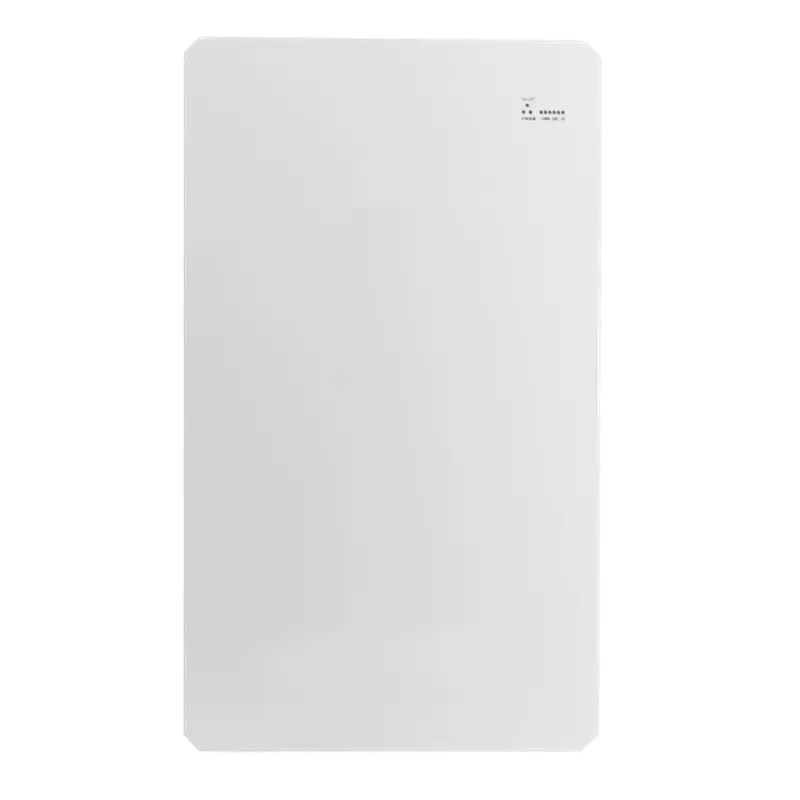
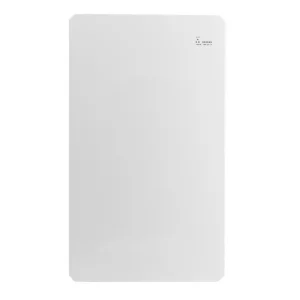
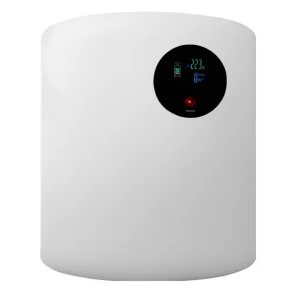
Compact wall-mounted profiles featuring advanced lithium iron phosphate cells with long cycle life.
Explore Design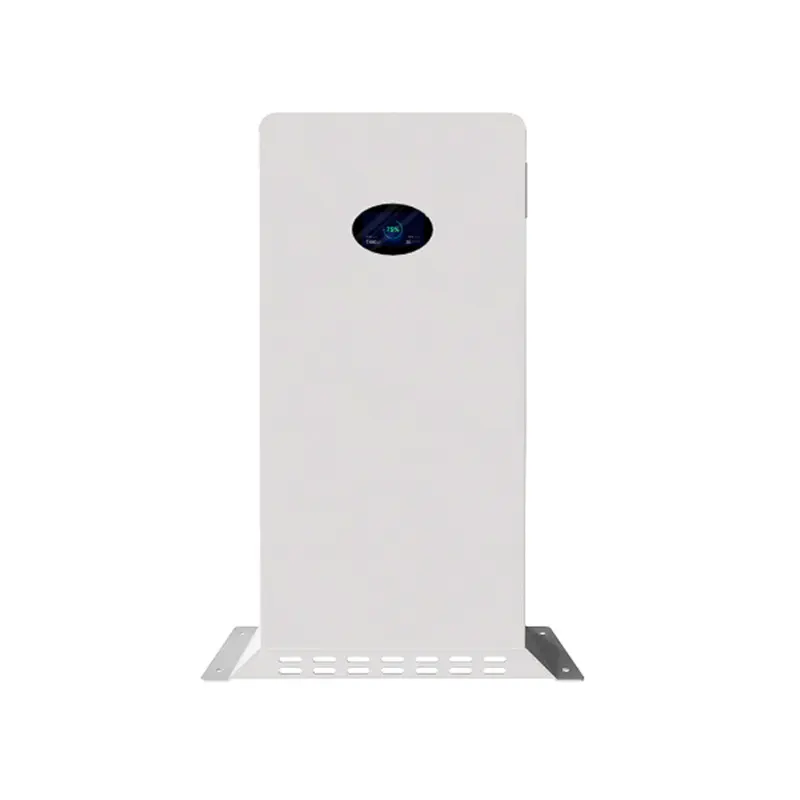
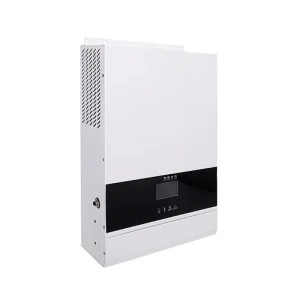
Premium energy storage module optimized for seamless integration with off-grid inverters.
Explore Design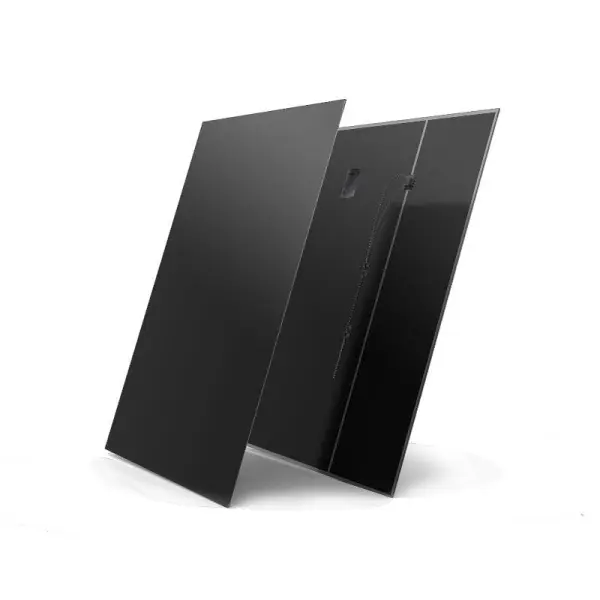
High-efficiency thin-film solar glass designed for integration into building structures.
Explore Design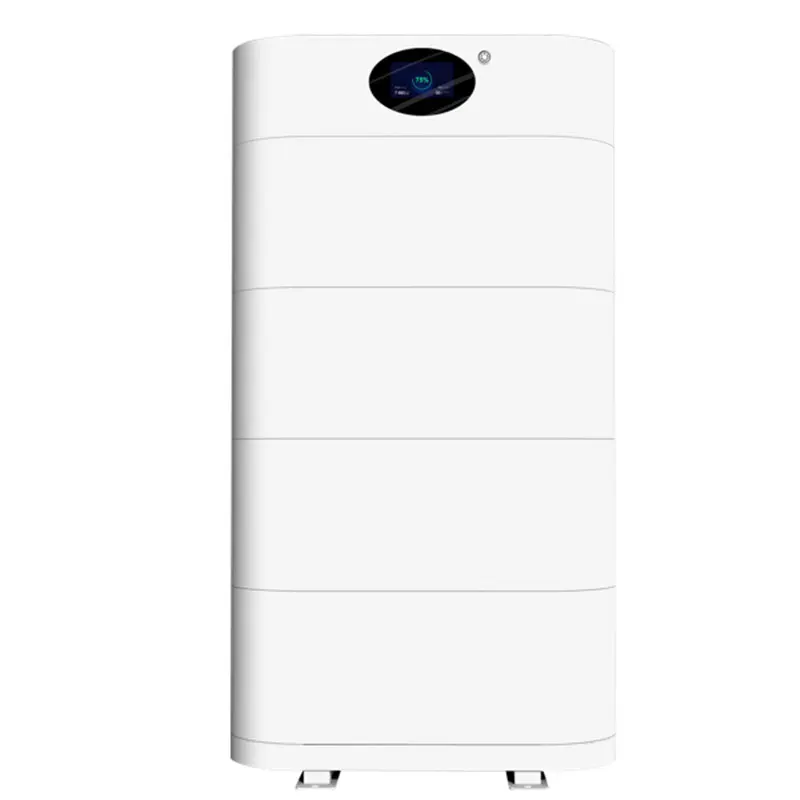
A stackable high-voltage battery system designed to minimize energy loss in commercial microgrids.
Explore Design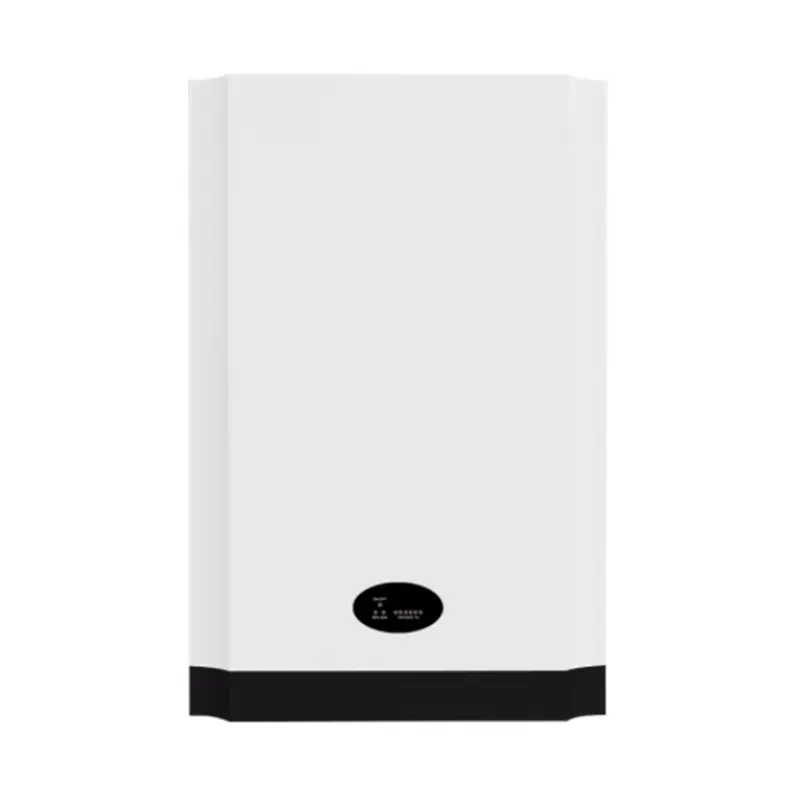
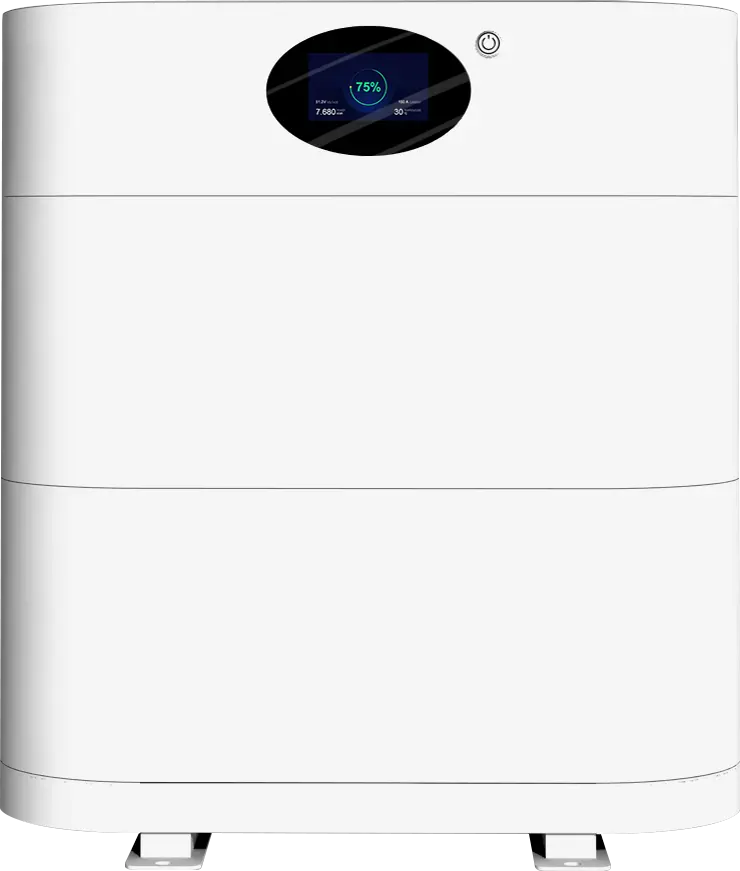
Reliable home energy storage solution providing long cycle life and smart monitoring.
Explore Design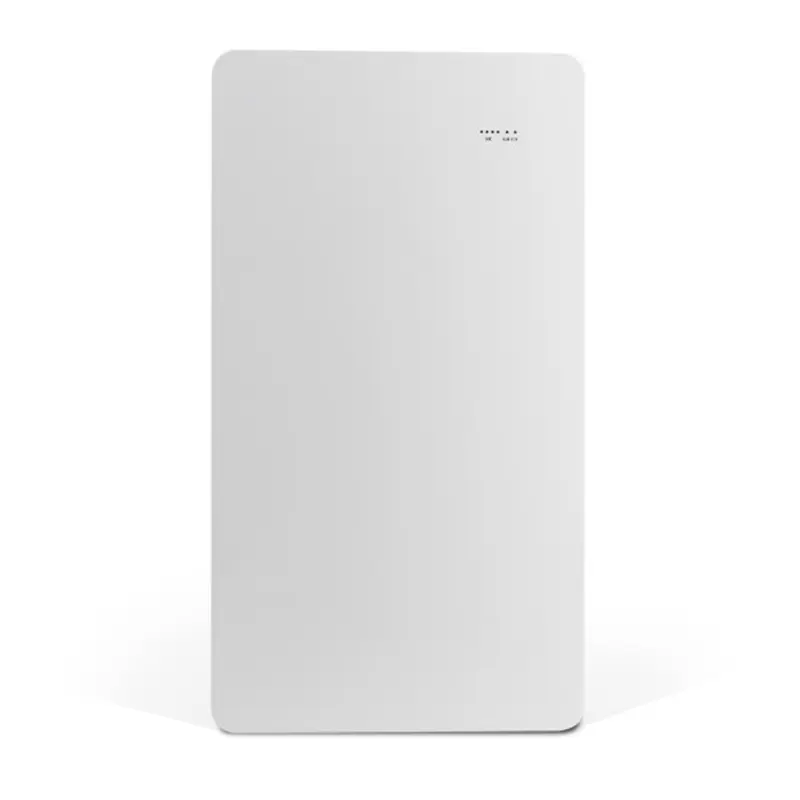
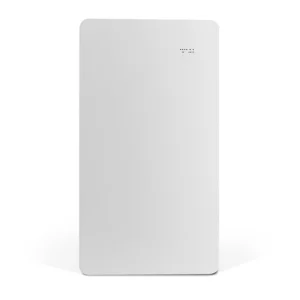
High-capacity backup power module designed for residential off-grid systems.
Explore DesignB2B buyers, EPC contractors, and distributors must evaluate battery options using key specifications to ensure reliability:
As an experienced exporter, ELEMRO Energy provides regulatory documentation, import support, and testing protocols. Products are shipped under strict UN38.3 transport safety regulations, ensuring they arrive safely and remain stable during transit.
Analysis, updates, and articles on energy storage technology from our engineering team
Insights on choosing, configuring, and importing battery energy storage systems




Explore all available ELEMRO and high-voltage energy storage products
 Elemro Energy