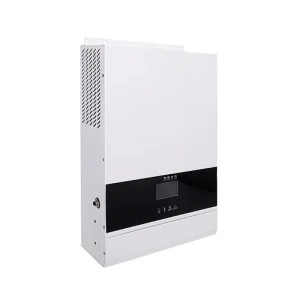
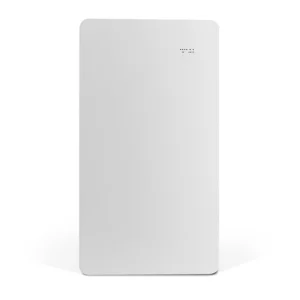
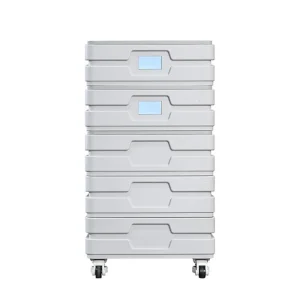
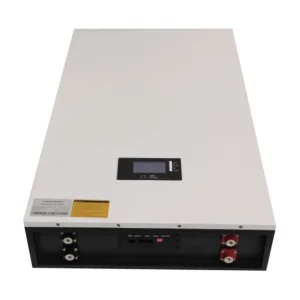
Select tier-1 components certified for ISO-NE local compliance, heavy thermal management, and robust peak-shaving execution.
The city of Boston is executing one of the most aggressive climate action plans in the United States, targeting absolute net-zero carbon emissions by 2050. Anchored by the Building Energy Reduction and Disclosure Ordinance (BERDO 2.0), large buildings and commercial assets are facing tight, mandatory emissions limits. Translating this local policy landscape into reality relies heavily on solar photovoltaic (PV) generation coupled with robust Battery Energy Storage Systems (BESS). The core interface of this energy transition is the solar inverter.
For procurement directors, commercial microgrid engineers, and utility partners throughout New England, sourcing high-efficiency, reliable, and compliant smart-grid inverters is a critical component of risk mitigation. The local grid operator (ISO New England) requires compliance with stringent regulatory frameworks, meaning only high-tier manufacturing partnerships can deliver the customized, dynamic hardware required to withstand Boston's harsh maritime climate while maximizing return on investment.
Boston's energy networks are governed by Eversource and National Grid, both adhering to the operational principles set by the regional transmission organization, ISO New England. Establishing solar interconnectivity demands strict compliance with standard electrical codes and solar inverter specific functions:
Global procurement teams must balance initial capital expenditure (CAPEX) with long-term operating expenses (OPEX). Tier-1 bankability represents the baseline requirement for utility-scale developers. A well-designed procurement strategy focuses on three core metrics:
China's industrial modernizations have redefined the manufacturing landscape for solar inverters and energy storage technologies. By integrating robotics, Internet of Things (IoT) sensors, and real-time Quality Management Systems (QMS), manufacturing lines deliver reliable performance while minimizing defects.
At the center of this transformation is the integration of power electronics assembly and quality control. Chinese manufacturing centers leverage direct component tracing, automated optical inspection (AOI), and full-load burn-in testing to guarantee field reliability. This structured approach ensures compliance with UL, CE, and IEC standards, providing Boston utility companies and enterprise buyers with reliable components ready for integration.
Choosing the correct inverter architecture depends on the specific site parameters and grid requirements of the Greater Boston project:
| Metric | String Inverter | Central Inverter | Hybrid Inverter |
|---|---|---|---|
| Ideal Application | Commercial Roofs & Parking Lots | Ground-Mount Utility Plants | Commercial & Industrial BESS Integration |
| Efficiency (Max) | 98.6% | 99.0% | 98.2% (Round-Trip) |
| Flexibility | High (Multi-MPPT) | Low (Single Input Block) | High (Bi-directional storage interface) |
| Maintenance | Modular Unit Replacement | Requires Specialized Field Technicians | Modular Battery & Inverter Management |
We provide cleaner energy for a greener world through versatile technologies.

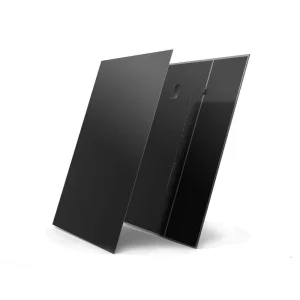
Integrated building photovoltaic (BIPV) window solutions designed for historic Boston facades and urban skyscrapers to maximize clean generation surface area.
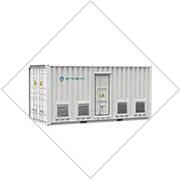
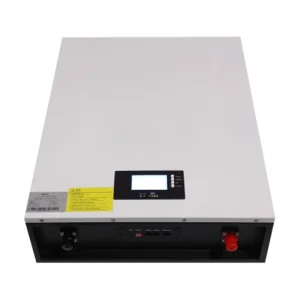
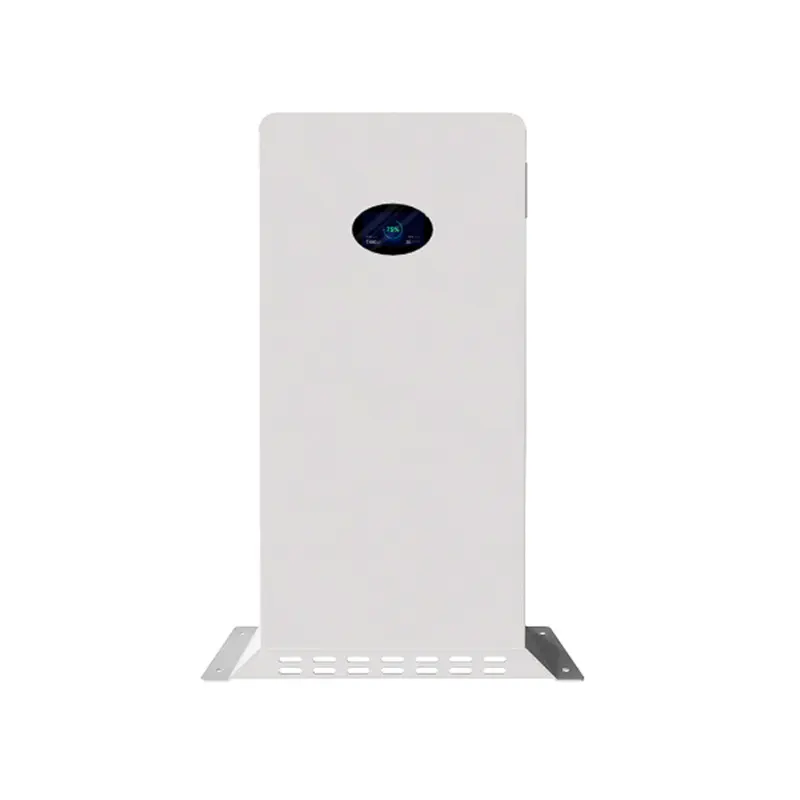
Pre-configured, robust outdoor battery and inverter containment systems engineered to handle harsh winter climates and marine environment corrosion.
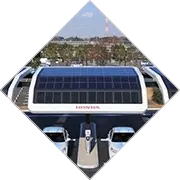
Modular racking structures optimized for suburban Boston corporate parks, combining shade, snow deflection, and EV charging station connections.
Established in 2019, and headquartered in Xiamen, China, Elemro Energy specializes in advanced energy storage and electrical product solutions. Combining R&D, production, and distribution, our products are deployed across more than 250 customers in Europe, Southeast Asia, Africa, the Middle East, and the Americas. Since our establishment, ELEMRO’s revenue has grown rapidly, with annual turnover exceeding 50 million USD in 2023. Our commitment is to provide Boston and North American partners with high-efficiency energy hardware backed by rigorous compliance certifications.
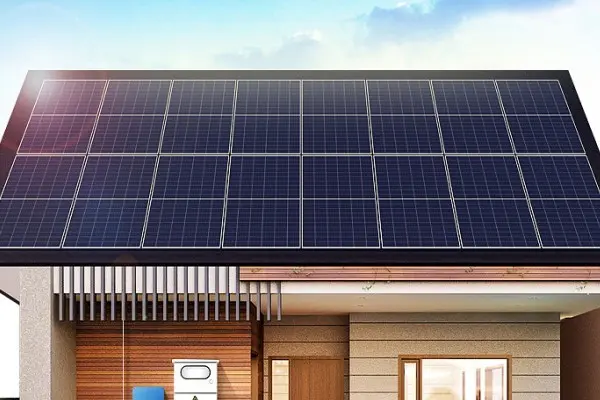
Boston's historic neighborhoods present distinct architectural and structural challenges for solar deployment. Standard solar installations can face planning restrictions due to visual aesthetics. By deploying thin-film Cadmium Telluride (CdTe) solar glass on facades and non-visible roof profiles, projects can generate clean energy while preserving historic properties. High-frequency inverters operate quietly, allowing them to be installed in tight historic basements where noise control is critical.
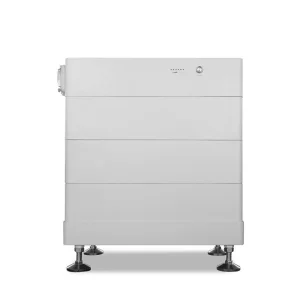
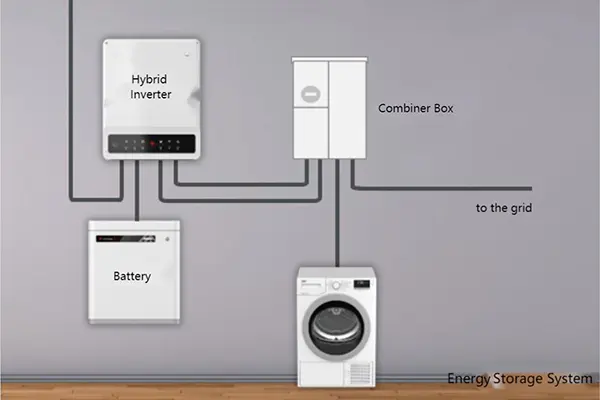
The academic institutions of the Greater Boston Area (including Harvard, MIT, and Boston University) operate advanced campus microgrids designed to maintain power during winter blizzards. These networks require dual-mode hybrid storage inverters that can quickly disconnect from the primary grid during failures and run in islanded mode. By combining high-voltage stackable battery systems with hybrid inverters, campuses can stabilize their local distribution loops.
Warehouses along Boston Harbor and the Chelsea Creek waterfront face elevated levels of salt mist corrosion. Standard electrical cabinets can degrade quickly under these conditions. Our custom solutions feature C5-anti-corrosion protection and NEMA 4X/IP66 enclosure ratings. Active internal humidity control protects sensitive gate driver circuits, reducing component wear and ensuring a 25-year system lifespan.
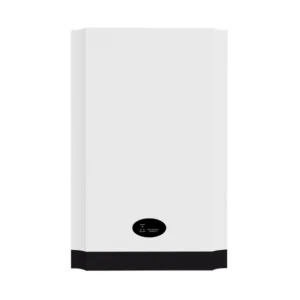
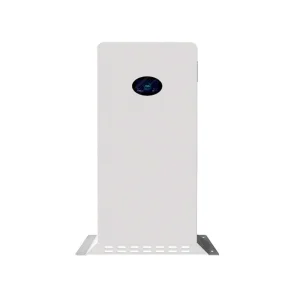
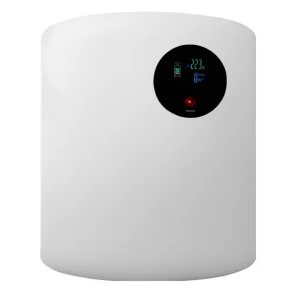
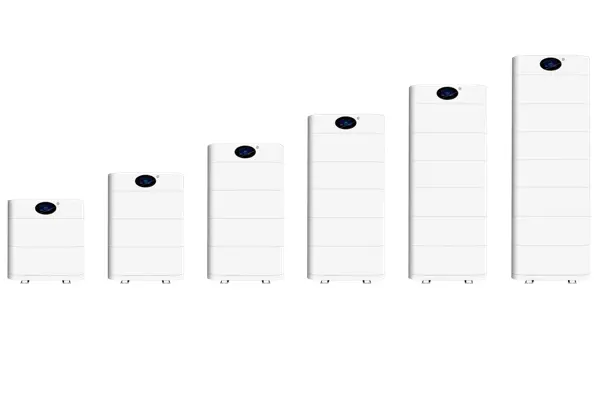
Select from our full line of LiFePo4 home batteries, high-voltage stacked systems, and BIPV components designed for northern climates.
Essential information for engineering, purchasing, and regulatory compliance teams.
Our inverters and energy storage devices are designed to meet the technical parameters defined by the SMART (Solar Massachusetts Renewable Target) initiative. These include strict dynamic bi-directional power control capabilities, power flow telemetry, and compliance with the state's smart-inverter dispatch guidelines.
For outdoor installations, we recommend our specialized energy storage containers, which feature integrated heating, ventilation, and air conditioning (HVAC) systems. This thermal management ensures the internal LiFePO4 chemistry remains within the recommended operating temperature range even during extreme sub-zero weather.
Yes, all our utility-tied hybrid inverters and storage systems undergo certification by accredited test labs (such as TÜV, Intertek, or UL) to verify compliance with UL 1741 SB and IEEE 1547. Certified test reports are available upon request during the design review phase.
Standard engineering lead times range from 6 to 10 weeks, depending on customization options such as communication interfaces, custom enclosure colors, or specific rapid shutdown system integrations. Please contact our sales team to discuss project-specific schedules.
Read the latest technical analysis and company updates from ELEMRO Energy.





For inquiries about our products, certification files, or pricing lists, get in touch with our engineering support division. We will respond within 24 hours.
 Elemro Energy