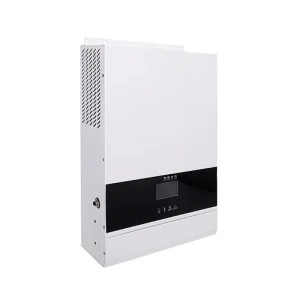
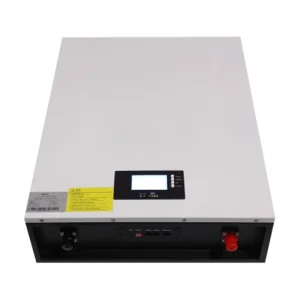
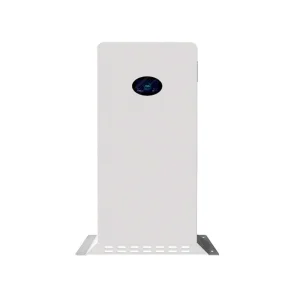
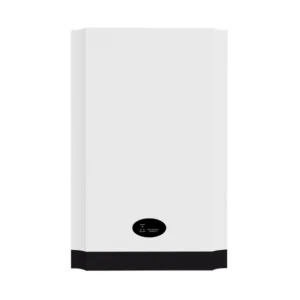
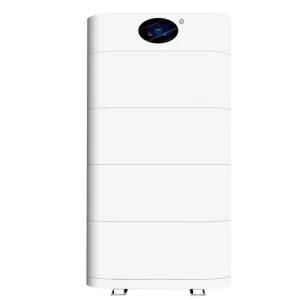
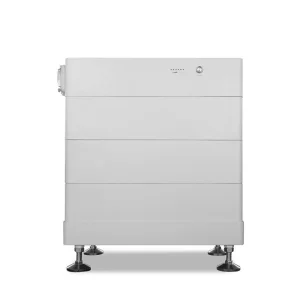
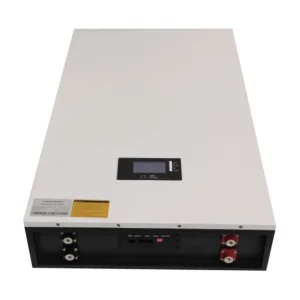
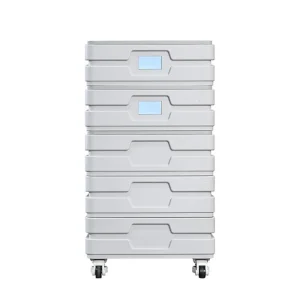
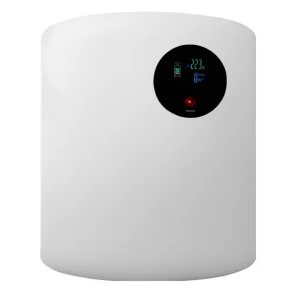
Solar Inverter Factory & Products serving Ethiopia

Empowering East Africa's C&I Microgrids and Residential Infrastructure with Resilient Hybrid Inverter Systems and High-Voltage Energy Storage Platforms

Whitepaper: Scaling Solar Infrastructure in Ethiopia's Industrial and Commercial Sectors

2,300+
kWh/m² Solar Irradiation
2,400m
Altitude Derating Factor
<20ms
UPS-Grade Grid Switch Time
50M+
Annual Turnover (USD)

1. Current Energy & Industrial Realities in Ethiopia

Ethiopia is in the midst of a massive structural economic transformation. Led by the National Electrification Program (NEP 2.0), the government aims to achieve 100% electrification. While major hydroelectric assets like the Grand Ethiopian Renaissance Dam (GERD) provide central baseload power, localized grid instability, voltage sags, and transmission bottle-necks in key economic corridors (such as Hawassa, Bole Lemi, Adama, and Eastern Industrial Zones) present persistent operational bottlenecks for energy-intensive industries.

For commercial enterprises, textile factories, agricultural processing plants, and telecommunications hubs, a momentary drop in voltage can lead to hours of manufacturing downtime and costly equipment failures. The incorporation of decentralized commercial and industrial (C&I) solar photovoltaic setups coupled with resilient solar inverter systems and energy storage (ESS) has shifted from a sustainability initiative to a core operational necessity.

The Altitude Factor & Thermal Management

Ethiopian deployment environments present a unique geographical challenge. Addis Ababa and its surrounding economic zones sit at an elevation exceeding 2,400 meters. The thin air at high altitudes reduces heat dissipation efficiency. Standard global inverters suffer from early thermal derating under these conditions. ELEMRO's inverters are engineered with oversized heatsinks and smart, high-pressure fan cooling systems to ensure steady performance without capacity losses up to 3,000 meters above sea level.

2. Technology Shift: Why High-Voltage Hybrid Inverters Rule the Market

Traditional solar structures in East Africa relied on simple off-grid setups or basic grid-tie systems. However, modern commercial demands require smart integration of three distinct power sources: the utility grid, battery storage, and solar PV. This requires high-voltage hybrid inverters capable of dynamic energy routing, zero-export limitation, and millisecond-level UPS functionality.

  • Dynamic Grid Interaction: The ability to export excess energy during grid parity phases while retaining isolated generation capacity during outages.
  • Optimized MPPT Ranges: Large commercial installations face variable cloud cover in regions like the Ethiopian Highlands. Advanced dual and quad MPPT tracking algorithms ensure peak energy yield even under rapid irradiance fluctuations.
  • High-Voltage Battery Coupling: Lowering cable resistance losses and streamlining converter efficiency by pairing solar inputs directly with high-voltage (HV) stacked battery arrays rather than low-voltage options.

Macro-Level Renewable System Solutions

Integrating innovative solar products to construct resilient clean-energy ecosystems across East Africa.

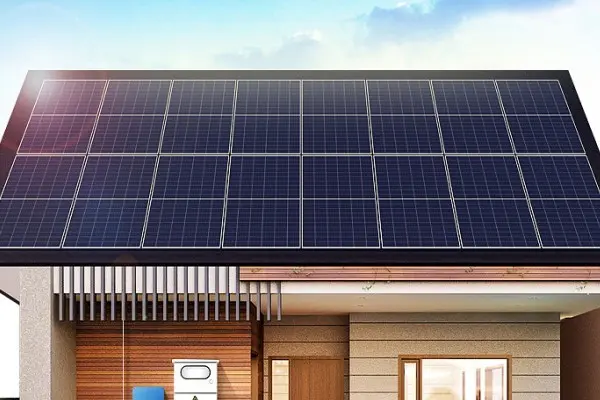
BIPV Solar Glass Building Systems

Solar Glass Infrastructure

Utilizing high-strength CdTe building-integrated photovoltaics (BIPV) to transform vertical facades and commercial roofs into active generation assets.
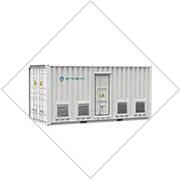
Industrial Scale Energy Storage Container

Energy Storage Containers

Megawatt-scale containerized battery systems featuring liquid-cooling modules and automatic fire suppression, tailored for agricultural microgrids.
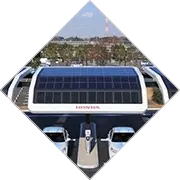
Car Port Solar Power Infrastructure

Car Port Solar Power

Robust steel-structured parking canopies integrated with high-efficiency PV arrays, turning open spaces into dedicated power generation zones.

Need custom PV and Battery storage planning for your project?

Get in touch with our commercial engineering team today to receive a complete layout proposal and quotation within 24 hours.

Send Inquiry Now

Specialized Microgrid Expansion Modules

Scalable storage systems designed for off-grid operations and microgrid stability in rural and semi-urban applications.

About ELEMRO Energy

Established in 2019, headquartered in Xiamen, China, Elemro Energy has specialized in new energy storage and electrical product solutions with rich industry experience. As a modern leader in the new energy sector, we unify R&D, advanced manufacturing, and global sales.

Our global supply network serves more than 250 enterprise customers across Europe, Southeast Asia, Africa, the Middle East, and North America. Driven by strict quality control protocols and engineering innovation, our annual turnover reached 50 million USD in 2023. We continuously support municipal and private projects across East Africa, delivering high-efficiency solar inverters and LiFePO4 battery modules optimized for demanding tropical and high-altitude microgrids.

Our Core Quality Standards & Compliance

Every inverter and battery module leaving the ELEMRO factory undergoes a series of rigorous testing phases:

  • Thermal Cycling: Active performance validation inside climate chambers from -20°C to +60°C to simulate desert and high-altitude environments.
  • Grid Simulation Testing: Hardware-in-the-loop (HIL) testing to verify anti-islanding protection and rapid response under major frequency spikes or dropouts.
  • Certification Pathways: Compliance with international and regional frameworks including CE, IEC 62109, IEC 62619, UN38.3, and local utility regulations.

3. Procurement Protocols: Logistics & Financial Infrastructure

Procurement for large projects in Ethiopia requires navigating distinct regulatory and logistical channels. Navigating the customs and import processes requires a clear understanding of regional trade regulations, shipping corridors, and financial instruments:

  • Logistics Pipeline: All equipment is securely packed at our factory in Xiamen, shipped from Xiamen Port to the Port of Djibouti, and routed inland to industrial hubs via the Addis Ababa-Djibouti railway corridor, ensuring secure transit and minimal delays.
  • Tariff Benefits: Photovoltaic components, solar inverters, and battery storage modules qualify for zero-tariff import incentives under Ethiopia's renewable energy growth framework, significantly lowering overall CAPEX.
  • Trade Finance: We support transactions through diverse financial mechanisms, including Letters of Credit (L/C) and regional import authorization structures.

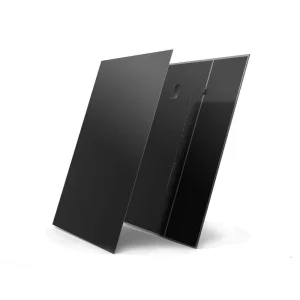
BIPV Applications using CdTe thin-film panels

For modern commercial buildings in Addis Ababa, Elemro CdTe Cadmium Tellurium Thin Film Solar Cells present an ideal alternative to standard crystalline silicon. Their low temperature coefficient ensures high output even during hot afternoon hours. They also perform exceptionally well under diffused light and dust conditions, making them well-suited for high-altitude urban areas.

4. Technology Roadmap: Moving Towards Smart Energy Management

The future of decentralized energy in East Africa lies in intelligent management systems. Simple solar generation is evolving into grid-interactive intelligence. ELEMRO's engineering roadmap focuses on integrating Cloud-Based EMS (Energy Management Systems) with AI-powered forecasting tools. These systems analyze historical weather patterns and local grid patterns to optimize charging cycles, minimizing utility bills and preventing blackouts.

Latest Industry Insights & News

Stay updated with our technical assessments, global exhibition updates, and solar hardware research reviews.
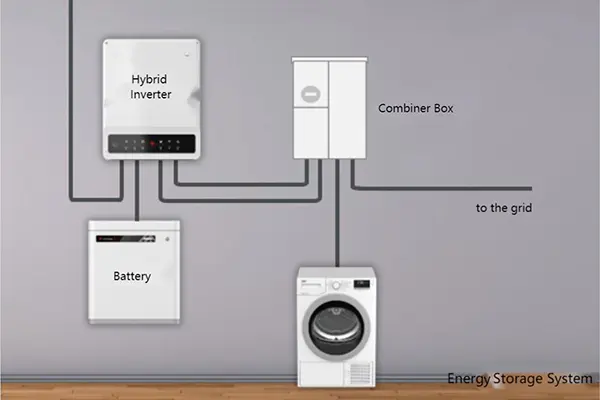
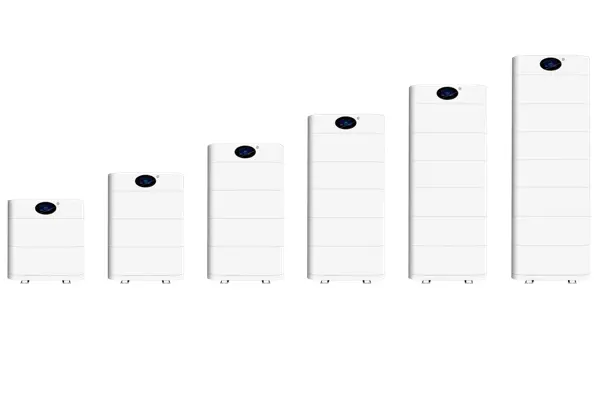
In-depth Interpretation of Home Energy Storage Inverter

In-depth Interpretation of Home Energy Storage Inverter (Part I)

Jul 07, 2023
Advantages and Disadvantages of Lithium batteries

Advantages and Disadvantages of Lithium batteries

Jul 07, 2023
Residential and Commercial Application Scenario

Residential and Commercial Application Scenario of Energy Storage Lithium Ion...

Jul 07, 2023
Invitation to 3E XPO 2023 in Manila, Philippines

Invitation to 3E XPO 2023 in Manila, Philippines

Nov 26, 2023
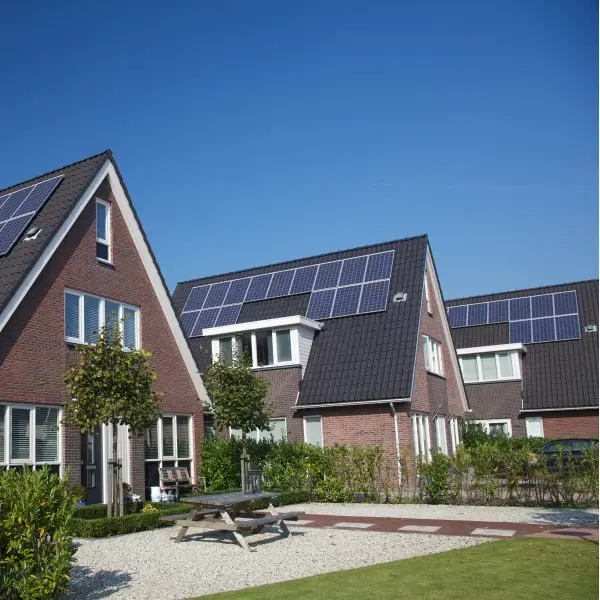
Application Scenario of Photovoltaic Modules

Application Scenario of Photovoltaic Modules

Nov 10, 2023
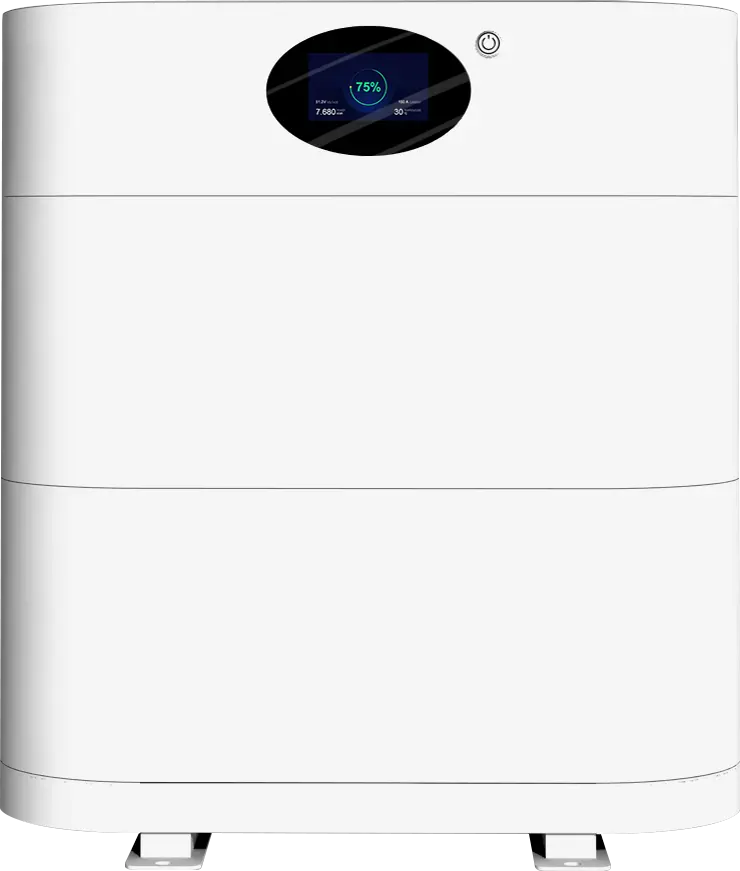
Technical Characteristics of Home Energy Storage Battery

Technical Characteristics of Home Energy Storage Battery

Sep 15, 2023

Expert Q&A: Solar Engineering & Logistics for Ethiopia

Addressing core technical questions from engineering directors and energy developers in East Africa.

Q1: How do ELEMRO hybrid inverters manage the voltage fluctuations typical of the Ethiopian Electric Utility (EEU) grid?
Our hybrid inverters feature wide input voltage ranges (typically 180V to 480V for three-phase commercial units) and sub-20ms grid transition systems. When the voltage drifts outside safety margins, the system decouples within milliseconds to run on battery power, protecting sensitive industrial loads and preventing system downtime.
Q2: What is the recommended battery chemistry for long-term operations in East Africa?
We exclusively utilize Grade-A Lithium Iron Phosphate (LiFePO4) chemistry for our ESS batteries. LiFePO4 provides superior thermal stability, safety, and a cycle life exceeding 6,000 cycles at 80% Depth of Discharge (DoD), outperforming standard cobalt-based alternatives in high ambient temperatures.
Q3: How does the altitude of Addis Ababa (approx. 2400m) affect system component selection?
High altitudes result in lower air density, which reduces convective cooling efficiency and lowers dielectric strength. ELEMRO addresses this by over-specifying internal cooling capacity and selecting high-isolation components, ensuring full power output up to 3000m without the premature thermal derating typical of standard inverters.
Q4: What is the typical lead time and shipping route for cargo destined for Addis Ababa?
Production at our Xiamen factory ranges between 25 to 35 days depending on system capacity. Ocean freight from Xiamen to the Port of Djibouti takes approximately 20 to 25 days. From Djibouti, containerized shipments are routed inland to Addis Ababa or regional industrial parks via the railway corridor, typically taking 3 to 7 days for customs clearance and transport.
Partner Brand logo
Partner Brand logo
Partner Brand logo
Partner Brand logo
Partner Brand logo
Partner Brand logo
Partner Brand logo
Partner Brand logo