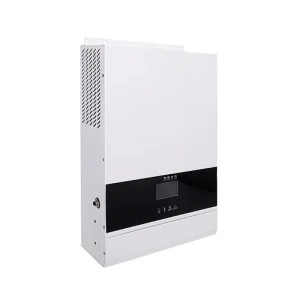
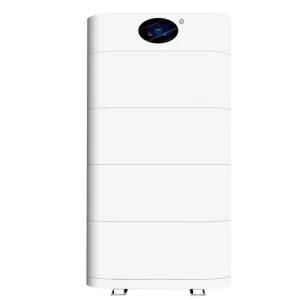
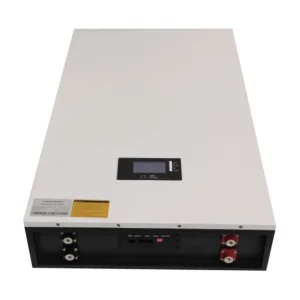
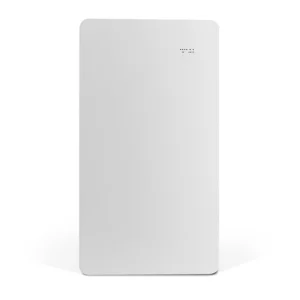
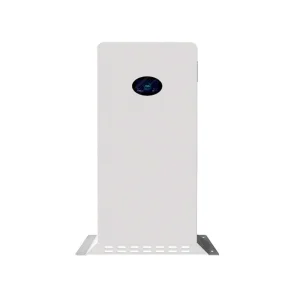
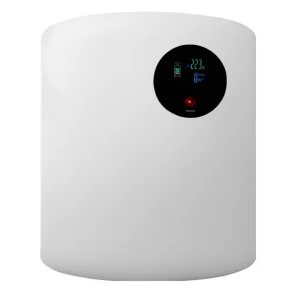
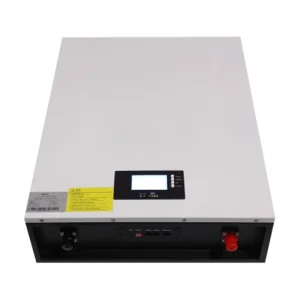
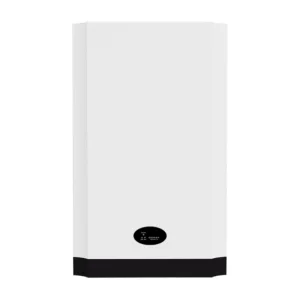
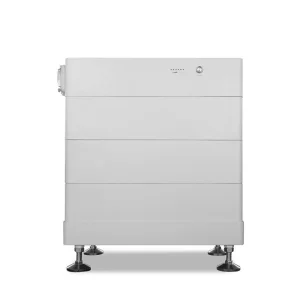
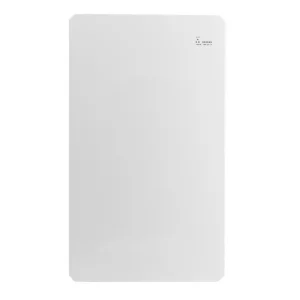
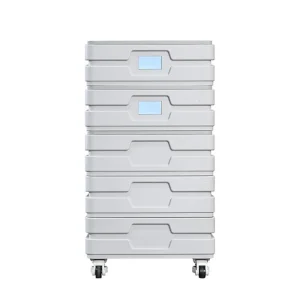
Our premier range of PV inverters and high-performance battery systems are engineered to withstand the harsh Australian climate while ensuring full compliance with national grid stabilization requirements.
Australia stands as a global superpower in decentralized photovoltaic penetration. With over 3.4 million rooftop PV systems installed nationwide, the country’s distribution networks face unprecedented grid stability pressures. This dynamic environment has driven Australian utility bodies and Distributed Network Service Providers (DNSPs) to implement some of the most stringent grid connection standards globally.
In the Commercial and Industrial (C&I) sectors, solar systems are no longer passive generation assets. Under the revised AS/NZS 4777.2:2020 standards, inverters must actively support grid stability through voltage and frequency response modes (Volt-Var and Volt-Watt controls). Furthermore, local regulations in states like South Australia and Victoria mandate remote disconnect capabilities and dynamic export limit controls to prevent localized overvoltage conditions during peak solar generation.
The global renewable energy procurement landscape has shifted from a transactional model to a strategic partnership model focused on supply chain resilience. High-quality EPC contractors, system integrators, and project developers in Australia prioritize partner selection based on two parameters: **long-term reliability** and **flexible logistics support**.
ELEMRO Energy addresses this directly by bridging the gap between cutting-edge automated production lines in China and on-the-ground support requirements in Australia. Through optimized component sourcing (such as Tier 1 semiconductor switches, automotive-grade capacitors, and optimized thermal heatsinks), ELEMRO ensures that every inverter and battery unit is capable of achieving a 15-to-20-year design life, minimizing the high operational expenditures (OpEx) associated with system maintenance in remote Australian outback projects.
All shipped systems feature integrated IoT telemetry, allowing developers to execute remote diagnostic sweeps and monitor battery degradation metrics seamlessly from anywhere in Australia.
Engineering documentation is prepared according to Clean Energy Council (CEC) guidelines, simplifying connection approvals with distribution networks.
By operating integrated production facilities, we deliver stable lead times, protecting projects from the delays currently impacting the solar component supply chain.
At the heart of ELEMRO’s manufacturing strategy is our integration of smart manufacturing and automation (Industry 4.0) at our Xiamen production base. The manufacturing of modern solar storage inverters and high-voltage lithium battery packs requires high precision to prevent early component wear-and-tear under thermal stress.
ELEMRO’s production lines leverage automated SMT (Surface Mount Technology), optical inspection systems (AOI), and continuous testing routines to ensure that every circuit board meets rigorous quality benchmarks. Battery packs undergo automated cell sorting and laser-welding, which guarantees low contact resistance and excellent thermal balance across cells. For the Australian installer, this reduces out-of-box failures to virtually zero and lowers lifetime system maintenance costs.
Discover ELEMRO's specialized selection of energy storage hardware and power distribution systems, engineered for resilience and scalability in demanding conditions.

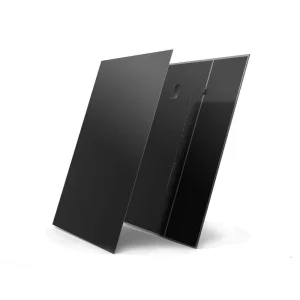
Optimized photovoltaic architectural glass designed for integrated structural projects, presenting high light transmittance and robust performance.
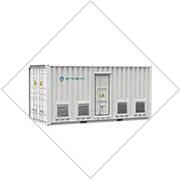
Pre-configured, liquid-cooled utility-scale storage systems designed to support large industrial sites and microgrid networks.
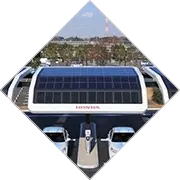
Industrial-grade structural solar carports designed to generate clean energy from commercial parking assets.
Australia's unique geography presents diverse electrical challenges. Tailoring systems to local grid profiles is essential for performance and longevity. Below are common local implementation scenarios:
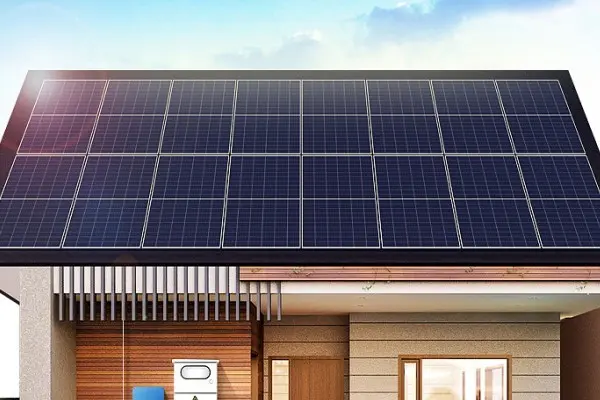
Remote farms in regions like Western Australia and the Northern Territory rely on expensive diesel generators. Our hybrid energy storage systems integrate solar generation, battery storage, and generator control. They prioritize clean solar energy, using diesel generation only as a backup.
C&I sites in Queensland and New South Wales face steep peak-demand charges. By pairing solar arrays with high-voltage battery storage, businesses can discharge stored energy during peak periods. This lowers demand charges and helps stabilize the local grid network.
Subdivisions in South Australia utilize virtual power plants (VPPs). Our smart batteries feature open communications interfaces (like Modbus and SunSpec), enabling third-party energy managers to dispatch aggregated resources during peak demand events.
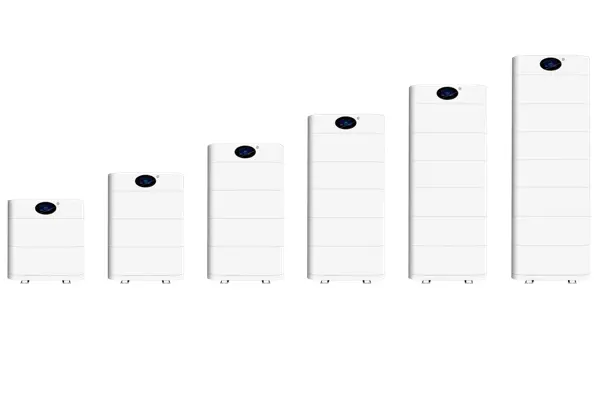
Explore our complete range of certified energy storage products, featuring high safety standards, modular scalability, and advanced cell integration.
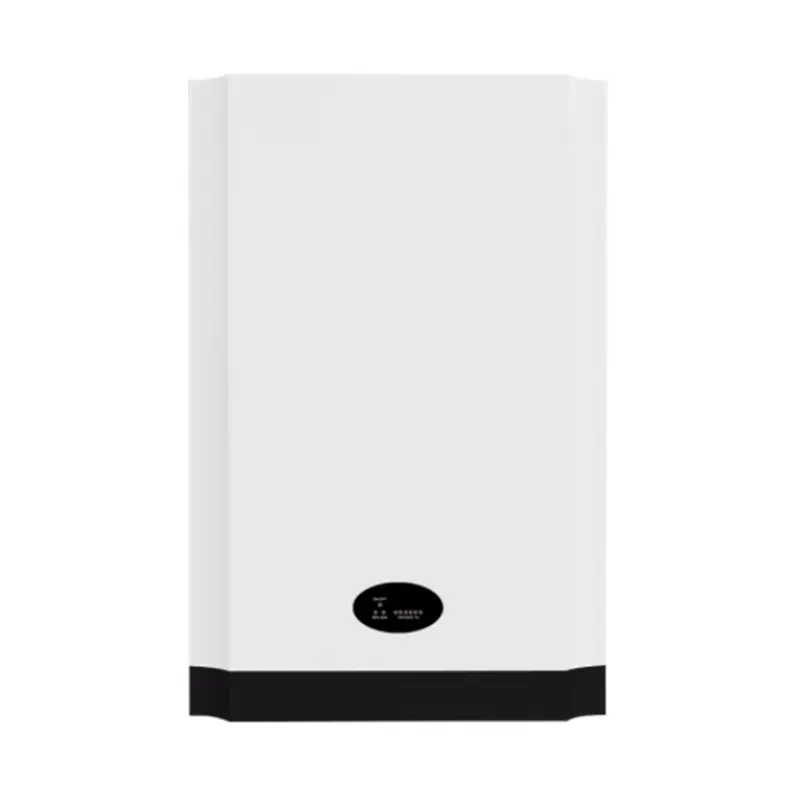
Established in 2019 and headquartered in Xiamen, China, Elemro Energy specializes in new energy storage and electrical product solutions. We operate as an integrated manufacturer combining R&D, production, and sales.
Our products serve more than 250 customers across Europe, Southeast Asia, Africa, the Middle East, and the Americas. ELEMRO's annual turnover is expected to exceed 50 million USD, driven by a focus on quality control and grid-ready systems.
Connect With Our Engineering Team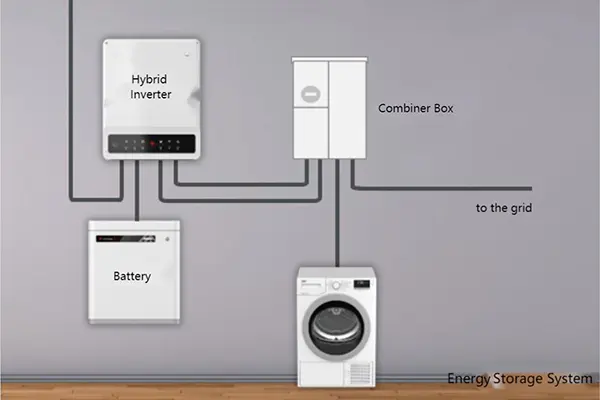
Exploring the structural configuration and smart energy control systems of modern residential backup hybrids.
An evaluation of lithium battery chemistries, comparing cycle life, safety profiles, and cost metrics.
Analyzing how battery configurations match grid demand variations across different sectors.



Clear answers to common questions about technical specifications, grid compliance, and procurement.
Yes. All ELEMRO inverters designed for the Australian market are manufactured to comply with AS/NZS 4777.2:2020. This includes pre-configured grid protection settings, Volt-Var/Volt-Watt curve capabilities, and support for dynamic export limits as mandated by local DNSPs.
Our automated Factory 4.0 production utilizes automated cell capacity sorting and high-precision laser welding. This ensures matched internal resistance across all connected battery cells. Balanced cell packs avoid localized overheating, which preserves capacity and extends cycle life.
Low-voltage battery systems (typically 48V) are suitable for residential use due to easy installation. High-voltage battery systems utilize series-connected cell stacks to achieve higher operating voltages (ranging from 150V to 400V+). High-voltage configurations reduce DC current losses, increase round-trip efficiency, and support higher peak charge and discharge rates, making them suitable for C&I applications.
Yes. Our smart battery management systems (BMS) support standard communication interfaces like Modbus TCP/RTU. This allows developers to integrate our systems with local VPP energy management platforms for coordinated dispatch.
Our systems utilize active cooling arrangements and optimized heat-sink fins. The integrated Battery Management System (BMS) continuously monitors cell temperatures and adjusts current profiles to prevent thermal runaway, ensuring stable operation at elevated ambient temperatures.
Consult with our system engineers to configure a compliant, high-performance solar and storage solution for your next project.
Send Inquiry Now Elemro Energy