 Elemro Energy
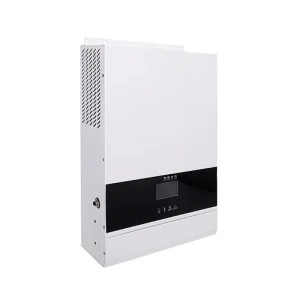
Engineered to deliver optimal performance under winter conditions, fully compliant with Ontario electrical standards.
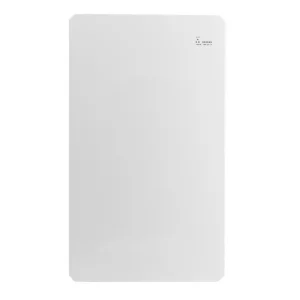
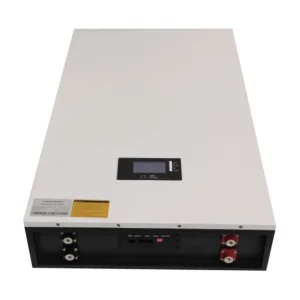
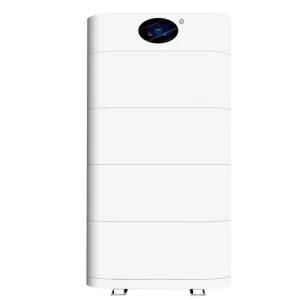
As the Greater Toronto Area (GTA) navigates its ambitious roadmap toward net-zero emissions, the demand for high-reliability solar PV infrastructure and grid-tied energy storage systems has entered an unprecedented growth phase. Industrial, commercial, and residential energy users are facing a complex landscape governed by evolving grid codes, variable-rate tariffs, and winter conditions. Navigating this landscape requires not just conventional PV components, but highly adapted technological solutions designed to interface smoothly with the local infrastructure.
Under Hydro One and Toronto Hydro Net-Metering frameworks, systems must operate as distributed generation assets. Commercial facilities in Toronto increasingly deploy hybrid storage setups to mitigate the "Global Adjustment" (GA) charges, which can account for up to 70% of an industrial electricity bill. The deployment of intelligent hybrid inverters coupled with advanced lithium-iron-phosphate (LiFePO4) storage is now a primary method of demand-charge management.
A major design constraint for solar installations in Ontario is winter temperature variation. Ambient temperatures in Toronto routinely drop below -20°C in winter and exceed 35°C in peak summer. This wide thermal range directly impacts inverter electronics and battery electrochemistry:
Delivering robust power electronics engineered for reliability across continuous operations.
Global procurement teams must balance three critical parameters: hardware safety certifications, technical performance guarantees, and CAPEX feasibility. Achieving this balance is a primary driver behind sourcing from specialized manufacturers with integrated research, development, and high-volume output capacity.
By leveraging advanced supply chains centered in China's high-tech manufacturing corridors (such as Xiamen and Shenzhen), we combine rapid design-to-production cycles with rigorous component testing. This enables us to deliver Tier-1 quality components at competitive price points.
We provide cleaner energy for a greener world through interconnected clean energy components.

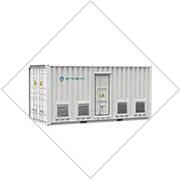
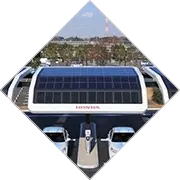
Established in 2019, headquartered in Xiamen, China, Elemro Energy has been specialized in new energy storage and electrical product solutions with rich experience. It is the market leader in the new energy industry that unifies R&D, production, and sales. The products have been sold to more than 250 customers in Europe, Southeast Asia, Africa, Mid-east, America, etc. Since its establishment, ELEMRO’s revenue has been growing rapidly every year. ELEMRO’s annual turnover is expected to exceed 50 millions USD in year 2023.
Our logistic lines and technical support offices ensure that commercial installations in Toronto, Vancouver, and across North America receive rapid component supply, engineering design help, and reliable after-sales support.
Connect with our Engineering TeamExplore our complete range of certified components for grid-tied, off-grid, and commercial projects.
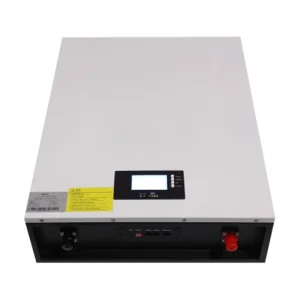
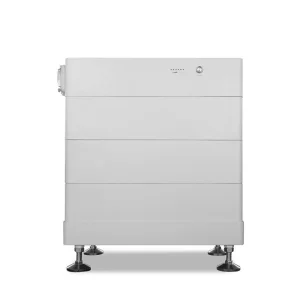
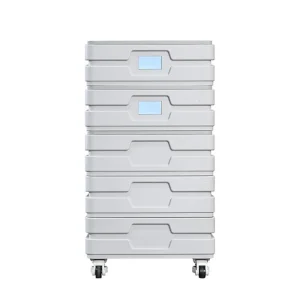
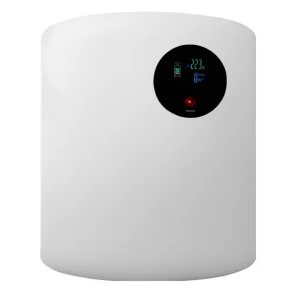
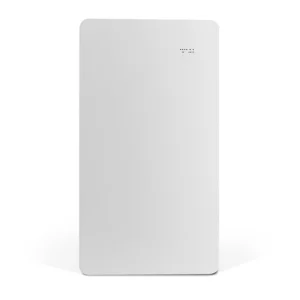
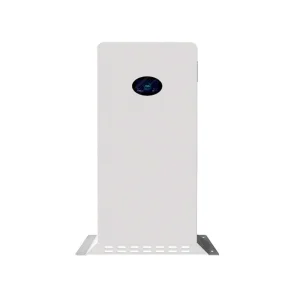

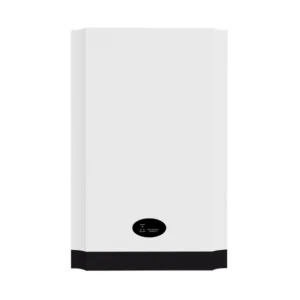
The transition from radial distribution grids to highly interactive, bidirectional smart grids is happening rapidly across North America. In Ontario, this transformation is characterized by microgrid pilots, virtual power plants (VPPs), and EV fleet charging hubs. Solar inverters and battery systems are no longer passive converters; they are critical grid assets expected to provide dynamic ancillary services.
Advanced inverters must feature high-voltage/low-voltage ride-through (FRT) capabilities, active frequency droop controls, and dynamic reactive power compensation to assist local utilities during grid disruptions.
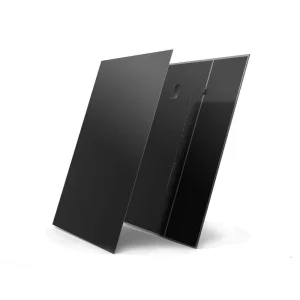
Building-Integrated Photovoltaics (BIPV), powered by CdTe thin-film technologies, are replacing traditional facade materials. This trend transforms the commercial building envelope into a localized power generation source.
Smart EMS systems utilize machine learning models to analyze local weather forecasts, building load patterns, and grid pricing structures to schedule battery dispatch profiles optimally.
In response to these trends, ELEMRO Energy continues to refine its software architectures, integrating Modbus, CAN, and SunSpec communication protocols. This design ensures that all commercial energy storage containers and home batteries integrate with third-party software control layers, giving developers and owners absolute control over their power flows.
Keep up with the latest technological developments in the global energy transition.
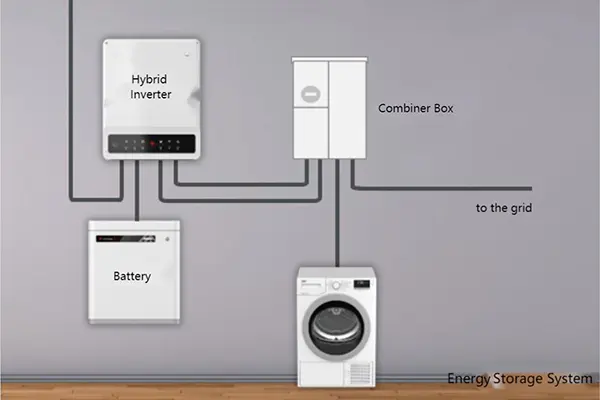
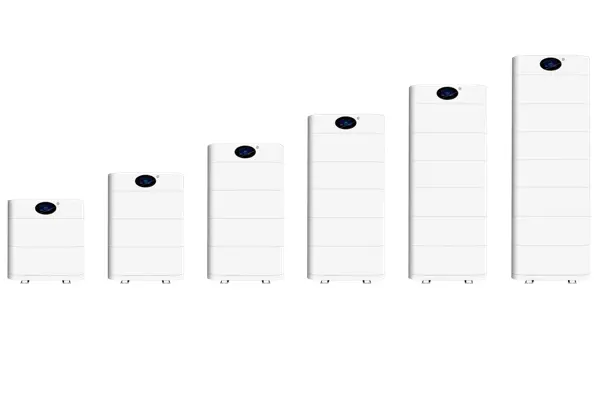




Common inquiries from local system integrators, electrical engineers, and commercial project managers.
Inverters must be certified to CSA C22.2 No. 107.1 standards and comply with UL 1741 and IEEE 1547 requirements. Before connection, the Electrical Safety Authority (ESA) of Ontario must inspect the installation, and the local utility (such as Toronto Hydro or Hydro One) must approve the Connection Impact Assessment (CIA).
While LiFePO4 chemistry is chemically stable down to -20°C, charging below 0°C can lead to lithium plating and permanent cell degradation. ELEMRO's smart batteries include integrated BMS-driven thermal heating pads that warm the cells to safe operating ranges using incoming solar power before initiating the charging cycle.
Yes, our industrial energy storage containers utilize open communications protocols including Modbus TCP/RTU, CAN Bus, and conform to the SunSpec standard. This allows integration with utility SCADA systems and building management networks.
Our commercial-grade string and hybrid inverters are engineered for a service life exceeding 15 years, supported by high-quality internal electronics, IP65/IP66 enclosure protection, and active cooling configurations that limit internal heat stress.
We maintain an R&D department at our headquarters in Xiamen, China. We can adjust inverter parameters, battery storage configurations, protection features, and BIPV glass transparency to match the exact requirements of your local project.
Contact our local project consulting team to receive structural pricing sheets, electrical single-line drawings, and product data sheets.
Send Inquiry Now