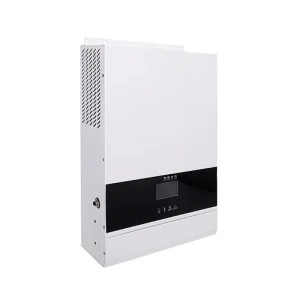
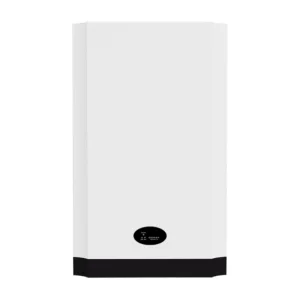
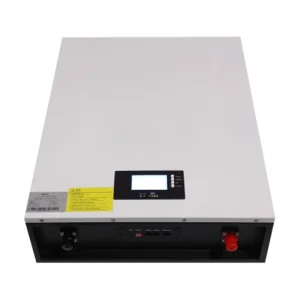
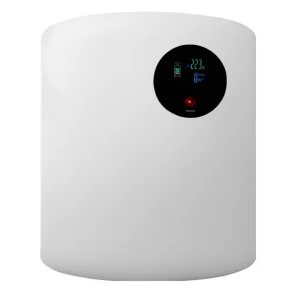
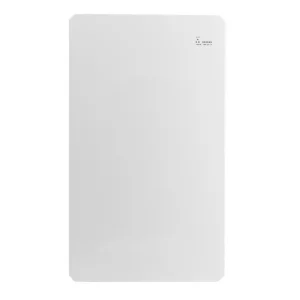
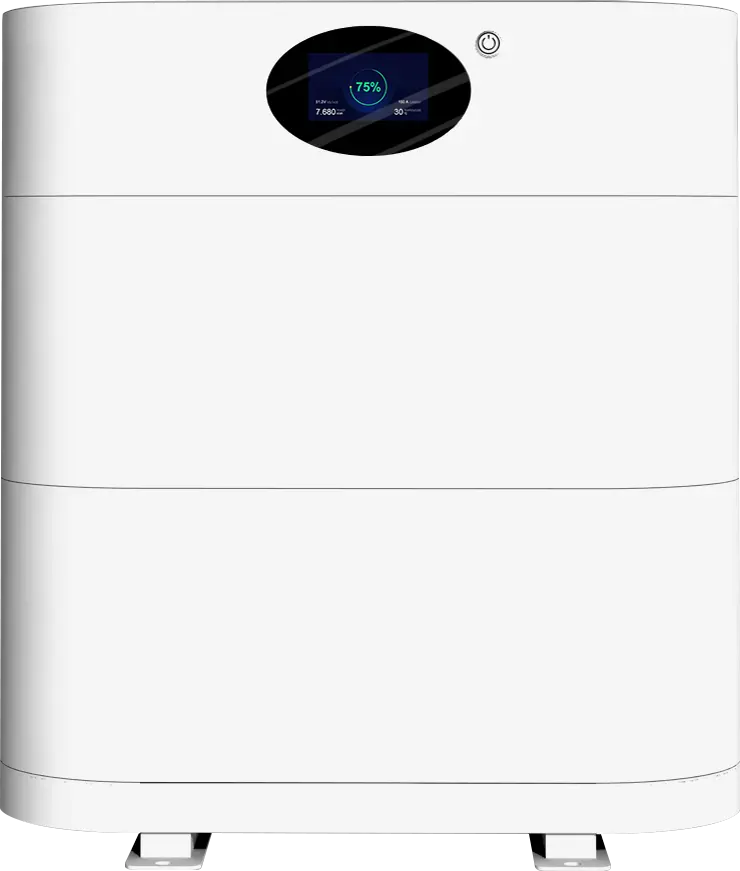
Engineered to deliver optimal performance, high mechanical durability, and long-lasting stability under high temperature and Saharan dust climates.
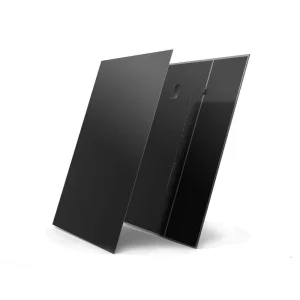
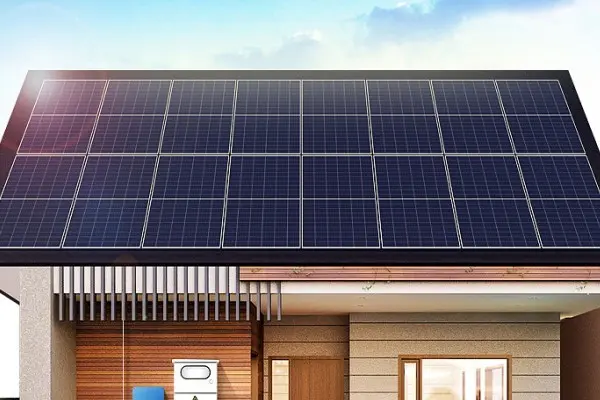
ELEMRO provides advanced technical architectures for micro-grids, commercial rooftop arrays, and heavy-duty industrial solar integrations.

Nigeria, Africa's most populous nation and largest economic engine, stands on the cusp of an unprecedented decentralized renewable energy revolution. With solar irradiation rates averaging between 5.25 kWh/m²/day in the south and peaking at nearly 7.0 kWh/m²/day in the far north (such as Kano, Sokoto, and Maiduguri), the physical potential for solar deployment is vast. However, developers, commercial investors, and engineering, procurement, and construction (EPC) firms face localized technical adversities. Chief among these is the combination of intense ambient temperatures (frequently exceeding 40°C in the northern dry seasons) and seasonal Harmattan winds carrying highly abrasive, fine Saharan dust particles.
In standard solar modules, the accumulation of fine dust (soiling) on the protective front glass causes an immediate reduction in solar transmittance, resulting in localized energy output losses that can range from 15% to more than 40% within weeks if left uncleaned. Additionally, partial shading caused by uneven dust distribution induces hotspotting, which accelerates physical cell degradation and risks premature module failure. Mitigating this issue requires specialized, ultra-high-transmittance PV glass panels equipped with state-of-the-art hydrophilic, anti-reflective, and self-cleaning coatings. These surface modifications lower the friction coefficient, preventing dust particulates from bonding tightly with the glass face, and enabling natural dew or light rainfall to clear away accumulated debris.
Moreover, the extreme operating temperatures across Nigeria trigger a thermal degradation profile in conventional solar modules. High thermal coefficients lead to voltage drops, meaning systems run below their optimal rated output. Dual-glass (bifacial) configurations engineered with low-iron, high-transmittance tempered glass provide superior structural strength and thermal dissipation compared to traditional polymer backsheets. This guarantees that utility-scale systems in locations like Kaduna or Oyo State maintain peak efficiency over their 25- to 30-year operational lifetimes.
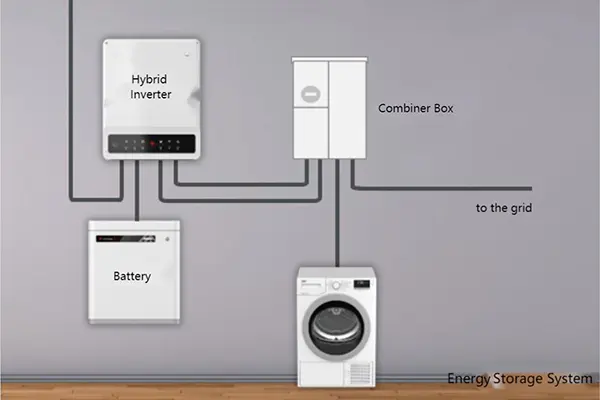
Nigeria’s national grid suffers from frequent instability, voltage drops, and system collapses, leaving the commercial and industrial (C&I) sector heavily dependent on expensive diesel generators. Diesel generation costs can easily exceed $0.40 per kWh when including fuel procurement, maintenance, and logistics. Integrating highly resilient PV glass arrays with robust Battery Energy Storage Systems (BESS) is no longer just a green option—it is a critical economic necessity for factories, hospitals, and residential estates across Lagos, Abuja, and Port Harcourt.
Technical parameters optimized for high-temperature durability, dust prevention, and mechanical load tolerance.
| Technical Parameter | Standard Specification | ELEMRO High-Perf Solar Glass | Direct Value Benefit for Nigeria Installations |
|---|---|---|---|
| Light Transmittance | ≥ 91.5% | ≥ 93.8% (Double AR Coated) | Boosts generation efficiency in dusty/harmattan climates. |
| Iron (Fe2O3) Content | ≤ 150 ppm | ≤ 90 ppm (Ultra-Low Iron Tempered) | Minimizes absorption loss, maximizing raw light reaching the PV cells. |
| Thermal Coefficient | -0.39% / °C | -0.34% / °C (Optimized CdTe / Double Glass) | Retains high power output even during peak afternoon heat waves. |
| Surface Coating | None / Single Layer | Hydrophilic Self-cleaning + Anti-Soiling | Significantly reduces cleaning frequency and maintains daily yield. |
| Mechanical Load Capacity | 2400 Pa | 5400 Pa (Wind & Snow Load Resistant) | Resists intense tropical windstorms and violent storm debris. |
| Hail Impact Resistance | 25mm hail @ 23m/s | 35mm hail @ 27m/s (Fully Tempered) | Protects structural investment from sudden regional hailstorms. |
Established in 2019, headquartered in the high-tech hub of Xiamen, China, ELEMRO Energy has specialized in advanced new energy storage systems and electrical product solutions. Combining rich experience with localized R&D, Elemro has positioned itself as an industry leader that unifies R&D, precision production, and global sales. Our systems are engineered to perform reliably across diverse international markets, serving over 250 customers in Europe, Southeast Asia, Africa, the Middle East, and the Americas.
Since our founding, ELEMRO's annual revenues have grown rapidly, exceeding 50 million USD in 2023. Our commitment to quality, technological advancement, and long-term sustainability makes us a trusted manufacturing partner for major EPC firms and corporate buyers worldwide. We focus on providing highly reliable clean energy solutions that lower the cost of ownership, making clean energy accessible to developing and growing markets.

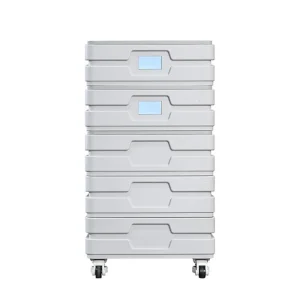
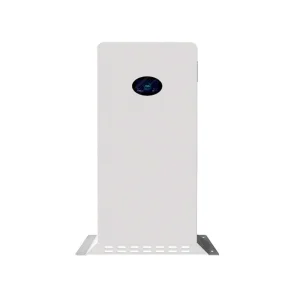
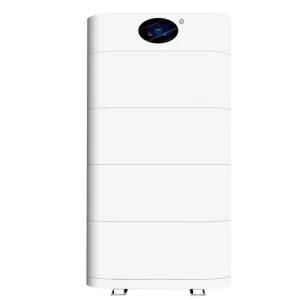
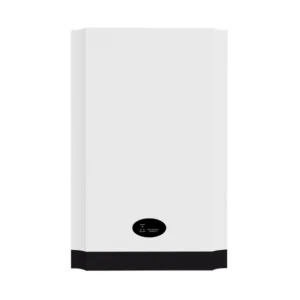
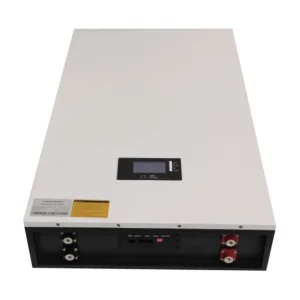
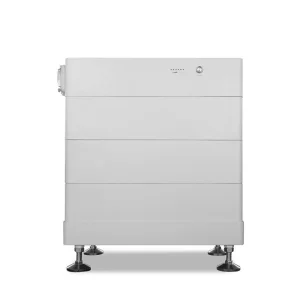
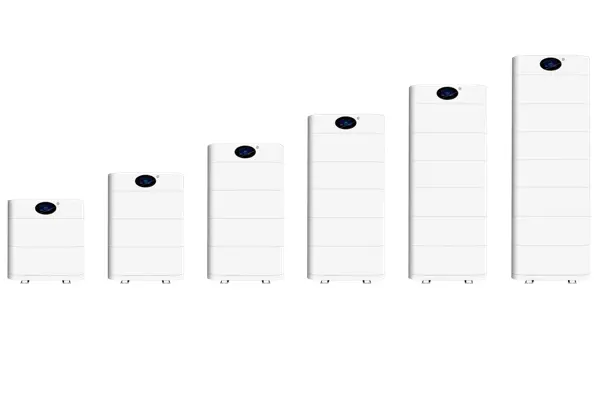
Maximize energy generation, control voltage swings, and build an independent power grid with our specialized battery systems and modules.
When sourcing solar glass panels for projects in Sub-Saharan Africa, procurement officers and engineering teams must evaluate factors beyond upfront price-per-watt metrics. Total Cost of Ownership (TCO) is highly dependent on system longevity and operational efficiency. The key metrics below outline what clean energy professionals look for when selecting high-performing PV glass panels:
Entering the Nigerian energy market requires navigating a complex compliance landscape. All solar components—including PV glass, inverters, and battery storage modules—must comply with the Standards Organisation of Nigeria Conformity Assessment Programme (SONCAP). Sourcing from an experienced manufacturing partner like ELEMRO Energy ensures that all products hold the necessary Product Certificates (PC) and SONCAP Certifications, which prevents costly clearance delays at major ports like Apapa, Tin Can Island, or Onne.
Additionally, shipping fragile PV glass components over long distances requires secure, customized export packaging. Heavy-duty wooden crates, moisture-proof desiccant packs, and reinforced edge guards prevent physical damage during transit. Partnering with a manufacturer that offers complete shipping logistics, customs documentation support, and local delivery clearance makes the supply chain more reliable for project developers and EPCs across West Africa.
The global solar energy industry is moving rapidly toward high-efficiency materials and integrated building designs. As traditional crystalline silicon panels near their theoretical efficiency limits, manufacturers are investing in next-generation PV glass tech to drive down levelized energy costs (LCOE). Key industry trends include:
Combining silicon with perovskite solar cell materials on a single dual-glass module allows systems to capture different wavelengths of the solar spectrum. This setup can boost conversion efficiencies beyond 30%, which will help reduce the footprint required for large-scale solar arrays in space-constrained urban environments like Lagos.
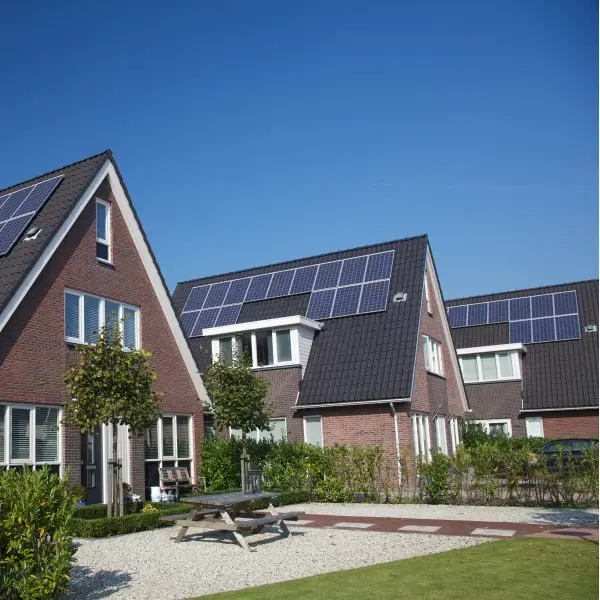
Modern architectural trends are moving from standard rooftop solar arrays to Building-Integrated Photovoltaics (BIPV). Using semi-transparent CdTe (Cadmium Tellurium) thin-film solar glass on skyscraper facades and office building windows transforms the building envelope into a power generator, while also reducing thermal gain and building cooling loads.
Advanced chemical vapor deposition (CVD) methods are being used to bond permanent, hydrophobic, anti-soiling coatings directly to the outer glass layer. These self-cleaning surfaces rely on natural humidity and rainfall to clear away dust, maintaining high performance in arid and semi-arid regions with minimal manual cleaning.
Stay informed on the latest trends in global energy storage, product updates, and technical innovations.
Technical and practical guidance for developers sourcing PV glass and energy systems for Nigeria.
Low-iron tempered glass limits energy loss from light absorption by keeping iron content below 90 ppm. In high-temperature zones like northern Nigeria, maximizing light transmission is critical to offset temperature-related voltage drops. Tempered glass also improves heat dissipation, lowering operating temperatures and slowing solar cell aging.
Hydrophilic self-cleaning coatings lower the surface tension of the glass, preventing dry dust and sand from sticking to the surface. When light rain or morning dew hits the glass, it forms an even sheet that washes away the dust, rather than leaving dirty water spots. This reduces regular cleaning maintenance costs by up to 60%.
Yes. All ELEMRO components, including PV glass panels, hybrid inverters, and battery systems (LiFePo4), comply with SONCAP regulations. We supply the required Product Certificates (PC) and SONCAP clearance paperwork to ensure smooth customs processing at all major Nigerian ports.
Yes. Our high-voltage and low-voltage LiFePo4 battery lines use standard communication protocols (such as CAN/RS485), making them compatible with most commercial solar inverters on the market. This flexibility helps developers easily upgrade existing solar arrays in Nigeria with energy storage capabilities.
Our systems and components are trusted by leading developers and suppliers globally.





Get in touch with our engineering team for customized design support, technical advice, or volume pricing. We will get back to you with a detailed proposal within 24 hours.
Send Inquiry Now Elemro Energy