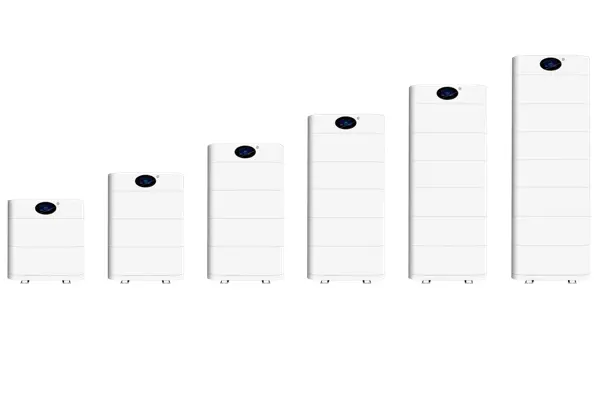
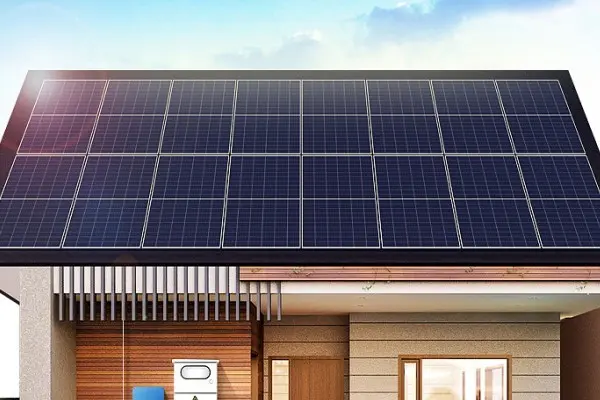
PV Glass Panels Manufacturer & Engineering in Melbourne

Pioneering High-Performance Building Integrated Photovoltaics (BIPV) and Industrial-Scale Energy Storage Solutions for Victoria's Net-Zero Future.

Melbourne BIPV & Flagship Energy Products

High-efficiency Cadmium Telluride thin-film panels and residential energy storage systems designed for local architectural integration.
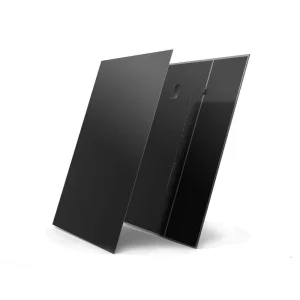
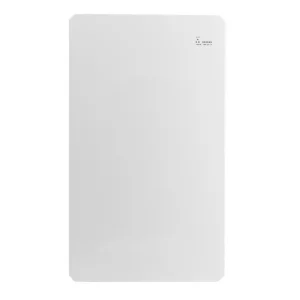
Best Elemro CdTe Thin Film Solar Cells for Melbourne BIPV Projects

Best Elemro CdTe Thin Film Solar Cells for Melbourne BIPV Projects

View Specifications
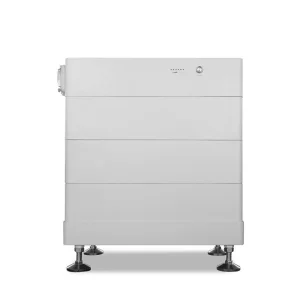
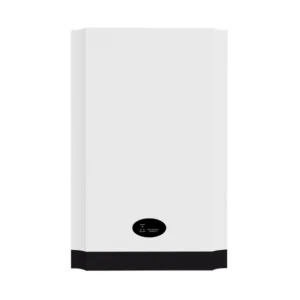
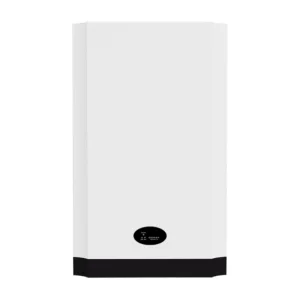
Best Elemro WHLV 5kWh Home Solar Battery for Melbourne Residences

Best Elemro WHLV 5kWh Home Solar Battery for Melbourne Residences

View Specifications
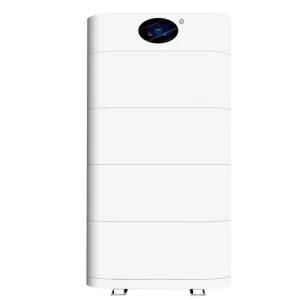
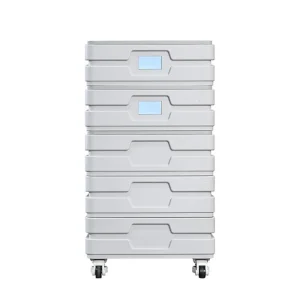
Commercial High Voltage Stacked Energy Storage Systems in Melbourne

Commercial High Voltage Stacked Energy Storage Systems in Melbourne

View Specifications
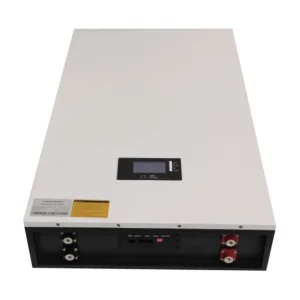
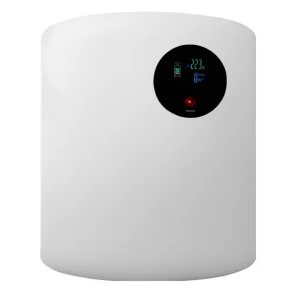
Elemro WHLV 48V 200Ah Solar Battery Storage for Melbourne Commercial Grid

Elemro WHLV 48V 200Ah Solar Battery Storage for Melbourne Commercial Grid

View Specifications

ELEMRO Energy: Powering a Green Future

Established in 2019 and headquartered in the high-tech hub of Xiamen, China, ELEMRO Energy has specialized in state-of-the-art energy storage systems and electrical product solutions. Integrating research, development, custom manufacturing, and international sales, we supply clean energy technology to over 250 industrial clients globally across Europe, the Americas, Southeast Asia, and the Oceania market.

Our rapid annual growth, exceeding 50 million USD in revenue, is anchored on rigorous testing standards, deep engineering capabilities, and key vertical integrations in Building Integrated Photovoltaics (BIPV) and large-scale commercial battery setups.

Connect with Our Engineering Team

Solar Glass Icon

Photovoltaic Glass

Architectural integration matching AS/NZS requirements.
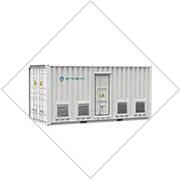
Energy Storage Container Icon

Energy Storage Containers

Grid-scale solutions for industrial operations.
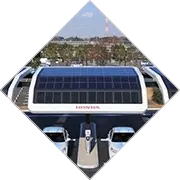
Car Port Solar Power Icon

Solar Carports

High-efficiency arrays for public & private parking assets.

2019
Founded
$50M+
Global Sales
250+
Enterprise Clients

PV Glass Panels & Energy Storage in Melbourne's Built Environment

An authoritative analysis of Victorian energy compliance, building-integrated photovoltaics, and supply chain strategies.

1. Localized Market Dynamics: Victoria's Solar Mandate & C&I Requirements

Melbourne and the broader state of Victoria are undergoing a rapid energy transition, driven by the ambitious targets of reaching net-zero greenhouse gas emissions by 2045. For commercial real estate developers, industrial facility operators, and civil infrastructure engineers, the implementation of localized PV glass panels and integrated storage is no longer merely a sustainability initiative—it is a core requirement of modern property design and asset management.

Under the revised National Construction Code (NCC 2022) of Australia, commercial and high-density residential developments in Victoria face higher energy efficiency benchmarks. Building Integrated Photovoltaics (BIPV)—specifically double-glazed PV glass panels used in curtain walls, windows, skylights, and facades—are playing an increasingly dominant role. They convert static structural envelopes into active clean-power plants without compromising architectural aesthetics or requiring additional land footprints.

The Melbourne Urban Heat Island and Solar Glass Mitigation

In highly built-up urban centers such as Melbourne CBD and Southbank, traditional solar panels are restricted by roof space limits. BIPV solar glass offers a dual-benefit: reducing building heat gain through optimized solar heat gain coefficients (SHGC) while generating clean energy, mitigating the localized Urban Heat Island effect.

2. Technical Specifications of Photovoltaic Glass Panels

PV glass panels represent the intersection of optical science, building insulation, and semiconductor physics. Unlike standard PV modules, solar glass must provide structural strength, weatherproofing, thermal insulation, and visual clarity while retaining high energy-conversion rates. The primary technologies employed include:

  • Cadmium Telluride (CdTe) Thin Film Glass: Ideal for architectural facades. CdTe technology performs remarkably well under diffuse or low-light conditions, which matches Melbourne’s variable weather patterns. It offers superior uniform aesthetics (often appearing as sleek black or dark-grey tinted glass) and handles shading from neighboring high-rises better than crystalline silicon.
  • Crystalline Silicon (c-Si) Glazed Panels: Typically used in high-exposure glass canopies and industrial roofs where maximum power density per square meter is prioritized. These panels utilize embedded solar cells between safety glass layers, allowing customizable transparency gaps.

AS/NZS 5033 Compliance

Ensuring all thin-film and crystalline systems integrate safely into Australian electrical systems under grid guidelines.

Optimized SHGC & U-Value

Thermally insulated structural glass that reduces mechanical cooling demand in Australian commercial facilities.

AS1288 Safety Glazing

Engineered tough to withstand severe wind loads and thermal stresses typical of Port Phillip Bay coastal microclimates.

3. Sourcing Advantages: Bridging Chinese Manufacturing Excellence with Melbourne Engineering

For procurement directors and EPC (Engineering, Procurement, and Construction) companies in Melbourne, sourcing directly from specialized manufacturers in China offers crucial competitive advantages:

  • Unmatched Scale and Lower LCOE: Chinese manufacturers account for over 80% of the global PV supply chain. This concentration ensures massive economies of scale, lowering the Levelized Cost of Energy (LCOE) for complex BIPV installations.
  • Highly Advanced Customization: Modern production facilities in China utilize sophisticated robotic laminating lines capable of producing custom sizes, distinct color profiles, and specific double-glazed insulating units (IGUs) matching Australian engineering plans.
  • Comprehensive Quality Control (QC): Partnering with a manufacturer like ELEMRO Energy ensures that components—ranging from CdTe glass to heavy-duty high-voltage lithium battery energy storage systems—are fabricated under rigorous ISO 9001 guidelines and fully certified to global IEC and Australian standards.

High-Voltage Battery & Inverter Integration Portfolio

Reliable, stackable, and high-voltage energy storage systems designed to manage solar output and provide backup power across Victoria.
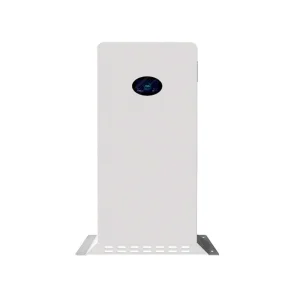
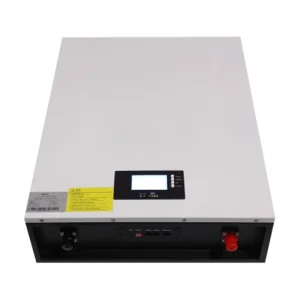
Elemro LCLV 14kWh Solar Energy Storage System for Melbourne Smart Homes

Elemro LCLV 14kWh Solar Energy Storage System for Melbourne Smart Homes

View Specifications
Elemro WHLV 48V 100Ah ESS Battery for Melbourne Industrial Off-Grid Setup

Elemro WHLV 48V 100Ah ESS Battery for Melbourne Industrial Off-Grid Setup

View Specifications
High-Voltage Energy Storage Lithium Battery for Melbourne Substation Projects

High-Voltage Energy Storage Lithium Battery for Melbourne Substation Projects

View Specifications
Stackable High-Voltage LiFePo4 Battery Pack for Melbourne Developers

Stackable High-Voltage LiFePo4 Battery Pack for Melbourne Developers

View Specifications
Elemro WHLV 10kWh Lifepo4 Battery for Melbourne Home Storage

Elemro WHLV 10kWh Lifepo4 Battery for Melbourne Home Storage

View Specifications
Elemro SHELL 10.2kWh Energy Storage Devices for Melbourne Green Buildings

Elemro SHELL 10.2kWh Energy Storage Devices for Melbourne Green Buildings

View Specifications
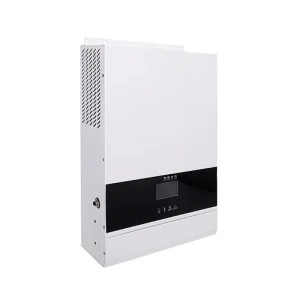
High-Quality Solar System Power Inverter for Melbourne Microgrids

High-Quality Solar System Power Inverter for Melbourne Microgrids

View Specifications
Wall-Mounted Lithium Battery Energy Storage System for Melbourne Apartments

Wall-Mounted Lithium Battery Energy Storage System for Melbourne Apartments

View Specifications

4. Custom Applications & Macro-Solutions in the Australian Climate

Integrating PV glass with industrial energy storage requires complete coordination between engineering, architecture, and system design. For commercial installations in Victoria, we recommend several structural approaches:

Curtain Wall Integration

BIPV Glass Curtain Walls

Replacing traditional architectural glass panel facades with active energy-producing double-glazed CdTe panels, improving structural insulation while feeding electricity directly to high-voltage battery storage.

Solar Carports

Commercial Solar Carports

Utilizing high-strength bifacial or double-glass PV panels to build sheltered parking systems for large logistics parks in Dandenong and Campbellfield, featuring integrated EV fast chargers and storage.

Industrial Storage Containers

Industrial Battery Hubs

Deploying high-voltage, megawatt-scale lithium energy storage container solutions next to factory facilities. These containers stabilize local microgrids, buffer peak electricity costs, and store PV excess.

In Victoria's climate, solar generation peaks in summer, while winter brings cloudy weather and low sun angles. Vertical facade installations (BIPV curtain walls) are especially effective in southern latitudes like Melbourne. The low winter sun strikes vertical glass surfaces at a perpendicular angle, maximizing generation when horizontal systems underperform. Implementing high-voltage lithium storage systems preserves peak summer output for winter grid support.

5. Global Quality Standards and Australian Direct Import Logistics

A key concern for Australian project engineers is matching offshore product dimensions with local building codes. At ELEMRO Energy, we ensure our global manufacturing runs on structured project lifecycles:

  • Custom Dimension Fabrication: Custom sizing of glass is critical for architectural facades. Our glass processing line supports detailed architectural parameters down to millimeter accuracy, integrating wire-routing runs seamlessly.
  • Secure Shipping and Customs: Importing heavy glass panels and lithium-ion battery modules to the Port of Melbourne requires specialized packaging, shock-absorption crates, and ocean freight compliance certifications.
  • Commissioning Support: We collaborate with local Victorian Clean Energy Council (CEC) accredited installers and structural engineers to ensure rapid site handover.

Frequently Asked Questions

Technical and logistics answers for commercial solar glass and battery integration projects in Australia.

What is the typical lifetime and degradation rate of CdTe PV glass panels?
Our Cadmium Telluride (CdTe) PV glass panels are engineered for a standard service life of 25 to 30 years. The performance degradation rate is exceptionally low, typically under 0.5% per year, ensuring the facade remains a reliable power plant throughout the building's lifecycle.
How do building integrated photovoltaics (BIPV) comply with Australian wind load standards?
Our architectural PV glass panels are constructed with high-strength tempered and laminated glass options. We calculate safety profiles and thickness configurations (e.g., double or triple-pane glazed assemblies) to meet AS1288 (Glass in Buildings) and AS1170.2 (Wind Actions) compliance based on specific project site calculations in Melbourne.
Can the ELEMRO lithium energy storage systems be paired with existing commercial solar arrays?
Yes. Our high-voltage stacked battery energy storage systems (BESS) and container configurations are designed to be retrofitted to pre-existing on-grid commercial solar arrays. They integrate seamlessly with mainstream hybrid and commercial inverter systems commonly used in Australia.
What certifications are provided for direct shipping to Melbourne?
All our solar glass and energy storage products carry key international certifications, including IEC 61215, IEC 61730, and CE. Battery modules comply with UN38.3 transport safety regulations, and electrical components match Australian Standards (AS/NZS 5033/4777).

ELEMRO Technical Insights & Updates

Read our latest research and interpretations regarding energy storage and photovoltaic integration.
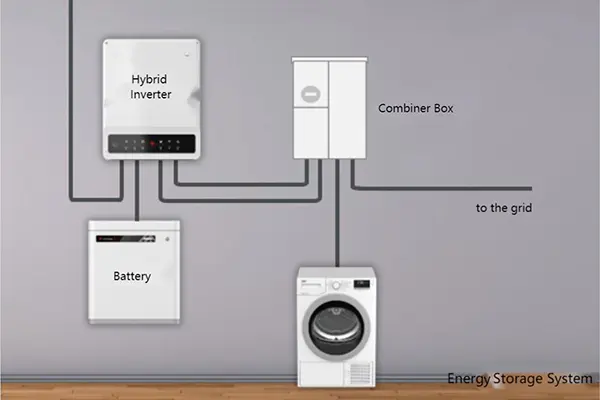
In-depth Interpretation of Home Energy Storage Inverter

In-depth Interpretation of Home Energy Storage Inverter (Part I)

Jul 07, 2023

Advantages and Disadvantages of Lithium batteries

Advantages and Disadvantages of Lithium batteries

Jul 07, 2023

Residential and Commercial Application Scenario of Energy Storage Lithium Ion

Residential & Commercial Application Scenarios of Energy Storage Lithium Ion

Jul 07, 2023

Partner Logo Partner Logo Partner Logo Partner Logo Partner Logo Partner Logo Partner Logo Partner Logo