Pre-engineered photovoltaic modules and energy storage systems optimized for the high wind-load and saline coastal conditions of the Caribbean region.
A technical assessment of building-integrated photovoltaic (BIPV) technology, environmental stress factors, and supply chain scaling options in the Caribbean region.
In response to volatile imported diesel costs, Antigua and Barbuda's updated National Determined Contributions (NDCs) target a 100% renewable grid transition by 2030. The twin-island nation sits directly in the Caribbean hurricane belt, subject to high wind velocity, humidity, and constant corrosive salt mist. Integrating traditional silicon photovoltaic layouts faces geographical constraints and wind-shear structural risks. Advanced Cadmium Telluride (CdTe) PV glass panel technologies address these issues by doubling as load-bearing structural building components (BIPV) and capturing wider light spectrums.
Globally, China’s industrial PV fabrication base remains at the forefront of manufacturing scale and efficiency. Xiamen-based manufacturing hubs integrate advanced vertical supply structures, utilizing automated glass patterning, coating, tempering, and internal cell encapsulation to guarantee high mechanical strength. This technical whitepaper analyzes how local Caribbean developers can leverage the supply chain efficiencies of Chinese manufacturing to implement resilient solar and battery infrastructure capable of withstanding Class 5 hurricanes.
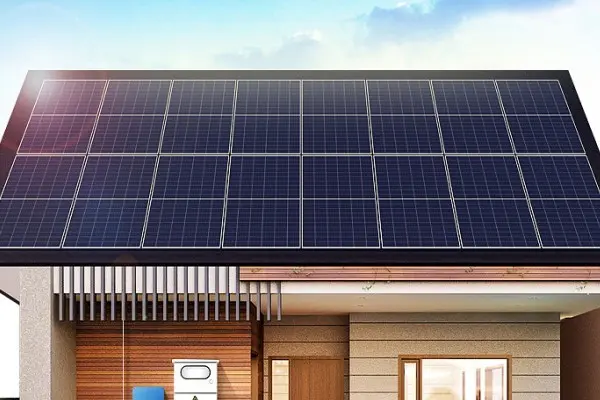
Overcome high local retail grid tariffs by using long-life BIPV facades and rooftop energy integration strategies.
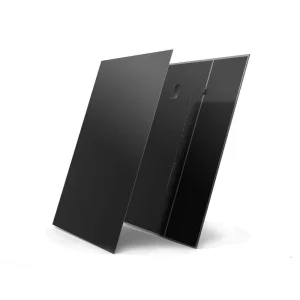
Frameless double-glass CdTe thin-film elements are tested to withstand wind loads up to 2400Pa and severe saline air environments.
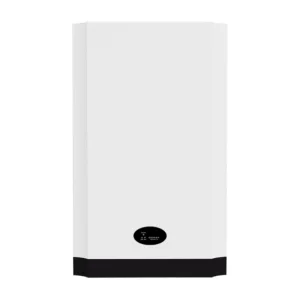
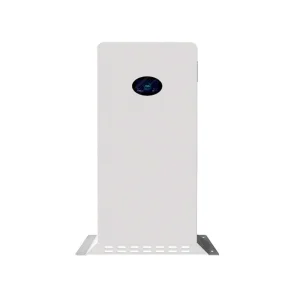
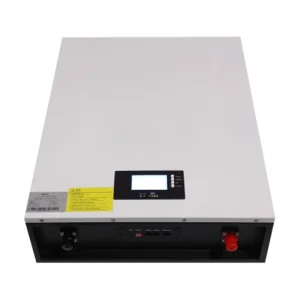
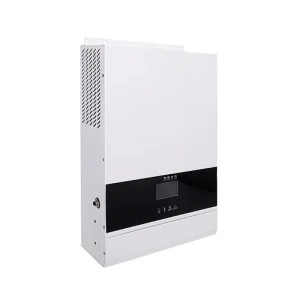
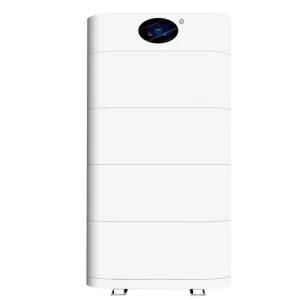
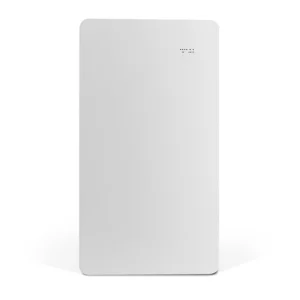
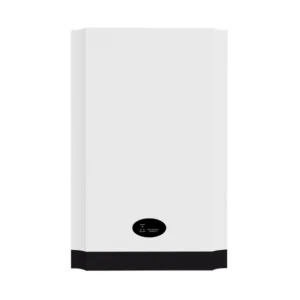
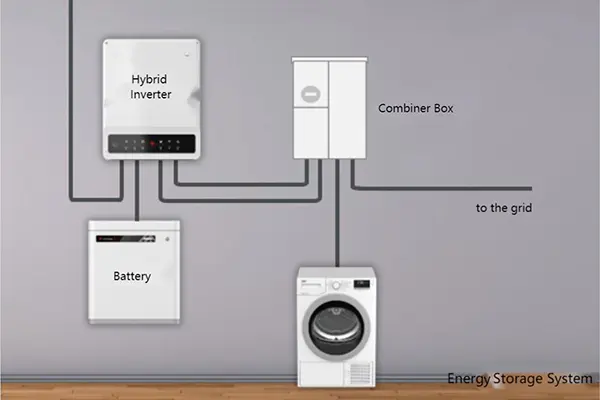
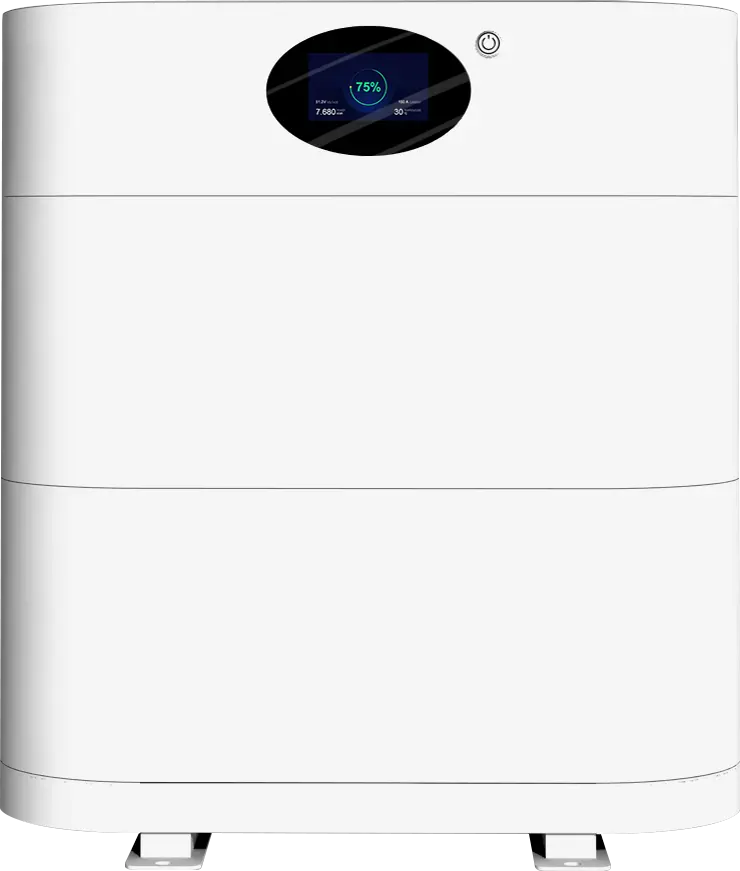
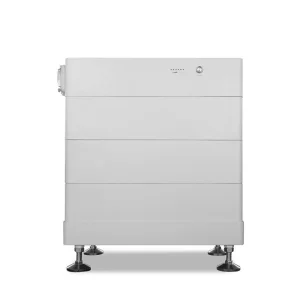
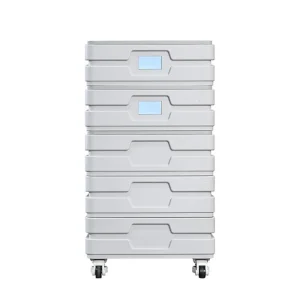
Combine high-voltage stackable battery units with robust solar system inverters for dependable grid backup.
| Performance Metrics | CdTe Thin Film Solar Glass (BIPV) | Monocrystalline Silicon (Standard) | Antigua & Barbuda Advantage |
|---|---|---|---|
| Temperature Coefficient | -0.20% / °C to -0.25% / °C | -0.35% / °C to -0.40% / °C | Maintains generation efficiency under high-temperature conditions. |
| Low-light Response | High absorption of infrared/UV (overcast skies) | Weak response to diffused light | Optimized energy capture during tropical storms and cloud cover. |
| Corrosion Resistance | Frameless double-glass, zero PID, impervious to salt | Aluminum frame prone to galvanic corrosion | Extended equipment life in coastal zones like Dickenson Bay and Barbuda. |
| Wind Load Rating | Up to 2400 Pa (custom architectural mounting) | Determined by bracket joints and frame margins | Improved wind-shear resistance against extreme tropical cyclones. |
Established in 2019 and headquartered in Xiamen, China, Elemro Energy specializes in advanced solar energy storage and electrical product integration. We are an industry leader in manufacturing, research, and sales, delivering complete solutions to customers across Europe, Southeast Asia, Africa, the Middle East, and the Americas.
Since our founding, Elemro’s revenue has grown rapidly year over year, with our annual turnover exceeding 50 million USD. By pairing high-performance thin-film CdTe glass modules with robust lithium battery storage arrays, we engineer reliable utility and residential energy packages tailored for the structural demands of the Caribbean.

We provide cleaner energy for a greener world through specialized engineering categories.

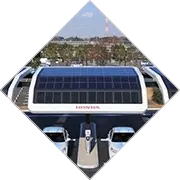
High-efficiency manufacturing standards engineered to minimize solar generation degradation.
All solar glass units and lithium storage enclosures undergo salt spray chamber testing equivalent to 15 years of coastal air exposure, ensuring no galvanic corrosion at electrical terminals and zero micro-cracking in the cell matrices.
Premium energy storage components and power transmission hardware certified for resilient off-grid and grid-connected systems.
Coastal developments in St. John’s, English Harbour, and Jolly Harbour endure high relative humidity and salt-laden air, which accelerate the chemical degradation of standard solar frames. Traditional aluminum solar panel systems are susceptible to galvanic corrosion where framing metal contacts fastening brackets, increasing the risk of mechanical failure during strong wind events.
In addition, standard silicon PV panels experience heat-induced output losses in tropical environments. When ambient temperatures exceed 30°C, the operating core of a silicon panel can reach 65°C, resulting in power loss due to negative temperature coefficients. Frameless CdTe double-glass panels present a resilient alternative, utilizing glass encapsulation with no structural aluminum borders to eliminate galvanic corrosion and potential-induced degradation (PID). These thin-film modules feature a low temperature coefficient (-0.21%/°C), enabling reliable generation under intense solar irradiance.
For Caribbean utility planners, system survivability during tropical storms is a key design criterion. Standard solar arrays must be designed to withstand severe wind forces. The frameless design of CdTe BIPV glass distributes mechanical stress across its double-tempered glass layers, preventing pressure concentrations at local fastening clamps.
When integrated into building structures (such as facades, balustrades, or overhead canopies), CdTe glass acts as a structural component. By using high-performance glass panels, engineers can design BIPV curtain walls capable of handling wind loads up to 2400Pa. This design approach reduces wind lift underneath the array, mitigating the main cause of system failures during hurricanes.
Because islands have limited land space, utility-scale ground-mounted arrays face competing land-use demands from agriculture and tourism. Building-Integrated Photovoltaics (BIPV) address this limitation by converting existing vertical walls, window sections, and roof surfaces into energy-generating systems. Standard glass window panes and facade materials can be replaced with energy-producing solar glass, allowing buildings to generate electricity on-site. The tunable transparency of CdTe thin-film panels (ranging from 10% to 50%) helps control heat gain and glare while generating clean power.
CdTe thin-film solar glass offers a lower temperature coefficient (-0.21%/°C) compared to monocrystalline silicon (-0.38%/°C). This allows it to generate more power under hot Caribbean conditions. Additionally, its frameless design prevents corrosion from salt air and minimizes damage from high winds.
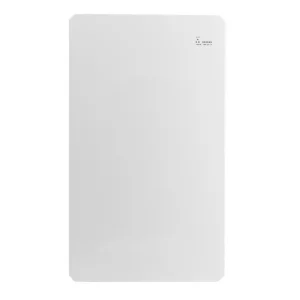
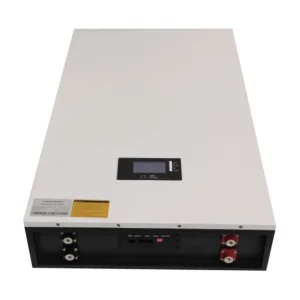
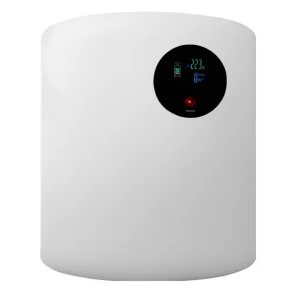
Our battery enclosures are made from powder-coated galvannealed steel rated at IP67/NEMA 4X. They feature robust anchor points tested to secure the units during high-wind events, protecting the interior LiFePO4 battery modules from storm conditions.
Yes. Our CdTe BIPV solar glass functions as building glazing, meeting safety requirements for thermal insulation, soundproofing, and wind load resistance while generating electricity from vertical facade surfaces.
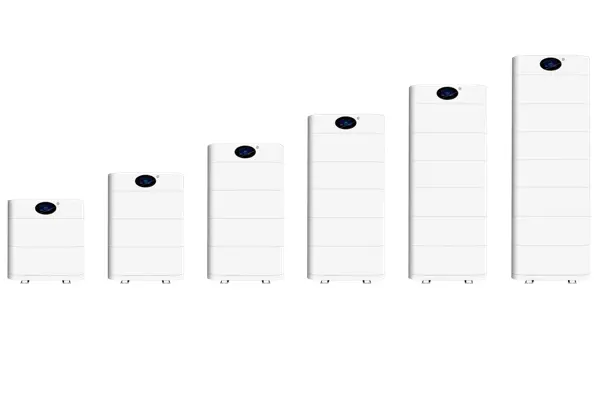
The high-voltage stackable design allows system capacities to scale from 10kWh up to 100kWh+ by stacking battery modules. High-voltage configurations reduce distribution current losses, improve round-trip efficiency, and integrate easily with hybrid off-grid inverters.
Our BIPV solar glass modules are designed for a service life of over 25 years. They are backed by a linear power output warranty guaranteeing at least 80% generation efficiency by year 25, matching the operational lifespan of standard building facade materials.
All production batches undergo strict testing at our factory in Xiamen, China. This includes visual inspections, flash tests, high-pot isolation checks, and thermal imaging to ensure all products comply with IEC 61215, IEC 61730, and UL standards before export.
Stay updated with our latest technical guides and analysis on solar PV engineering and energy storage.
Jul 07, 2023
Nov 26, 2023
Nov 10, 2023





 Elemro Energy