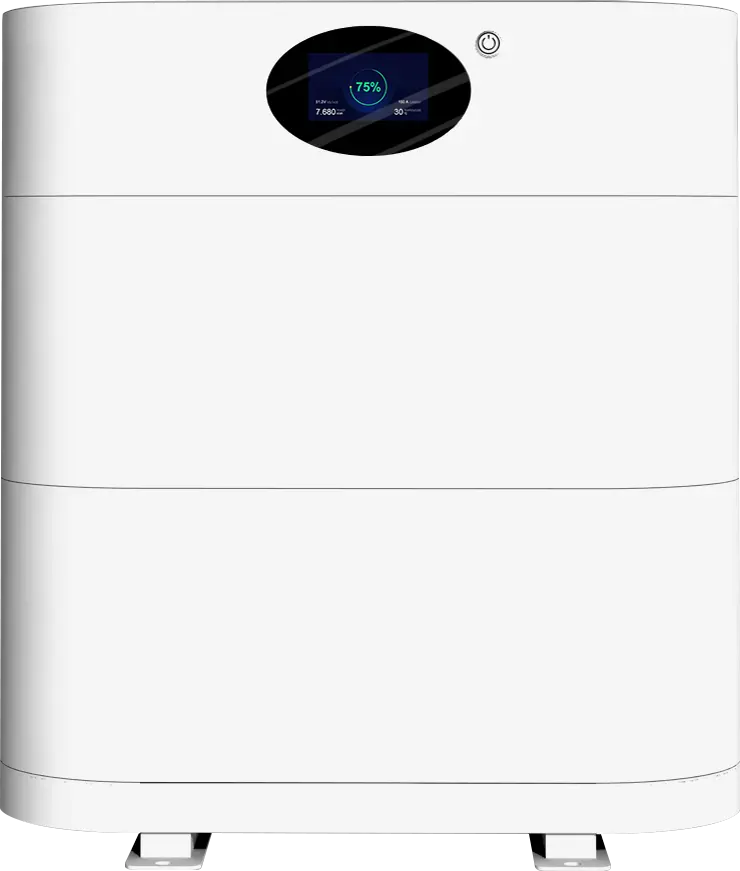
Precision Engineered Photovoltaic Systems & Storage Tailored for Marine Industrial Applications
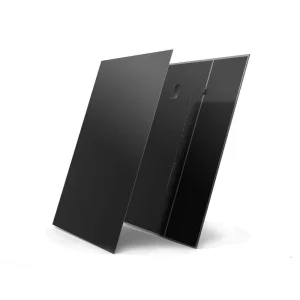
Busan, as the fifth busiest container port in the world and South Korea's primary logistics hub, stands at a unique technological crossroads. The municipal government's ambitious commitments under the "Busan Green Smart City" initiative have forced a rapid industrial transformation. In coastal zones where typhoons, salt-spray corrosion, and highly fluctuating microclimates are standard, conventional solar installations fail to meet long-term efficiency parameters. This harsh environment has triggered a significant shift in procurement: Maritime-Grade PV Glass Panels are now the benchmark standard.
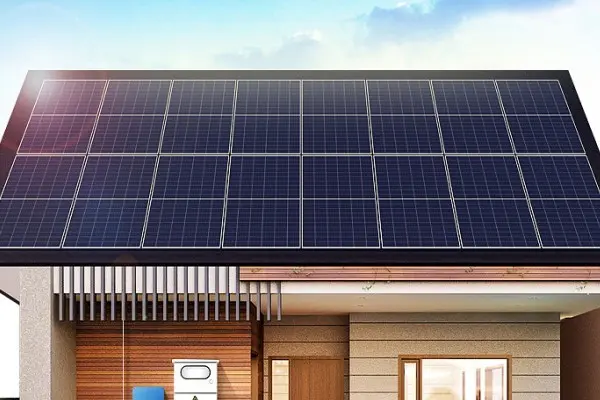
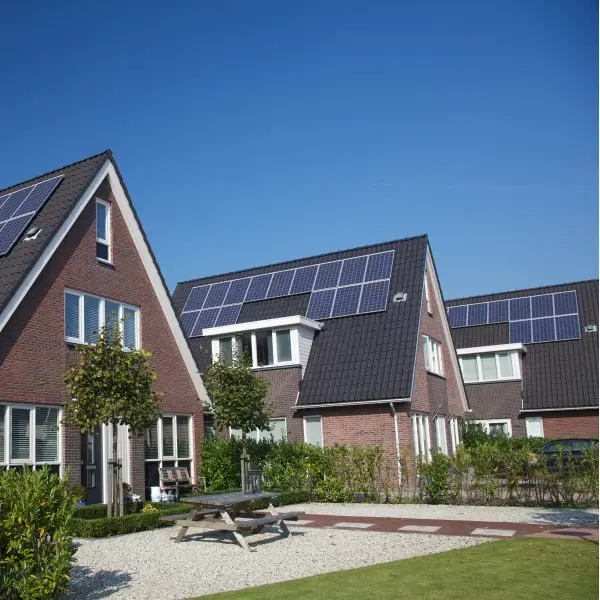
Local industrial zones, including the Noksan Industrial Complex and the Busan Science and Technology Park, are aggressively deploying Building-Integrated Photovoltaics (BIPV). By replacing standard exterior building envelopes with power-generating Cadmium Telluride (CdTe) thin-film solar glass, Busan-based enterprises are capitalizing on vertical solar capture. The high albedo of water surfaces adjacent to major marine terminals additionally boosts light absorption for dual-glass bifacial panels, generating an average 18% energy yield increment compared to inland regions.
"Procurement managers sourcing for projects in East Asia must account for severe environmental stress. High salt fog resistance (IEC 61701 certified) and high mechanical load tolerances (up to 5400Pa) are not optional options for Busan coastal deployments—they are the foundational parameters for system longevity."
Global developers sourcing PV glass through South Korean hubs like Busan prioritize high-performance specs that guarantee project bankability. Key factors include the optical transmittance of the glass substrate. Modern glass factories employ low-iron float glass with an iron content of less than 100 ppm, yielding a light transmittance exceeding 91.5%. When paired with advanced Anti-Reflective (AR) coatings, surface reflection is mitigated by up to 85%, ensuring that the maximum percentage of solar irradiance reaches the active CdTe or crystalline silicon junctions beneath.
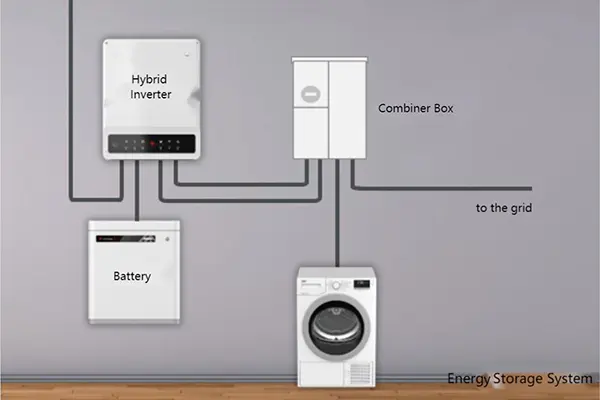
Furthermore, standardizing dimensions and mechanical tolerances is vital. Precision tempering processes must yield high surface compressive stress (greater than 90 MPa) to resist hail impact and micro-cracking during shipping and installation. The integration of PV glass panels with intelligent Energy Storage Systems (ESS) has become the core architecture for modern microgrids, allowing commercial operators to avoid peak-demand tariffs and stabilize voltage levels within urban factory grids.
We provide cleaner energy for a greener world.

Established in 2019, headquartered in Xiamen, China, Elemro Energy has been specialized in new energy storage and electrical product solutions with rich experience. It is the market leader in the new energy industry that unifies R&D, production, and sales. The products have been sold to more than 250 customers in Europe, Southeast Asia, Africa, Mid-east, America, etc. Since its establishment, ELEMRO’s revenue has been growing rapidly every year. ELEMRO’s annual turnover is expected to exceed 50 millions USD in year 2023.
Our commitment to sustainable engineering is proven by global performance data
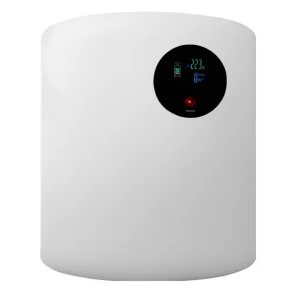
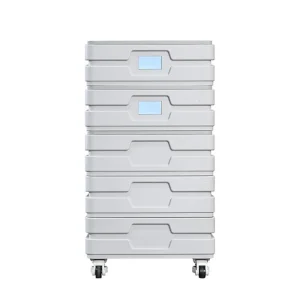
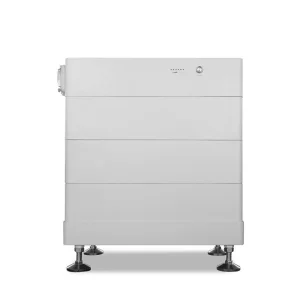
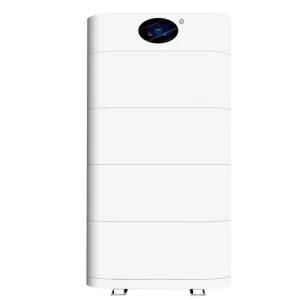
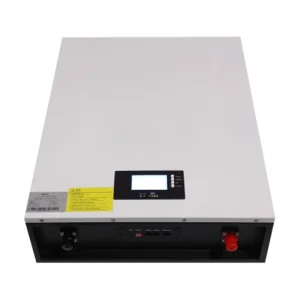
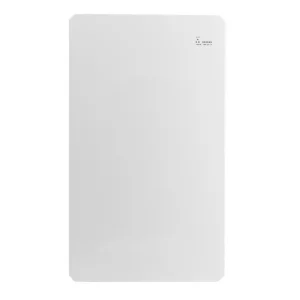
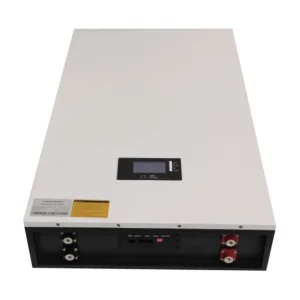
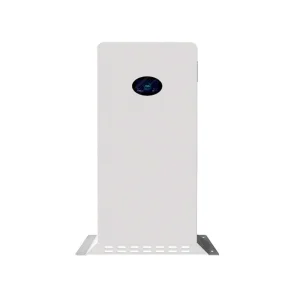
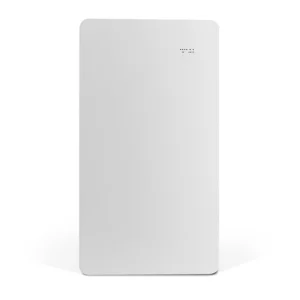
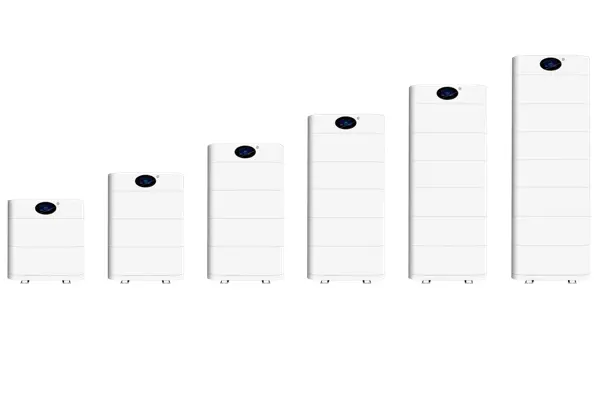
Unlocking the maximum value of photovoltaic glass installations requires a system-level approach. Solar generation is inherently intermittent; hence, the fusion of High-Voltage Lithium Battery Energy Storage Systems (BESS) with industrial BIPV is the primary macro solution for grid neutrality. In Busan’s commercial ports and manufacturing estates, integrating battery stacks allows facilities to store surplus daytime power generated from facade panels and discharge it during peak grid pricing windows.
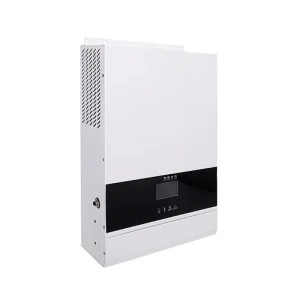
This macro solution relies on high-efficiency solar system power inverters that manage bidirectionally. By matching CdTe thin-film arrays with stackable high-capacity LiFePO4 batteries, commercial operators reduce their Levelized Cost of Energy (LCOE) while providing critical grid-ancillary services such as frequency response and peak shaving.
The global PV glass landscape is evolving rapidly from simple protective materials to complex functional substrates. The industry roadmap identifies three primary focus zones:
All high-performance components procured for international industrial applications must meet stringent global standards. This includes CE, IEC 61215, IEC 61730, and local certifications such as South Korea’s KS (Korean Standard) verification. With regional support networks and global manufacturing logistics, enterprise buyers are guaranteed reliable, compliant, and highly secure energy technologies.
Comprehensive Energy Storage and Photovoltaic Solutions Engineered for Global Quality Standards
Stay up-to-date with industrial reports and technological advancements
Critical facts and technical guidance for engineers and supply chain professionals




 Elemro Energy