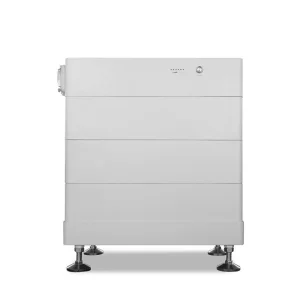
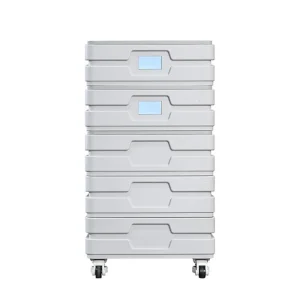
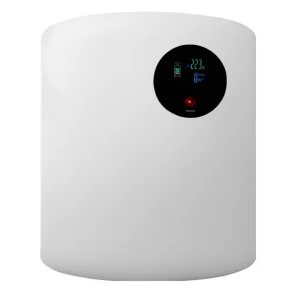
Advanced commercial, industrial, and residential storage solutions pre-engineered to match local grid dynamics, temperature challenges, and regional solar infrastructure.
As Israel targets over 30% of its electricity generation from renewable sources by 2030, the demands placed upon the local utility grid have dramatically accelerated. This growth has triggered a critical need for large-scale and decentralized Battery Energy Storage Systems (BESS). The transition from fossil-fueled centralized plants in coastal regions to massive solar installations in the southern Negev and Arava deserts has strained grid transmission lines, making grid stabilization, peak shaving, and load shifting paramount.
Commercial & Industrial (C&I) enterprises in Tel Aviv, Haifa, Beer Sheva, and adjacent high-tech industrial zones face rising electricity tariffs and localized grid constraints. By deploying high-capacity LiFePO4 batteries, commercial facilities can bypass regional transmission bottlenecks, avoid peak utility charges under the local Taanuz (Time-of-Use) billing scheme, and guarantee 24/7 business continuity during critical grid events.
We provide cleaner energy for a greener world through advanced battery technology.

Specialized high-transmission solar glass designed to withstand extreme thermal conditions while optimizing PV panel efficiency.
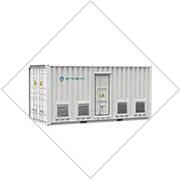
Utility-grade modular outdoor battery containers featuring integrated HVAC, aerosol fire-suppression systems, and BMS controllers.
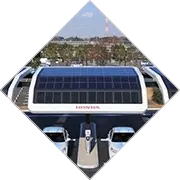
Dual-purpose commercial parking structures combining overhead clean solar generation with localized EV charging storage hubs.
Compliant with all local SII regulations and international battery safety standards.
Dedicated regional support channel for systems integrators and engineering contractors in Israel.
Direct delivery options to Ashdod and Haifa Ports with streamlined custom clearance pathways.
Connecting utility-grade or residential BESS to the Israel Electric Corporation (IEC) infrastructure requires strict compliance with domestic safety rules and standardizations. The Standards Institution of Israel (SII) enforces rigorous protocols for lithium-ion battery assemblies, covering high-temperature behavior, emergency discharge performance, and chemical protection.
Our entire product lineup is designed to meet or exceed these local benchmarks. By choosing pre-certified battery designs, EPC (Engineering, Procurement, and Construction) companies and project planners can accelerate local approval workflows, minimize planning risk, and achieve faster grid connection times.
Established in 2019 and headquartered in the high-tech hub of Xiamen, China, Elemro Energy is an industry-leading provider of advanced battery storage and electrical solutions. Our operations bring together internal R&D, ISO-certified manufacturing, and global commercialization under one roof. Our portfolio serves over 250 enterprise clients across Europe, Southeast Asia, Africa, the Middle East, and the Americas.
With an annual turnover surpassing 50 million USD, Elemro Energy is committed to building high-density, reliable LiFePO4 battery modules. Our focus on thermal safety, battery management system (BMS) intelligence, and simple local integration makes our storage solutions popular with utility partners and commercial installers worldwide.
Combining Xiamen's manufacturing efficiency with reliable local service channels in Israel to deliver cost-effective and dependable BESS projects.
Our factory-direct model cuts out middleman markups, giving our project developers and EPC partners in Israel clear pricing advantages.
We build our modules using high-grade Lithium Iron Phosphate (LiFePO4) cells. These provide long cycle lives and deep thermal safety limits.
Every battery rack undergoes comprehensive load testing, insulation audits, and BMS calibration before leaving our factory floor.
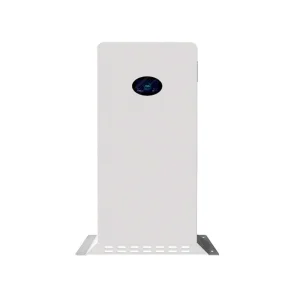
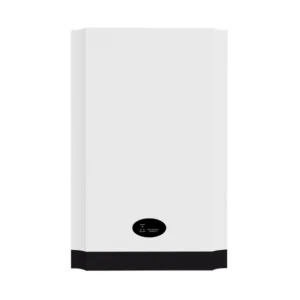
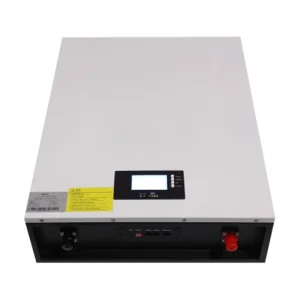
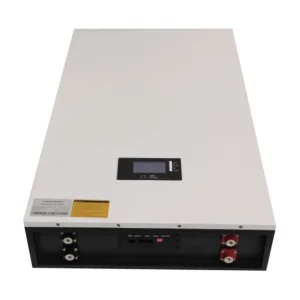
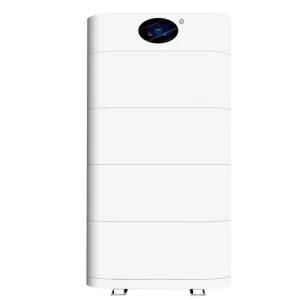
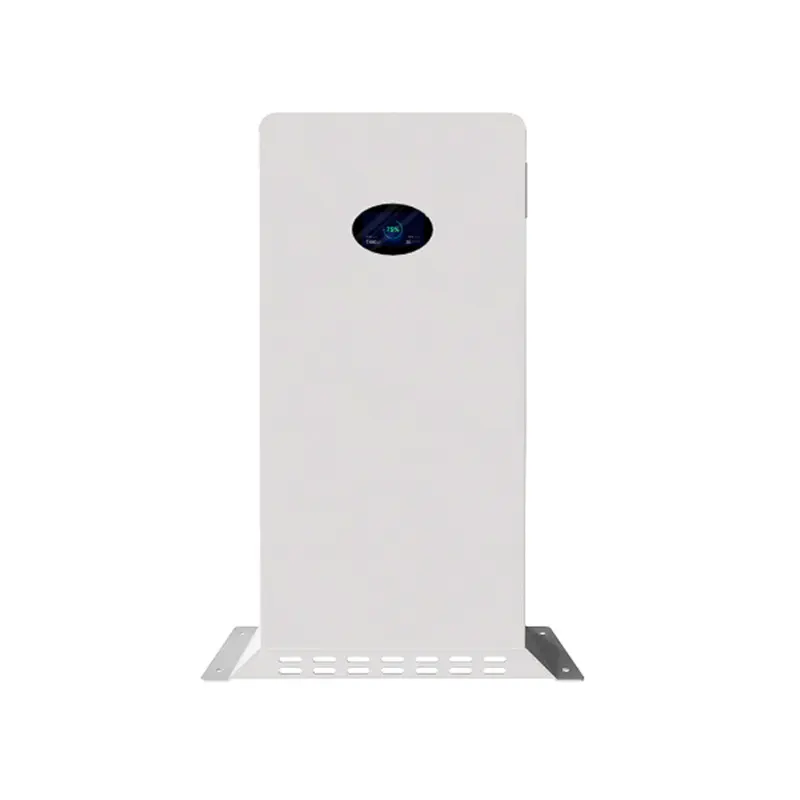
Explore our certified LiFePO4 battery solutions, wall-mounted modules, and high-voltage stacked systems configured for local installations.
Our systems are designed to operate reliably under regional grid demands, from coastal environments to high-temperature desert locations.
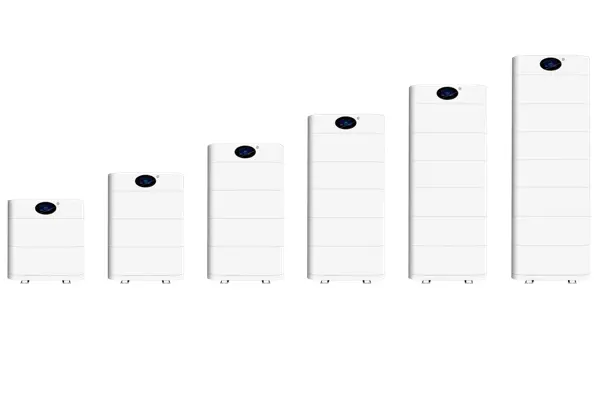
In Israel, industrial facilities face premium peak rates during times of high grid strain. By deploying stacked high-voltage battery banks, businesses can charge their systems during off-peak hours and discharge during high-tariff periods. This load-management strategy helps cut commercial utility bills while stabilizing the local grid infrastructure.
Agricultural operations and kibbutzim in southern regions often run localized microgrids. These networks rely on rooftop solar power during the day and battery arrays at night. Our modular containerized energy storage units act as stabilizers, balancing generation spikes and ensuring reliable power quality for machinery and processing centers.
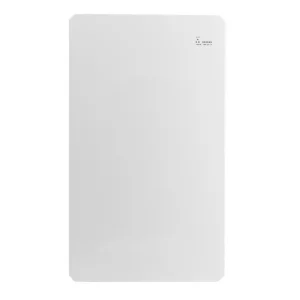
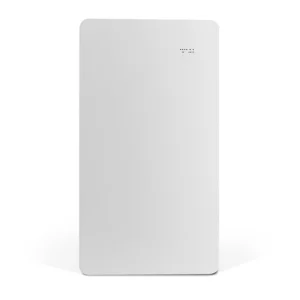
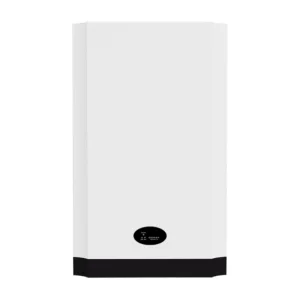
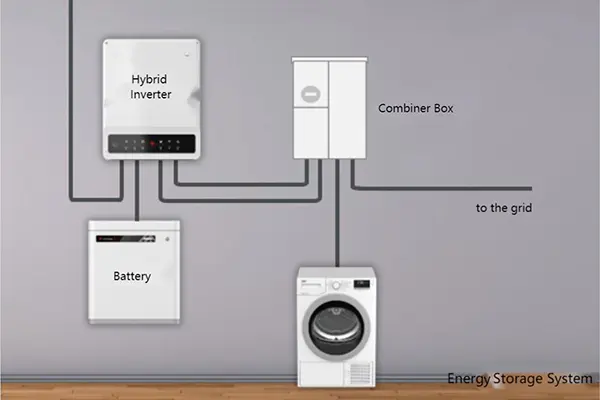
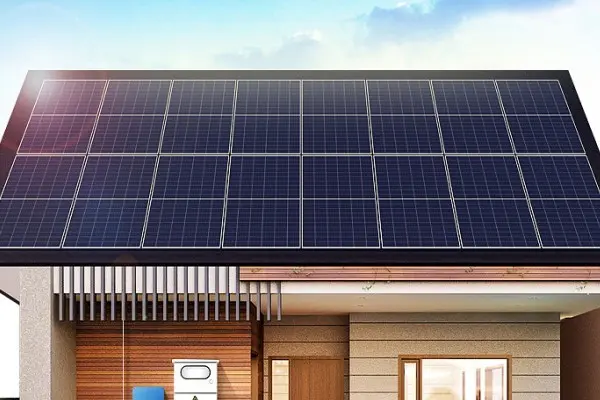
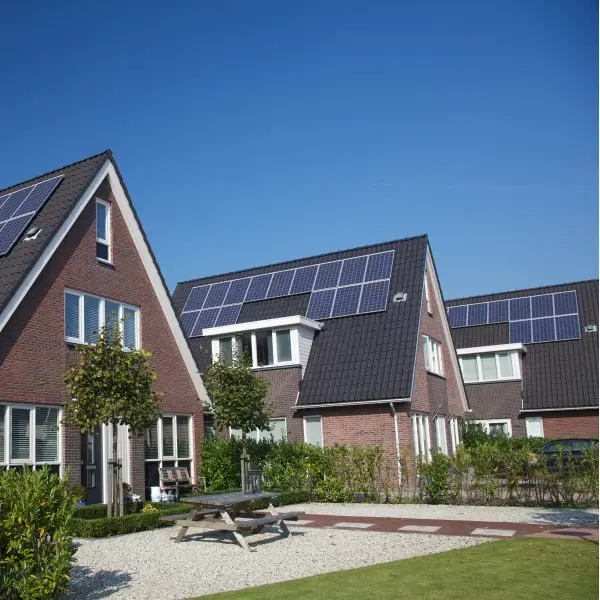
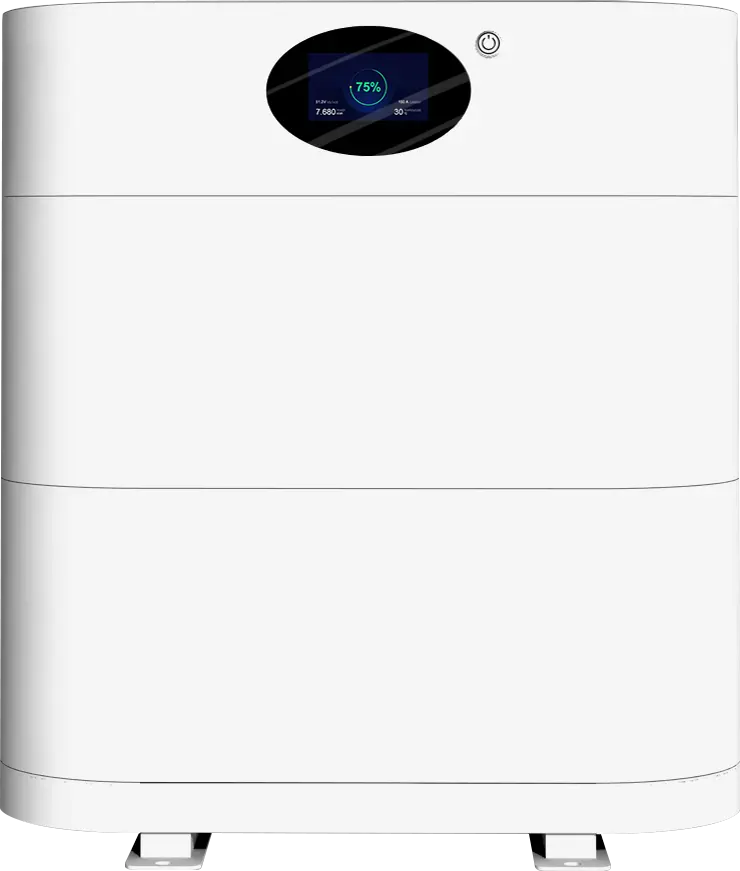
For homes and residential complexes, our wall-mounted and stackable low-voltage storage batteries integrate directly with residential solar systems. These setups store excess daytime generation to provide quiet, automatic backup power during local grid outages or emergencies, bypassing the noise and emissions of traditional diesel generators.
Stay informed with our engineering analyses, industry trends, and product development updates.
Find answers to common questions about installing and operating our energy storage systems in Israel.
Yes. Our systems comply with key international standards like IEC 62619, CE, and UN38.3. They are designed to meet local Standards Institution of Israel (SII) safety criteria and align with grid connection protocols set by the Israel Electric Corporation (IEC).
Our outdoor container systems and high-voltage rack setups feature active liquid or air thermal management (HVAC). This keeps internal cell temperatures within their optimal window, protecting cycle life even when ambient desert temperatures reach 50°C.
Absolutely. The integrated Battery Management System (BMS) supports automated peak-shaving routines. It charges the battery bank during lower-cost off-peak hours and discharges it during peak times, lowering overall commercial electricity costs.
Standard ocean freight from our Xiamen facilities to Ashdod or Haifa ports usually takes 25 to 35 days. We also offer expedited customs preparation and support for marine shipping insurance to ensure safe delivery.
Our systems support CAN/RS485 communications and work with most major utility, commercial, and hybrid inverters, including SolarEdge, SMA, Sungrow, Growatt, and GoodWe.




 Elemro Energy