Deploy high-performance battery systems optimized for urban grids, smart buildings, and critical industrial estates.
As the economic heart of Malaysia, Kuala Lumpur and the wider Klang Valley region are undergoing a profound energy transition. Propelled by the **National Energy Transition Roadmap (NETR)** and Malaysia's pledge to reach net-zero greenhouse gas emissions by 2050, commercial, industrial, and residential sectors are rapidly modernizing their power infrastructures. However, urban grids face unique challenges: high peak demands, rapid commercial urbanization, and the integration of volatile solar photovoltaic (PV) generation.
Energy Storage Systems (ESS) are the cornerstone of this transition. By capturing surplus power during periods of low usage and discharging it during peak demand hours, modern ESS lithium-ion batteries act as stabilizing shock absorbers for the Tenaga Nasional Berhad (TNB) power distribution network. For local industries, this translates directly to reduced operational costs, mitigation of the Imbalance Cost Pass-Through (ICPT) surcharge, and continuous uptime during transient grid outages.
Kuala Lumpur's metropolitan environment is characterized by dense commercial developments, high-rise office towers (such as those in KLCC, Tun Razak Exchange, and KL Sentral), and vast logistics and manufacturing corridors in surrounding Selangor. These facilities require extremely reliable power quality. A voltage sag of even milliseconds can disrupt precision equipment, damage critical servers, and interrupt corporate operations.
Furthermore, under the TNB commercial electricity tariff structures, peak demand charges account for a significant portion of monthly utility bills. Industrial developers are deploying ESS solutions to implement **peak shaving** strategies. By utilizing local ESS battery configurations, facilities can draw stored clean energy during peak tariff windows, flattening their consumption profile and dramatically lowering demand charges.
Based on current local deployments across logistics nodes, commercial office integration, and industrial microgrids in West Malaysia.
How high-capacity utility-scale energy storage systems resolve global resource limits and local grid bottlenecks.
Globally, energy networks are migrating from centralized models to decentralized microgrids. Energy Storage Systems serving Kuala Lumpur enable the construction of Virtual Power Plants (VPPs). These networks consolidate scattered commercial battery banks, discharging coordinated power back into the grid to balance supply-demand fluctuations dynamically.
Solar radiation in Malaysia is abundant but subject to sudden cloud interruptions. An integrated ESS mitigates PV intermittency, ensuring smooth output ramps. By storing surplus daytime energy, local companies achieve 24/7 solar consumption, driving down reliance on carbon-heavy baseload grid power.
Tropical climates require robust battery management systems (BMS). High-quality ESS modules utilize advanced cell spacing, heat sink designs, and cooling circuits to prevent thermal runaway. This is essential for safety and battery health under Malaysia's year-round hot weather conditions.
Deploying energy storage solutions in Kuala Lumpur requires adherence to local electrical and safety frameworks. Failure to comply can result in delayed grid interconnection, high structural liabilities, and insurance invalidation. Our ESS systems are certified to meet Malaysia's rigorous regulatory standards:
Under the Sustainable Energy Development Authority's (SEDA) Net Energy Metering (NEM) 3.0 program, the commercial and industrial sector (NOVA) can export excess solar generation to the TNB grid. However, the export tariff is typically lower than the import rate. This pricing mismatch makes direct self-consumption far more profitable.
By implementing an **Elemro ESS configuration**, local facilities can retain their surplus solar power in-house instead of selling it back to the grid at lower rates. When solar production drops or when peak demand charges apply, the facility uses the stored battery power. This directly displaces expensive grid imports, maximizing the return on investment for solar installations in the Klang Valley region.
"For a typical manufacturer in Shah Alam or Cheras, pairing a 500kWp solar array with a 1MWh LFP battery system reduces payback periods by 2.5 years compared to standalone solar PV setups."
Tailored storage solutions designed for Kuala Lumpur's primary commercial and industrial sectors.
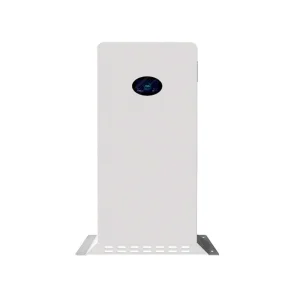
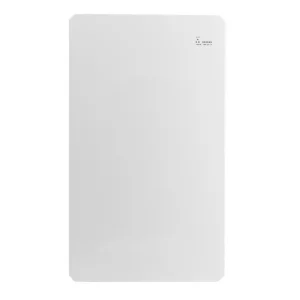
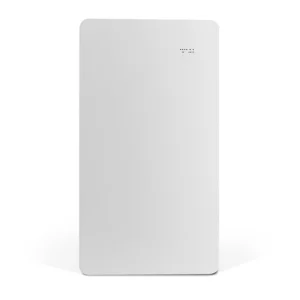
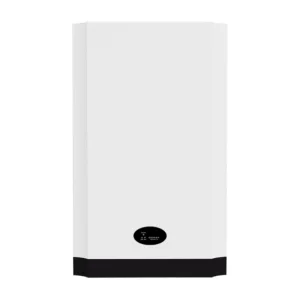
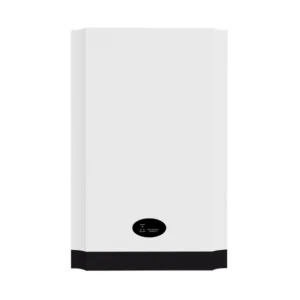
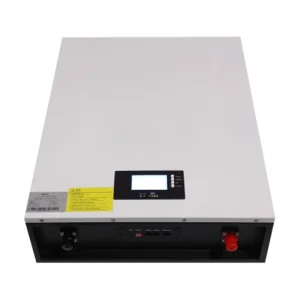
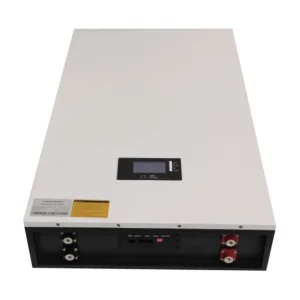
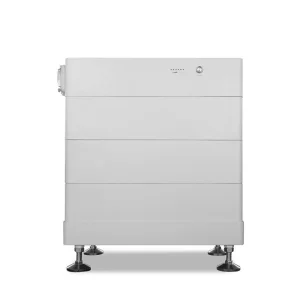
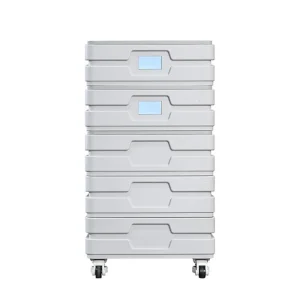
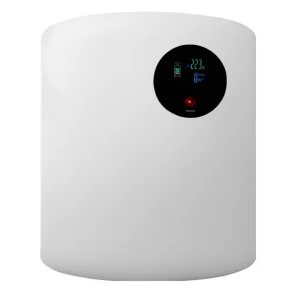
In highly developed urban zones like Bukit Bintang, KLCC, and Mont Kiara, physical space is limited. Elemro’s modular, wall-mounted, and high-voltage stacked battery racks fit within standard utility rooms. They provide backup power for critical building infrastructure, elevators, and security systems, while shaving afternoon air conditioning load peaks.
From the industrial corridors of Shah Alam to Port Klang, manufacturing processes demand high quality power. Sudden voltage fluctuations can disrupt assembly lines. High-capacity containerized energy storage units act as a buffer, filtering out grid transients and providing uninterruptible backup during localized blackouts.
As electric vehicle (EV) adoption rises in Kuala Lumpur, malls and commercial buildings are facing increased charging demands. Integrated solar carports paired with high-voltage ESS store clean solar energy during the day and support high-speed EV chargers without overloading the local distribution grid.
Connect with our technical engineers in Kuala Lumpur today for a customized energy storage assessment. We offer complete system design, local regulatory compliance support, and long-term performance guarantees.
Send Inquiry NowNot all lithium-ion chemistries are suitable for utility-scale energy storage in tropical climates. Cobalt-based lithium chemistries (such as NMC) are susceptible to thermal runaway at elevated ambient temperatures. Elemro Energy uses Lithium Iron Phosphate (LiFePO4 or LFP) as the primary cell chemistry across our entire product portfolio.
LiFePO4 offers distinct advantages for applications in the Klang Valley:
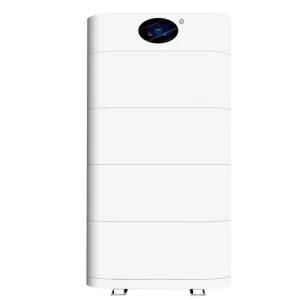
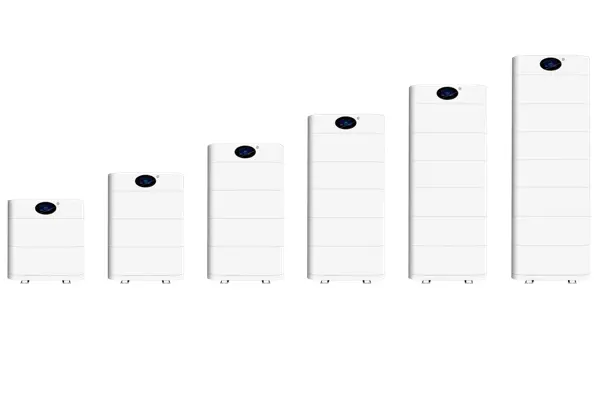
Our technology roadmap addresses both small-scale residential setups and large commercial projects. High-voltage stacked energy storage systems allow users to expand capacity incrementally. By connecting modules in series, system voltage increases to reduce conversion losses in the inverter stage, improving round-trip efficiency (RTE).
For larger commercial installations, Elemro’s pre-engineered Energy Storage Containers provide outdoor-rated solutions with integrated HVAC thermal management, fire detection, aerosol suppression, and double-insulated steel housing. This approach minimizes site installation times and keeps commissioning costs low.
Cell Chemistry: Lithium Iron Phosphate (LiFePO4)
Nominal Voltages: 48V Low Voltage up to 750V Stacked High Voltage
BMS Protections: Overvoltage, Overcurrent, Cell Balancing, Under-voltage, Short Circuit, and Temperature sensors per module
Cooling: Smart Forced-Air Cooling / Optional Liquid Cooling for dense industrial grids
Communications: CANbus, RS485, Modbus TCP/IP for local energy management system (EMS) integration
Established in 2019 and headquartered in Xiamen, China, Elemro Energy specializes in advanced energy storage and electrical product solutions. Combining R&D, manufacturing, and distribution, we serve over 250 customers across Europe, Southeast Asia, Africa, the Middle East, and the Americas.
Our annual turnover is projected to grow rapidly, reflecting our focus on quality control, robust supply chains, and customer support. In Kuala Lumpur, we work alongside local engineering partners, contractors, and project developers to deliver turn-key solutions tailored to the Malaysian context.

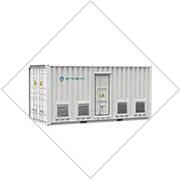
Select from our certified range of lithium energy storage equipment optimized for Malaysian grids.
Access technical briefs and industry updates from ELEMRO Energy's engineering team.
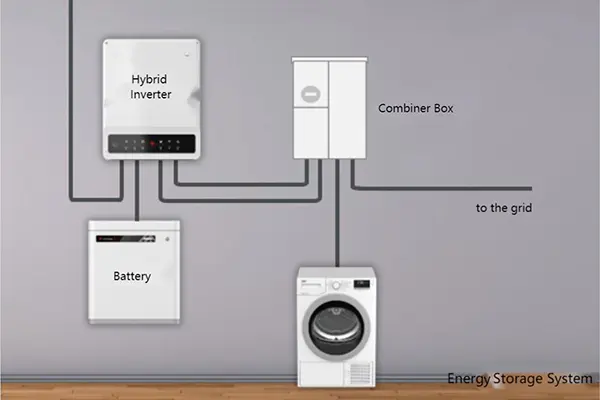
An evaluation of hybrid and off-grid inverter designs for high-humidity climates.
Comparing LFP and NMC safety profiles for commercial properties.
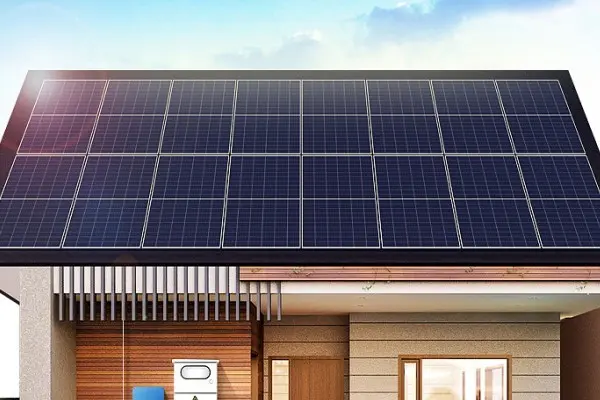
Best practices for integrating energy storage within commercial structures.
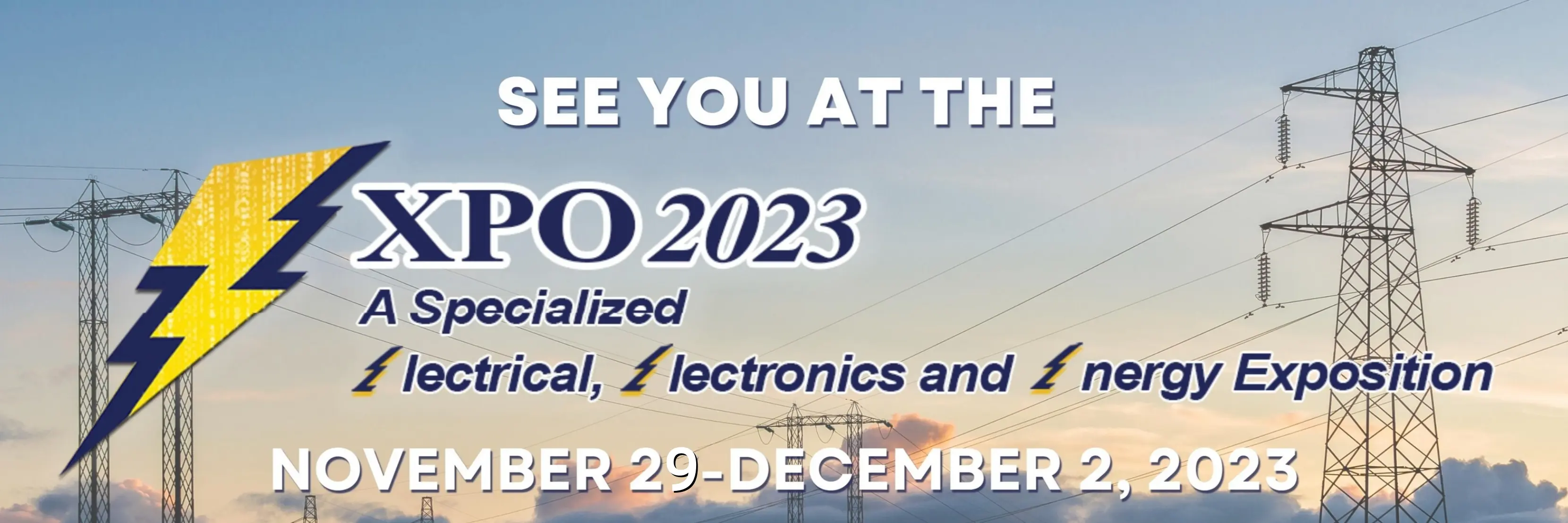
Connecting with key industry partners and showing new energy products in Southeast Asia.
Technical answers addressing local standards, investment returns, and battery safety.
The payback period for a commercial and industrial (C&I) ESS typically ranges between 4 to 6 years, depending on your energy consumption profile, the specific TNB tariff rate (such as Tariff C1 or C2), and current ICPT surcharges. When combined with onsite solar PV systems, return on investment is optimized by shifting load away from peak tariff windows.
High ambient temperatures can accelerate capacity degradation in lithium batteries. Our systems address this with advanced thermal management, using active cooling and temperature monitoring to keep cell temperatures within the optimal 20°C to 30°C range. Choosing LiFePO4 over NMC chemistries also reduces the risk of thermal runaway.
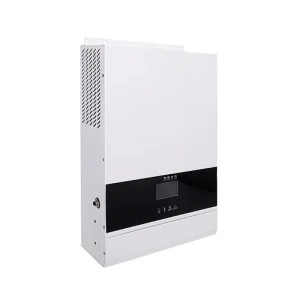
Yes. Our battery management systems support multiple communication protocols (including CANbus, RS485, and Modbus TCP/IP) and are designed to integrate with leading international hybrid inverter brands. This compatibility enables straightforward commissioning and simplifies retrofits for existing solar PV arrays.
Connecting a system to the TNB grid requires a generation license or registration from the Suruhanjaya Tenaga (Energy Commission). The equipment must also comply with safety codes (such as IEC 62619) and pass structural inspections by Jabatan Bomba dan Penyelamat Malaysia to verify adequate ventilation and fire suppression systems.
Our lithium energy storage solutions come with a standard 5-to-10 year performance warranty, depending on the system configuration and usage conditions. We guarantee that the batteries will retain at least 70% to 80% of their nominal capacity during the warranty period, supported by local field engineers.




Request custom system diagrams, technical data sheets, and pricing estimates for your project in Kuala Lumpur or the wider Southeast Asian region.
 Elemro Energy