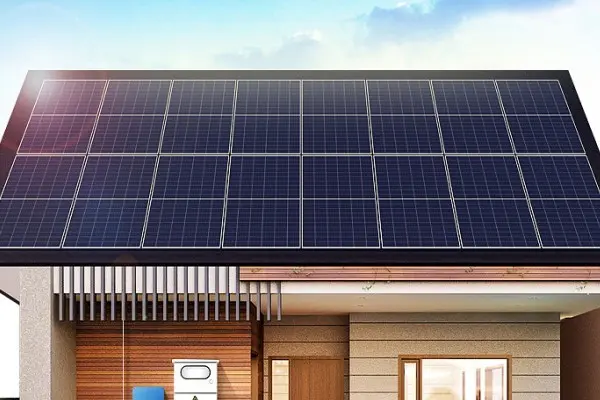
Premium High-Performance Solar Battery Solutions for Cold Climates & Distributed Power Grids
Established in 2019 and headquartered in Xiamen, China, ELEMRO Energy has emerged as a specialized global provider of advanced new energy storage technologies and tailored electrical products. As a market leader unifying R&D, mass production, and sales, ELEMRO offers integrated hardware and software solutions developed to satisfy the most demanding international grid integration standards.
With our revenue showing robust year-on-year growth and an annual turnover exceeding 50 million USD, we have delivered reliable energy storage systems to more than 250 enterprise clients spanning Europe, North America, Southeast Asia, Africa, and the Middle East. Our expanding footprint in Canada supports local transition goals with certified, cold-resilient energy storage systems (ESS).

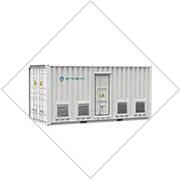
Advanced Technologies Configured to Reshape Grid Stability and Renewable Autonomy
Deploying high-density Lithium Iron Phosphate (LiFePO4) cell chemistry optimized with smart BMS algorithms. Our systems deliver thermal monitoring, cell balancing, and deep protection parameters configured for commercial platforms.
Reduce utility costs significantly across high-demand Canadian provinces. ELEMRO's automated control loops discharge stored energy during peak tariff rate bands, delivering immediate return on investment for manufacturing sites.
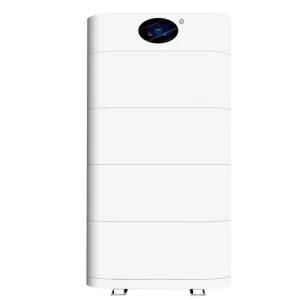
Replacing diesel generator dependence across northern territories and off-grid setups. Combining CdTe photovoltaic thin films, energy storage containers, and customized inverters ensures continuous local microgrid stability.
An In-Depth Technological and Commercial Whitepaper on Industrial and Residential Decarbonization
Canada is undergoing a profound energy transition, driven by net-zero emission commitments by 2050, carbon taxation pathways, and the modernization of electrical grids across all provinces. The country's power network exhibits vast structural diversities: Quebec and British Columbia rely heavily on hydroelectric systems, whereas provinces like Alberta, Saskatchewan, and Nova Scotia are rapidly replacing fossil-fueled generation with volatile wind and solar assets.
To manage grid stability, reduce curtailment, and balance variable power generation, utility-scale, commercial, and industrial (C&I), and residential energy storage systems (ESS) are vital. However, deployment within Canada introduces harsh challenges:
For industrial and domestic operations in Canada, choosing the correct electrochemical system is crucial. Standard chemistries like Lithium Nickel Manganese Cobalt Oxide (NMC) and Lithium Iron Phosphate (LiFePO4) offer distinct operational benefits:
Favored for stationary ESS applications. Offers exceptional safety due to thermal runaway points exceeding 270°C, high chemical stability, and long cycle lives (>6000 cycles at 80% DoD). LiFePO4 cells are cobalt-free, reducing supply chain risks and environmental concerns. Under sub-zero temperatures, they require active thermal management (internal heaters) to avoid cathode degradation.
Provides superior volumetric energy densities, making them common in space-restricted electric vehicle (EV) applications. However, their lower thermal runaway threshold (around 210°C) presents heightened safety requirements. The high material costs of Cobalt and Nickel also make NMC less cost-competitive for large, stationary energy storage assets.
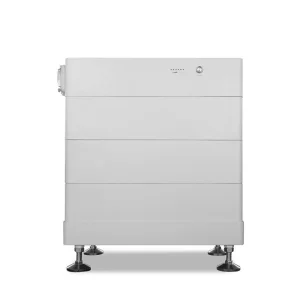
We integrate advanced, low-voltage heating blankets and intelligent cooling loops directly into our ESS cabinets. Combined with our proprietary Battery Management System (BMS), the cells are maintained within a 15°C to 35°C temperature window, ensuring peak performance and preventing damage even when ambient outdoor temperatures fall below -30°C.
China remains the heart of the global energy storage supply chain, refining over 60% of key lithium reserves and accounting for upwards of 75% of worldwide battery cell manufacturing capacity. Working directly with Chinese OEM/ODM manufacturers like ELEMRO offers significant strategic benefits to Canadian project integrators, developers, and distributors:
Canadian grid operator structures dictate the economics of local ESS deployments:
Large industrial consumers in Ontario can reduce their Global Adjustment (GA) charges through the Industrial Conservation Initiative (ICI). By using ELEMRO's large-scale ESS to discharge power during the top five grid peak hours, facilities can cut their utility bills by up to 50%.
In regions like the Yukon, Northwest Territories, and Northern Ontario, remote extraction sites rely on diesel generators. By combining ELEMRO containerized LFP batteries with wind or solar arrays, companies can offset diesel usage, lower transport logistics, and secure a reliable power supply.
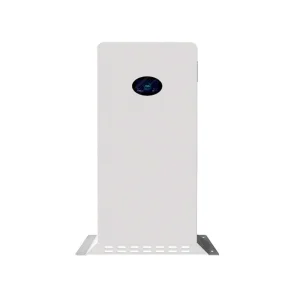
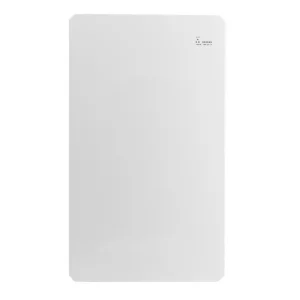
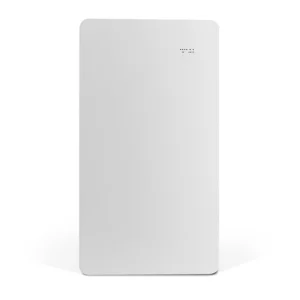
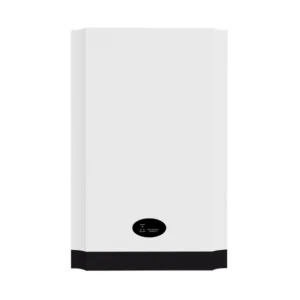
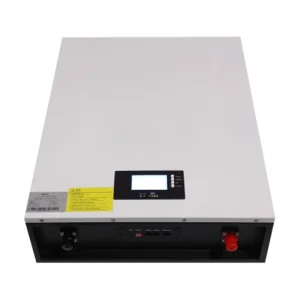
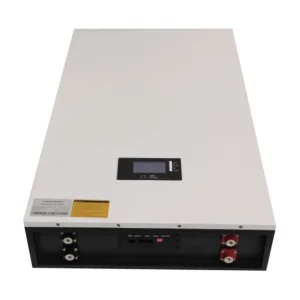
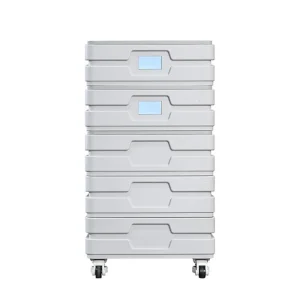
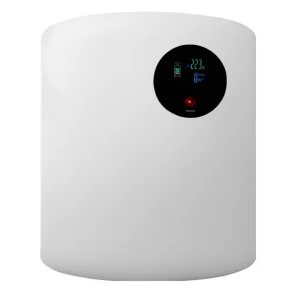
Additionally, net-metering structures across Alberta, British Columbia, and Nova Scotia make residential battery storage increasingly attractive. Installing systems like the ELEMRO SHELL 14.3kWh or 10.2kWh offers homeowners black-out protection, maximizes self-consumption of clean solar energy, and mitigates rising municipal electric rates.
Engineered for Maximum Duty Cycles, Scalable Voltages, and Reliable Backup Power
Essential Regulatory, Technical, and Sourcing Insights for Engineers & Procurement Directors
Stay updated on renewable technology trends, technical deep-dives, and international expos.


Need custom sizing, local certification documentation, or bulk wholesale pricing? Our engineering team responds within 24 hours.
Send Inquiry Now Elemro Energy