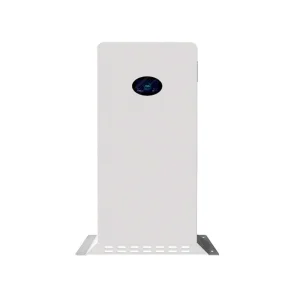
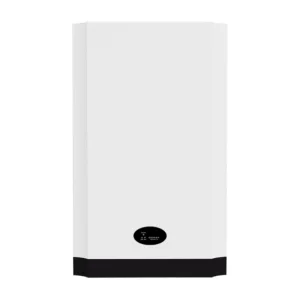
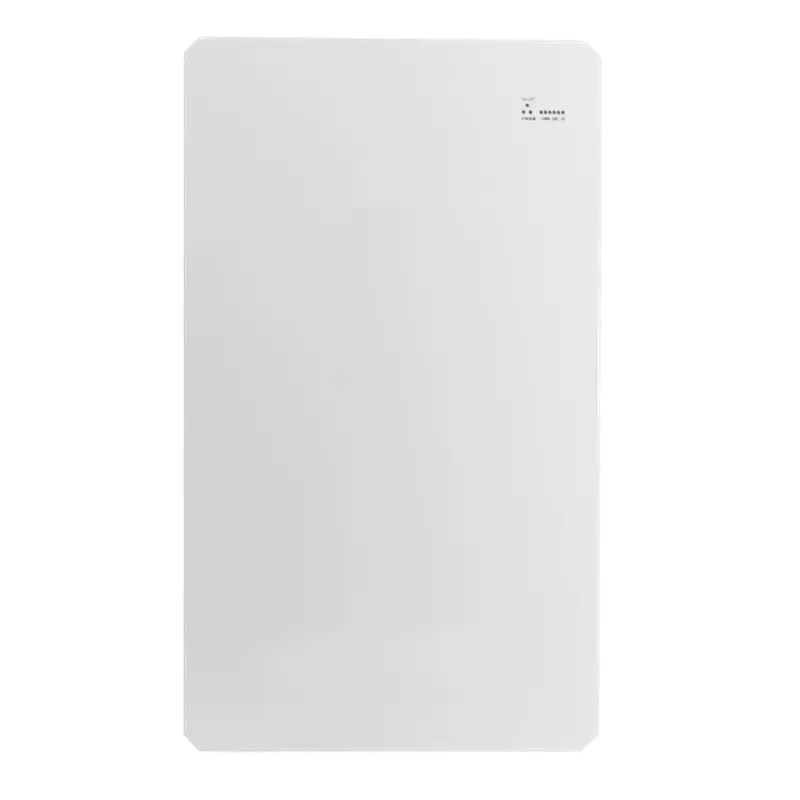
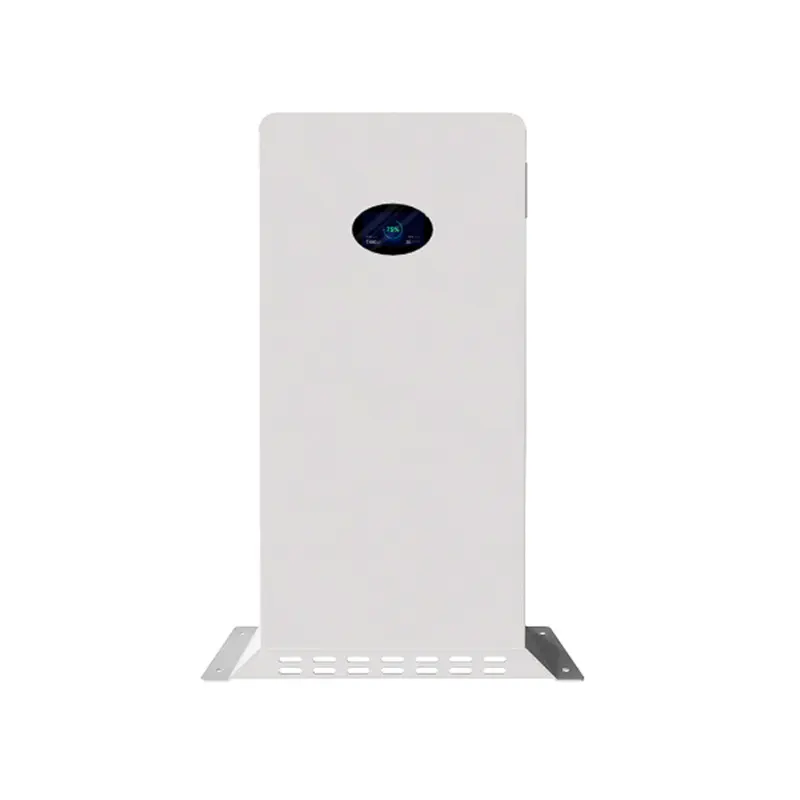
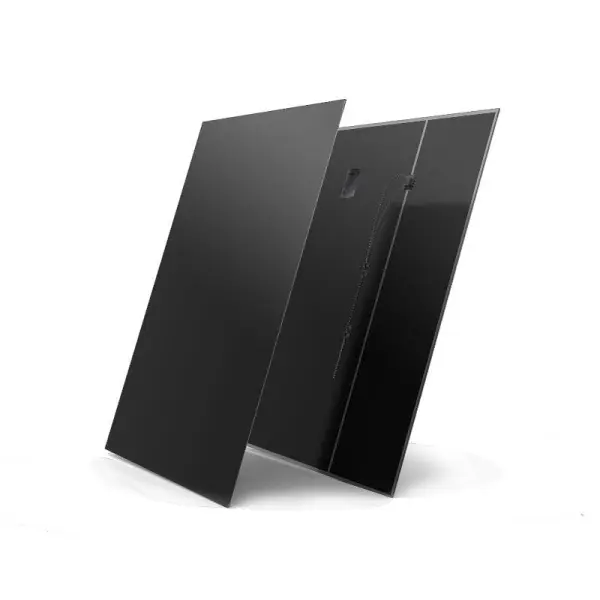
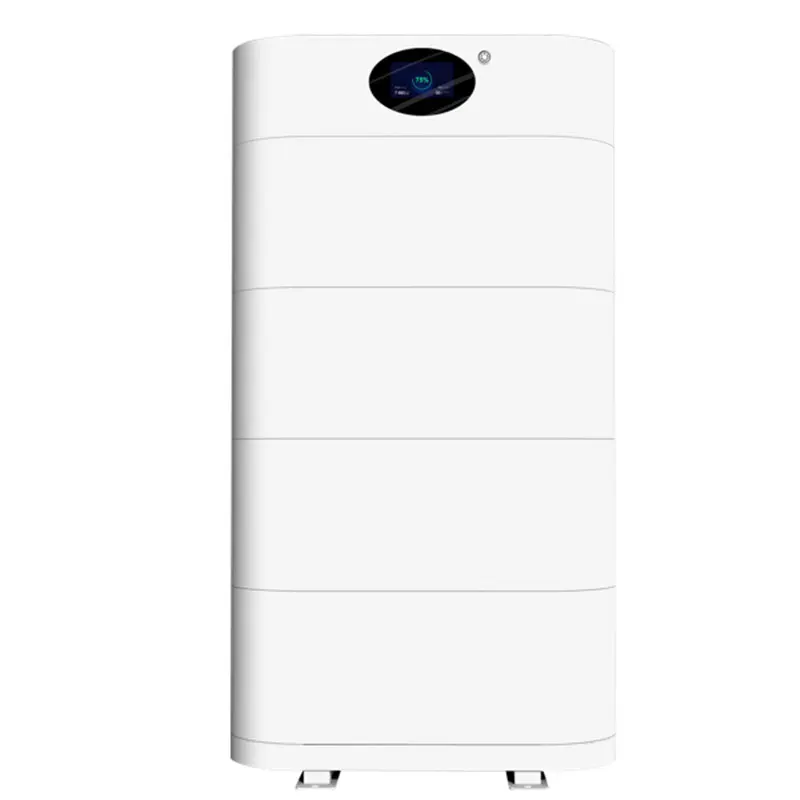
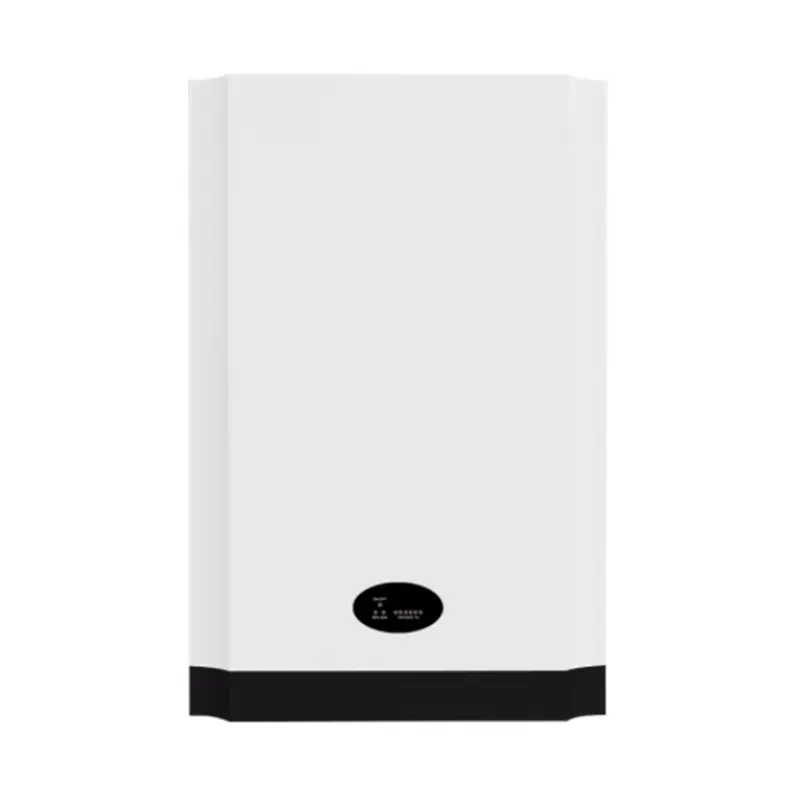
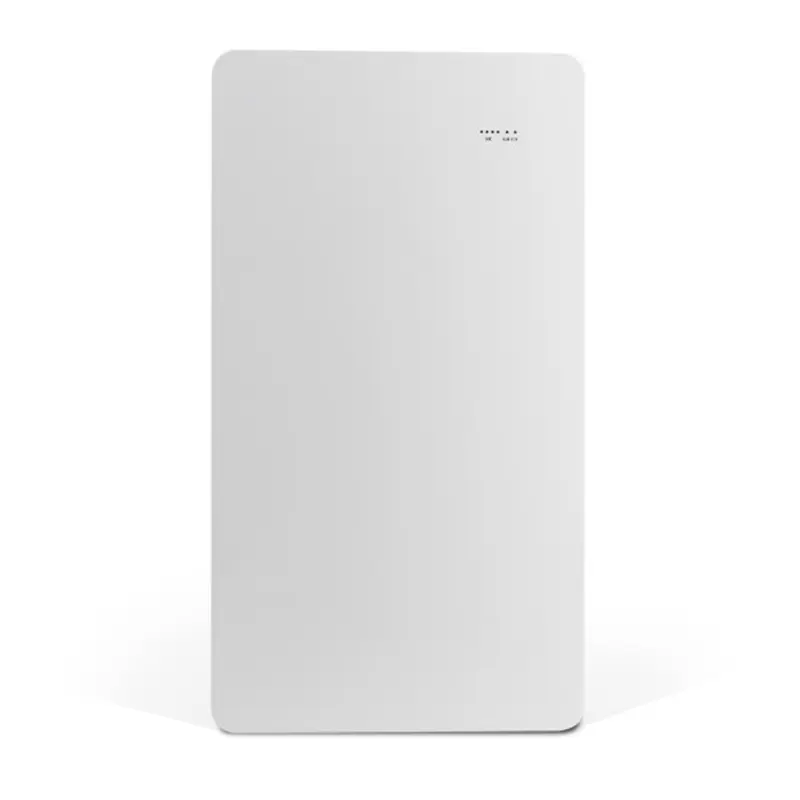
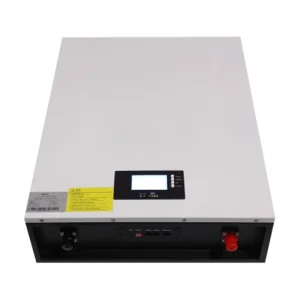
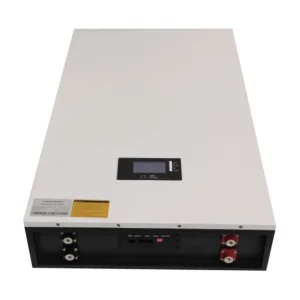
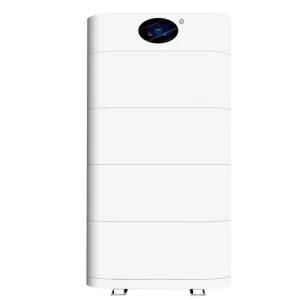
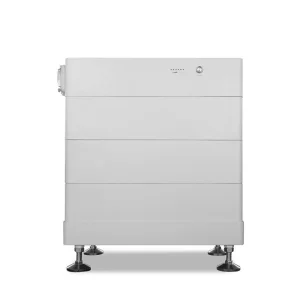
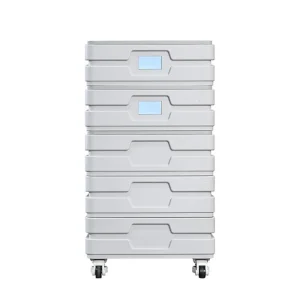
Kazakhstan is at a historic turning point in its energy evolution. With massive coal-fired power facilities in the northern territories nearing operational capacity limits and grid vulnerabilities arising across the vast steppe distances, the republic has committed to achieving carbon neutrality by 2060. To balance grid fluctuations introduced by massive wind assets in the Caspian region and large-scale solar installations in the Almaty and Zhambyl regions, deploying utility-scale and commercial Energy Storage Systems (ESS) has transitioned from an option to an absolute infrastructure mandate.
Our core mission as a premier partner of Chinese Smart Factory 4.0 ESS engineering is to deliver grid compliance, extreme winter-tolerant temperature performance, and superior ROI metrics directly to energy project developers, EPC managers, and mineral processing facilities throughout Kazakhstan.
The commercial viability of battery storage technologies in Kazakhstan centers around three critical use cases:
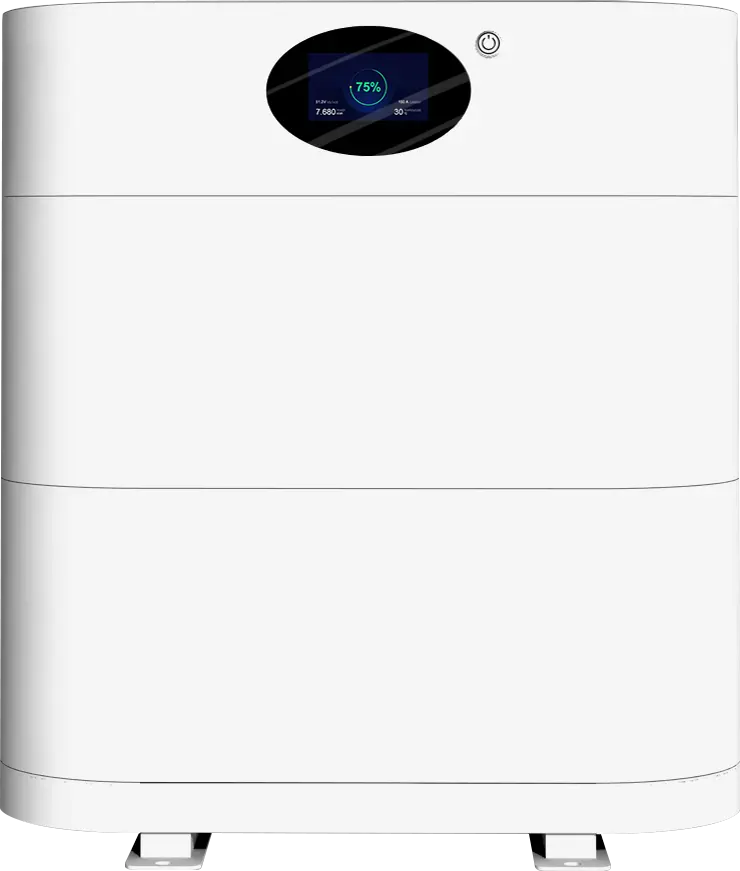
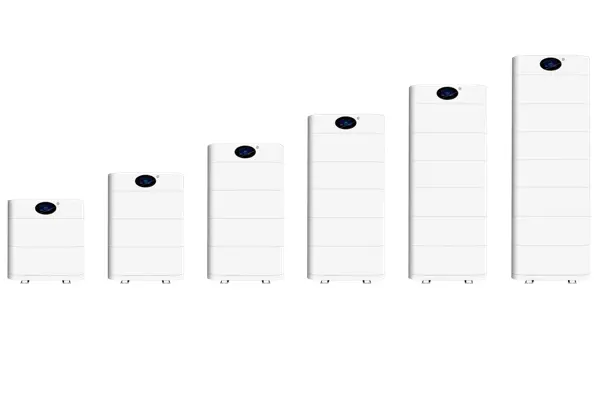
The choice of Lithium Iron Phosphate (LFP) chemistry over Nickel Manganese Cobalt (NMC) is essential for security, life expectancy, and reliability in the region. LFP provides high thermal runaway thresholds, up to 6,000 charge cycles at 80% Depth of Discharge (DOD), and avoids volatile raw materials prone to global supply disruption. Additionally, modular stacked battery configurations allow local technicians in Kazakhstan to perform maintenance without shutting down the entire substation.
Procurement professionals must secure high quality at reasonable scale. By anchoring our manufacturing base in high-tech industrial parks in Xiamen and Shenzhen, China, we operate state-of-the-art Factory 4.0 assembly structures. Direct access to raw lithium carbonate, automated cell sorting, active balancing BMS calibration, and high-efficiency logistics via the Western Europe-Western China International Transit Corridor (via the Khorgos dry port) ensures that Kazakhstan utilities receive premium equipment with minimal transport delays.

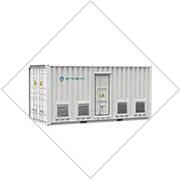
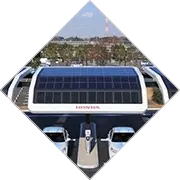
Established in 2019, headquartered in Xiamen, China, Elemro Energy has been specialized in new energy storage and electrical product solutions with rich experience. It is the market leader in the new energy industry that unifies R&D, production, and sales. The products have been sold to more than 250 customers in Europe, Southeast Asia, Africa, Mid-east, America, etc. Since its establishment, ELEMRO’s revenue has been growing rapidly every year. ELEMRO’s annual turnover is expected to exceed 50 millions USD in year 2023.
Connect With Our EngineersTo import grid-scale battery enclosures into Kazakhstan, manufacturers must secure EAC conformity declarations (Eurasian Economic Union compliance framework) under TR CU 004/2011 (Safety of Low Voltage Equipment) and TR CU 020/2011 (Electromagnetic Compatibility of Technical Devices). Additionally, local connection to KEGOC grids requires a structural inspection certification for containerized machinery, which ELEMRO assists in preparing during the manufacturing phase.
At temperatures below 0°C, the internal resistance of lithium cells increases, resulting in lower usable capacity and potential plating risks during charge cycles. ELEMRO's containerized solutions employ an integrated Smart Battery Management System (BMS) with high-efficiency HVAC temperature regulations and localized cell thermal heating blankets. This system pre-warms cells before the charging process starts, preventing degradation and ensuring a 15-year operational lifespan in northern Kazakh climates.
Historically, ocean shipping and rail detours take 45–60 days. Deploying cargo directly via the China-Kazakhstan Khorgos dry port cuts transit time down to 10–14 days. ELEMRO ships fully tested, pre-commissioned, containerized lithium storage systems via heavy flatbed trucks directly from the Xiamen production hub to locations like Karaganda, Almaty, or Pavlodar, minimizing shipping risks and onsite integration delays.
Yes. Our systems are configured with high-performance Power Conversion Systems (PCS) capable of wide voltage tolerances and fast dynamic reactive power compensation. This is ideal for balancing microgrid systems affected by heavy mining equipment starts (e.g., excavators, mills) and solar intermittency in rural Kazakh territories.





 Elemro Energy