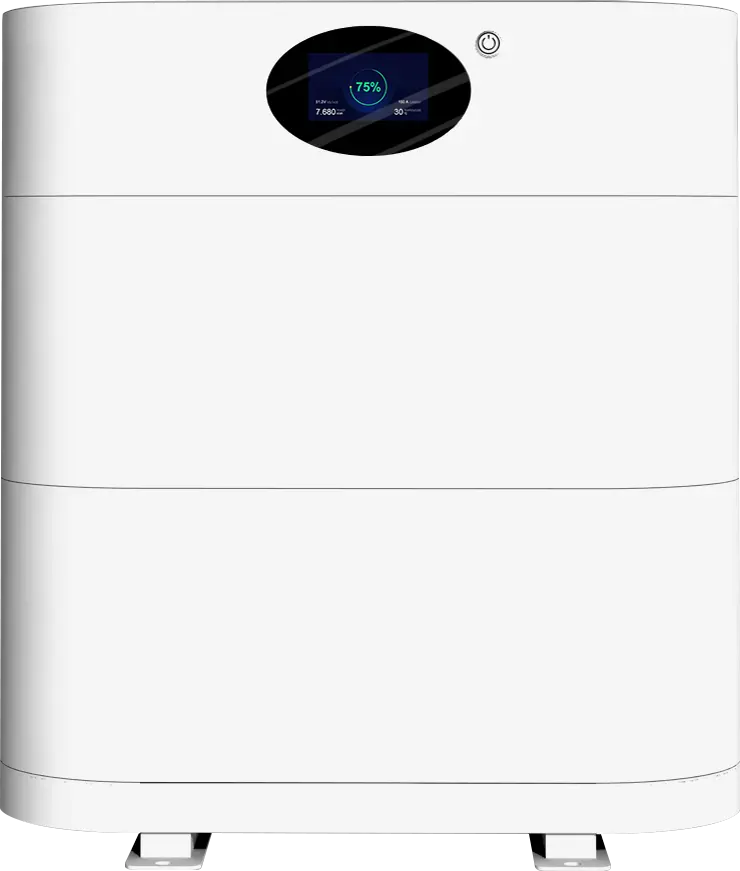
Engineered for high power stability, fast thermal dispersion, and dynamic frequency response in compliance with Irish EirGrid standards.
We provide cleaner energy for a greener world.

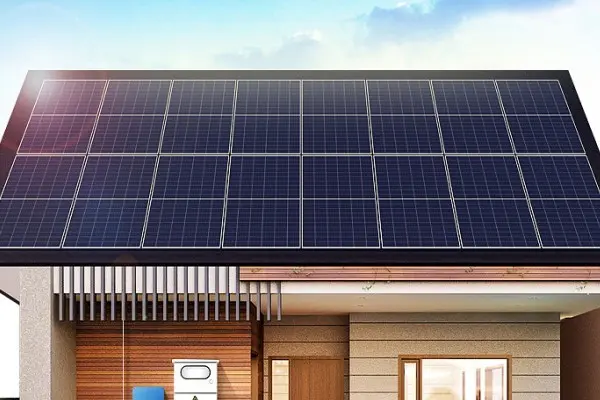
Advanced high-transparency glass surfaces designed to maximize photovoltaic collection capability for architectural integration.
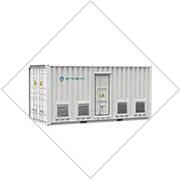
Megawatt-scale containerized lithium-iron-phosphate (LFP) installations featuring complex HVAC, aerosol fire suppression, and BMS units.
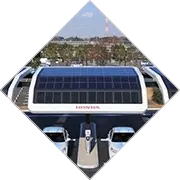
Structural solar PV layouts optimized for electric vehicle fleet charging hubs with local commercial scale buffer batteries.
Established in 2019, headquartered in Xiamen, China, Elemro Energy has been specialized in new energy storage and electrical product solutions with rich experience. It is the market leader in the new energy industry that unifies R&D, production, and sales. The products have been sold to more than 250 customers in Europe, Southeast Asia, Africa, Mid-east, America, etc. Since its establishment, ELEMRO’s revenue has been growing rapidly every year. ELEMRO’s annual turnover is expected to exceed 50 millions USD in year 2023.
Send Inquiry NowFrom our smart manufacturing plants in mainland China to specialized grid distribution partners in Dublin, Belfast, and Cork, we build resilience into international green infrastructure.
The Republic of Ireland is currently executing one of the most ambitious energy transition frameworks in the developed world. Under the National Climate Action Plan, the Irish state mandates that by 2030, 80% of all generated electricity must originate from renewable resources, principally onshore and offshore wind, accompanied by utility-scale solar arrays. However, the integration of non-synchronous, intermittent generation platforms into the Single Electricity Market (SEM) presents severe mechanical and operational challenges for the transmission system operators, EirGrid and SONI.
Unlike conventional fossil-fueled synchronous condensers, wind turbine generators do not inherently provide rotational inertia to maintain a stable system frequency during generation or transmission outages. Consequently, Battery Energy Storage Systems (BESS) have transitioned from simple peak-shaving applications to critical grid-frequency management assets. The deployment of high-voltage, fast-acting lithium iron phosphate (LiFePO4) systems is no longer optional; it is the fundamental technological bridge enabling Ireland to scale its renewable generation without compromising the stability of its nationwide transmission infrastructure.
"The single greatest challenge facing Ireland's grid transition is wind curtailment. When wind production exceeds local demand, or grid constraints arise, generators are forced to shut off. Modular ESS systems capture this otherwise wasted energy, releasing it when grid capacity permits."
Ireland’s grid is uniquely constrained due to its island geography and limited high-capacity interconnection with continental Europe. The current Celtic Interconnector project aims to alleviate some of this isolation, but the primary domestic tool for stabilization remains the DS3 program (Delivering a Secure Sustainable Electricity System). DS3 establishes a commercial tariff architecture that rewards system service providers capable of executing sub-second response times during frequency deviations. Fast Frequency Response (FFR) systems must inject active power within 150 to 300 milliseconds of a frequency dip to stabilize the grid before standard tertiary reserves can engage.
On the Commercial and Industrial (C&I) front, Ireland has become the preeminent hub for hyperscale data centers in Europe. Estimates indicate that data centers now consume close to 18% of Ireland's total electricity output. This concentration has prompted the Commission for Regulation of Utilities (CRU) to implement strict constraints on new grid connection offers in the Dublin Metropolitan Area. Developers are increasingly required to provide on-site, zero-carbon backup power and load-shifting capabilities. Sourcing industrial-grade battery systems that combine high C-rates (typically 1C to 2C charge/discharge capability) with multi-megawatt safety profiles has become top priority for project developers, engineering firms, and global procurement agents operating in the Dublin, Cork, and Shannon industrial zones.
For procurement officers representing Irish EPC (Engineering, Procurement, and Construction) companies and independent power producers (IPPs), sourcing from reliable manufacturing hubs in Asia (particularly Xiamen, Shenzhen, and Ningde) requires a precise understanding of technical parameters. A major factor is the total cost of ownership (TCO) evaluated through Levelized Cost of Storage (LCOS). LCOS factors in the raw capital expenditure, operational maintenance costs, cell degradation rates, round-trip efficiency (RTE), and cycle life.
When assessing manufacturers, Irish buyers prioritize:
Modern energy storage installations in Ireland are categorized into three main application topologies, each requiring specific technical design configurations:
Utility-Scale Front-of-the-Meter (FTM) Systems: Typically installed alongside wind or solar farms. These setups require large-capacity containers (often 20ft or 40ft units holding 2.5MWh to 5MWh each) connected to Medium Voltage (MV) substations through step-up transformers and Power Conversion Systems (PCS). Their primary function is frequency response (FFR/FCLR) and energy arbitrage, taking advantage of volatile pricing on the Single Electricity Market.
Commercial & Industrial (C&I) Behind-the-Meter (BTM) Systems: Sized from 100kWh to 2MWh, these units allow pharmaceutical manufacturing facilities, food processing plants, and tech parks to manage peak demand charges (MIC charges) and maintain high power quality. They also enable microgrid operation when paired with rooftop solar arrays.
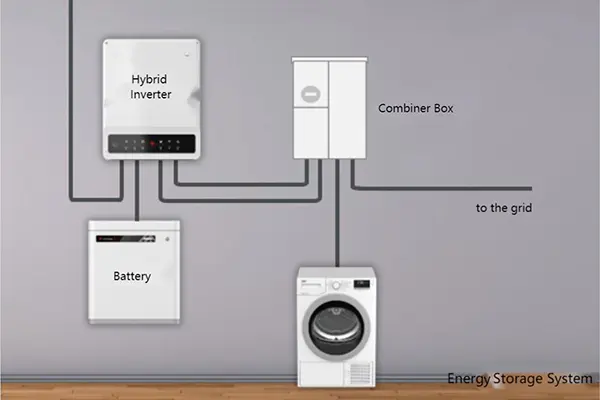
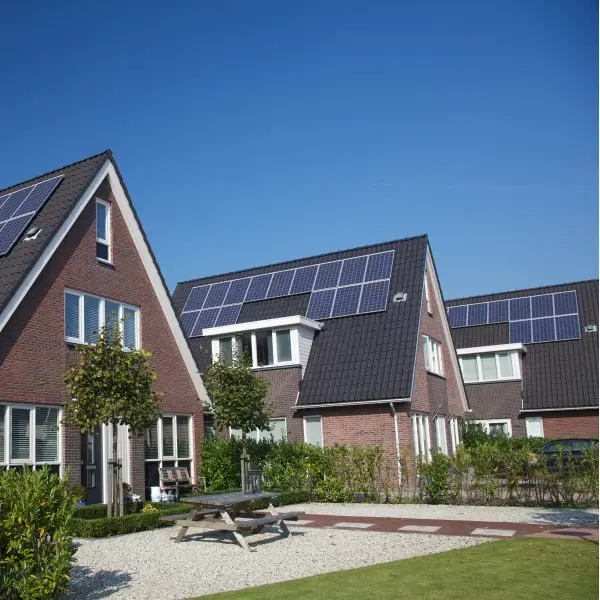
Residential Micro-Storage: Ranging from 5kWh to 20kWh, residential ESS allows home owners to store surplus energy from domestic solar panels and utilize smart tariff pricing (e.g., charging batteries using cheap overnight rates and discharging during high-cost peak evening periods).
Deploying ESS assets in Ireland requires compliance with stringent regulatory frameworks and grid codes. Grid connections must comply with the ESB Networks and EirGrid connection agreements (such as the NC5 and NC6 application processes for C&I micro-generation and large-scale grid connections, respectively). Compliance with the European standard EN 50549-1 and EN 50549-2 is mandatory for systems generating parallel to distribution or transmission grids.
From an environmental standpoint, compliance with the EU's WEEE Directive (Waste Electrical and Electronic Equipment) and the new EU Battery Regulation is required. These regulations require manufacturers and importers to document the lifecycle of batteries, maintain a "battery passport" tracking carbon footprint and material composition, and arrange for end-of-life recycling and reclamation. Safety certifications such as IEC 62619 (for industrial safety), IEC 63056 (safety for utility applications), and fire-test validations (like UL 9540A) are standard requirements for planning permission and commercial insurance coverage within Ireland.
As the energy storage industry moves toward 2030, several technological breakthroughs are set to reshape the Irish market:
Transition to High-Voltage Stacking: High-voltage DC system architectures (operating up to 1500V DC) are replacing older 1000V configurations. High-voltage setups reduce line current losses, enable the use of smaller cabling, and improve the efficiency of the Power Conversion System (PCS) interfaces.
Artificial Intelligence in Energy Management Systems (EMS): Advanced EMS platforms are now integrating machine learning algorithms to predict local wind/solar generation profiles and forecast SEM market prices. This allows automated trading systems to execute charge and discharge cycles with sub-minute precision, maximizing ROI for asset owners.
Solid-State and Sodium-Ion Integration: While LiFePO4 remains the industry standard, sodium-ion batteries are beginning to emerge as a viable option for stationary applications where volumetric density is secondary to raw material cost. Meanwhile, solid-state batteries promise a reduction in thermal runaway risks, although they remain in the early commercial stages.
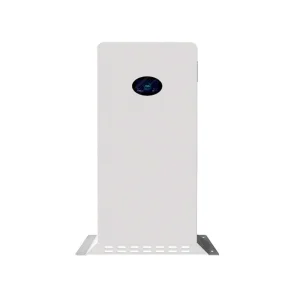
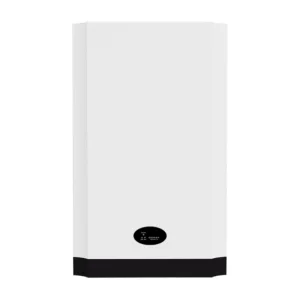
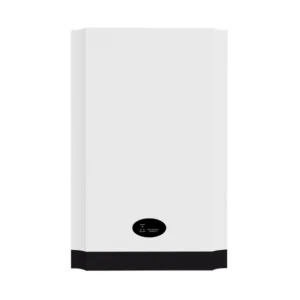
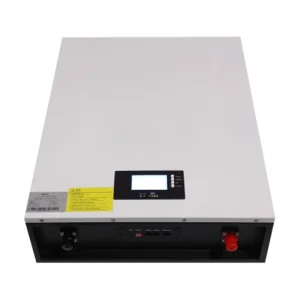
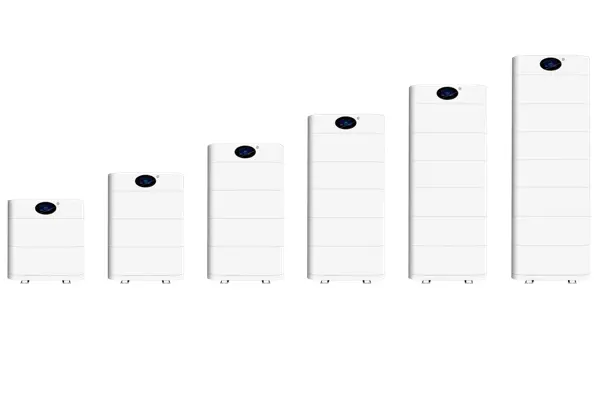
Discover our range of high-voltage, stackable, and wall-mounted battery systems designed to deliver energy autonomy and grid resilience across Ireland.
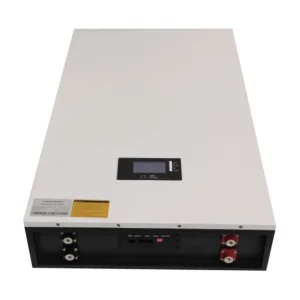
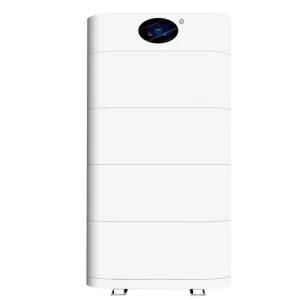
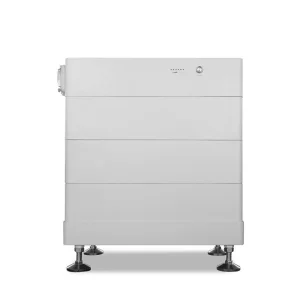
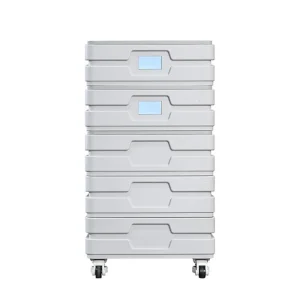
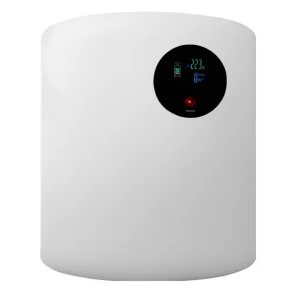
Get professional, expert answers regarding regulatory compliance, performance, and commercial execution of battery storage in Ireland.
Deployments must be certified under the European standard EN 50549-1/2 for grid integration. The battery storage units must comply with CE marking, IEC 62619 for safety verification of industrial lithium packs, and UN38.3 for logistics and transport safety. Furthermore, compliance with the WEEE Directive for environmental end-of-life battery disposal is required in Ireland.
Our systems utilize a multi-tier active-balancing Battery Management System (BMS) that monitors cell voltage, temperature, and internal resistance. By balancing cell charge cycles, the system prevents localized degradation and preserves capacity. Our LiFePO4 cells are engineered to maintain over 80% State of Health (SoH) after 6,000 cycles at 0.5C charge/discharge rates.
Yes. When integrated with high-performance Power Conversion Systems (PCS) and advanced controllers, our lithium-iron-phosphate arrays can provide a millisecond-level response (often below 150ms). This matches the requirements for EirGrid's DS3 system services tariff framework.
LiFePO4 offers superior safety, thermal stability, and cycle life. Ireland's coastal and damp climate presents high relative humidity, making the chemistry's thermal stability crucial. In the event of a system cooling failure, LiFePO4 has a high thermal runaway trigger point, reducing the risk of fire compared to NMC chemistries.
Our containerized products feature intelligent thermal management systems, available in both advanced air-cooling (HVAC) and liquid-cooling configurations. Liquid cooling is recommended for high-power, high-density C&I applications, maintaining cell temperature variance within ±2°C to maximize overall efficiency and pack lifespan.
Through our local network of EPC partners, systems integrators, and engineering support services in Europe, we assist with initial system startup, commissioning, safety verification, and ongoing technical support. Our products carry standard warranties of up to 10 years, depending on the operational profile and application scenario.
By storing generation output during periods of high wind and solar generation, developers can capture energy that would otherwise be curtailed by grid limits. This stored energy is then sold during peak hours on the Single Electricity Market (SEM) at higher prices, optimizing the project's overall return on investment.
Yes, our systems are designed with open communications protocols (including Modbus TCP/IP, CAN, and IEC 61850). This makes them compatible with leading international inverter and EMS brands, allowing for smooth integration into existing solar PV infrastructure, wind parks, and smart microgrids.
Stay updated with our latest technological developments and industry analysis.





 Elemro Energy