Tailored tier-1 LFP energy storage systems engineered to optimize commercial reliability and residential self-consumption across the Valley of Mexico.
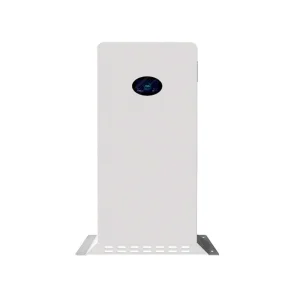
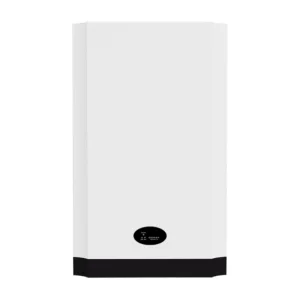
As the primary economic engine of Mexico and one of Latin America's largest metropolitan regions, Mexico City (CDMX) faces a complex energy transition. The combination of intense urban density, growing nearshoring manufacturing trends under the USMCA (T-MEC) agreement, and severe constraints on the national utility grid (SEN - Sistema Eléctrico Nacional) managed by CENACE has created a critical demand for decentralized, highly reliable electrical infrastructure. Businesses operating within the Vallejo Industrial Zone, Santa Fe Commercial District, and surrounding state borders require resilient backup power configurations and active load-shifting mechanisms to avoid crippling demand penalties and frequent power outages.
Commercial electricity rates (Tarifa GDMTO and GDMTH) administered by the Comisión Federal de Electricidad (CFE) impose severe financial strain on peak consumption hours. During these times, grid energy costs skyrocket. By integrating localized Energy Storage Systems (ESS), industrial factories, logistics centers, and retail campuses can mitigate maximum demand charges through intelligent peak shaving. Utilizing Lithium Iron Phosphate (LiFePO4) chemistry ensures safety, thermal stability, and operational longevity under the high-altitude conditions of Mexico City (exceeding 2,200 meters above sea level), where atmospheric pressure changes demand strict thermal management configurations.
The global battery storage landscape has shifted decisively toward Lithium Iron Phosphate (LFP) technology due to its superior safety profile, absence of heavy metals like cobalt, and thermal runaway resistance. Globally, utility-scale and distributed commercial ESS deployment has witnessed exponential growth, driven by localized decarbonization policies and grid modernization initiatives. Standardizations such as UL 9540, UL 1973, and IEC 62619 govern international deployment, ensuring cell configurations can withstand internal short circuits without propagating fires. In Mexico, meeting these safety classifications aligns with local civil protection rules and standard electrical codes (NOM-001-SEDE).
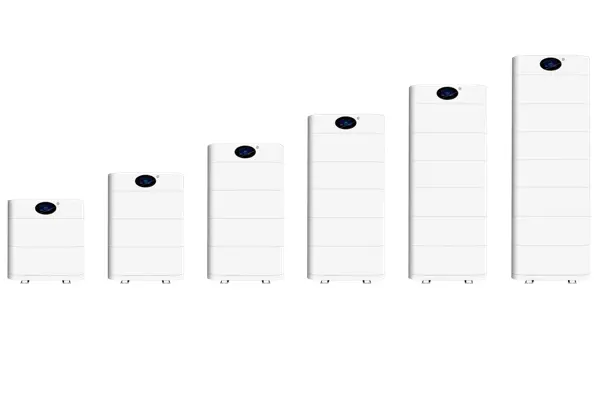
Advanced ESS applications utilize high-voltage DC architectures (ranging from 600V to 1500V) to optimize conversion efficiency, reduce transmission loss, and lower total installation costs. High-voltage stacked energy storage systems enable flexible modular capacity expansions for industrial facilities, allowing enterprises to scale their battery reserves systematically as energy demands evolve. Additionally, real-time telemetry systems, cloud-based Battery Management Systems (BMS), and AI-driven Energy Management Systems (EMS) assist in predictive diagnostics, tracking state of health (SOH) and state of charge (SOC) to prevent system degradation.
We provide cleaner energy for a greener world through integrated clean energy and high-voltage grid storage systems.

High-transmittance photovoltaic glass optimized for structural BIPV projects in modern urban architectural skins.
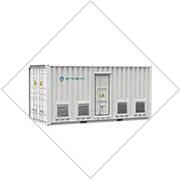
Utility-scale containerized megawatt-hour energy systems equipped with liquid cooling and smart HVAC systems.
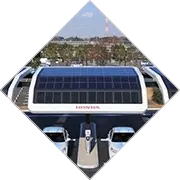
Integrated solar shelters configured to provide shaded parking zones while charging EV fleets and supplementing grid power.
Manufacturing and assembly complexes within the Valley of Mexico suffer from high capacity charges levied during specific system peak periods. Deploying custom-designed battery containers allows plant operations to transition to stored energy during peak hours, significantly lowering the maximum demand recorded by CFE billing meters. This strategy yields immediate operational savings and extends the life of local substation transformers by capping physical load factors.
With major financial institutions, data centers, and multi-tenant high-rise properties situated in Santa Fe, maintaining seamless continuity of power is paramount. High-voltage stacked LFP battery arrays supply backup power within milliseconds of primary grid dropouts. These systems integrate smoothly with localized rooftop PV installations and low-emission gas generators to establish high-reliability microgrid islands.
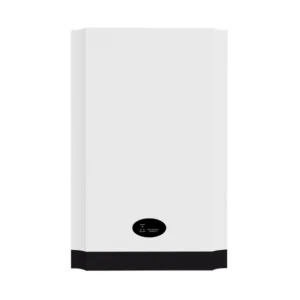
Modern commercial developments within Polanco and Paseo de la Reforma are adopting CdTe (Cadmium Telluride) thin-film solar glass to offset building cooling and lighting loads. When paired with modular wall-mounted or high-voltage stacked battery banks, these systems create a self-sustaining eco-system, helping developers meet LEED and EDGE sustainability certifications.
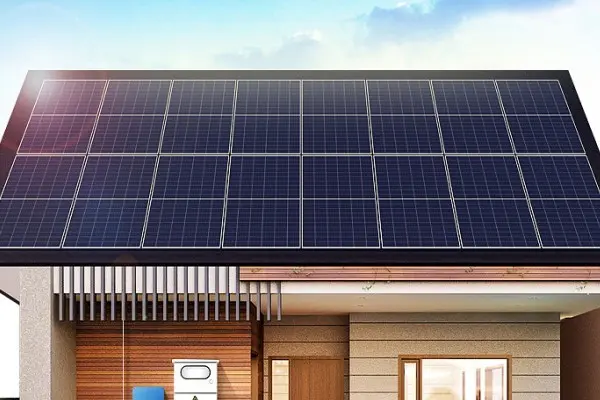
Established in 2019 and headquartered in the high-tech R&D hub of Xiamen, China, Elemro Energy has emerged as a premier developer of integrated electrical products and battery energy storage solutions. We maintain unified processes spanning research and development, smart manufacturing, global logistics, and post-installation support. Our customer portfolio extends across more than 250 markets in Europe, Southeast Asia, Africa, the Middle East, and the Americas, showing steady revenue growth since inception. In 2023, ELEMRO's annual turnover is projected to surpass $50 million USD, demonstrating the global market's confidence in our engineering quality and customer service.
Our competitive advantage lies in our supply chain transparency, component sourcing, and rigorous quality testing. We utilize high-grade LiFePO4 cells configured with smart Battery Management Systems to ensure all products delivered to Mexico and other key markets operate reliably, maintaining high round-trip efficiencies even under heavy cyclic loading configurations.
For installations in Mexico City, temperature and elevation differences require robust engineering modifications. Elemro's technical roadmap emphasizes high-performance liquid cooling systems alongside air-cooled configurations. Liquid cooling systems maintain cell temperature variations within ±2°C, significantly slowing cell degradation and mitigating the risk of thermal imbalances. Our system integrations are built with three-tier BMS safety structures, managing parameters from individual cells to complete container modules.
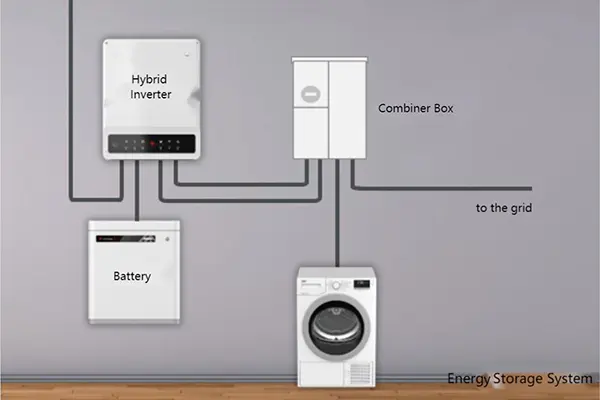
Furthermore, Elemro systems leverage advanced bidirectionally coupled hybrid inverters that support both on-grid operations and black-start functionality. This layout allows critical manufacturing lines to boot independently during localized grid collapses, avoiding mechanical stalls and associated product losses. In addition, our EMS controllers support Modbus, CAN, and Ethernet communications, enabling seamless integrations with factory-wide SCADA monitoring networks.
Procuring commercial and industrial energy storage systems requires analyzing financial returns alongside technical specifications. In the Valley of Mexico, the payback period for Elemro ESS integration generally ranges between 3.5 and 5 years, depending on peak-shaving potential, local solar penetration, and site-specific load profiles. By shifting electricity purchases to off-peak hours and utilizing stored solar power during peak times, facility operators can see immediate utility bill savings.
Our technical team provides end-to-end design services, including load profile monitoring, harmonic analysis, system sizing, regulatory navigation, and commissioning support. Through these steps, we ensure every integrated unit meets NOM requirements, complies with CENACE grid code directives, and delivers long-term economic value to your operations.
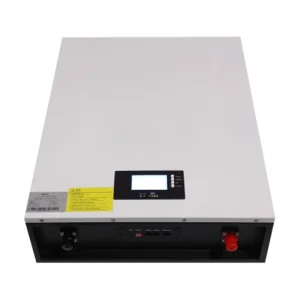
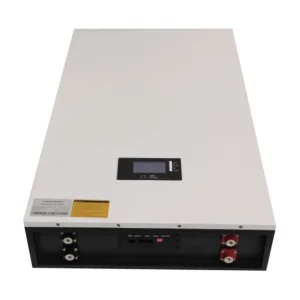
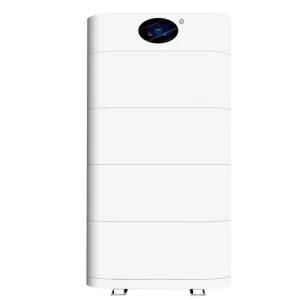
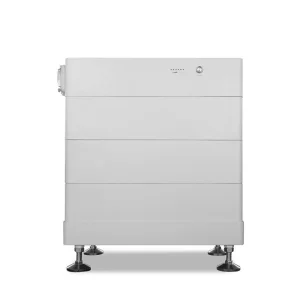
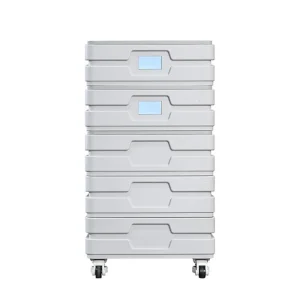
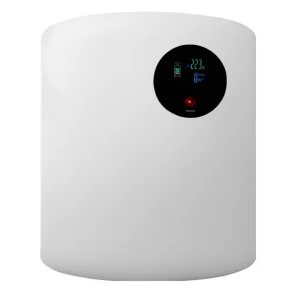
Explore our specialized high-voltage and high-capacity battery systems configured for demanding commercial operations in Mexico City.
Stay informed with technical analyses, industry trends, and regulatory updates from Elemro Energy's engineering desk.
Our battery products conform to international quality certifications, supporting secure integrations worldwide.





Direct engineering answers regarding our energy storage solutions in Mexico City's industrial environment.
A1: At high altitudes, lower air density decreases cooling efficiency for air-cooled systems. ELEMRO addresses this by optimizing passive and active convection rates within our enclosures and offering liquid-cooled configurations. Liquid cooling maintains stable cell temperatures regardless of external atmospheric density, preventing thermal imbalances that degrade capacity over time.
A2: Yes. Our Energy Management System (EMS) and hybrid inverters feature integration interfaces designed to coordinate with backup diesel generator controllers. The battery system can manage transient load spikes instantly while the generator starts up, reducing diesel wear, minimizing runtime, and lowering fuel costs.
A3: Our systems conform to primary global standards, including UL 1973 (for battery modules used in stationary applications) and IEC 62619. Our cells are certified under UL 9540A to guarantee that thermal runaway events will not propagate. This compliance simplifies local civil protection approvals and NOM electrical clearances in Mexico.
A4: Return on investment (ROI) calculations compare the energy capacity charge reductions under GDMTO or GDMTH rates against the capital cost of the ESS. By discharging batteries during peak billing hours (usually late afternoon and early evening), users can lower their monthly maximum demand charge. Payback periods typically range from 3.5 to 5 years, with the system providing service for 10-15 years.
A5: Our high-grade LiFePO4 cells are rated for over 6,000 cycles at an 80% Depth of Discharge (DOD) under nominal temperatures (25°C). In a standard peak-shaving application operating one cycle per day, this translates to an operational lifetime exceeding 15 years before the battery drops to 70% of its original capacity.
A6: Yes. Elemro's R&D team designs custom container layouts, custom-voltage stackable battery towers, and specific BMS communications protocols to meet site-specific engineering requirements for industrial complexes across Latin America.
Contact Elemro Energy's application engineering desk today. We will reply within 24 hours.
Send Inquiry Now Elemro Energy