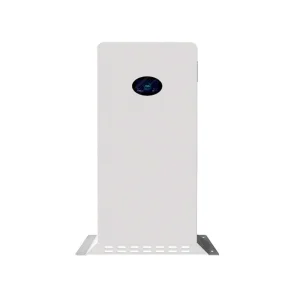
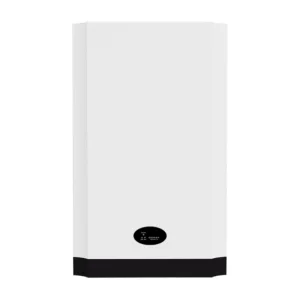
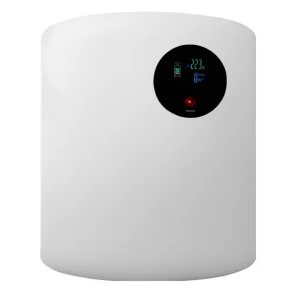
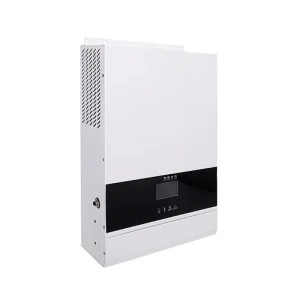
Deploying robust, certified LiFePO4 cells configured for extreme altitude operating conditions in Lesotho, South Africa and global industrial zones.
In the search for dependable Energy Storage Systems (ESS), project managers and utility engineers in Lesotho must navigate a complex grid landscape. Characterized by mountainous geography and high operational altitudes exceeding 1,400 meters above sea level, Lesotho presents unique thermal and atmospheric constraints. Energy storage solutions are no longer optional accessories, but fundamental grid stabilizing assets for Lesotho’s commercial, industrial, and municipal infrastructure.
The Kingdom of Lesotho historically relies heavily on imported electricity from South Africa’s Eskom and Mozambique’s EDM via the Lesotho Electricity Company (LEC). However, grid constraints, load-shedding policies in South Africa, and transmission inefficiencies have forced local industries to seek local energy autonomy. High-altitude environments present major cooling issues for batteries, meaning thermal design is essential. Off-grid diamond mines (such as Letšeng, Kao, and Liqhobong) and textile manufacturing factories in Maseru and Maputsoe require robust, Tier-1 LiFePO4 chemistry to maintain productivity during outages.
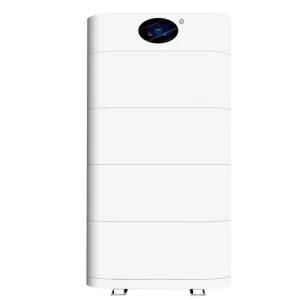
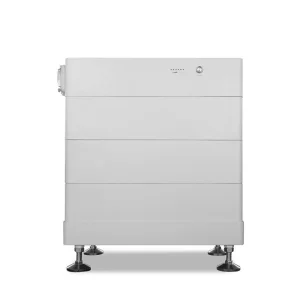
ESS factories are shifting design priorities to handle these requirements. Deploying high-voltage stacked systems and outdoor containerized batteries equipped with active Liquid Cooling Systems (LCS) guarantees thermal equilibrium, ensuring system integrity and preventing premature battery degradation.
Globally, the transition to clean energy systems is accelerating, with Lithium Iron Phosphate (LiFePO4) establishing dominance in the stationary storage sector. Unlike NMC (Nickel Manganese Cobalt) alternatives, LiFePO4 cells provide superior thermal stability, lower explosion risk, and an exceptional lifecycle typically exceeding 6,000 charge/discharge cycles at 80% Depth of Discharge (DoD). This makes LiFePO4 the preferred choice for commercial and industrial (C&I) projects seeking lower Levelized Cost of Storage (LCOS).
| Specification Metric | LiFePO4 (LFP) - Recommended | NMC (Lithium Cobalt) | Traditional Lead-Acid |
|---|---|---|---|
| Safety Profile | Excellent (High Thermal Runaway Temp ~270°C) | Moderate (Lower Runaway Temp ~210°C) | Fair (Gassing issues, toxic materials) |
| Lifecycle (at 80% DoD) | 6,000 - 8,000 Cycles | 2,000 - 3,000 Cycles | 500 - 1,500 Cycles |
| Environmental Impact | Eco-friendly (No Cobalt or Nickel) | High (Cobalt mining dependencies) | Severe (Lead pollution risks) |
| Operating Temperature | -20°C to +60°C (Stable in thin air) | -10°C to +50°C | +15°C to +25°C (Highly sensitive) |
Sourcing direct from high-efficiency battery manufacturing clusters in China, such as Xiamen and Shenzhen, offers substantial advantages in quality assurance and cost optimization. Chinese manufacturing lines feature highly automated assembly, laser welding, and automated cell sorting, minimizing cell mismatch and maximizing safety. This streamlined supply chain provides European, Asian, and African markets with cost-effective, high-capacity cells that undergo rigorous cycle aging tests prior to shipping.
When choosing an ESS factory, global procurement teams must audit the manufacturing source against strict technical criteria:
Established in 2019, headquartered in Xiamen, China, Elemro Energy specializes in new energy storage and electrical product solutions. As an integrated energy developer, we unify research and development, manufacturing, and international sales to deliver premium lithium storage configurations.
Our products serve more than 250 enterprise clients in Europe, Southeast Asia, Africa, the Middle East, and the Americas. ELEMRO's annual turnover is expected to exceed 50 million USD, driven by a commitment to reliability, performance, and international safety compliance.

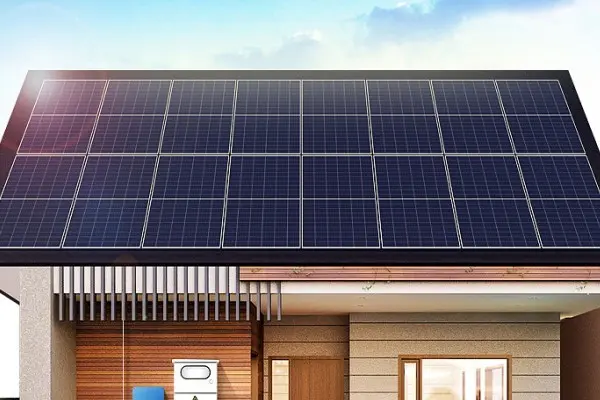
High-efficiency BIPV solar glass panels designed for modern building integration.
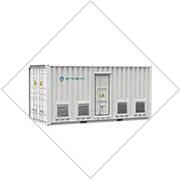
Megawatt-scale containerized battery storage solutions for utility grids and large C&I facilities.
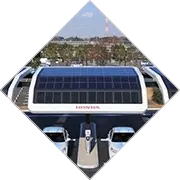
Turnkey solar parking structures integrating EV charging hubs with localized battery buffering.
Integrating top-tier technology with local support to deliver optimal return on investment for battery systems.
Equipped with high-grade LiFePO4 cells that eliminate runaway hazards, monitored by multi-level intelligent BMS systems.
Integrated EMS with cloud communication allows remote performance tracking, state-of-health monitoring, and predictive analysis.
Proven export infrastructure serving Southern Africa, Europe, and the Americas with complete customs clearance assistance.
Choose from our advanced residential, commercial, and utility-scale product line designed for reliable operation.
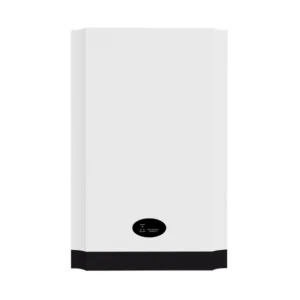
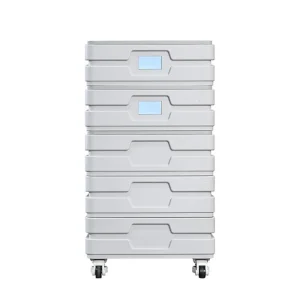
Get quick technical insights on selecting and deploying energy storage systems in Southern Africa.
Stay informed with the latest insights and technology trends from our engineering team.
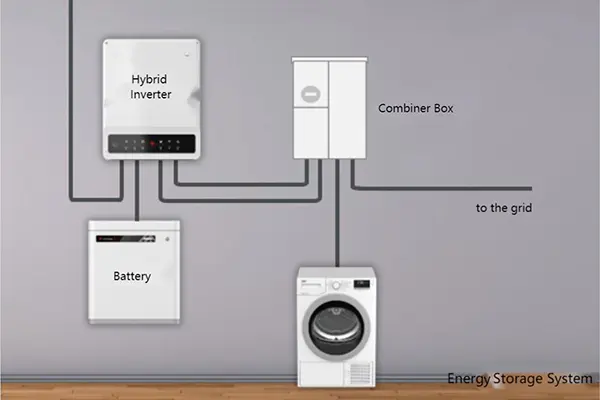
An engineering guide detailing how home hybrid inverters convert DC solar power to AC and manage battery storage cycles effectively.
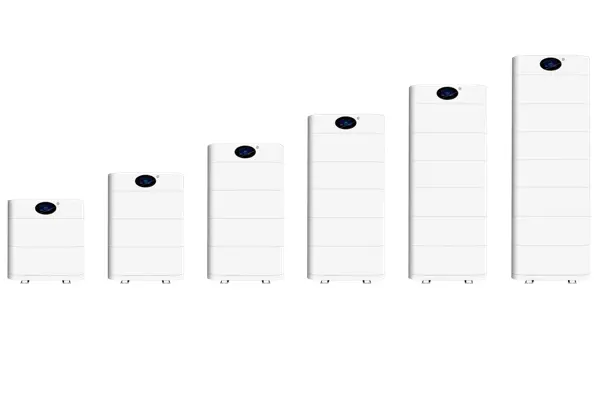
Analyzing LFP and NMC chemistries to help project planners evaluate lifecycle costs and safety characteristics.
A review of peak-shaving, backup power, and self-consumption optimization strategies using commercial battery installations.




Contact our engineering team today to receive custom drawings, system sizing analysis, and factory-direct pricing tailored to your requirements.
Send Inquiry Now Elemro Energy