High-Quality Wind Turbine With Battery Storage Factories & Products

Next-Generation Integrated Energy Solutions for Global Utility, Commercial & Industrial Systems

1. The Global Landscape of Wind Energy Integrated with Battery Storage Systems

As the world pivots toward zero-carbon energy architectures, wind power has established itself as a cornerstone of utility-scale power generation. However, the inherent variability of wind speeds presents a significant operational hurdle for modern grids. To address wind energy's intermittency, global markets are rapidly deploying wind turbine installations integrated with Battery Energy Storage Systems (BESS). By coupling kinetic wind generation with electrochemical storage, system operators can successfully transform unpredictable, volatile energy into dispatchable, stable power.

Semantic Gain: Combining wind turbines with LiFePO4 battery storage structures mitigates voltage drops, limits curtailment losses, and provides high-value ancillary services such as frequency regulation, peak shaving, and active ramping support.

Currently, in regions like the European Union, the United States, and emerging APAC economies, power purchase agreements (PPAs) are increasingly mandating integrated energy storage. The transition from pure wind farms to hybrid wind-plus-storage topologies has drastically stabilized Levelized Cost of Energy (LCOE) numbers while making green energy assets financially bankable. Developers no longer view battery systems as a secondary add-on, but rather as a mission-critical infrastructure component to avoid negative pricing intervals.

Key Growth Drivers in the Wind-Storage Hybrid Arena:

  • Grid Compliance Code Strictness: Transmission system operators (TSOs) require rapid frequency support and active power ramp-up rates which only chemical batteries can achieve immediately.
  • Mitigation of Wind Curtailment: During off-peak periods when wind speeds are high but electrical demand is low, excess capacity is stored directly within LFP systems instead of wasted.
  • Economic Arbitration Advantage: Operators capture low-price excess energy during off-peak windows and discharge power back into the grid during peak intervals, significantly accelerating the project's ROI.

2. Power A Green Future: Innovative System Implementations

Achieving a resilient, clean electrical infrastructure requires specialized product engineering. We deliver highly customized system setups tailored for diverse industrial and structural installations.

2019
Year Established
250+
Global Customers
$50M+
2023 Projected Turnover
99.9%
BMS Safety Reliability

3. Why Sourcing from China Factories Ensures Unmatched Manufacturing Efficiency

China represents the epicenter of the global energy storage supply chain, producing over 75% of the world's lithium-ion batteries and system components. Leveraging factory-direct sourcing offers strategic industrial advantages that can determine the feasibility of clean energy infrastructure projects.

Unparalleled Vertical Supply Chain Integration

Chinese manufacturing facilities, particularly those located in coastal logistics hubs like Xiamen, benefit from deep local supplier networks. From raw lithium extraction processing, anode/cathode formulation, down to advanced automated battery management system (BMS) testing, all processes are physically co-located. This hyper-concentration minimizes transportation bottlenecks, lowers material waste, and enables highly competitive pricing structures.

Rigid Quality Testing Standards

Leading factories strictly enforce international quality frameworks, ensuring all outgoing shipments carry necessary certifications such as CE, IEC 62619, UL 1973, and UN38.3. Automatic battery cell grading, visual inspection algorithms, thermal runaway simulation chambers, and state-of-the-art diagnostic testing ensure that every battery module achieves prolonged cycle lifespans, exceeding 6,000 charge cycles at 80% Depth of Discharge (DoD).

ELEMRO Energy: A Trusted Industry Leader

Established in 2019 and headquartered in Xiamen, China, ELEMRO Energy has specialized in advanced new energy storage and integrated electrical engineering solutions. With comprehensive R&D, manufacturing facilities, and localized sales networks, ELEMRO stands at the forefront of the power transition. Having shipped advanced battery configurations to over 250 global customers across Europe, Southeast Asia, Africa, the Middle East, and North America, ELEMRO's annual turnover is expected to cross the 50 million USD threshold, reinforcing its strong operational capabilities.

4. Localized Application Scenarios for Wind Turbine with Battery Storage

Integrating wind turbines with modern high-capacity energy storage opens up diverse localized deployment scenarios, allowing users to tailor installations to specific load demands and site requirements.

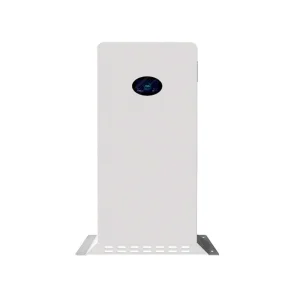
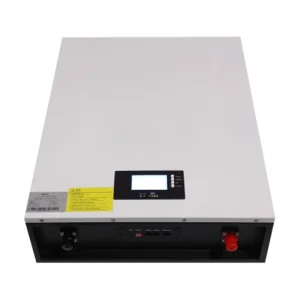
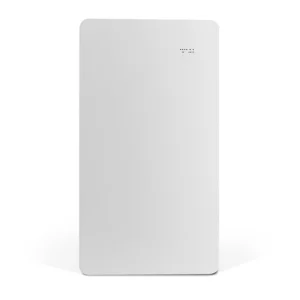
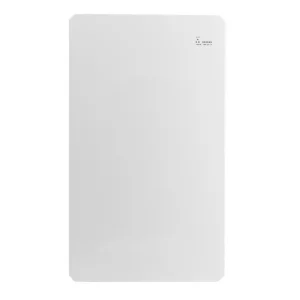
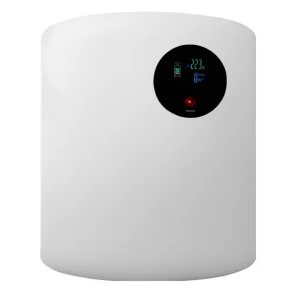
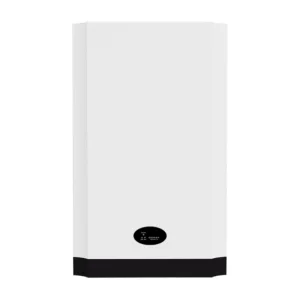
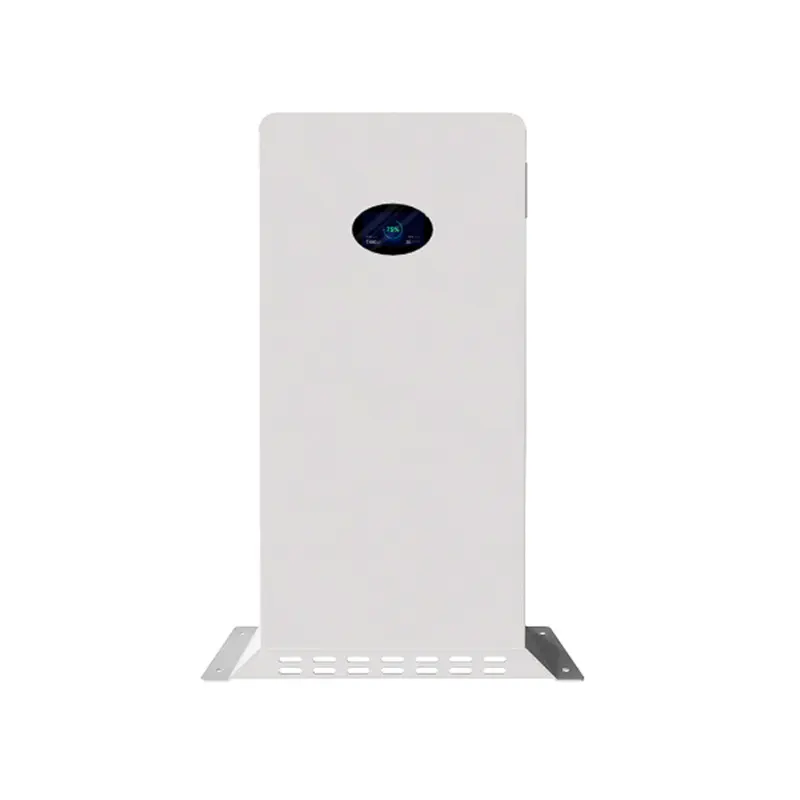
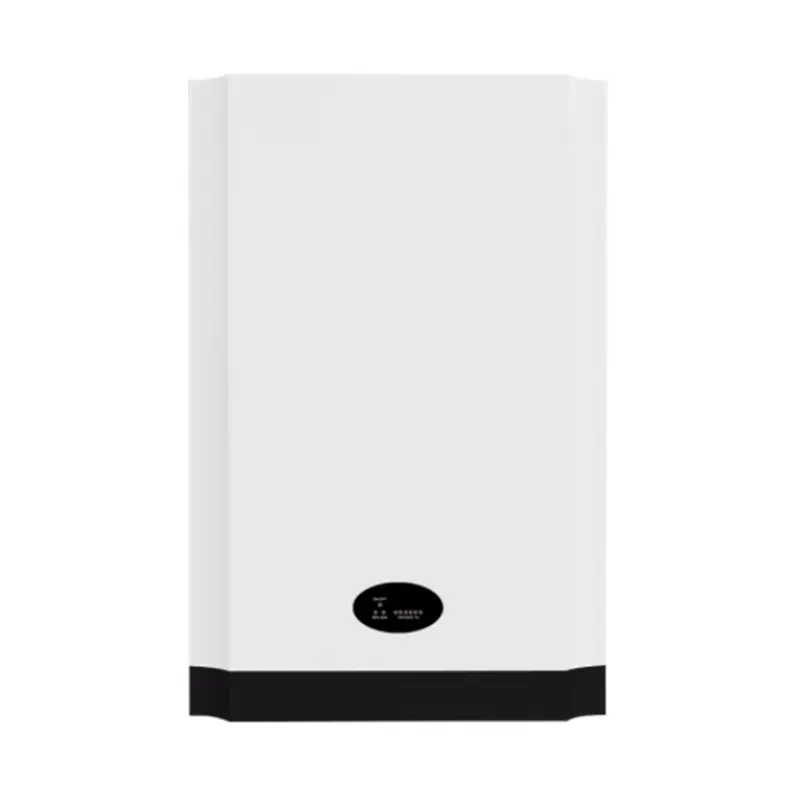
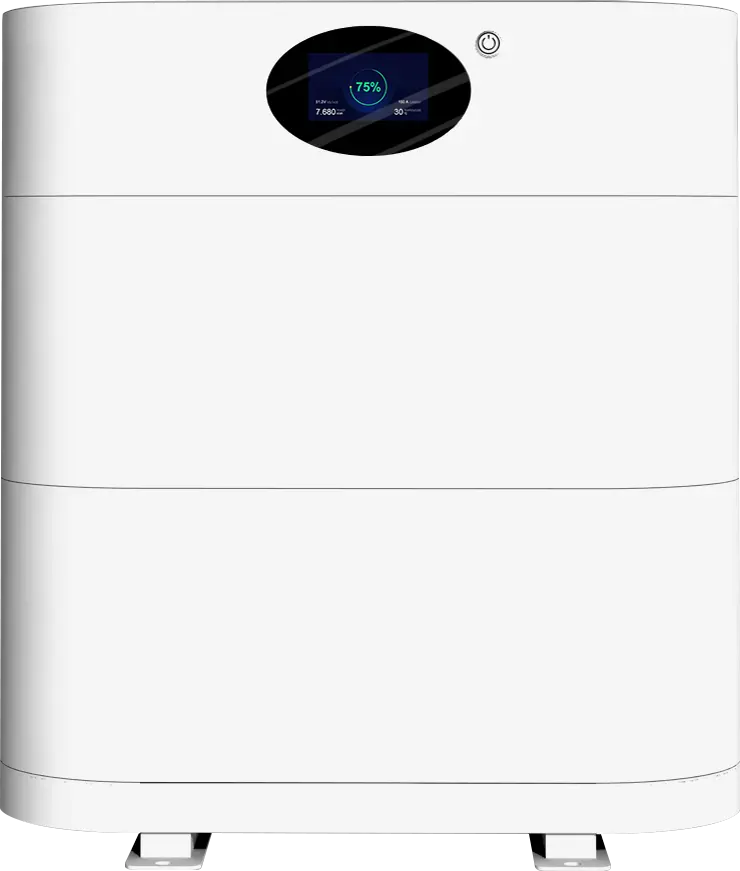
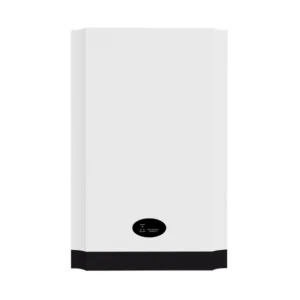
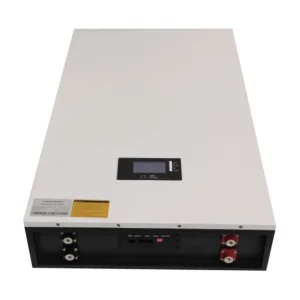
  • Commercial & Industrial (C&I) Peak Shaving: Factories operating heavy machinery can face substantial peak demand tariffs. Integrating onsite wind generation with battery units like the WHLV 48V100Ah or SHELL 14.3kWh configurations allows facilities to store energy during off-peak wind periods and discharge it during peak grid demand windows, significantly lowering utility expenses.
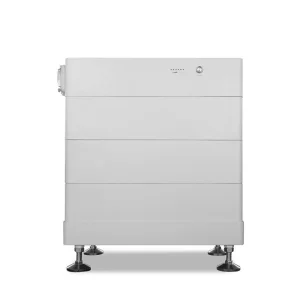
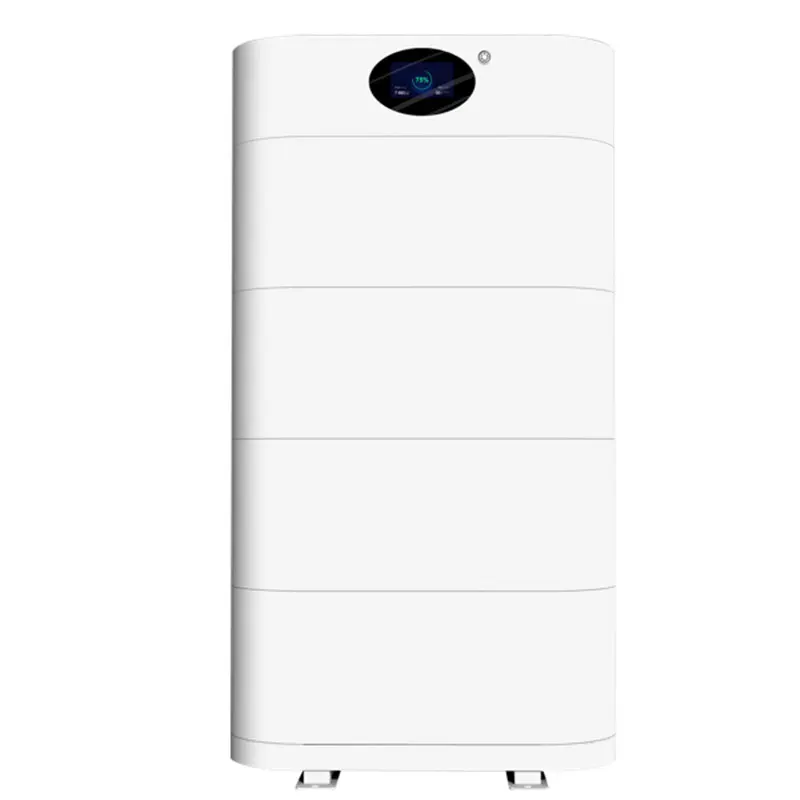
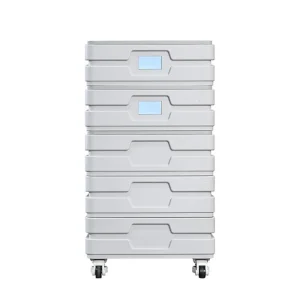
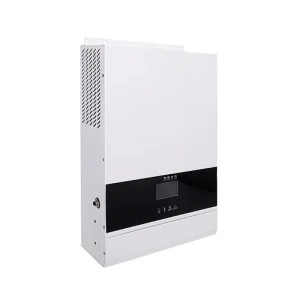
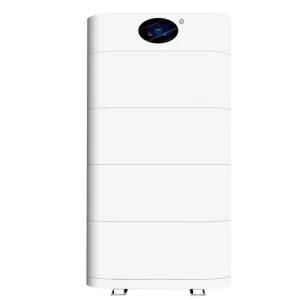
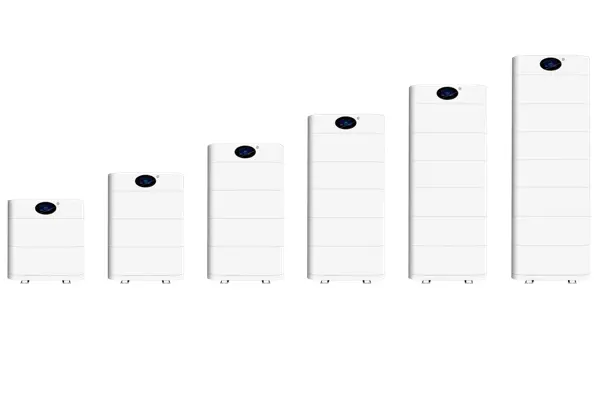
  • Remote Island & Off-Grid Microgrids: Remote communities often rely on highly expensive diesel fuel delivery. Combining compact wind turbines with high-voltage battery systems provides a resilient microgrid foundation. Our stackable high-voltage LiFePO4 batteries offer stable, continuous backup electricity to guarantee survival operations even in hostile marine environments.
  • Telecommunications Infrastructure: Cellular base stations and remote telemetry arrays require uninterrupted power supplies. By utilizing hybrid wind-battery configurations, operators avoid system down-times during severe weather, reducing onsite generator maintenance runs.

5. Technical Development Trends Shaping the Energy Storage Sector

To keep pace with the energy transition, manufacturers are adopting several core engineering shifts. Global developers must adapt to these trends to remain competitive:

A. Shifting from Low-Voltage (LV) to High-Voltage (HV) Stackable Topologies

Traditional low-voltage battery systems (typically 48V configurations) require thick, heavy cabling to handle high currents, increasing system energy loss. Modern commercial installations are transitioning to high-voltage stacked systems (ranging from 200V to over 800V). High-voltage operations improve overall conversion efficiency, reduce heat generation, and allow simpler inverter integration.

B. AI-Driven Smart Battery Management Systems (BMS)

The integration of Artificial Intelligence and cloud computing allows real-time, cell-level telemetry analysis. Modern BMS architectures proactively identify cell mismatching, predict thermal runaway events, and dynamic-balance state-of-charge (SoC) profiles, extending battery lifespans by up to 20%.

C. High-Density LFP (Lithium Iron Phosphate) Domination

LFP has cemented itself as the preferred chemistry for stationary energy storage application due to its thermal stability, high safety profile, and eco-friendly composition. Unlike NMC alternatives, LFP is highly resistant to thermal runaway and avoids cobalt-sourcing dependencies.

6. B2B Enterprise Sourcing Guide for Energy Storage Solutions

Evaluating energy storage products requires key criteria to guarantee performance reliability and financial success:
Sourcing Checklist for B2B Buyers:
  • Cycle Life Assurance: Demand a minimum guarantee of 6,000 cycles at 80% Depth of Discharge (DoD) under standard 0.5C charging/discharging rates.
  • BMS Interfacing Capability: Ensure compatibilities with leading global hybrid inverters (e.g., SMA, Victron, Deye, Growatt).
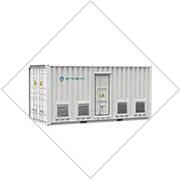
  • Thermal Control Mechanisms: Require integrated aerosol fire-suppression layouts and passive safety ventilation within the containerized setups.
  • Compliance Standard Certificates: Certify components under international regulations: IEC 62619, UL 9540A, and UN 38.3.

Technical Q&A (FAQ)

Expert Answers to Key Sourcing Questions

Why choose LFP chemistry over NMC for wind-power battery storage?
Lithium Iron Phosphate (LFP / LiFePO4) offers superior thermal stability, safety, and cycle life (6,000+ cycles) compared to Nickel Manganese Cobalt (NMC). This is crucial for stationary wind power systems, where safety and long operational lifespans are critical for achieving high ROI.
How does battery storage prevent grid curtailment issues?
When high wind speeds generate excess power that exceeds local transmission capacity or demand, the system stores the surplus directly in batteries. This energy is later dispatched back to the grid during periods of peak demand or low wind speeds.
What is the primary benefit of high-voltage battery designs over low-voltage designs?
High-voltage battery setups reduce currents flowing through system lines, which reduces energy loss and minimizes the thickness and cost of copper cables. They also operate with higher round-trip efficiency when coupled with high-power grid inverters.
Are Chinese energy storage batteries fully compatible with local standards in the EU and US?
Yes. Premier manufacturers like ELEMRO design and verify energy storage products to comply with critical international safety norms, securing certifications like CE, IEC, UL, and UN38.3 to ensure hassle-free custom clearances and local installations.

Want to optimize your wind farm performance with smart energy storage?
Submit an inquiry for custom configurations and factory pricing.

Inquiry For Pricelist