Explore our premium, certified product lines manufactured to meet the highest safety, density, and longevity standards.
The global transition to a decarbonized electricity framework has accelerated the demand for high-performance Energy Storage Systems (ESS). In the commercial, industrial, and residential segments, dynamic load balancing, peak shaving, and renewable integration represent the pillars of today's green economy. As a leading high-quality solar power energy storage manufacturer, ELEMRO Energy delivers structural reliability, innovative chemistry integrations, and grid-forming capabilities built to navigate modern power challenges.
Industrial operations require stable, high-availability power architectures. With unpredictable energy tariffs and increasingly frequent grid anomalies, businesses are leveraging containerized energy storage units to establish independent microgrids. Modern factories rely on high-capacity battery solutions to offset peak demands (Peak Shaving) and maximize the utilization of on-site photovoltaic (PV) generation. By storing surplus daylight solar generation, companies reduce their Levelized Cost of Storage (LCOS) and secure an uninterrupted power supply (UPS) during regional blackouts.
"Globally, commercial and industrial enterprises that deploy intelligent energy storage solutions report up to a 40% reduction in demand charges and a substantial increase in system resiliency."
From Building-Integrated Photovoltaics (BIPV) using cadmium telluride (CdTe) thin-film cells to large-scale utility battery containers, integrated solutions are displacing traditional passive electricity schemes. Multi-tier battery management systems (BMS) equipped with AI analytics enable predictive thermal runaway monitoring, keeping cells running inside their optimal thermodynamic profiles. High-quality solar storage plants act not only as backup systems but also participate actively in frequency response services and localized virtual power plants (VPPs).
Established in 2019 and headquartered in Xiamen, China, ELEMRO Energy has built an internationally recognized reputation for integrating R&D, production, and sales into a unified high-tech supply chain. Specializing in advanced lithium-ion and alternative solar modules, our solutions provide reliable energy pathways for a rapidly decarbonizing global community.
Our solutions are utilized by over 250 high-profile clients across Europe, Southeast Asia, Africa, the Middle East, and the Americas. ELEMRO's annual turnover is expected to exceed 50 million USD, illustrating a robust growth trajectory backed by sustained engineering investments.
Discover Our Methodology
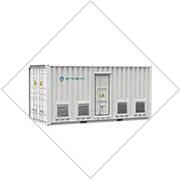
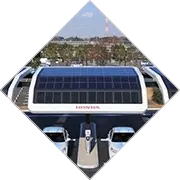
Our commitment to technical excellence is embedded in our cell chemistry and power management engineering.
Utilizing serialized cell designs to achieve higher nominal voltages. This architecture significantly lowers transmission current, decreases thermal generation, reduces copper loss, and boosts system-wide conversion efficiency up to 98.2%.
Using premium Grade-A Lithium Iron Phosphate (LFP) cells. Known for high thermal stability, minimal degradation, and safe performance across high temperature fluctuations. Ideal for commercial deployments requiring over 6,000 charge cycles.
Equipped with intelligent local BMS controllers that continuously log internal resistance, cell temperature, and voltage deviations. Relays metrics to central supervisory interfaces, allowing remote diagnosis and pre-emptive cell balancing.
Solar energy storage applications differ depending on geographical environments, local utility regulations, and structural limitations. ELEMRO Energy manufactures and optimizes system hardware for various global implementation modes:
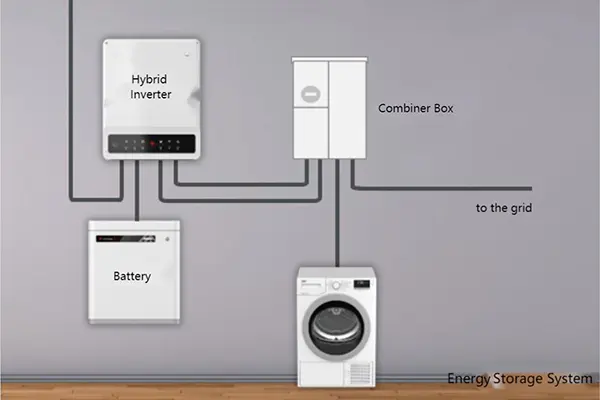
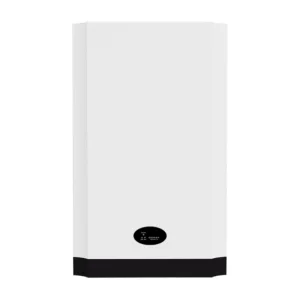
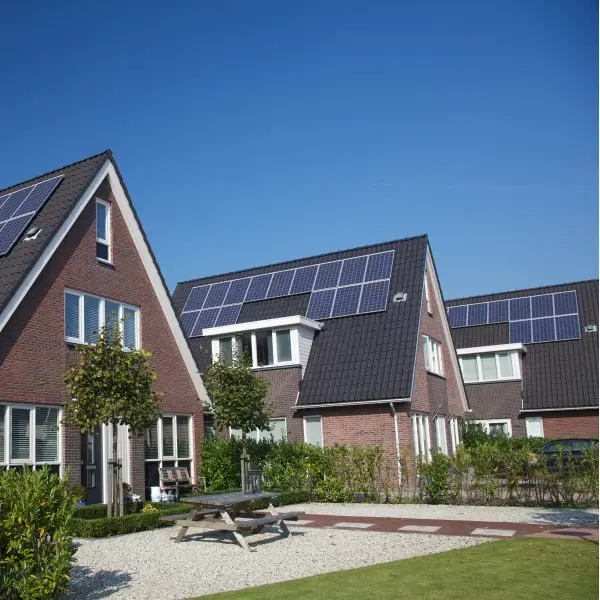
In regions with fragile grid infrastructure, such as parts of Southeast Asia, Africa, and the Middle East, residential configurations like the Elemro WHLV 10kWh LiFePO4 battery and the Elemro SHELL 14.3kWh provide continuous power. Their compact design integrates easily with standard single and three-phase residential systems, managing transition times below 10 milliseconds to prevent sensitive appliance resets during outages.
In highly industrialized areas, such as European economies, peak electricity demand charges contribute significantly to operational overhead. ELEMRO's high-capacity battery solutions provide real-time discharge support when facility loads peak, flattening the draw curve from the main utility grid. This capability helps commercial complexes lower monthly capacity charges.
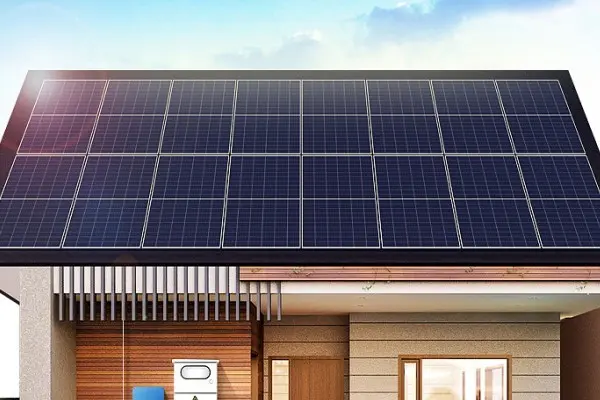
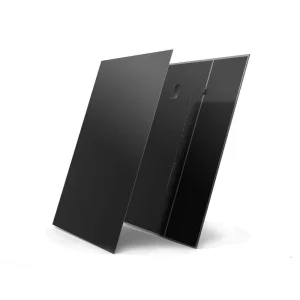
For modern architectural projects targeting carbon neutrality, ELEMRO provides CdTe (Cadmium Telluride) Thin-Film Solar Cells. BIPV installations convert facade glass surfaces into active solar generation units, matching aesthetic expectations while maintaining energy output under diffused light conditions.
Reliability requires strict testing. ELEMRO manufactures products that align with safety codes across different markets:
Lithium Cell Safety (UN38.3 & IEC 62619): All storage systems undergo drop testing, extreme temperature exposure, overcharge tolerance, and short-circuit simulations to prevent thermal runaway risk.
European Market Compliance: Our inverters and battery packs meet the necessary CE standards, supporting clean integration into European grids under grid-connection codes like VDE-AR-N 4105.
North American Codes (UL Standards): Key models are engineered to satisfy UL 1973 (batteries in stationary applications) and UL 9540A (thermal runaway propagation assessment), which are crucial for navigating commercial building permit reviews.
ELEMRO Energy is actively researching future technologies to improve battery performance:
Solid-State Cell Technology: Our research aims to transition from liquid electrolytes to solid-state formats, targeting higher energy densities and enhanced safety profiles.
AI-Optimized Energy Management (EMS): Future systems will integrate predictive AI algorithms that analyze local weather forecasts, historic consumption data, and dynamic utility pricing to optimize battery charging and discharging cycles.
Bi-directional V2G Integration: Developing localized charging interfaces that enable electric vehicles to function as dynamic power sources during grid instability.
Explore technical details for some of our flagship products designed for diverse deployment scenarios.
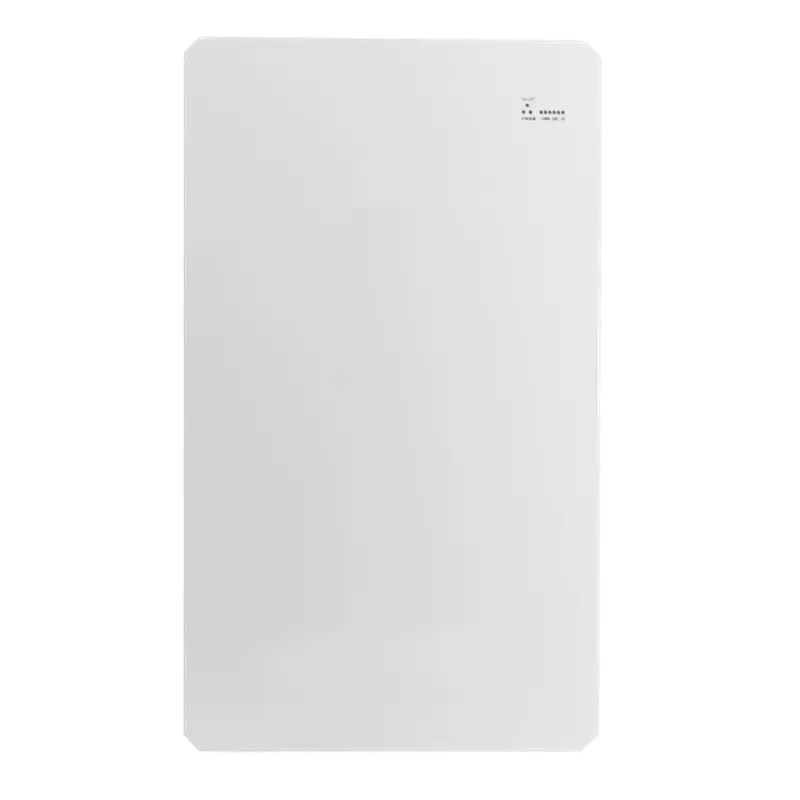
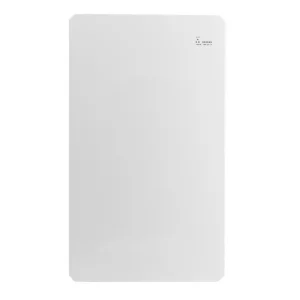
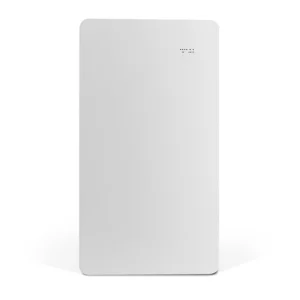
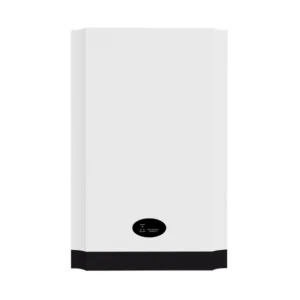
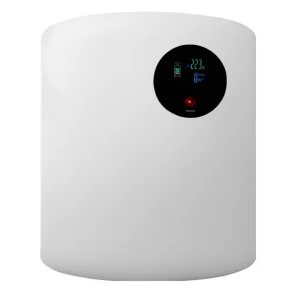
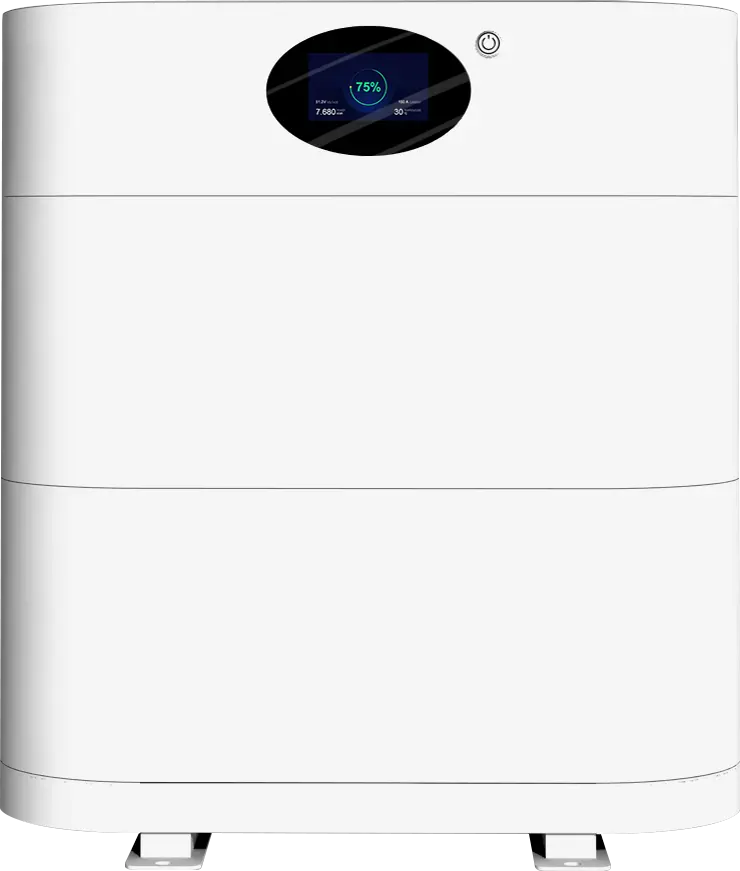
Compact residential design featuring integrated thermal management and automated monitoring.
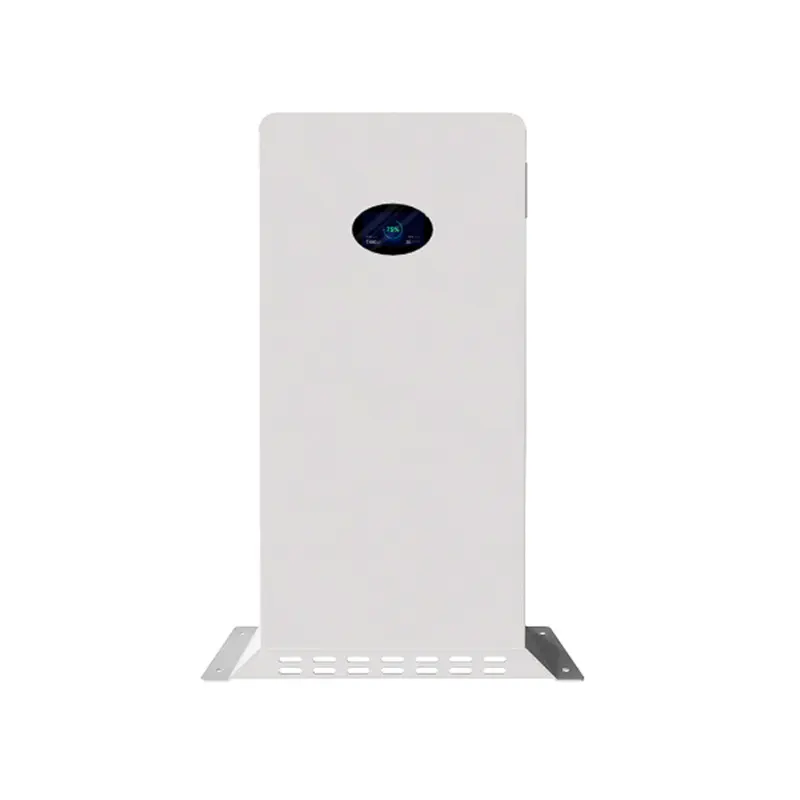
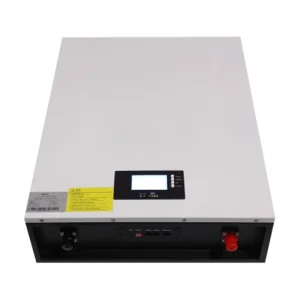
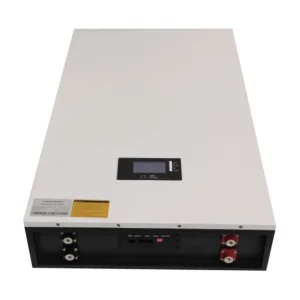
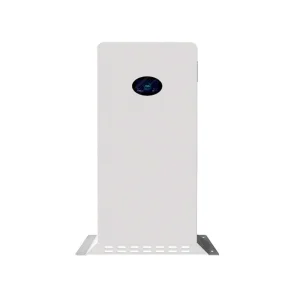
Low-voltage system designed for residential backup integration and clean inverter pairing.
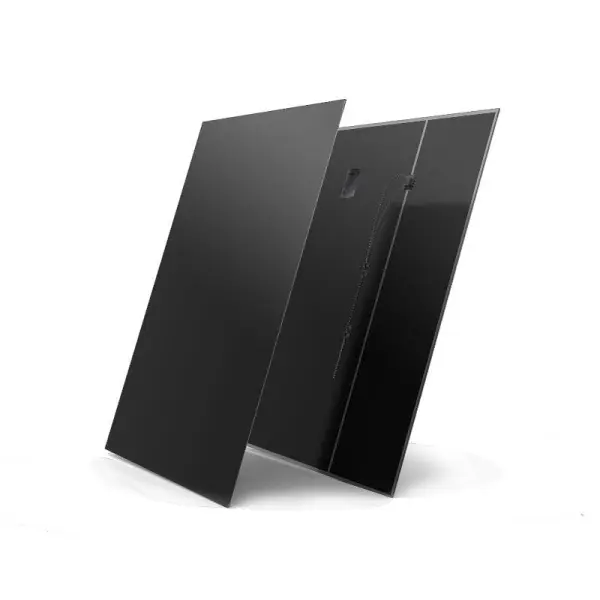
Aesthetic solar glass solution optimized for building facades and integrated architectures.
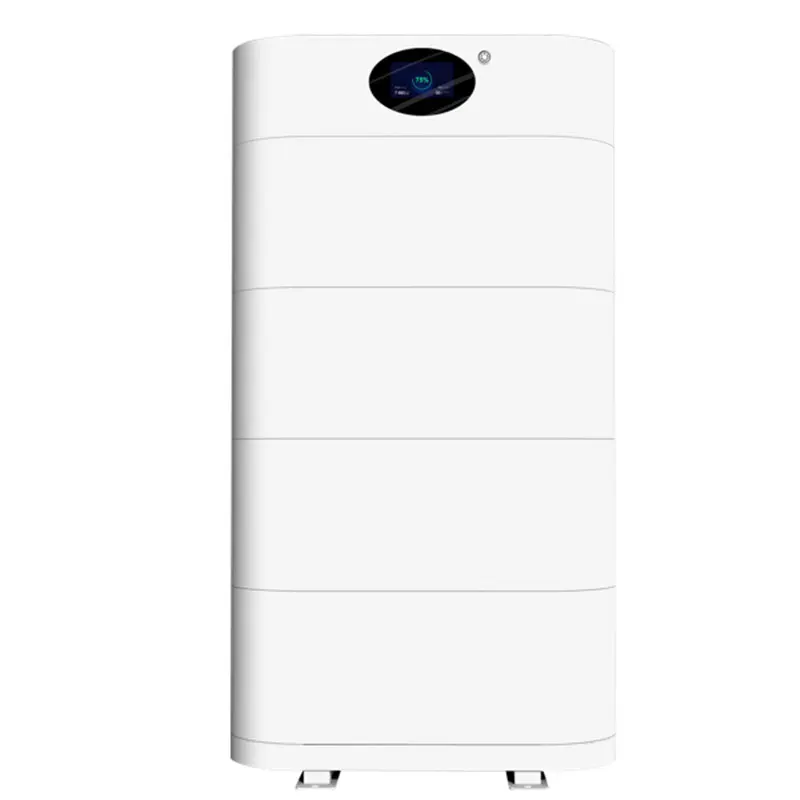
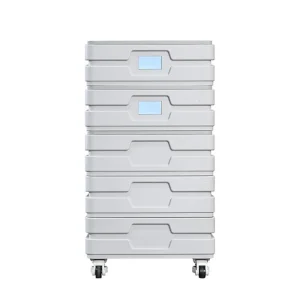
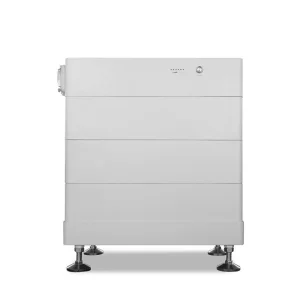
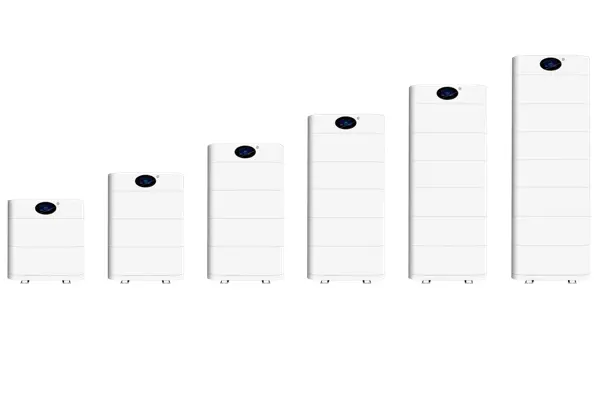
Serialized, stackable design built to lower system losses in commercial and industrial settings.
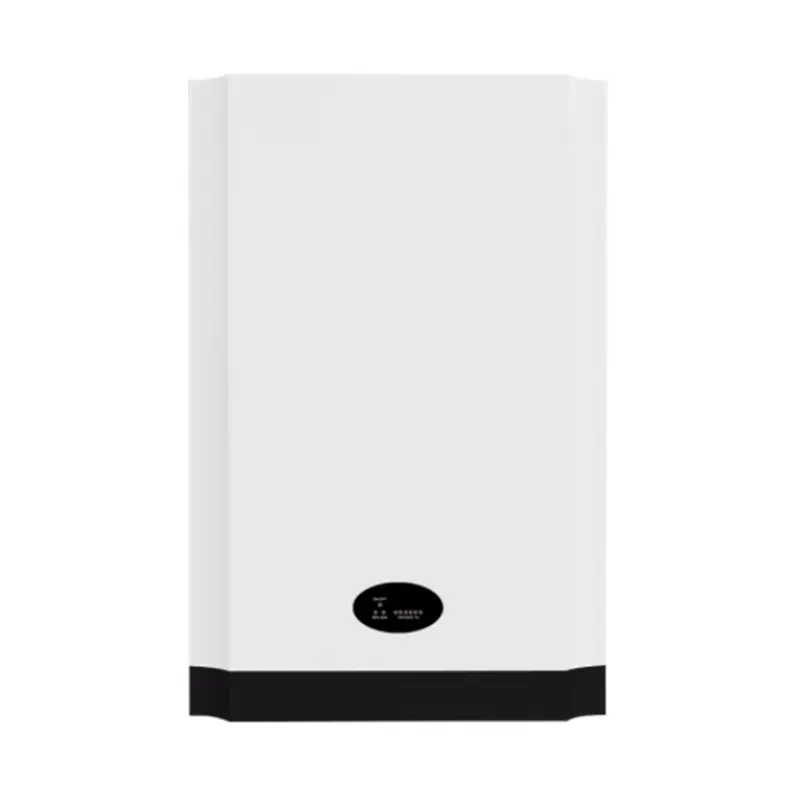
Wall-mountable configuration offering high energy density and long cycle life for domestic backup.
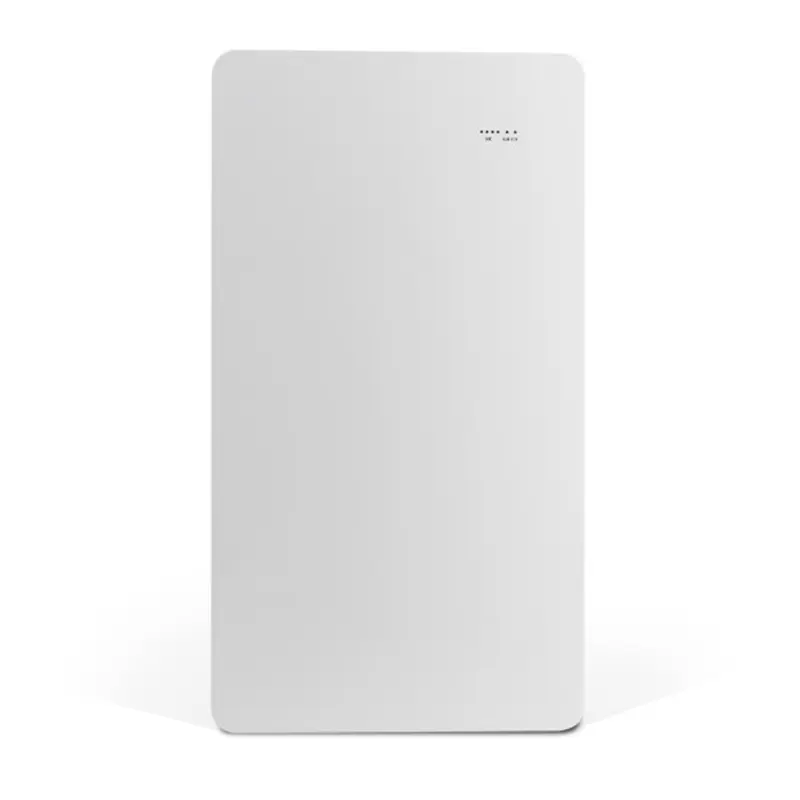
High-capacity modular enclosure designed to support critical building loads during outages.
Connect with our engineering and sales teams to request detailed specifications, custom system sizing, and regional project estimates.
Stay updated with our engineers' analyses of industry developments, system design guides, and global exhibitions.
Technical guidance and installation insights from ELEMRO Energy's engineering team.
Answer: Low-voltage batteries (typically 48V) are commonly used in residential installations up to 20kWh. They offer easy scaling and simple installation. High-voltage energy storage systems connect multiple cell packs in series to achieve system voltages between 200V and 800V. This higher voltage setup reduces operational current, leading to lower thermal loss, smaller cable cross-sections, and improved conversion efficiency in commercial and utility-scale systems.
Answer: LiFePO4 (LFP) offers significant safety and longevity advantages. LFP chemistry exhibits a higher thermal runaway threshold (around 270°C) compared to NMC (around 210°C). It also provides a cycle life of 5,000 to 8,000 cycles at 80% Depth of Discharge (DoD), whereas NMC systems typically cycle between 2,000 and 3,000 times before degradation. LFP is also free of cobalt and nickel, making it more environmentally stable and cost-efficient over the lifecycle of the system.
Answer: Our Cadmium Telluride (CdTe) thin-film solar glass cells feature strong weak-light absorption characteristics, allowing them to generate energy in shaded or overcast conditions where traditional crystalline silicon modules experience significant output drops. The thin-film structure is less sensitive to temperature changes, providing consistent generation performance across variable weather patterns.
Answer: In the US, cells must comply with UL 1973, and integrated systems require UL 9540 listing, along with UL 9540A thermal runaway propagation testing. In the EU, compliance with CE directives, EN 62477-1, and IEC 62619 is required. Inverters must also align with country-specific grid codes, such as VDE-AR-N 4105 in Germany or G99 in the UK.
Answer: The EMS monitors building demand in real time. When consumption approaches a preconfigured threshold, the system automatically triggers the battery storage system to discharge and support the load, preventing the facility from crossing into a higher utility demand charge tier.
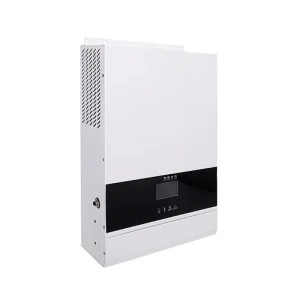
Review our secondary selection of certified solar batteries, advanced thin-film modules, and high-frequency utility inverters.




 Elemro Energy