Engineered for High-Performance Residential, Commercial, and Industrial Grid Parity
Evaluating the Levelized Cost of Storage (LCOS) and Regulatory Influences on B2B Procurements
As the international community intensifies its efforts to achieve carbon neutrality, the integration of renewable energy sources has shifted from a tertiary regulatory goal to a primary industrial imperative. Energy storage technologies, specifically Lithium Iron Phosphate (LiFePO4) chemistries, stand at the heart of this revolution. However, the commercial viability of switching to clean energy systems hinges upon the calculation of the Solar Power Battery Cost. Over the last decade, battery costs have experienced a dramatic deflationary curve. In the early 2010s, cell prices exceeded $1,000 per kWh; today, utility-scale battery modules often cross the thresholds below $100 per kWh at the pack level, with residential modular solutions hovering slightly higher due to additional integrated battery management systems (BMS) and design factors.
From an enterprise perspective, evaluating a storage project requires calculating the Levelized Cost of Storage (LCOS). LCOS measures the total lifetime cost of the battery system divided by its cumulative energy throughput. Key factors defining LCOS include the initial capital expenditure (CAPEX), the depth of discharge (DOD), cycle durability (typically exceeding 6,000 cycles at 80% capacity for Tier-1 cells), round-trip efficiency (ranging between 92% and 98%), and operational maintenance costs (OPEX). High-quality engineering standards are vital, as cheaper, substandard systems may present a lower initial CAPEX but fail early, leading to higher LCOS due to premature cell replacement and systemic downtime.
Lifecycle at 80% DOD
Round-Trip Efficiency
Projected 2023 Turnover
Global Active B2B Customers
Geopolitically, the solar power battery supply chain has evolved into a highly consolidated structure. Global policy frameworks, such as the United States Inflation Reduction Act (IRA) and the European Green Deal, have created complex compliance structures. Despite Western efforts to build domestic supply chains, the concentration of raw material refining capacity—such as lithium, cobalt, and synthetic graphite—and battery cell manufacturing remains centered in the Asia-Pacific region. This geographic concentration highlights the crucial role played by specialized manufacturer ecosystems, which balance cost efficiency with global standards compliance.
Established in 2019, Xiamen, China: An Industry Leader in Global Solar Storage Solutions
Established in 2019 and headquartered in the high-tech industrial hub of Xiamen, China, ELEMRO Energy has positioned itself as an industry leader in clean energy storage and electrical product solutions. Combining advanced R&D, state-of-the-art production capacities, and localized sales channels, ELEMRO provides custom solutions for over 250 institutional customers across Europe, Southeast Asia, Africa, the Middle East, and the Americas.
Driven by robust demand for high-quality energy storage systems (ESS), ELEMRO’s revenue has grown rapidly year over year. The company's annual turnover is expected to exceed 50 million USD in the fiscal year 2023. This growth reflects ELEMRO's commitment to reliability, performance, and cost engineering, offering B2B buyers premium battery technologies that optimize return on investment (ROI) across various scales.

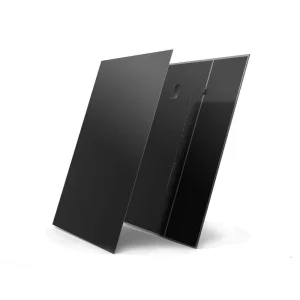
Specialized high-transmission glass designed for maximum photovoltaic conversion and extreme structural resistance.
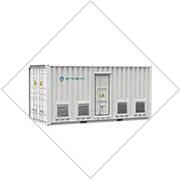
Megawatt-scale containerized systems for utility power grids, including temperature control and fire protection.
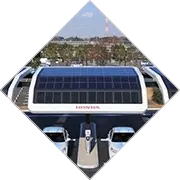
Integrated steel structure photovoltaic frameworks offering shade and clean electricity for commercial EV charging.
Understanding the Operational Efficiencies that Drive Down Solar Power Battery Cost
The concentration of battery manufacturing capacity in China is not merely a product of labor arbitrage; it is a result of advanced supply chain design. The primary factor driving down the Solar Power Battery Cost is vertical integration. Chinese factories operate in close geographic proximity to the entire upstream value chain, including lithium carbon refining, cathode formulation, anode manufacturing, separator production, and automated battery pack assembly. This close physical integration reduces transport costs, lowers raw material inventory requirements, and speeds up R&D design changes from months to days.
Moreover, Chinese battery gigafactories employ advanced automation in manufacturing. Highly automated production lines utilize industrial robotics, automated optical inspection (AOI), and artificial intelligence-driven defect detection models to monitor each cell's uniformity. This manufacturing precision yields high cell consistency, which is vital for large-scale series-parallel battery banks. Standardized manufacturing allows companies like ELEMRO to maintain high QA standards while offering pricing structures that outperform alternative Western suppliers.
Access to localized raw material processing reduces exposure to international logistics friction and customs delays.
High production volumes enable substantial economies of scale, driving down marginal production costs per watt-hour.
Machine-learning-assisted optical sorting ensures only matching internal resistance cells are paired in a single module pack.
Deploying Targeted Battery Systems from Household Smart Grids to Micro-Grid Installations
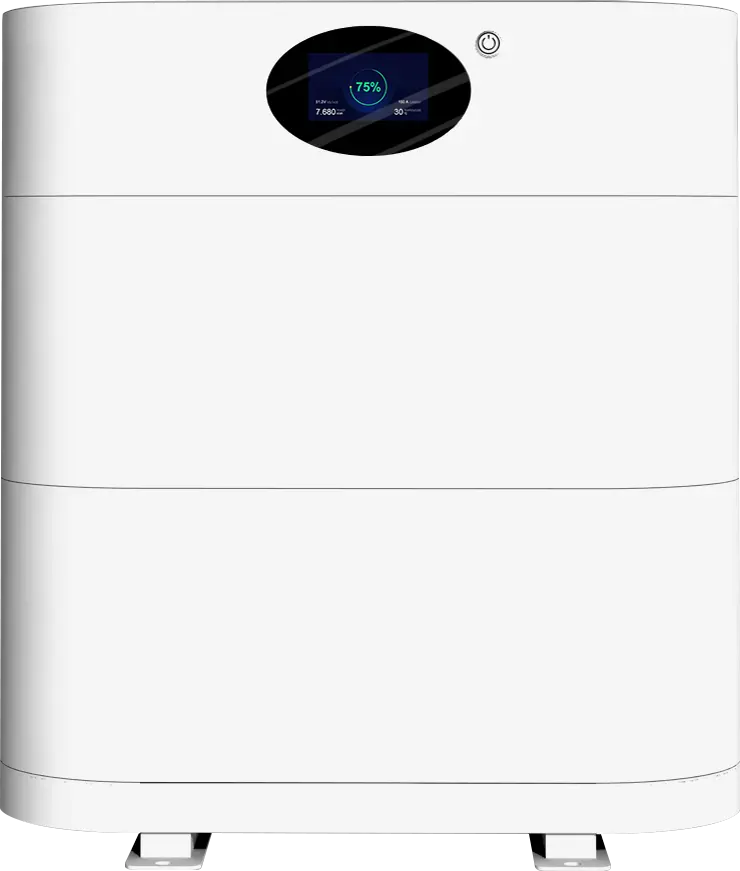
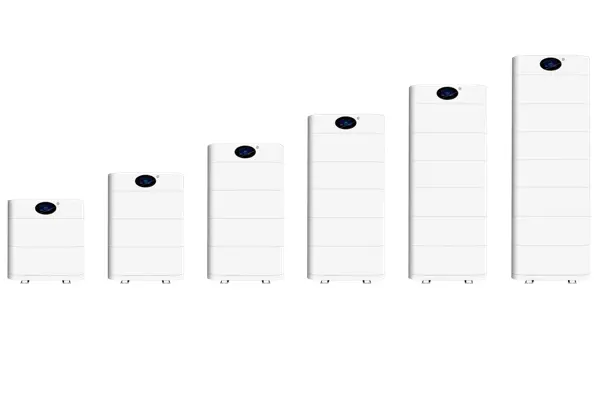
Modern battery technologies must be tailored for specific environmental and application requirements. A home energy storage system in Germany requires different attributes than a micro-grid setup in Southeast Asia. For residential properties, safety, quiet operation, and space optimization are paramount. Systems like the Elemro SHELL 14.3kWh Solar Backup Battery and the stackable High-Voltage LiFePO4 Systems feature modular structures that allow easy indoor or outdoor installation. They integrate with home EMS systems to store cheap off-peak electricity or surplus solar energy, reducing peak-rate power consumption from the grid.
In the commercial and industrial sector (C&I), applications expand to peak shaving, load leveling, and backup power. High-voltage energy storage systems enable facilities to run heavy machinery without incurring high grid peak fees. For agricultural and rural properties, BIPV projects utilizing CdTe (Cadmium Telluride) thin-film solar glass integrate solar energy directly into building envelopes, allowing vertical surfaces to generate electricity. This generated power is then stored in modular battery systems like the Elemro WHLV 10kWh Lifepo4 Storage, forming a self-sufficient energy system.
Designed to store daylight PV energy, increasing solar self-consumption from 30% to over 80% with smart scheduling software integration.
Reduces utility demand charges for manufacturing facilities by automatically discharging the battery system during peak usage hours.
Provides critical backup power systems for remote installations, healthcare facilities, and regions with unstable utility infrastructure.
Start a green and convenient life with Elemro Energy.
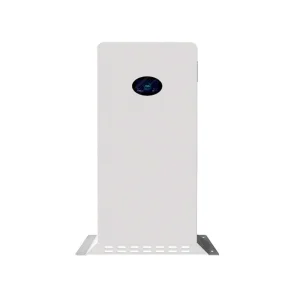
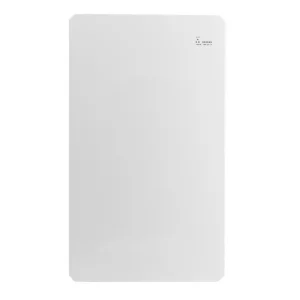
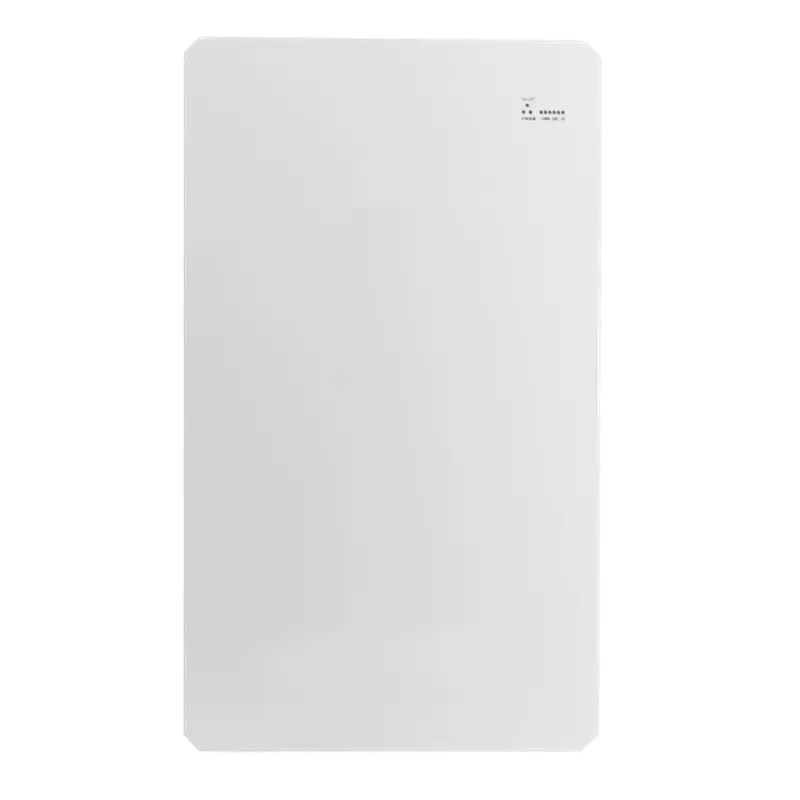
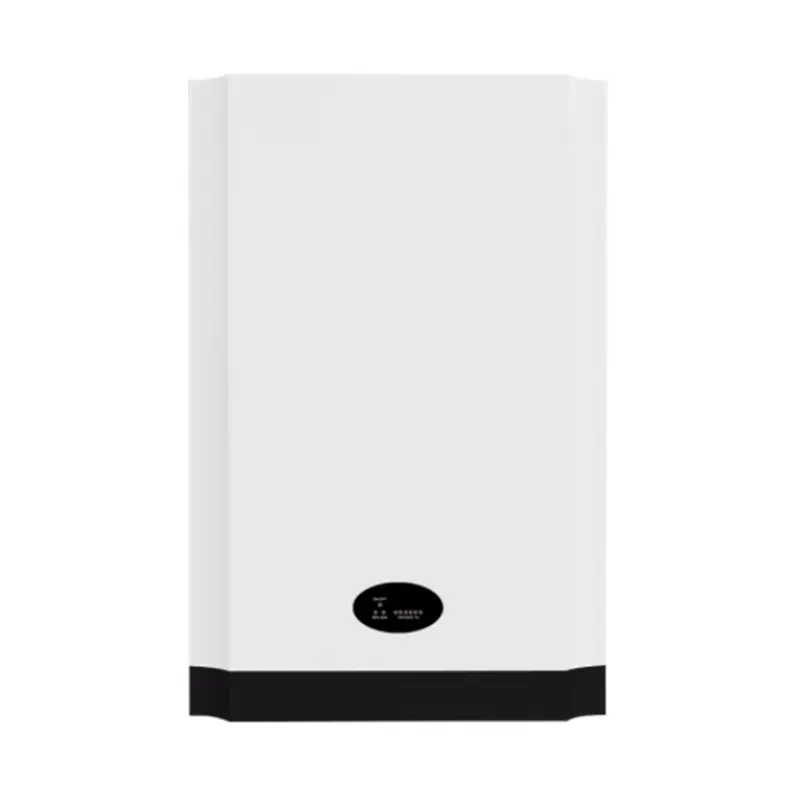
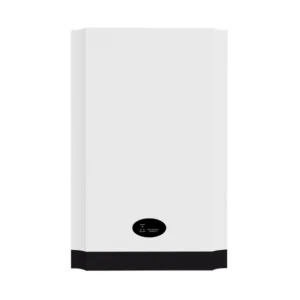
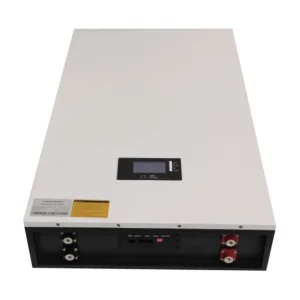
Integrated wall-mounted slim profile energy storage designed for high space-efficiency in residential installations.
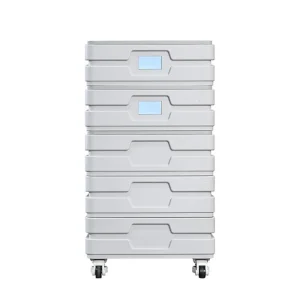
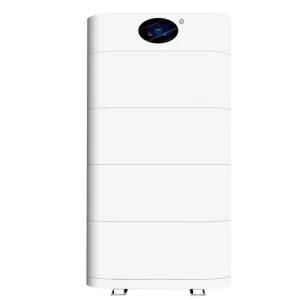
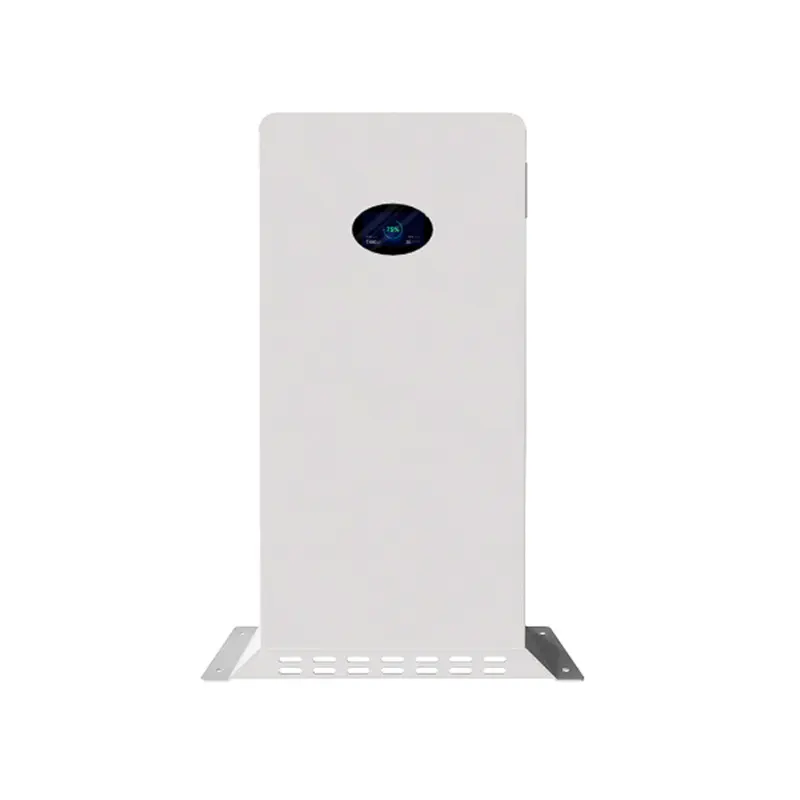
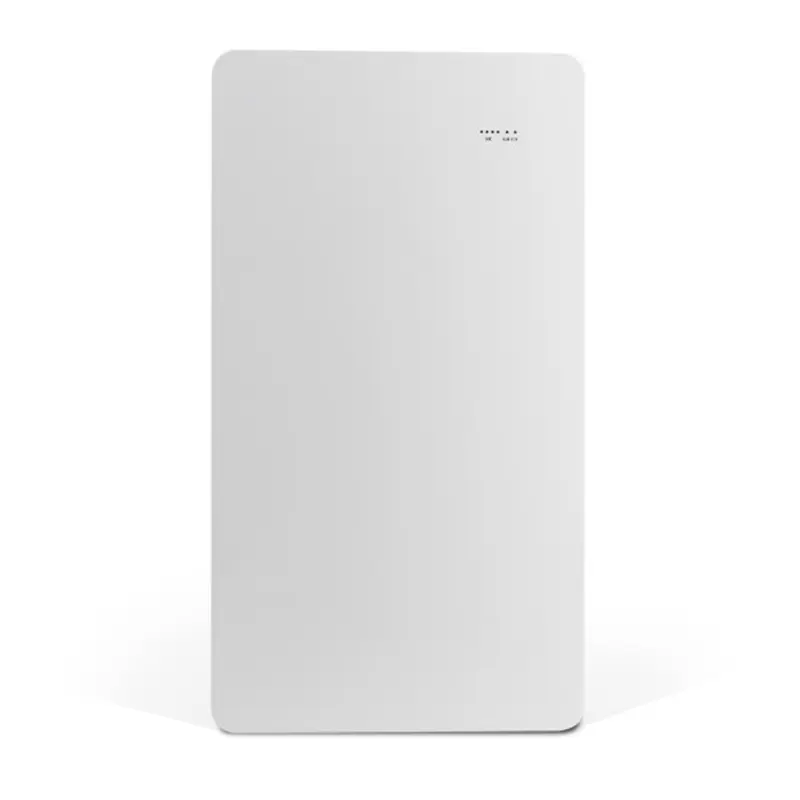
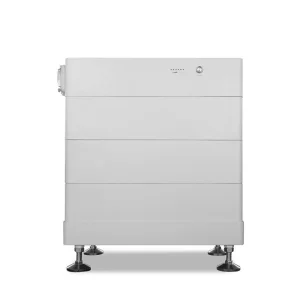
Low-voltage, high-capacity modular battery systems customized for reliable residential backup applications.
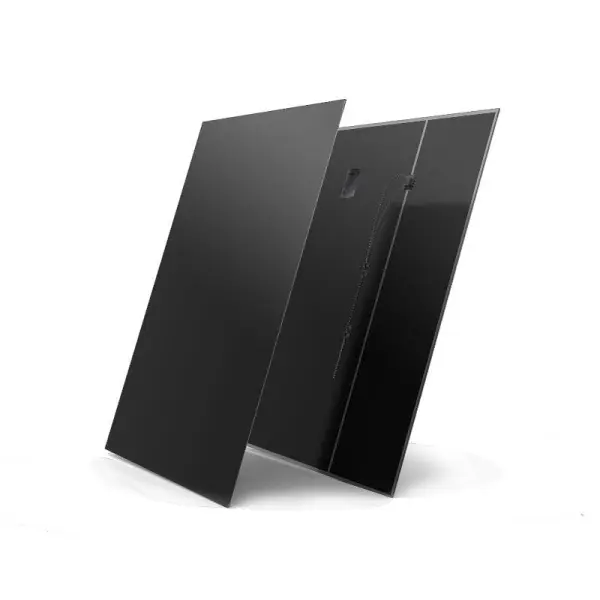
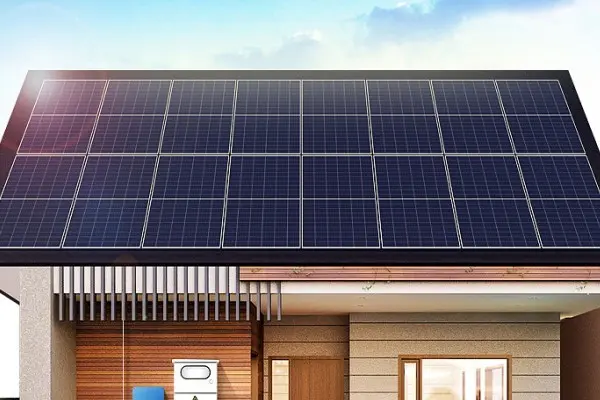
Innovative Cadmium Telluride building-integrated photovoltaics offering superior generation in low light.
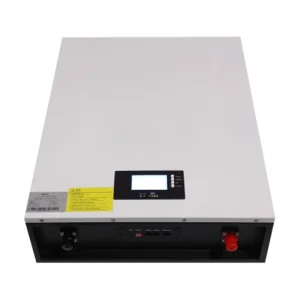
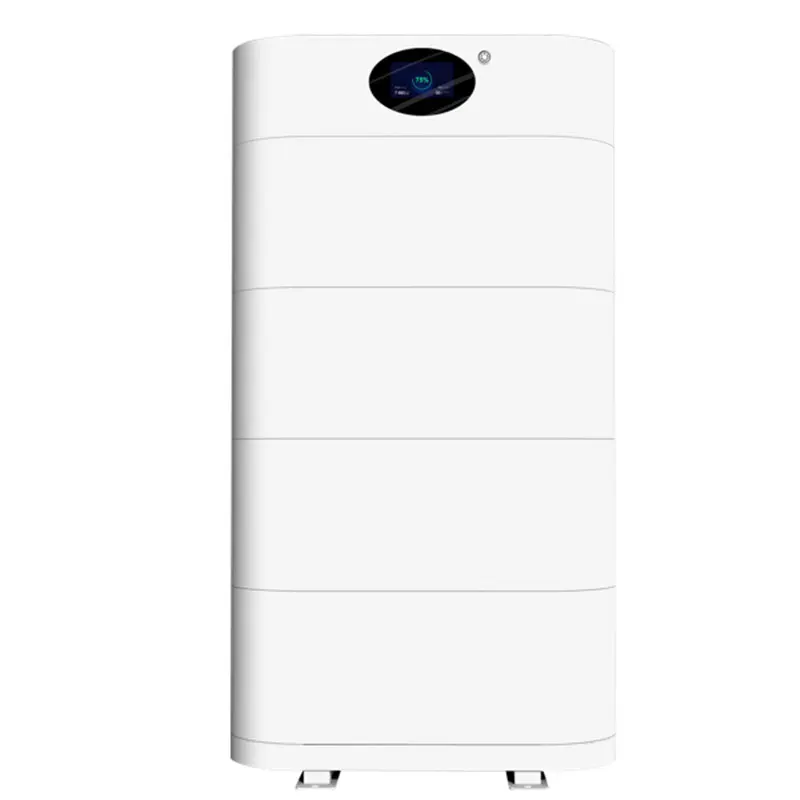
High-voltage battery setups designed to connect directly with industrial inverters, minimizing conversion losses.
Prismatic LFP battery cells offering 6000 cycles, intelligent smart BMS management, and complete modularity.
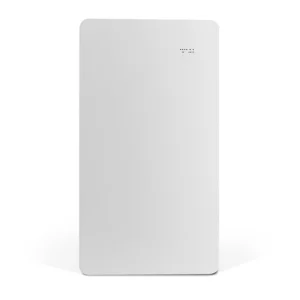
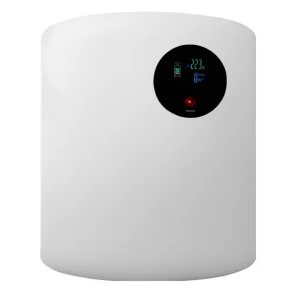
Large-scale home backup solution with premium dynamic thermal management for extreme hot and cold zones.
Key Procurement Requirements for International Distributors, System Integrators, and EPC Contractors
For procurement professionals, buying solar power batteries involves complex risk management. Evaluating price-per-kilowatt-hour is only the first step. To ensure a battery system's reliability, B2B buyers must prioritize structural and electrical safety standards. Battery systems must possess international certifications, including UN38.3 for shipping safety, IEC 62619 for industrial storage, UL 1973 for stationary storage applications, and CE / VDE2510-50 for European installation compliance. These certifications verify that the battery pack has undergone testing for thermal runaway propagation, short circuits, drop tests, and mechanical deformation.
Furthermore, the performance of the Battery Management System (BMS) is a critical factor. The BMS acts as the safeguard of the energy storage system. It monitors the cell voltage, current flow, and temperatures of individual modules. Advanced features, such as active balancing, over-voltage/under-voltage protection, and integration with leading hybrid inverters (via CAN/RS485 communication protocols), are required. Selecting systems with Tier-1 A-grade prismatic LiFePO4 cells ensures low capacity degradation over time, guaranteeing that a commercial project preserves its capacity profile through its operational lifetime.
Top manufacturers implement strict selection criteria for incoming raw materials. Cell matching is based on close voltage, internal resistance, and capacity thresholds. This matching is critical to preventing imbalances within series connections, which can lead to localized capacity degradation and system faults.
Modern commercial battery systems must support multi-protocol communications. Integration with mainstream inverter brands like SMA, Growatt, Victron, Deye, and Solis ensures plug-and-play installation, reducing commission times on site.
Stay informed with current developments in solar energy technology, inverter design, and micro-grid systems
Jul 07, 2023
Nov 26, 2023
Nov 10, 2023
For inquiries about our products or pricelist, please leave your contact info below, and our engineering team will get in touch with you within 24 hours.
Inquiry For PricelistExpert insights from our engineering and cost-control department regarding battery deployments
A: The long-term cost of a solar power battery is primarily determined by its cycle life, depth of discharge (DOD), chemistry composition, cell grade, and manufacturing quality. While lower-grade cells may offer cheap initial CAPEX, high-grade LiFePO4 cells with smart BMS provide more charge-discharge cycles (often exceeding 6,000 cycles at 80% DOD), lowering the Levelized Cost of Storage (LCOS) and providing better lifetime ROI.
A: LiFePO4 chemistry offers superior thermal and chemical stability compared to Nickel Cobalt Manganese (NCM) chemistry. It has a significantly higher thermal runaway temperature threshold, lower fire hazard profile, and a longer lifecycle (typically twice that of NCM cells), making it the optimal choice for stationary home and commercial energy storage systems.
A: Extreme temperatures affect battery performance. Low temperatures increase internal resistance and reduce usable capacity, while high temperatures accelerate degradation of active materials. Premium battery systems, such as ELEMRO's Shell series, integrate intelligent BMS temperature regulation to keep cells running within their optimal temperature range, ensuring consistent performance and a longer operational lifespan.
A: Low-voltage battery systems (typically 48V) are common in residential installations, offering easy installation and scalability. High-voltage battery systems (typically 200V to 400V+) connect directly to high-voltage hybrid inverters. This design reduces conversion losses and allows higher power output, making it suitable for commercial and industrial (C&I) micro-grids.
A: Every ELEMRO battery pack undergoes rigorous testing, including charge-discharge cycling, cell balancing verification, high-temperature testing, and mechanical vibration simulation. We prioritize components from Tier-1 cell manufacturers and comply with international certifications like UN38.3, CE, and IEC 62619 to ensure reliable safety performance during transport and operation.
Certifying our systems to international safety and quality standards





Explore our highly integrated models designed for residential and business infrastructure scaling
 Elemro Energy