Explore our industrial and commercial energy systems engineered for maximum yield and longevity.
Analyzing the macro-economic and engineering paradigms driving decentralized energy infrastructure.
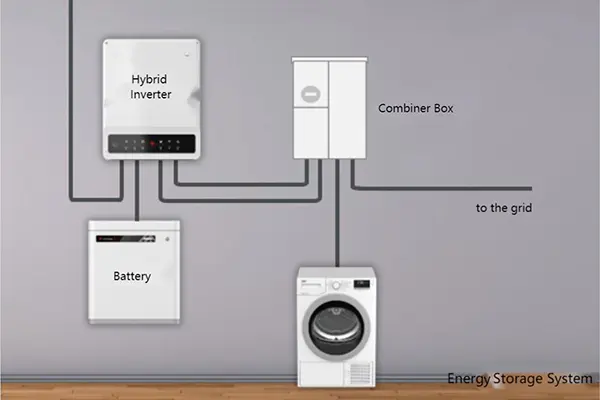
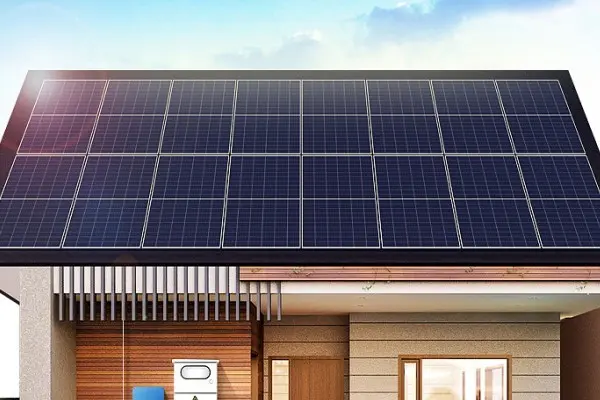
By pairing solar photovoltaic arrays with utility-grade battery storage, C&I installations effectively mitigate steep demand charges. Storing excess solar yield during mid-day troughs and releasing it during evening peaks dramatically flattens the utility draw profile, realizing direct operating cost reductions.
The Levelized Cost of Storage (LCOS) is the defining metric for energy storage bankability. Our deployment of advanced Lithium Iron Phosphate (LiFePO4) chemistries, coupled with optimized cell-to-pack engineering, drives cycle life past 6,000 cycles at 80% Depth of Discharge, bringing LCOS down to record lows.
Modern commercial operations demand uninterrupted power supply (UPS) capabilities. Seamless millisecond-level transit switching configurations enable solar-plus-storage platforms to function as fully islandable microgrids, protecting highly sensitive equipment from transient grid sags.
We provide cleaner energy for a greener world through advanced clean-tech manufacturing.

Established in 2019, headquartered in Xiamen, China, ELEMRO Energy has specialized in new energy storage and electrical product solutions with rich industry experience. We stand as a market leader in the new energy industry by unifying state-of-the-art R&D, high-compliance production facilities, and global sales channels.
Our comprehensive portfolio has been successfully deployed to more than 250 corporate and utility customers across Europe, Southeast Asia, Africa, the Middle East, and the Americas. ELEMRO's annual turnover is expected to exceed 50 million USD in year 2023, reflecting rapid annual expansion backed by strict adherence to ISO 9001, CE, and UN38.3 standards.
About UsGlobal Industrial Customers
Expected 2023 Turnover (USD)
Year of Founding & Innovation
Battery Cycle Life Performance
A granular look at Capital Expenditures (CAPEX), Operational Expenditures (OPEX), and ROI drivers in modern grid configurations.
| System Configuration | Average CAPEX ($/kWh) | Expected Lifespan | Primary Commercial Use-Case | Key Economic Driver |
|---|---|---|---|---|
| BIPV Solar Panel Assemblies (CdTe Thin-Film) | $180 - $260 / kWp | 25+ Years | Architectural Building-Integrated PV | Reduces structural cladding costs, offsets retail grid electricity. |
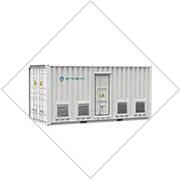
| C&I Containerized Storage Systems (LFP Chemistry) | $280 - $370 / kWh | 15 Years (6000+ Cycles) | Peak Shaving, Microgrid, Load shifting | Elimination of local peak-demand charges. |
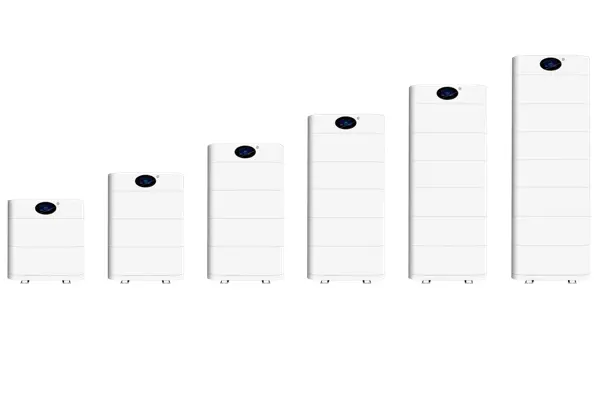
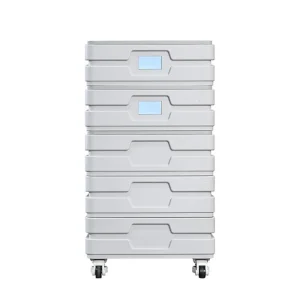
| Residential Solar Backup Battery Storage (5kWh - 14kWh Stackable) | $400 - $550 / kWh | 10 - 15 Years | Backup resilience, self-consumption maximization | Protects household assets from grid interruptions, utilizes solar tariffs. |
When procurement officers evaluate the cost of solar panels with battery storage, focusing purely on initial CAPEX yields an incomplete assessment. Evaluating the system through the lens of Levelized Cost of Storage (LCOS) is critical. LCOS calculates the total cost of energy discharged over the life of the system, factoring in round-trip efficiency, degradation rates, temperature-derating, and inverter replacement costs.
Using premium cell matching and active battery management systems (BMS), ELEMRO systems achieve a high round-trip efficiency of 92% to 95%. This minimizes electrical losses during the charge/discharge sequence, reducing thermal stress on cells, and lowering long-term OPEX.
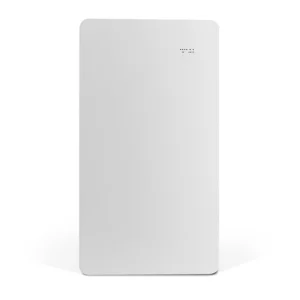
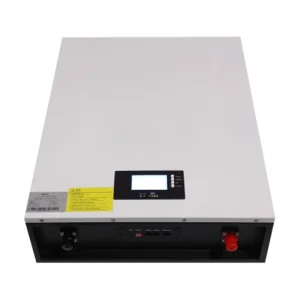
Standardized high-voltage configurations built for plug-and-play field installation.
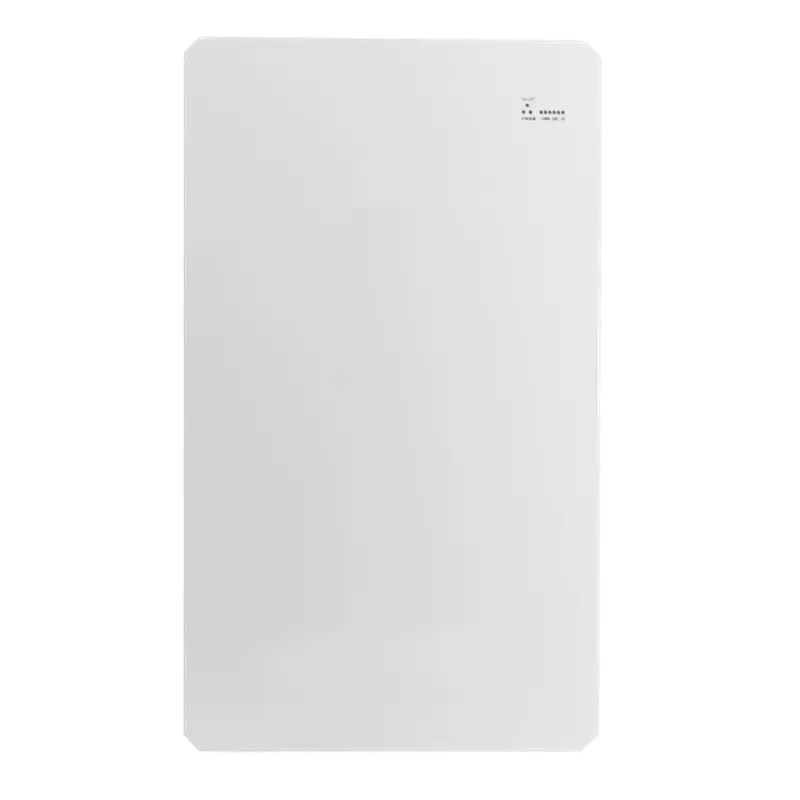
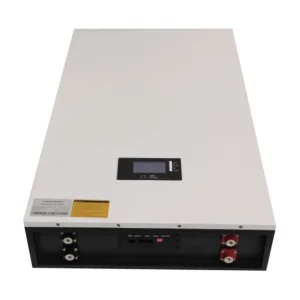
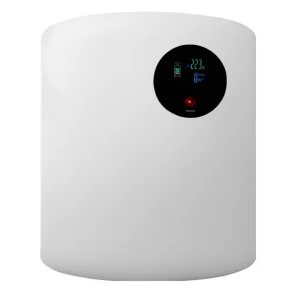
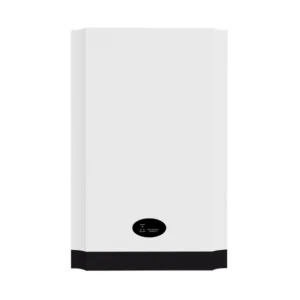
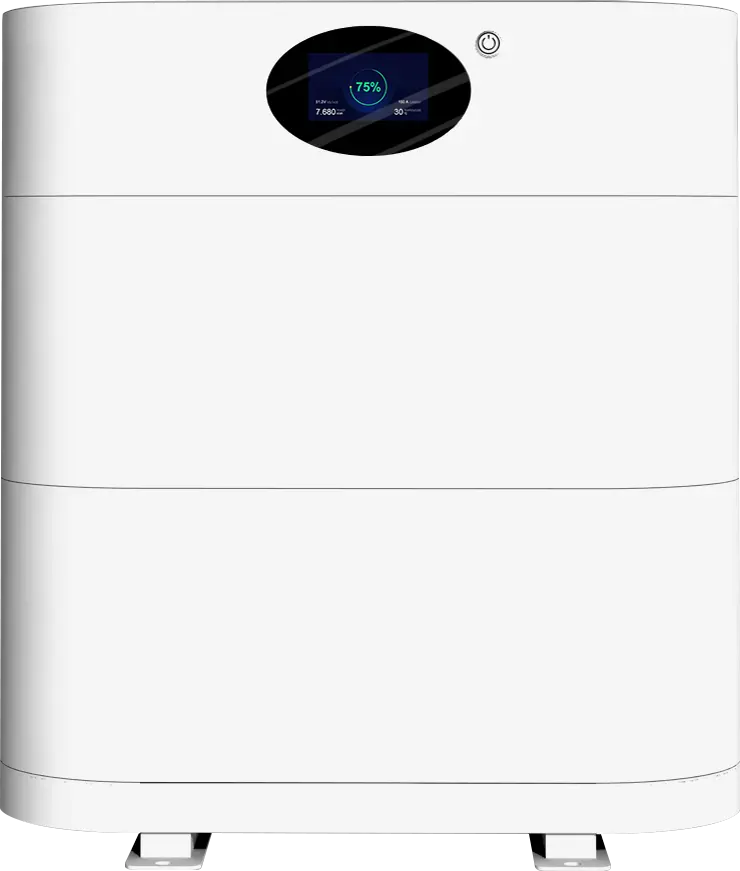
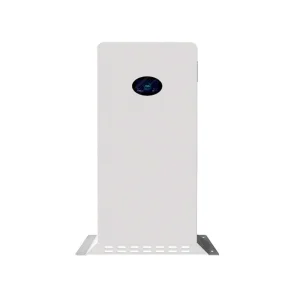
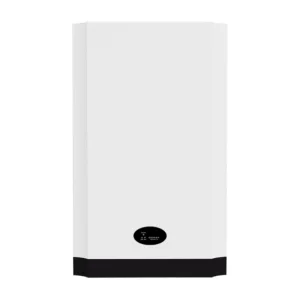
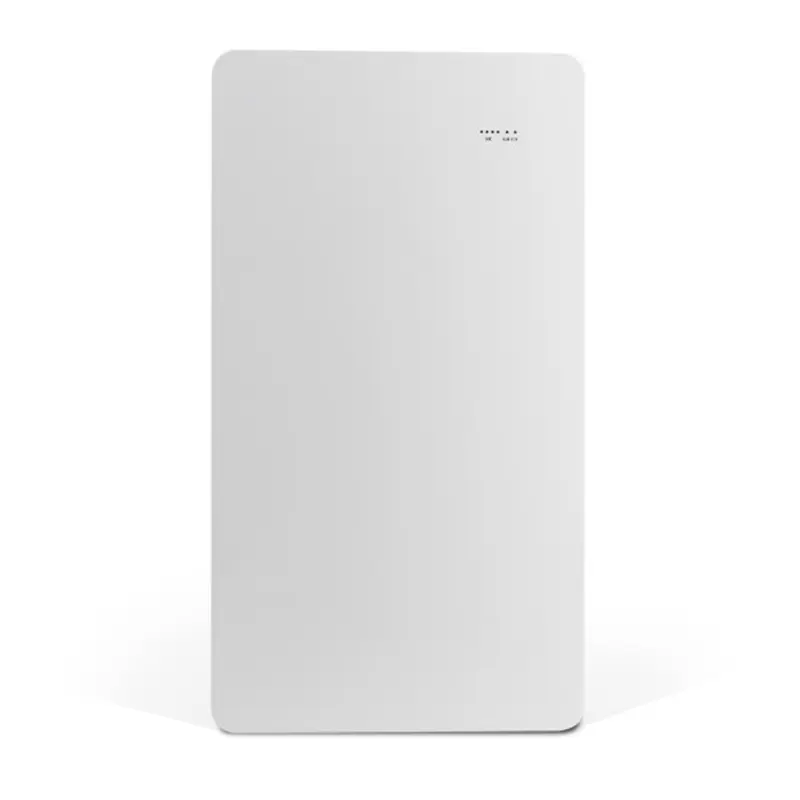
Built with LiFePO4 cells and integrated smart safety features. Features wall-mountable hardware, optimal heat dissipation, and an integrated interface for multi-brand solar system power inverters.
Learn More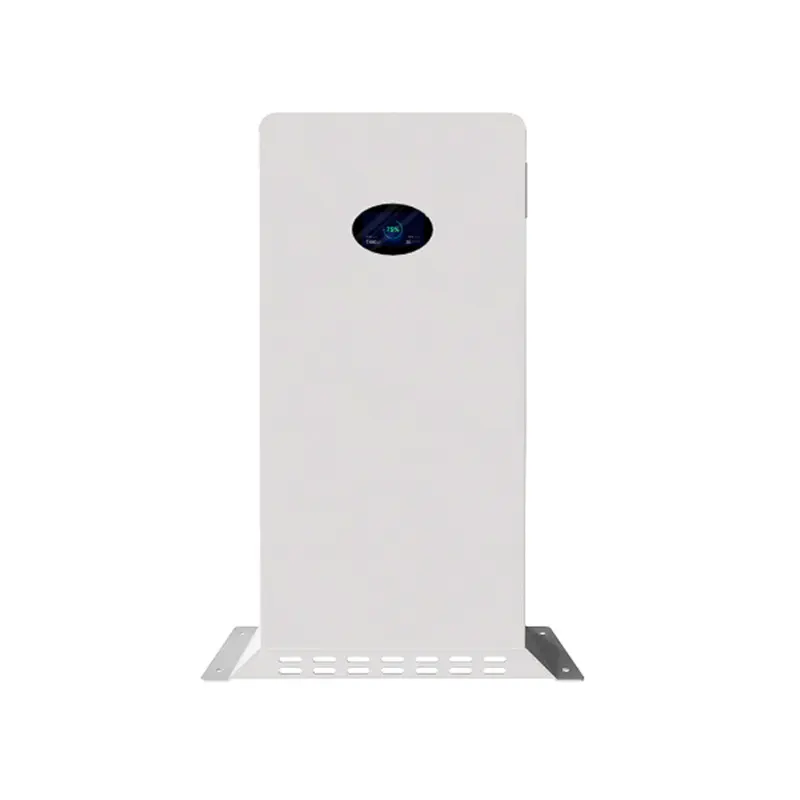
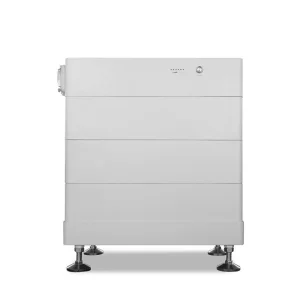
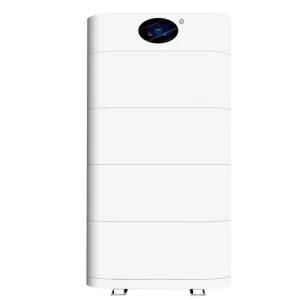
Designed for scalable integration. Ideal for medium-scale solar array projects. High capacity ensures sustained power supply during low solar radiation periods.
Learn More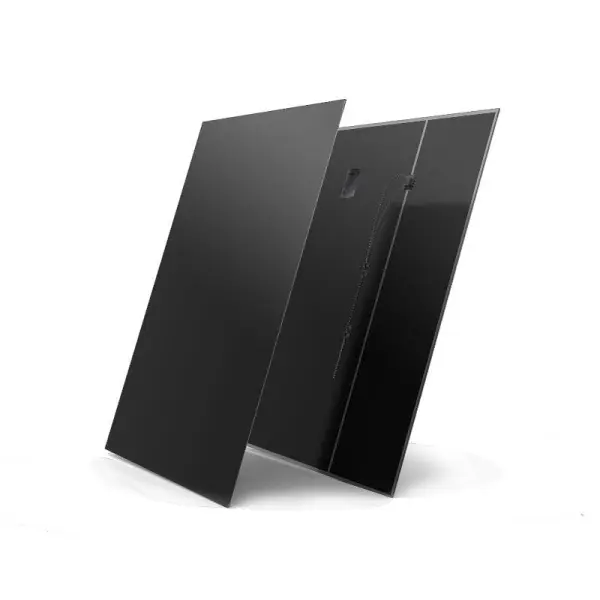
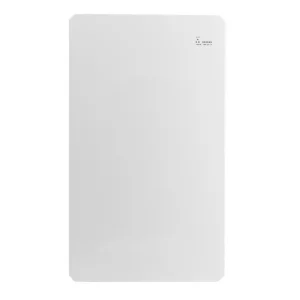
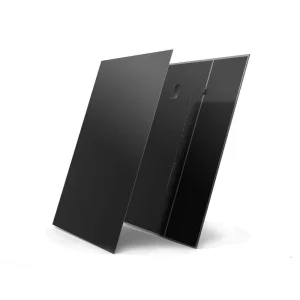
Engineered for Building-Integrated Photovoltaic (BIPV) installations. Exceptional performance under low-light environments, high heat coefficient tolerance, and robust aesthetics.
Learn MorePioneering high-density chemical storage topologies and AI-enabled energy management software.
By shifting away from nickel and cobalt, ELEMRO guarantees cell safety and materials circularity. The high thermal stability of LiFePO4 eliminates the risk of catastrophic thermal runaway, meeting strict municipal safety codes.
Modern string inverters perform best at higher DC operating voltages (up to 800V). Our high-voltage stackable battery design reduces line current, minimizes copper cable requirements, and improves total round-trip conversion efficiency.
Future grids require smart scheduling. Our next-generation EMS leverages localized machine learning models to forecast solar generation alongside site consumption profiles, optimizing power split ratios dynamically.
Ensuring cross-border certification standards to minimize grid interconnection friction.
Entering international utility environments requires compliance with complex safety guidelines. Our products undergo third-party testing in accordance with rigorous global standards, including:
Complies with UL 1973 for battery packs and UL 9540A for thermal runaway propagation test standards, ensuring rapid permitting with local authorities.
Certified under IEC 62619 and IEC 63056, guaranteeing physical and electrical safety parameters under severe environment and transport loads.
Mandatory certification for secure international sea, land, and air freight, eliminating logistics issues and customs clearance delays.
Stay updated with our technical resources, conference schedules, and clean-tech developments.
Answering high-intent technical questions from engineers and procurement teams.
Depth of Discharge (DoD) determines the usable capacity of your battery. Lithium Iron Phosphate (LiFePO4) systems support up to 90% DoD, providing more usable power than older lead-acid options (typically capped at 50% DoD). A high DoD reduces the number of batteries needed to meet requirements, lowering the overall system cost.
In DC coupled systems, solar energy flows directly into the battery without multiple power conversions, resulting in higher efficiency. AC coupled systems convert solar DC to AC, and back to DC for storage. AC systems are easier to retrofit to existing solar arrays, while DC systems are preferred for new, highly efficient installations.
CdTe thin-film panels feature a lower temperature coefficient than crystalline silicon, meaning they lose less efficiency in hot conditions. They also perform better under diffuse or indirect light, making them suitable for vertical building integration (BIPV) where orientation is not always optimal.
For safe operations, systems should hold key safety certifications. These include UL 1973 for battery modules, UL 9540 for complete systems, and IEC 62619 for thermal runaway prevention. These standard testing frameworks minimize the risks of fire propagation and equipment damage.





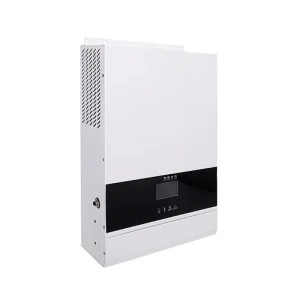
Complete your design with our high-efficiency system components and smart batteries.
 Elemro Energy