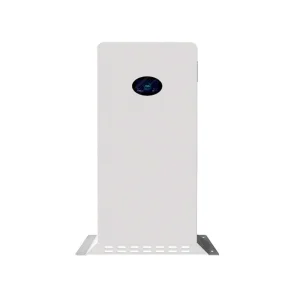
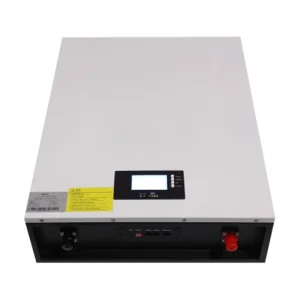
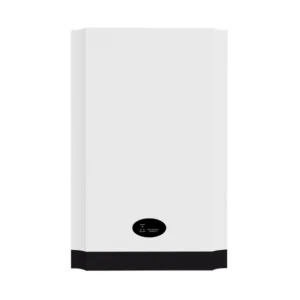
Advanced Commercial, Industrial, and Residential Solar Storage Systems
Established in 2019, headquartered in Xiamen, China, Elemro Energy has been specialized in new energy storage and electrical product solutions with rich experience. It is the market leader in the new energy industry that unifies R&D, production, and sales. The products have been sold to more than 250 customers in Europe, Southeast Asia, Africa, Mid-east, America, etc. Since its establishment, ELEMRO’s revenue has been growing rapidly every year. ELEMRO’s annual turnover is expected to exceed 50 millions USD in year 2023.
About Us
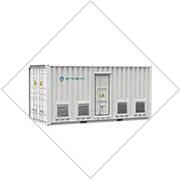
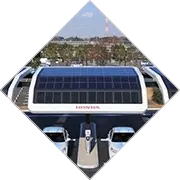
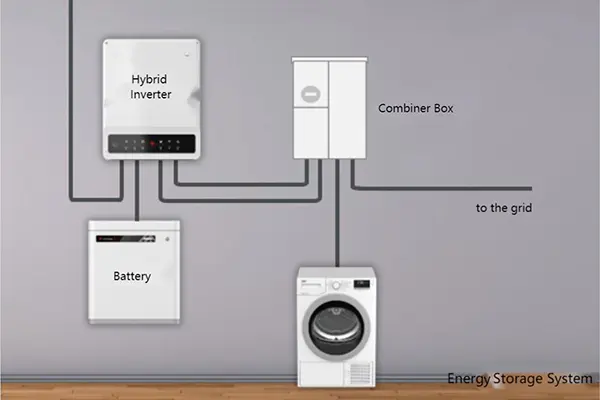
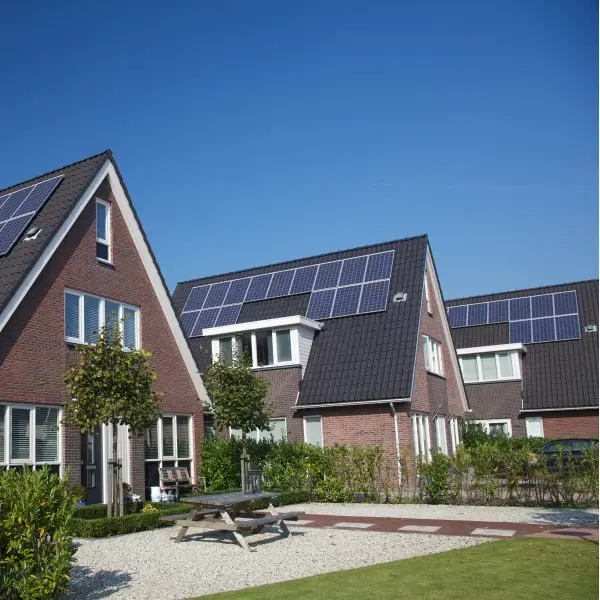
In the rapidly evolving global renewable energy landscape, the decoupling of generation and consumption has historically stood as the single greatest limitation to widespread solar adoption. Traditional photovoltaic (PV) generation profiles suffer from the structural mismatch known as the "duck curve," where peak generation occurs at solar noon, whereas maximum energy demand peaks in the early mornings and late evenings. To mitigate this imbalance, industrial, commercial, and utility infrastructure systems are actively transitioning to unified Solar Panels Plus Battery Storage Systems.
By coupling high-efficiency photovoltaic systems directly with lithium iron phosphate (LiFePO4) battery energy storage systems (BESS), systems design moves from passive energy production to active, dispatchable energy management. The levelized cost of energy (LCOE) combined with the levelized cost of storage (LCOS) has reached grid-parity in multiple jurisdictions globally. As a Tier-1 integrated supplier, Elemro Energy develops hardware, firmware, and cloud-management platforms designed to synchronize clean generation profiles with local loads, ensuring maximum ROI, compliance, and energy resilience.
"The integration of solar power with advanced energy storage is no longer an optional upgrade—it is the foundational architecture of the modern grid. Elemro Energy provides the engineered products that power this green transition."
For commercial and industrial enterprises, utility charges are divided into two main categories: consumption charges (kWh used) and demand charges (the highest rate of power drawn during a billing cycle, measured in kW). Integrated solar panels plus battery storage manufacturers focus heavily on reducing these demand charges through a process called "peak shaving." When facility energy demand spikes, the local battery storage system automatically discharges to buffer the load, preventing the facility from drawing excessive power from the municipal utility grid.
Furthermore, with volatile time-of-use (TOU) tariff structures implemented by utilities worldwide, commercial operators utilize "load shifting" strategies. Low-cost power generated during off-peak hours (or directly via on-site solar panels) is stored and discharged during high-tariff periods. This operational flexibility delivers substantial economic returns, turning a corporate sustainability initiative into a high-yield capital investment.
China remains the undisputed epicenter of the solar and lithium battery storage supply chain, producing over 75% of the world's solar panels and lithium-ion cells. Headquartered in Xiamen, China, Elemro Energy leverages local high-tech industrial cluster advantages, combining component sourcing, precision battery cell testing, advanced BMS (Battery Management System) programming, and structural assembly under one unified quality management framework.
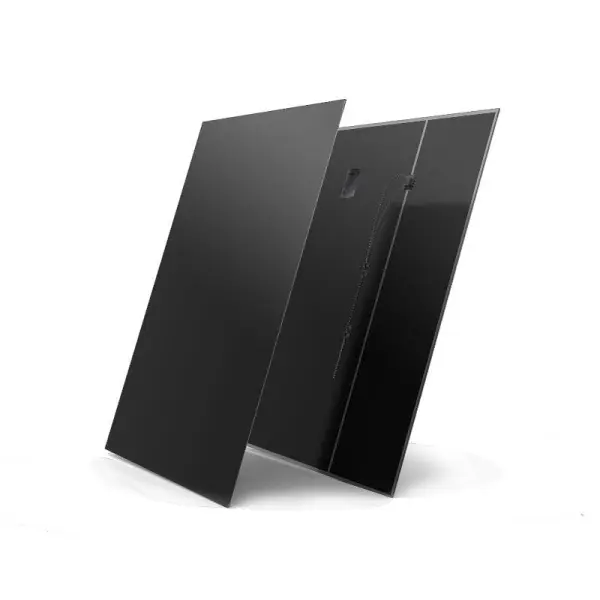
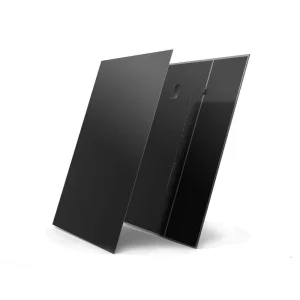
This manufacturing clustering enables Elemro Energy to implement deep cost control while maintaining stringent quality control processes. From grade-A LiFePO4 cells to high-performance Cadmium Telluride (CdTe) thin-film solar modules for Building Integrated Photovoltaics (BIPV), our Xiamen facilities leverage advanced automated robotic assembly lines and strict environmental stress screening (ESS). The resulting products boast longer cycle lives, higher round-trip efficiencies, and full compliance with international safety protocols.
Deploying renewable infrastructure requires intimate knowledge of local environment regulations, climate parameters, grid stability, and standard utility guidelines. Elemro Energy provides tailored, scalable solutions across three distinct archetypes:
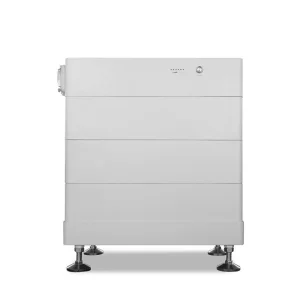
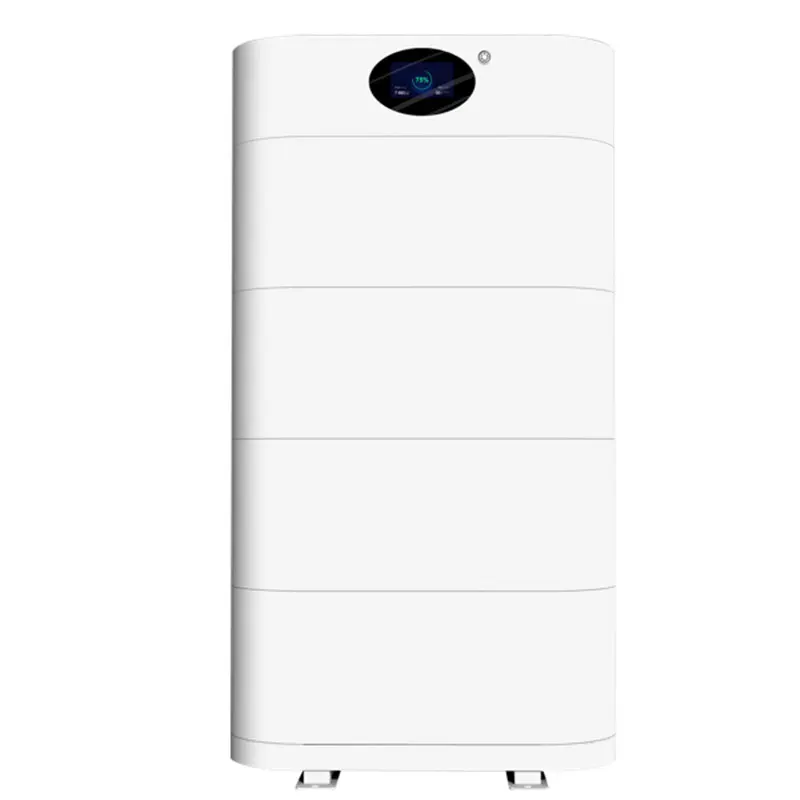
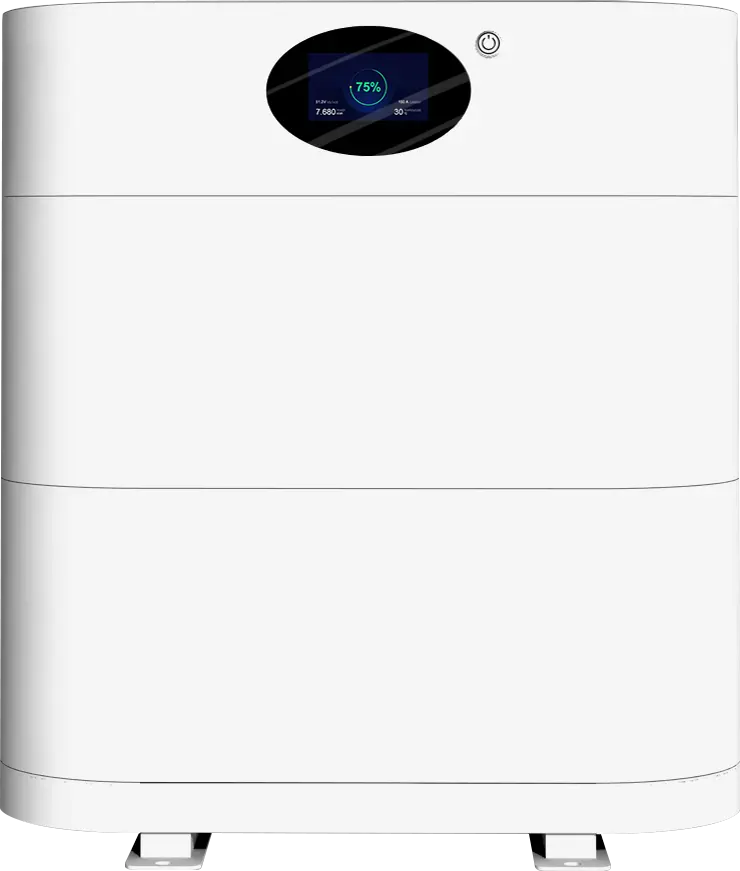
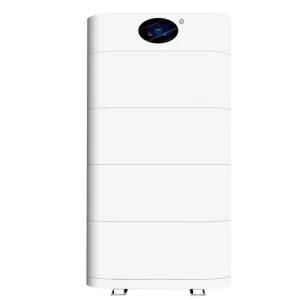
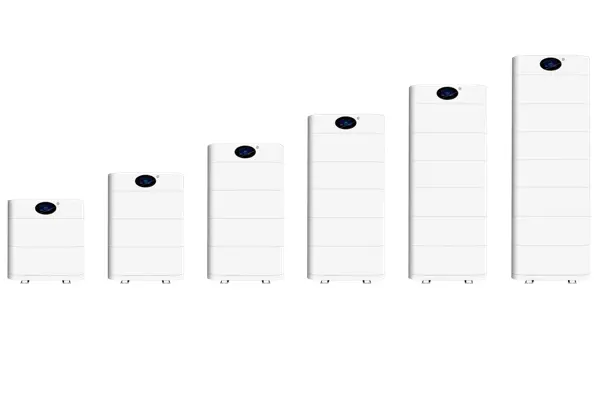
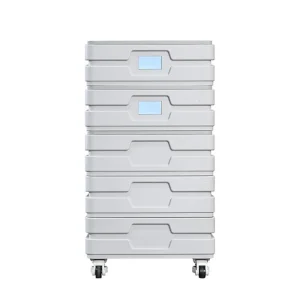
The future of energy storage lies in software intelligence and physical modularity. Modern battery storage systems are moving away from monolithic designs in favor of high-voltage stacked architectures. Stackable designs (like Elemro's high-voltage stacked battery system) simplify installation, minimize footprint, reduce line losses, and allow operators to scale capacity effortlessly by adding modules as demand grows.
Simultaneously, the integration of artificial intelligence within the Energy Management System (EMS) enables predictive dispatching. By utilizing machine learning algorithms to analyze weather forecasts, historic consumption logs, and dynamic grid pricing, the smart EMS can pre-emptively charge or discharge batteries to optimize economic outcomes and protect system health.
When procurement directors and utility project engineers source equipment from solar panels plus battery storage manufacturers, several critical validation metrics must be examined to secure financing and operational reliability:
Real-world integration options built for clean, efficient power generation and distribution
Stay updated with our technical features, exhibition schedules, and field discoveries
Comprehensive technical answers to critical solar plus battery storage deployment questions
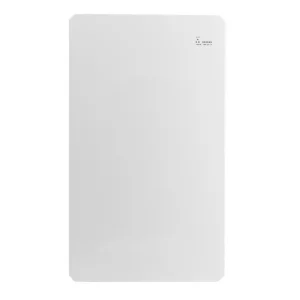
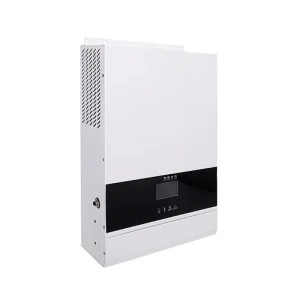
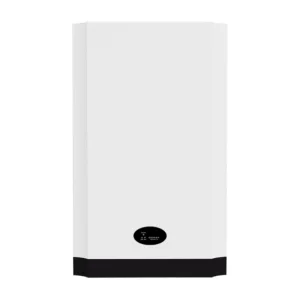
Direct access to our complete lineup of premium solar cells, stacked high-voltage storage packs, and hybrid controllers





 Elemro Energy