Premium solutions engineered for robust grid-independence, BIPV integration, and global residential & C&I deployments.
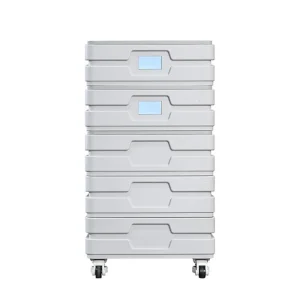
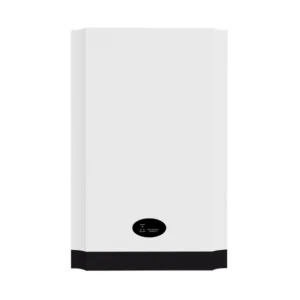
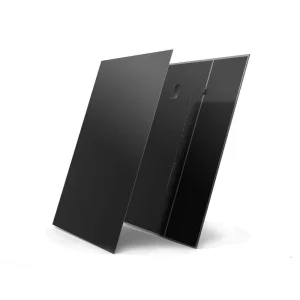
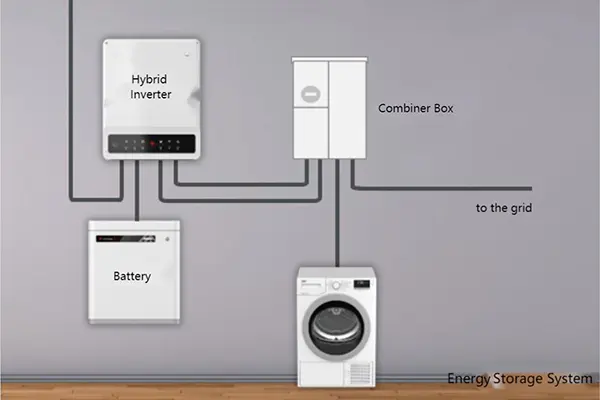
When clean energy developers, EPC contractors, and global procurement managers evaluate a solar panel with battery system, calculating the initial Capital Expenditure (CapEx) against the lifetime Levelized Cost of Storage (LCOS) is critical. The aggregate cost structure is not merely a summation of the PV modules and electrochemical cells. Rather, it is an interconnected ecosystem comprising solar glass efficiency, battery management systems (BMS), inverter conversions, and dynamic installation labor.
Historically, solar and storage were sourced independently. However, today’s smart grid demands integrated designs that synchronize photovoltaic generation with energy storage systems (ESS) directly at the manufacturing level. Factory-integrated solutions eliminate conversion losses and compatibility hurdles, resulting in an estimated 15% reduction in overall system procurement and deployment costs.
The technology driving solar panels and energy storage systems determines both performance and long-term cost-efficiency. Currently, two major technologies shape the industrial roadmap:
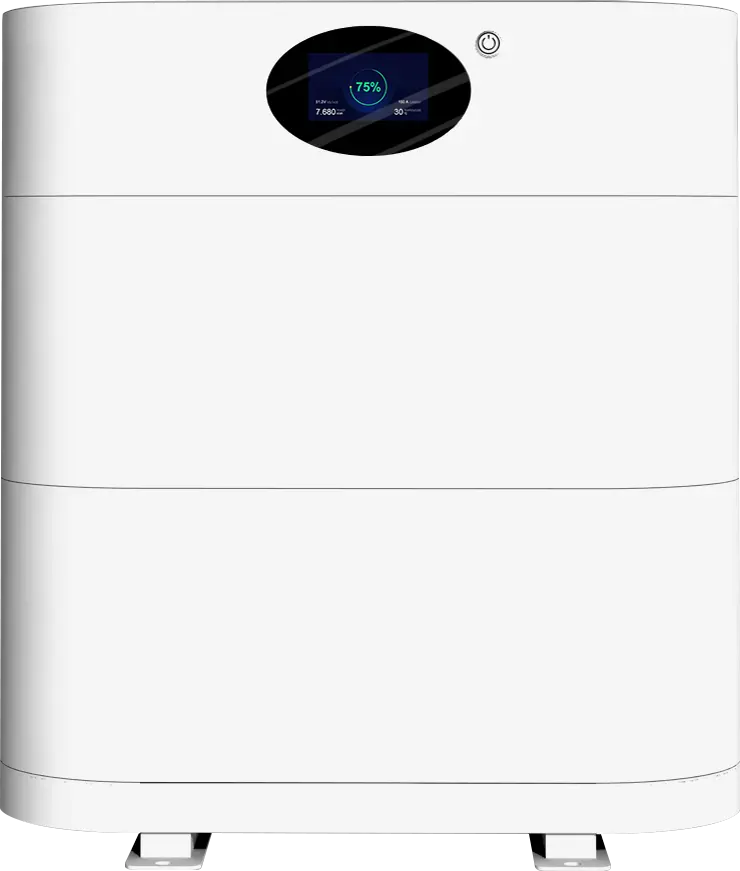
LiFePO4 has emerged as the global benchmark for stationary energy storage systems. Unlike traditional NMC (Nickel Manganese Cobalt) chemistries, LiFePO4 offers extreme thermal stability, non-toxicity, and an exceptional lifecycle. Premium factory-grade cells support over 6,000 charge cycles at 90% Depth of Discharge (DoD) before retaining less than 80% of their initial capacity. This translates to more than 15 years of daily cycling, lowering the amortized battery cost per kilowatt-hour to competitive levels.
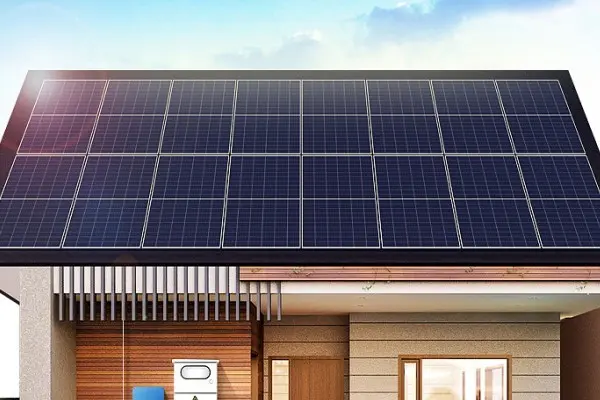
For Building-Integrated Photovoltaics (BIPV), Cadmium Telluride (CdTe) thin-film cells provide a superior option compared to standard crystalline silicon. CdTe cells perform exceptionally well in low-light conditions, show high tolerance to shading, and maintain a low temperature coefficient. Integrating CdTe solar glass directly into building envelopes allows industrial sites to maximize active generation space without requiring extensive land footprints.
| Technology Segment | Key Parameters | Design Lifetime | Optimized Cost Drivers |
|---|---|---|---|
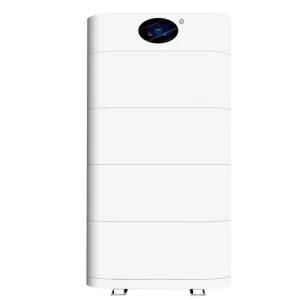
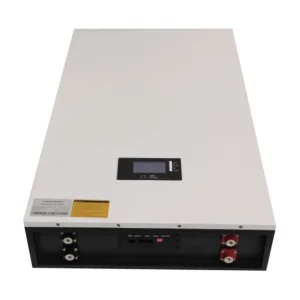
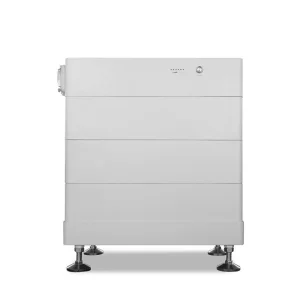
| LiFePO4 Stackable | High Voltage, Modular scaling | 15+ Years (6000+ Cycles) | BMS Integration, Cell Grading |
| CdTe Thin-Film BIPV | Low Temp Coeff, Aesthetic Glass | 25+ Years | Glass thickness, Substrate size |
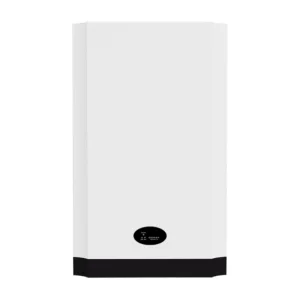
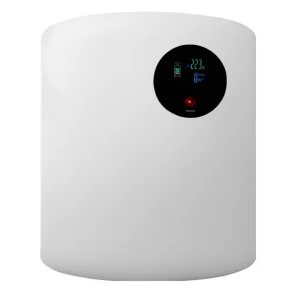
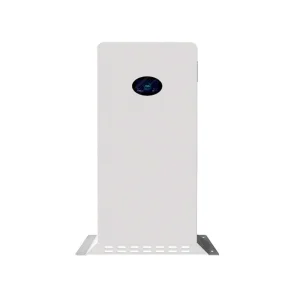
| Wall-Mounted ESS | 48V Low Voltage, Compact footprint | 10-12 Years (4000+ Cycles) | Integrated bracket, Thermal management |
China's smart manufacturing infrastructure represents the core of competitive pricing for modern solar panel and battery systems. Centered in advanced industrial hubs like Xiamen, factories utilize Industry 4.0 automation to achieve consistent quality and cost efficiency.
Vertical Integration: Factory-direct sourcing enables control over the entire supply chain, starting from cell sorting and structural welding up to the final testing of BMS logic. By using automated production lines, manufacturers minimize human error in cell balancing—a primary cause of early battery capacity degradation.
Quality Assurance Systems: Trusted factories operate under strict ISO 9001 and ISO 14001 guidelines. Each batch of lithium energy storage modules undergoes rigorous testing, including temperature cycling, vibration analysis, and high-current discharge profiles. These steps ensure compliance with certifications like UN38.3, UL1973, and CE.
Modern energy systems are versatile and adaptable to various scales and settings:
Selecting a solar panel with battery supplier involves assessing their global regulatory compliance. Grid interconnection requirements vary significantly across different regions (e.g., DIN VDE in Germany, AS/NZS in Australia, and UL certification in North America). Sourcing systems designed and pre-certified for these target markets simplifies local installation approvals.
Furthermore, leading factories establish local support hubs to assist with technical queries, commissioning support, and warranty handling, ensuring project uptime and peace of mind for site developers.

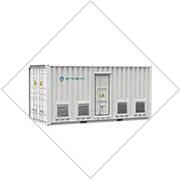
A trusted brand driving technological innovation and supply chain integration in the global ESS industry.
Established in 2019, headquartered in Xiamen, China, Elemro Energy has been specialized in new energy storage and electrical product solutions with rich experience. It is the market leader in the new energy industry that unifies R&D, production, and sales. The products have been sold to more than 250 customers in Europe, Southeast Asia, Africa, Mid-east, America, etc. Since its establishment, ELEMRO’s revenue has been growing rapidly every year. ELEMRO’s annual turnover is expected to exceed 50 millions USD in year 2023.
Comprehensive guide to choosing, sourcing, and operating industrial-grade solar-plus-storage solutions.
Stay updated with our technical analysis, event announcements, and research papers on solar-plus-storage technologies.
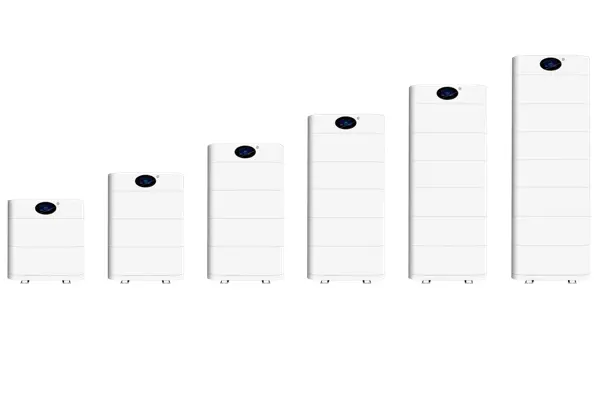
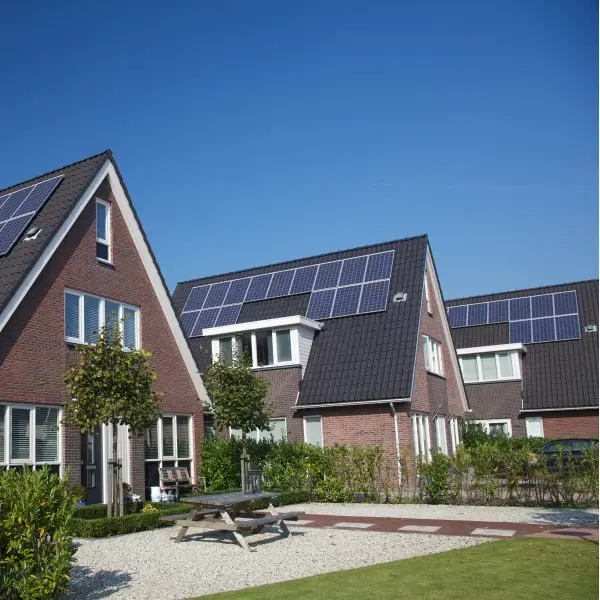




Explore our extensive range of high-voltage and low-voltage battery storage configurations, optimized for direct factory dispatch.
 Elemro Energy