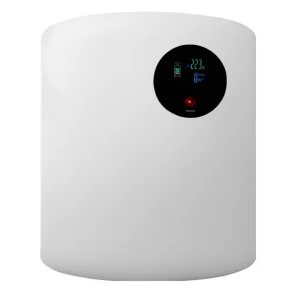
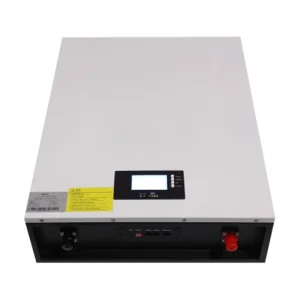
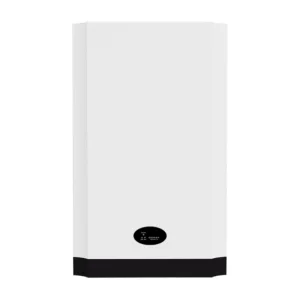
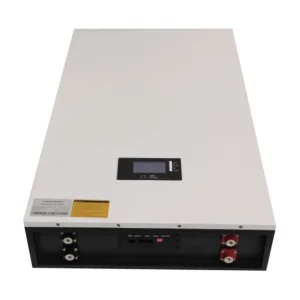
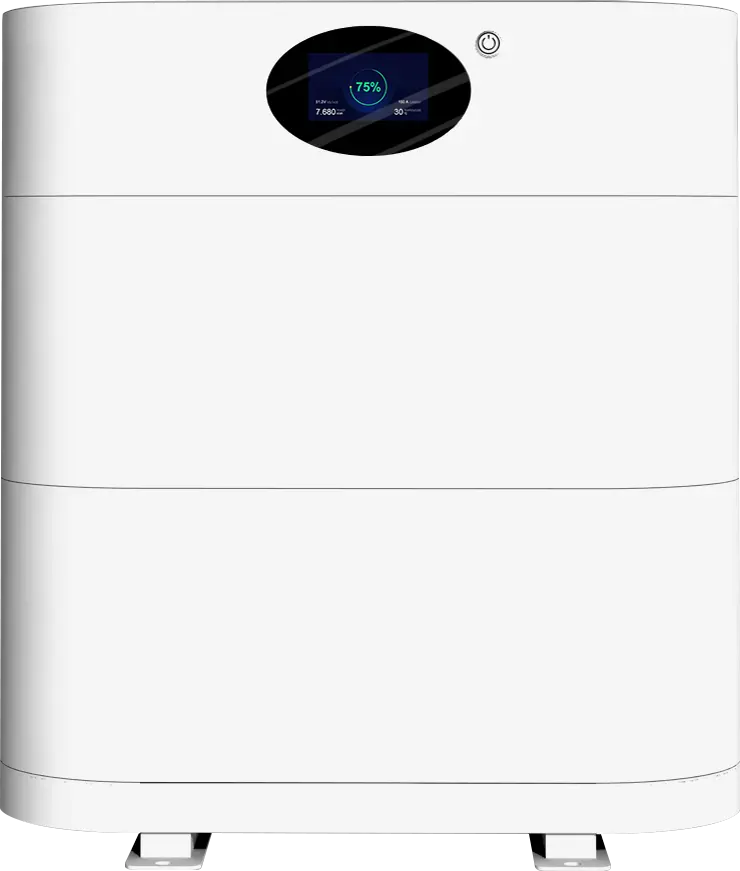
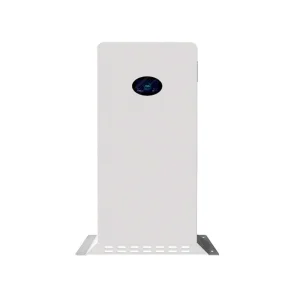
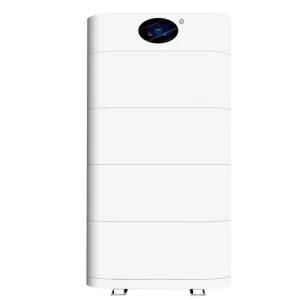
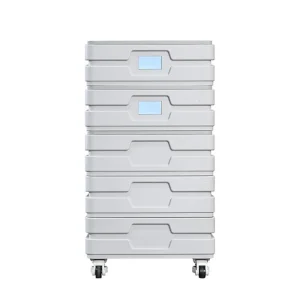
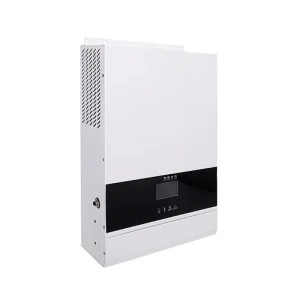
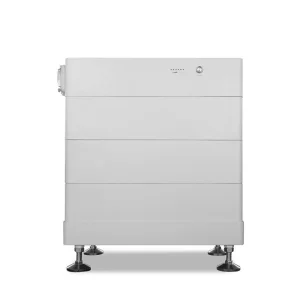
Explore our foundational clean energy storage products engineered for durability, high discharge rates, and superior cycle life.
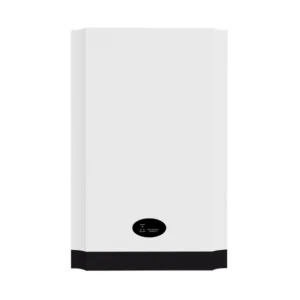
The global transition toward decentralized power grids is no longer a peripheral environmental initiative; it is an economic imperative. In 2024, rising grid instability, punitive peak-demand utility charges, and strict carbon regulations (such as Europe's Carbon Border Adjustment Mechanism and regional Net-Zero mandates) are compelling enterprises to invest in robust **Battery Energy Storage Systems (BESS)**. By decoupling power consumption from grid volatility, companies are securing consistent energy supplies while driving down their Levelized Cost of Electricity (LCOE).
As grid operators worldwide implement dynamic pricing structures and time-of-use (TOU) tariffs, high-voltage battery storage plays an essential role in load management. Modern energy storage technologies balance solar generation profiles with peak consumption periods, converting intermittent renewable resources into dispatchable, base-load power. This systemic restructuring demands high-quality, certified production standards from Tier-1 ESS manufacturers.
To establish technical credibility under Google’s E-E-A-T guidelines, industrial buyers must understand that quality in energy storage starts at the molecular level. Standard utility-scale battery systems leverage **Lithium Iron Phosphate (LiFePO4)** chemistry because of its superior thermal stability, structural integrity, and long operational life compared to Cobalt-based formulations.
A high-quality ESS factory maintains rigorous manufacturing controls, focusing on:
| System Specification | Low Voltage Residential (48V) | High Voltage Stackable (C&I) | Utility Containerized ESS |
|---|---|---|---|
| Typical Voltage Range | 48V DC - 51.2V DC | 200V DC - 800V DC | 1000V DC - 1500V DC |
| Chemistry Profile | LiFePO4 (LFP) | LiFePO4 (LFP) | LiFePO4 (LFP) |
| Cooling Configuration | Natural Convection / Passive | Forced Air Cooling | Closed-Loop Liquid Cooling |
| Target Certifications | CE, UN38.3, IEC62619 | UL1973, UL9540, CE | UL9540A, IEC62933, NFPA855 |
We provide cleaner energy for a greener world through integrated infrastructural solutions.

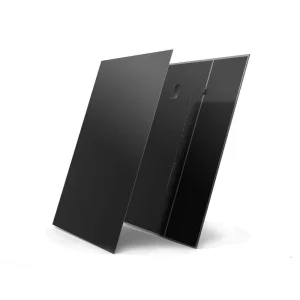
Integrating CdTe thin-film photovoltaic elements directly into building facades and curtain walls. This turns modern structures into self-sustaining power plants without compromising architectural design.
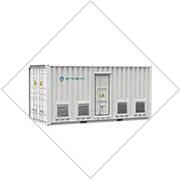
Pre-engineered, modular utility-scale BESS solutions featuring built-in liquid cooling, intelligent fire suppression systems, and centralized multi-megawatt power conversion systems (PCS).
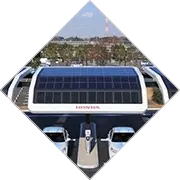
Smart, structural steel frameworks combined with high-yield bifacial panels. This solution turns public and corporate parking structures into high-capacity electric vehicle charging hubs.
Established in 2019 and headquartered in Xiamen, China, Elemro Energy specializes in developing new energy storage systems and electrical product solutions. As an integrated provider with end-to-end capabilities spanning R&D, manufacturing, quality control, and global supply chain logistics, we have established ourselves as a reliable partner in the renewable energy sector.
Our product portfolio serves more than 250 customers across Europe, Southeast Asia, Africa, the Middle East, and the Americas. Elemro's focus on engineering precision, safety standards compliance, and localized integration has driven continuous growth, with annual revenues exceeding $50 million USD in 2023. We continue to support industrial, commercial, and residential clients globally as they transition to clean energy.
Discover More About Us
Energy storage is not a one-size-fits-all technology. Successful project deployment requires aligning system configurations with local grid rules, climate conditions, and commercial incentives:
The clean energy sector is evolving rapidly. Elemro's technical development roadmap focuses on three main technological improvements:
1. AI-Driven Virtual Power Plant (VPP) Integration: Modern energy storage systems function as active grid assets. Future systems will feature cloud-integrated telemetry that communicates with local VPP networks, allowing automated energy trading, smart peak-shaving, and real-time response to grid utility pricing.
2. Next-Gen Cell Chemistries: While LiFePO4 remains the standard for stationary energy storage, we are monitoring advancements in Solid-State designs and Sodium-Ion alternatives. Sodium-ion chemistry offers reliable performance in cold climates and helps stabilize raw material supply chains.
3. Building-Integrated Photovoltaics (BIPV): The integration of Cadmium Tellurium (CdTe) thin-film solar glass into structural designs creates active, power-generating facades. CdTe technology performs well under diffuse light conditions, making it an effective choice for urban installations where space is limited.
Answers to key engineering, safety, and logistical questions for modern battery installations.
CdTe (Cadmium Tellurium) thin-film panels have a lower temperature coefficient than silicon. This allows them to maintain generation efficiency in hot climates. They also show higher light absorption in diffuse conditions, under cloud cover, or when shaded, making them well-suited for vertical Building-Integrated Photovoltaic (BIPV) installations.
High-voltage stacked systems (ranging from 200V to 800V) reduce currents across connections, lowering resistive power losses and heating. This configuration improves round-trip efficiency, simplifies installation wiring, and supports high-power commercial and industrial inverters.
Our systems use LiFePO4 chemistry, which has a higher thermal runaway threshold (approx. 270°C) than NMC formulations. They are managed by a multi-tier BMS that tracks temperature variations at the cell level. Larger scale systems also feature automated cooling circuits and aerosol fire-suppression systems.
Yes. Elemro's battery systems support multiple communication protocols (including CAN, RS485, and Modbus). This allows them to integrate with leading international hybrid and off-grid inverter brands.
Under normal conditions (80% Depth of Discharge at 25°C), our premium LFP cells deliver over 6,000 charge cycles before reaching 80% of their original capacity. This corresponds to an operational lifespan of 10 to 15 years in typical daily-cycling setups.
Technical updates, engineering guides, and company news from the energy storage industry.
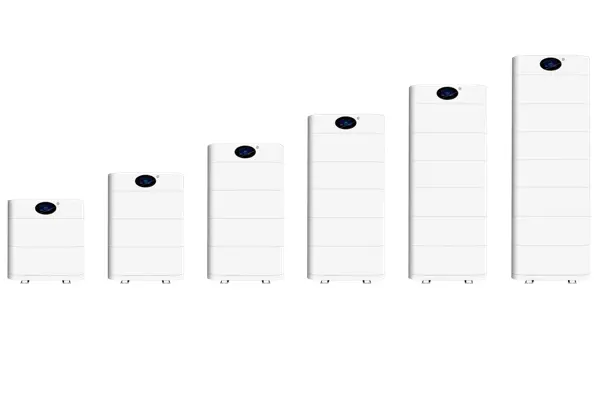
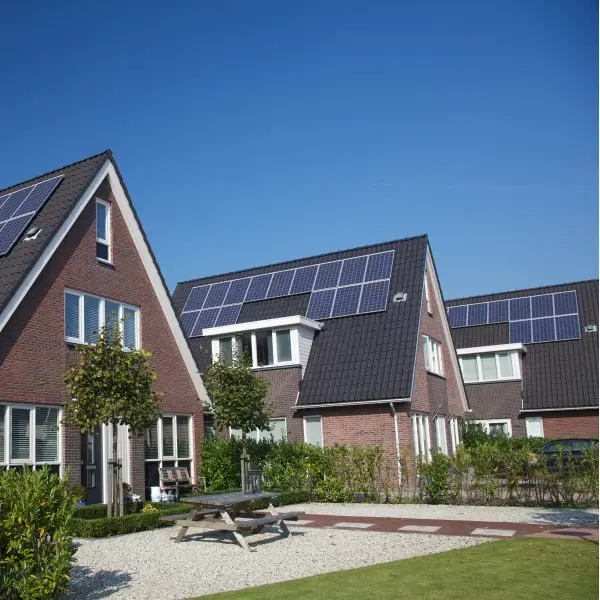
A comprehensive range of high-voltage cells, stacked modules, and inverters designed for commercial and residential integration.





 Elemro Energy