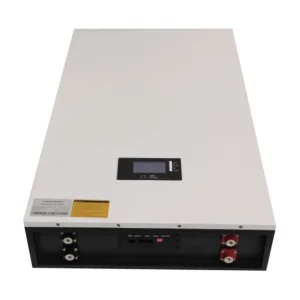
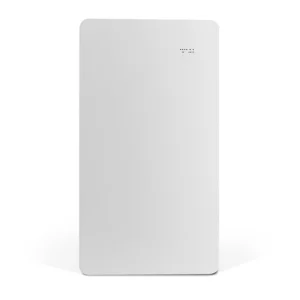
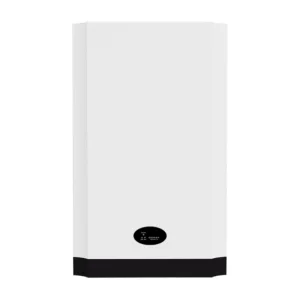
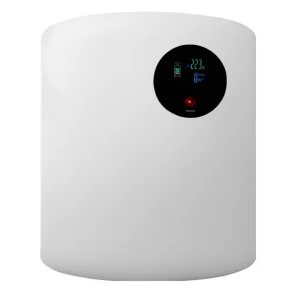
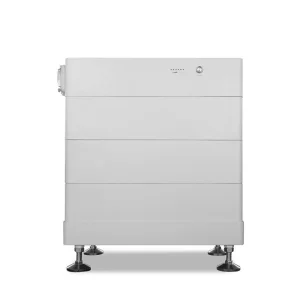
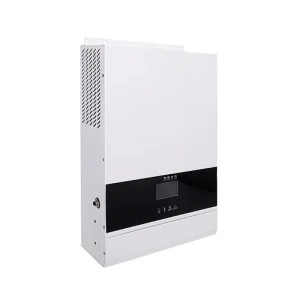
Explore our state-of-the-art LiFePO4 cells, rack-mounted enclosures, and high-voltage energy storage systems engineered for maximum stability.
The global transition toward green energy has shifted from a policy-driven movement to an absolute market necessity. Grid instability, rising power tariffs, and the imperative for decarbonization are prompting residential users to seek reliable behind-the-meter storage solutions. Residential Battery Energy Storage Systems (BESS) represent the foundation of modern decentralized microgrids, enabling homeowners to maximize self-consumption of solar energy and guarantee uninterruptible power supply (UPS) during grid blackouts.
In highly industrialized areas, such as the European Union and North America, regulatory frameworks like Net Billing and Virtual Power Plant (VPP) initiatives incentivize domestic batteries. By storing excess generation during low-rate windows and discharging to cover peak consumption, home energy systems offer exceptional Levelized Cost of Storage (LCOS). As global supply chains consolidate, Lithium Iron Phosphate (LiFePO4) chemistry has emerged as the global standard for domestic installations due to its thermal stability and cycle life.
China is the global heartland for lithium-ion battery production, accounting for over 75% of the world's battery cell refining and manufacturing capacity. Chinese manufacturers utilize advanced automated assembly lines, strict QA protocols, and deep raw material integration to deliver highly competitive, high-performance battery systems.
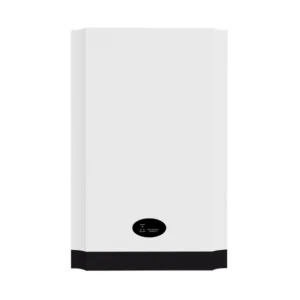
Our manufacturing headquarters in Xiamen leverages this robust local ecosystem. Elemro Energy benefits from direct access to premium grade-A LiFePO4 cells, advanced battery management system (BMS) suppliers, and leading structural component fabrics. This cluster effect shortens research-to-production cycles and enables significant cost efficiencies without compromising technical build quality. Our Xiamen operations ensure that every stackable battery system or wall-mounted energy module complies with rigorous international testing standards, delivering top-tier performance at a scalable price point.
From dense residential neighborhoods in Western Europe to off-grid mini-grids in developing markets, home batteries must match localized grid profiles.
In regions with dynamic Time-of-Use (TOU) power tariffs (such as Germany, California, and Australia), battery systems automatically charge during off-peak hours or peak solar hours, and discharge during peak evenings, maximizing investment returns.
For areas prone to natural disasters or weak grid infrastructure (such as portions of South Africa, Southeast Asian islands, and rural regions in North America), home storage units ensure smooth transition to island mode, preserving operation of essential loads like heating, refrigeration, and medical devices.
By connecting with smart hybrid inverters, batteries act as grid assets. Households can pool their capacities into Virtual Power Plants to provide frequency regulation and grid balancing, generating ancillary income for residential owners.
Established in 2019, and headquartered in the high-tech hub of Xiamen, China, ELEMRO Energy has specialized in developing new energy storage technologies and advanced electrical product solutions. As an integrated market leader in the new energy sector, we unify R&D, production, and international sales to deliver premium-tier lithium battery modules to customers worldwide.
Our solutions have been deployed by more than 250 industrial and residential clients in Europe, Southeast Asia, Africa, the Middle East, and the Americas. Since our founding, ELEMRO has experienced massive annual growth, with our turnover exceeding 50 million USD. We remain committed to helping global communities shift to clean, reliable energy, providing a robust backup power structure for households worldwide.
 Solar Glass Solutions
Utility Containers
Solar Glass Solutions
Utility Containers
 Car Port Solar Power
Industrial buyers and solar distributors need robust systems that meet demanding technical standards. When sourcing residential batteries, international procurement teams focus heavily on chemical safety, long cycle life, high compatibility, and certifications.
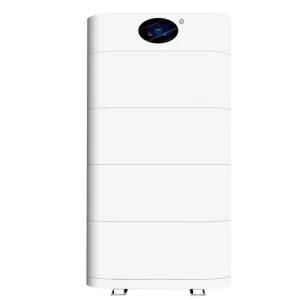
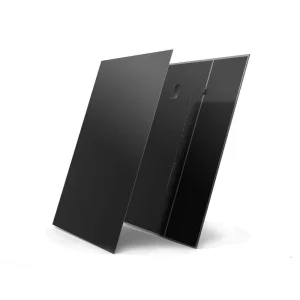
Current developments show a strong move toward high-voltage stacked systems. High-voltage structures reduce current requirements on the DC side, minimizing system losses and boosting overall conversion efficiency. Stackable designs also make shipping, installation, and field upgrades far simpler. In addition, integration with Building Integrated Photovoltaics (BIPV), such as Cadmium Telluride (CdTe) thin-film solar glass, is opening up new architectural opportunities. This lets outer building walls generate clean energy directly, feeding into localized storage units.
Stay informed with technical analyses and event coverages written by our energy engineers and product designers.
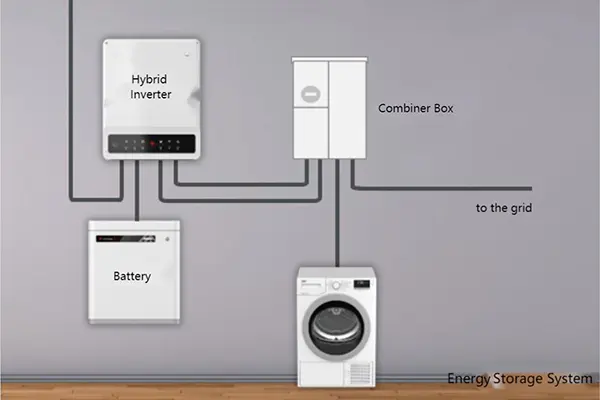
An in-depth look at how grid-tied hybrid inverters interface with LFP battery banks to manage phase synchronization.
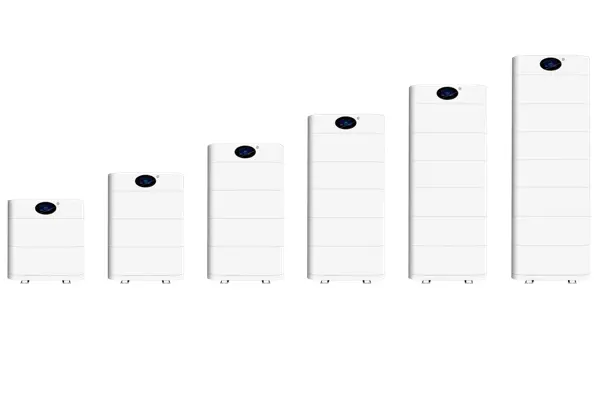
Comparing structural stability, degradation curves, and safety risks between NMC and LFP chemistries.
Analyzing load demand curves and capacity sizing techniques for decentralized urban environments.
ELEMRO displays high-durability residential energy modules suited for island grids in the Philippines.
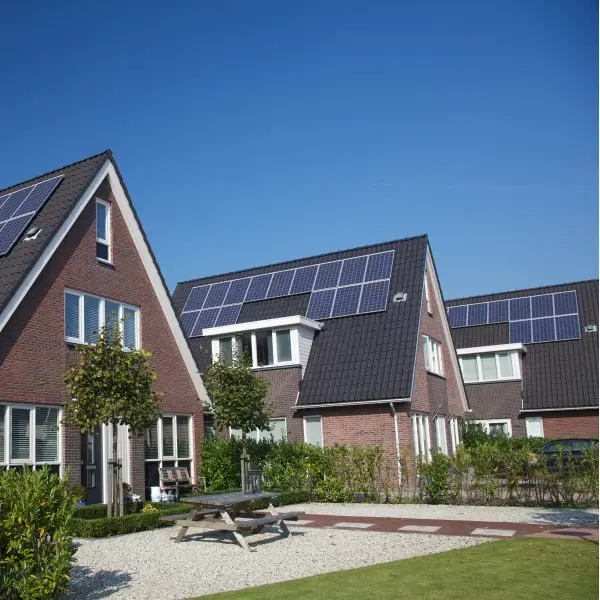
Maximizing yields under shading using microinverters and smart DC optimizers linked to battery setups.
Evaluating parameters: round-trip efficiency, charging parameters, and cell balance systems.
Get authoritative answers to key design and integration questions from Elemro's energy engineers.
Lithium Iron Phosphate (LiFePO4 or LFP) chemistry is highly preferred for home storage systems because of its superior safety profile and extended cycle life. Unlike ternary (NMC) chemistries, LFP cells feature a higher thermal runaway threshold (around 270°C vs 200°C) and do not release oxygen when they degrade, significantly reducing fire risk. They also support 6000+ cycles at 80% Depth of Discharge (DoD), compared to about 2000 cycles for NMC, offering a lower overall cost of storage over the system's lifetime.
Our smart Battery Management System (BMS) continuously tracks critical factors like individual cell voltage, module temperature, and system current. It uses advanced active balancing algorithms to prevent cells from overcharging or overdischarging, which extends the battery pack's life. The BMS also includes built-in protection mechanisms that isolate the pack during short circuits, over-current events, or thermal anomalies, communicating system status directly via RS485, CAN, or Modbus connections.
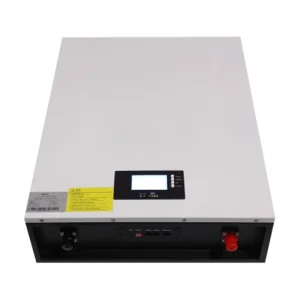
Low-voltage systems (typically 48V) are a widely adopted standard for residential homes, offering straightforward, safe installation and good compatibility with standard hybrid inverters. High-voltage systems (usually over 200V) connect battery modules in series. This higher voltage reduces the current required on the DC line, minimizing energy losses and allowing for more efficient operation. High-voltage setups are well-suited for larger homes and installations with high peak-load requirements.
Yes, Elemro batteries are highly compatible. Our software supports communication protocols for leading inverter brands like Solis, Deye, Growatt, Victron, Voltronic, and GoodWe. You can configure the battery's CAN/RS485 communication settings to sync with your existing hybrid inverter, allowing for accurate state-of-charge (SOC) reporting and optimal charge/discharge control.
Our energy storage products undergo rigorous safety testing and hold critical global certifications. These include CE for the European market, UN38.3 for safe battery transport, IEC62619 for industrial/residential lithium-ion safety, and MSDS clearance. We also provide full test reports to help B2B buyers complete local grid connection approvals smoothly.
Select from our range of modular stackable units, high-voltage battery enclosures, and high-efficiency hybrid power inverters.
Get in touch with our engineering team for customized residential system design support. We will reply to your request within 24 hours.





 Elemro Energy