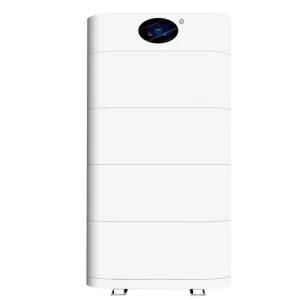
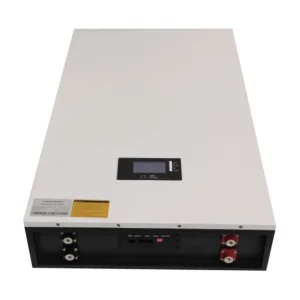
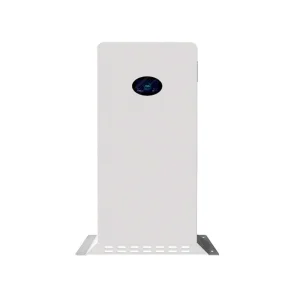
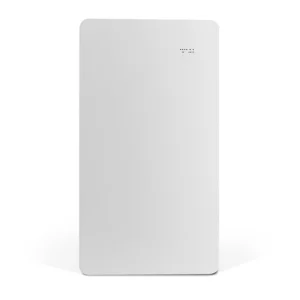
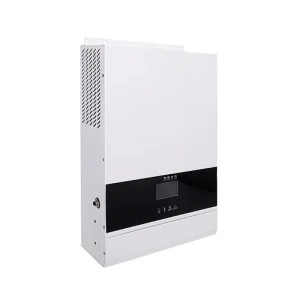
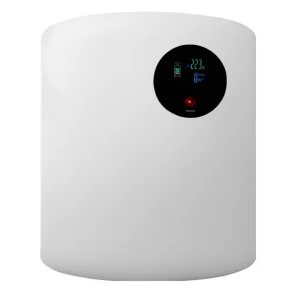
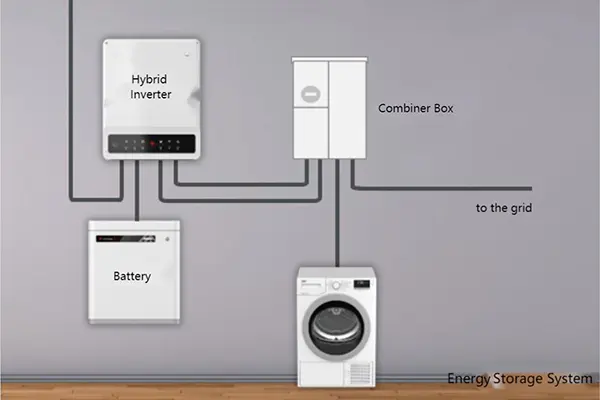
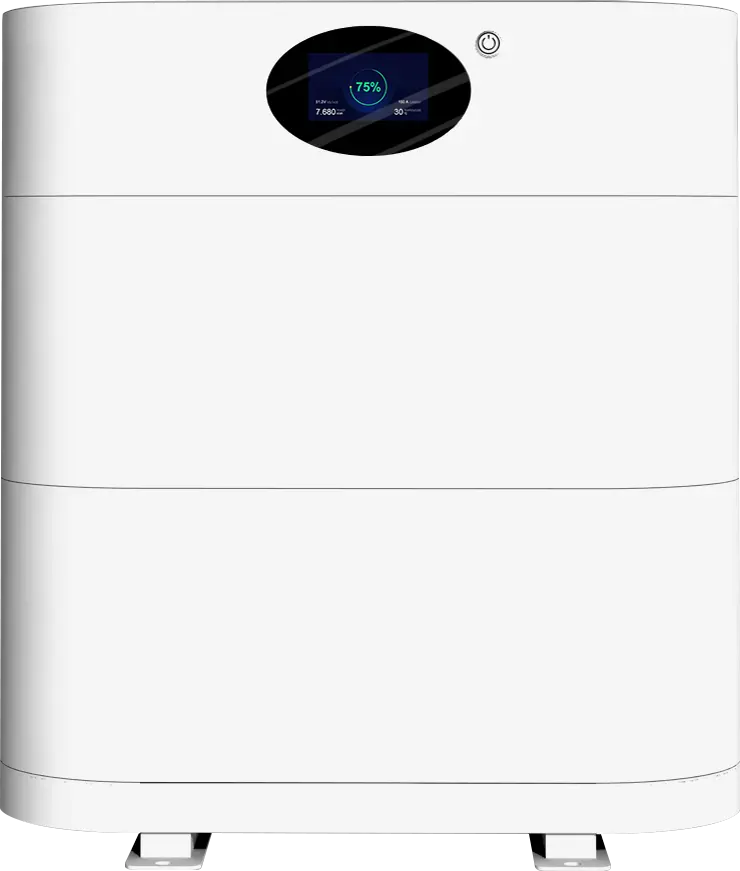
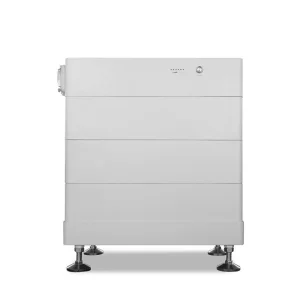
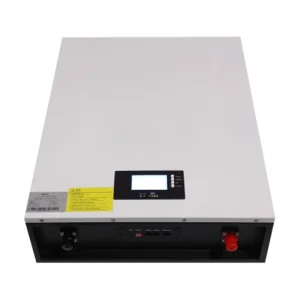
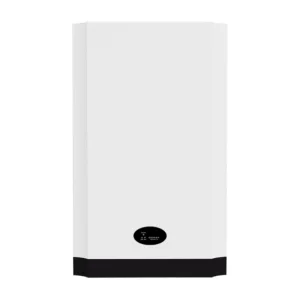
Explore our factory-direct, highly certified residential and commercial lithium battery solutions engineered for safety, durability, and cost performance.
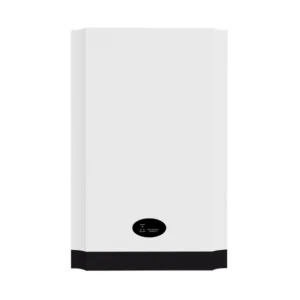
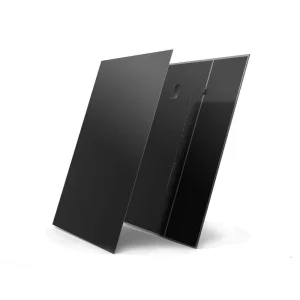
We provide cleaner energy for a greener world through holistic, end-to-end solar storage and solar-building integration architectures.

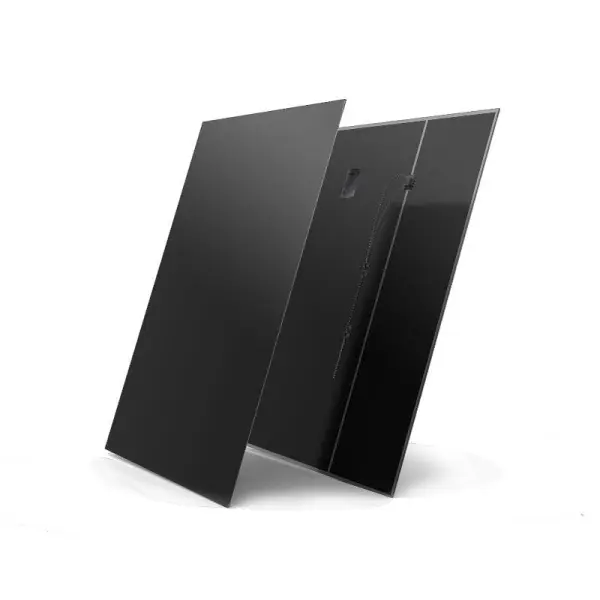
Cutting-edge photovoltiac glass integrating seamlessly into Building-Integrated Photovoltaics (BIPV) for commercial structural façades.
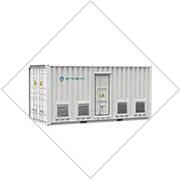
Utility-scale megawatt-level ESS containment units with liquid-cooling configurations and advanced automatic fire protection systems.
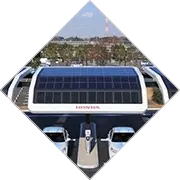
Decentralized structures optimizing parking structures with high-efficiency PV arrays and built-in energy storage for EV fleet charging hubs.
Established in 2019, headquartered in the scenic coastal city of Xiamen, China, Elemro Energy has specialized in developing, engineering, and manufacturing cutting-edge new energy storage systems and electrical product solutions with rich industrial experience.
As an undisputed market leader in the new energy domain, ELEMRO unifies dedicated R&D, advanced production lines, and an international sales force. Our highly engineered products have successfully served more than 250 enterprise clients in Europe, Southeast Asia, Africa, the Middle East, and the Americas. ELEMRO's annual turnover is expected to exceed 50 million USD in year 2023.
As the global energy transition accelerates, residential battery energy storage systems (BESS) have transitioned from a luxury backup mechanism to a critical asset for household economics and local grid stabilization. Navigating the costs of high-quality home solar batteries requires B2B buyers, EPC installers, and system developers to possess a deep understanding of manufacturing dynamics, chemistry lifecycles, and direct supply-chain integrations. This document serves as an industry roadmap for evaluating solar battery cost structures, factory processes, and technical parameters to secure maximum information gain and commercial return.
"The levelized cost of storage (LCOS) is the only metric that truly reflects the lifetime value of a home solar battery system. Looking solely at initial capital expenditure (CAPEX) per kilowatt-hour often leads to higher long-term operating costs (OPEX) due to cell degradation, thermal issues, and firmware incompatibility."
The residential energy storage landscape is undergoing massive policy and structural shifts. Grid modernization initiatives, combined with volatile utility rates in Europe and North America, have driven homeowners toward complete self-consumption models.
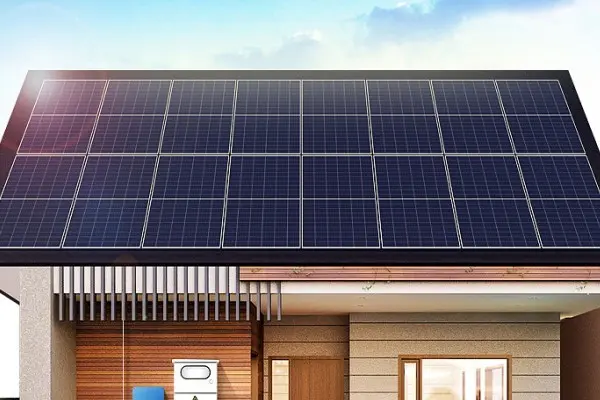
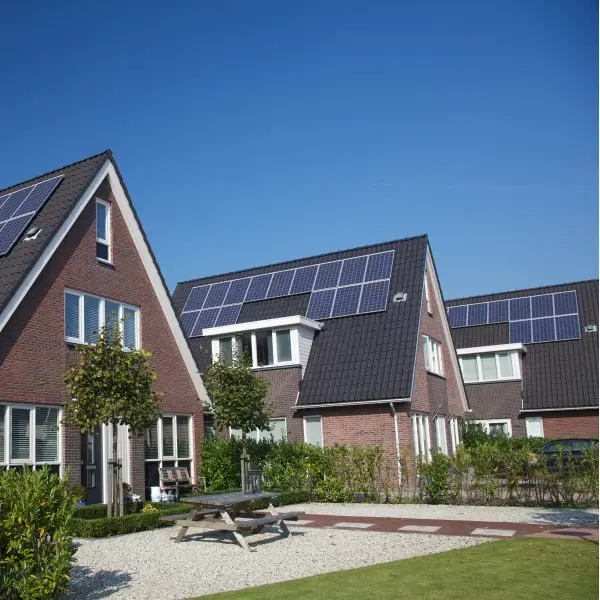
In regions like Germany and California, the elimination of traditional Net Energy Metering (NEM) schemes has shifted the economic viability of solar arrays. Without net metering, injecting surplus solar generation back into the grid yields negligible returns. Homeowners must store solar energy locally during peak generation hours (noon) and discharge it during peak tariff periods (5 PM to 9 PM) or when grid outages occur. Consequently, high-capacity, high-rate discharge batteries have become a standard pairing for residential solar installs.
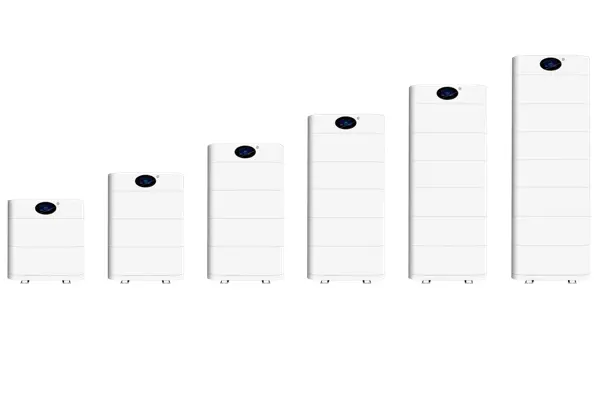
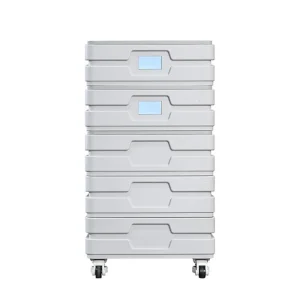
Technologically, the industry has universally consolidated around Lithium Iron Phosphate (LiFePO4) chemistry. LFP cells offer a far safer thermal profile, longer lifecycle, and a more ethical mineral supply chain compared to Nickel Manganese Cobalt (NMC) counterparts. Furthermore, high-voltage stacked systems (HV stacked battery systems ranging from 100V to over 400V DC) are outpacing low-voltage 48V options due to higher conversion efficiencies, thinner cable requirements, and simplified installation processes.
When analyzing a solar batteries for home cost manufacturer structure, procurement agents must evaluate several key factors that constitute the ex-factory pricing of battery modules:
Sourcing residential batteries from specialized hubs like Xiamen, China enables global distributors to leverage unprecedented supply chain integration. The Xiamen industrial eco-system allows companies like ELEMRO Energy to tightly coordinate with adjacent lithium carbonate refineries, cathode/anode processing facilities, and automated cell assembly lines.
This vertical alignment isolates ex-factory pricing from raw material volatility. Additionally, ELEMRO’s advanced production facilities apply Smart Industry 4.0 standards—implementing automated laser cell sorting, automatic robotic welding, and vacuum thermal aging cabinets. Every single battery pack undergoes simulated charge-discharge cycles before leaving the factory gate, accompanied by a digital quality certificate tracing the barcode of every internal cell. This level of quality control reduces the Defect Indicator (DPM) to negligible levels, dramatically saving on remote warranty and RMA claims for overseas B2B buyers.
The deployment of home solar battery storage varies widely based on localized climate, grid parameters, and policy constraints:
Optimized for German and Italian markets. Integrates with localized dynamic energy tariffs to charge the battery during cheap off-peak night hours and discharge during premium evening rates.
Configured to satisfy UL 9540A safety standards. Engineered to provide heavy surge currents for backup loads during grid shut-offs caused by extreme weather, and support Virtual Power Plant grid exporting programs.
Designed to handle high ambient operating temperatures and unstable grid inputs. Equipped with heavy-duty thermal isolation, providing reliable power in regions with persistent daily loadshedding.
Start a green and convenient life with Elemro Energy. Explore our signature product series designed for residential, commercial, and thin-film solar building integrations.
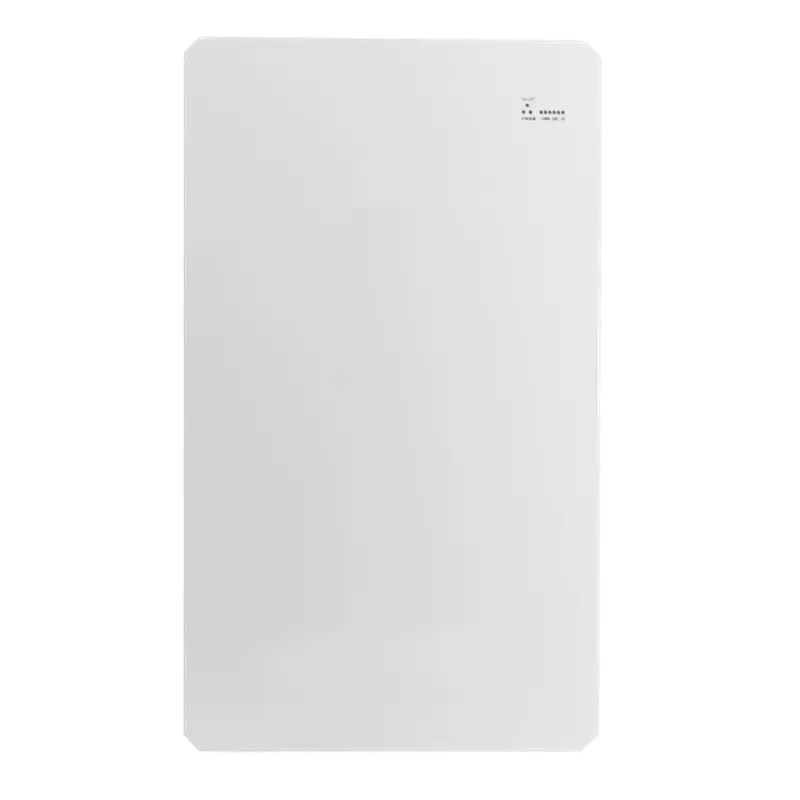
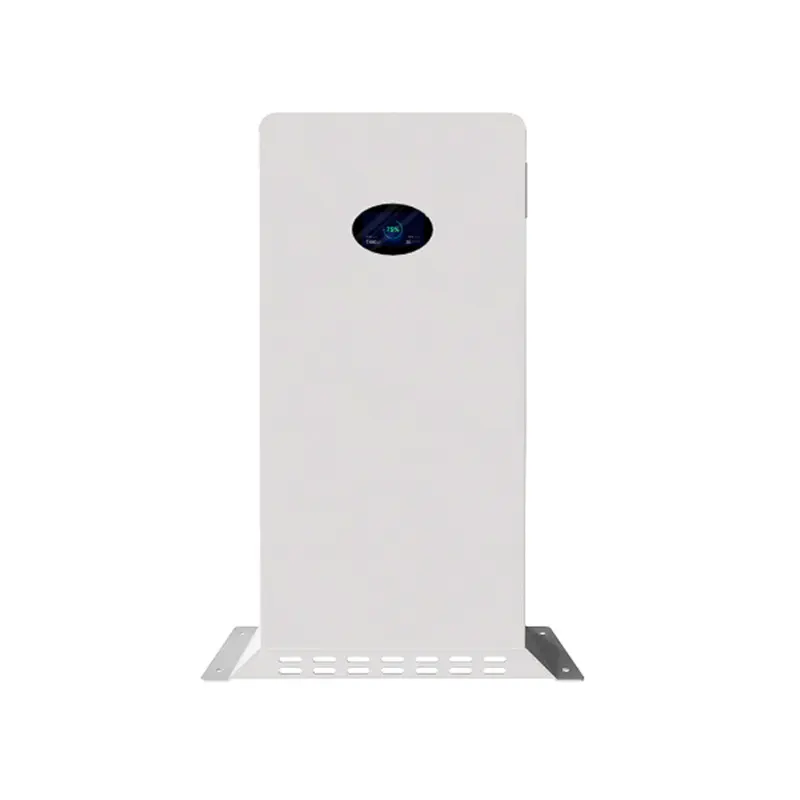
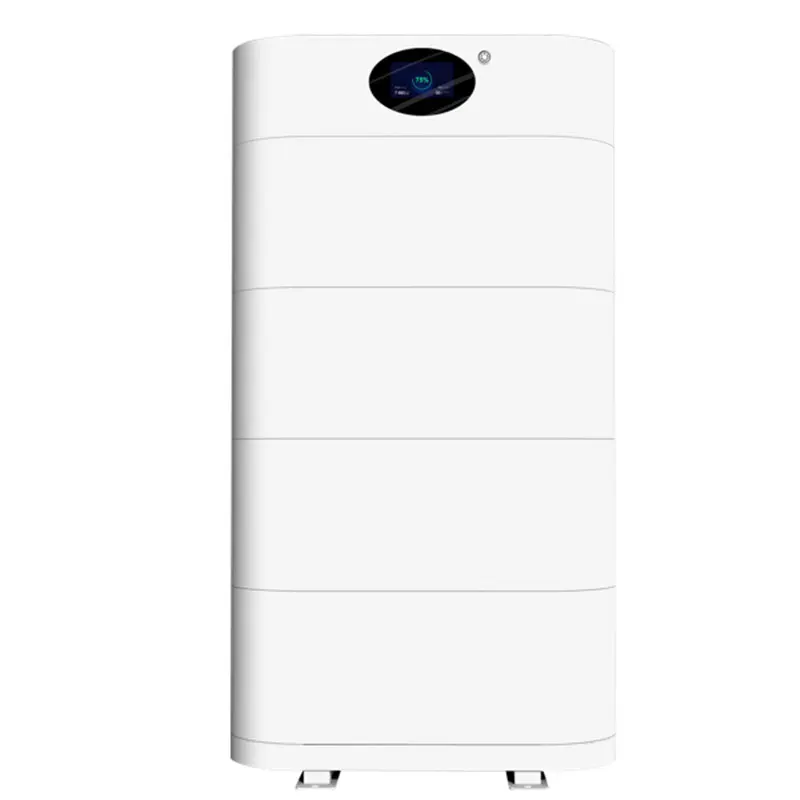
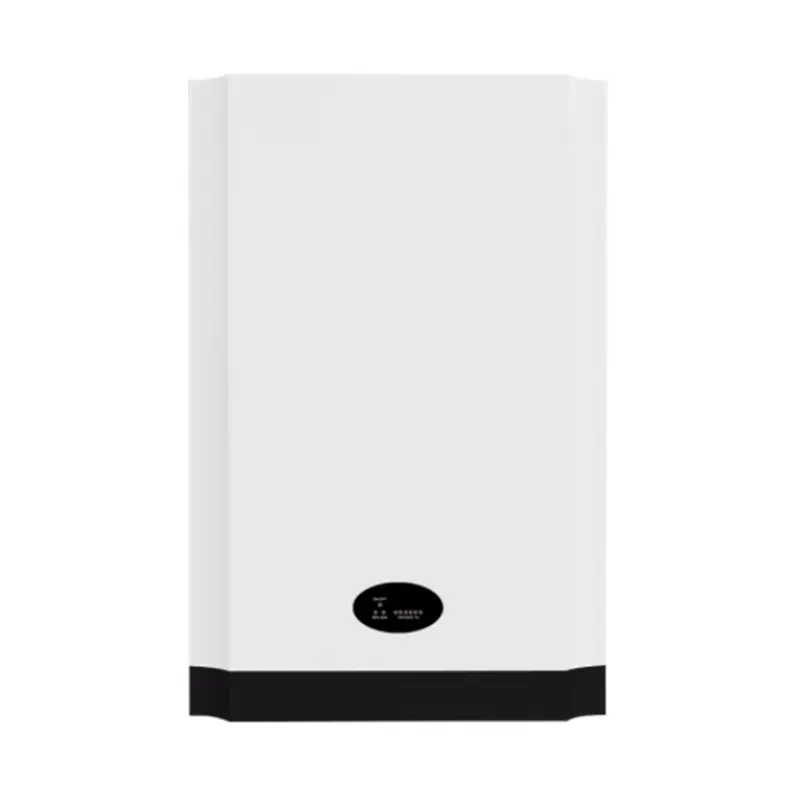
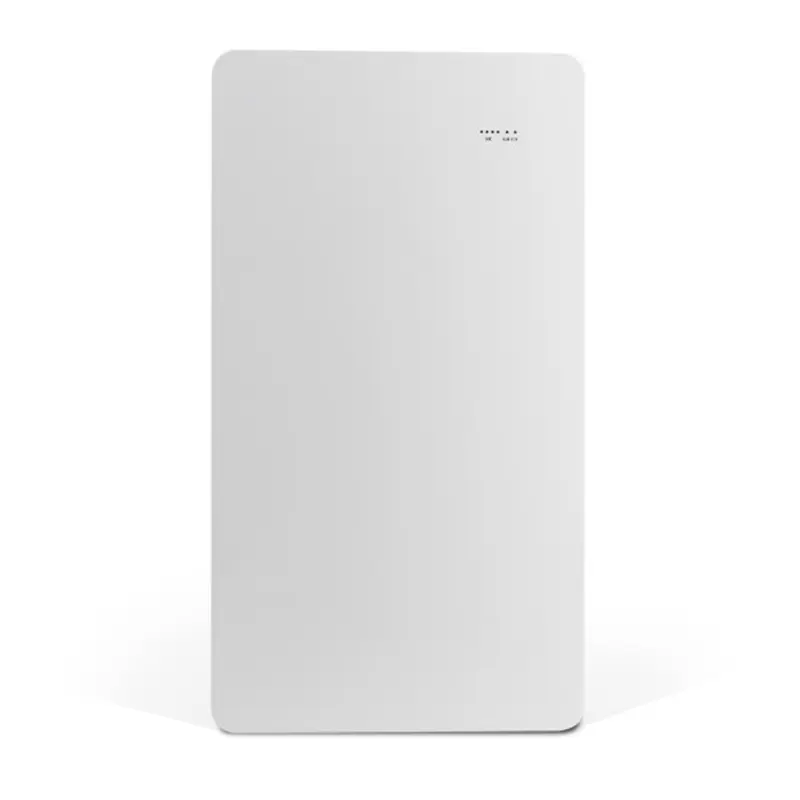
Are you evaluating BESS partners for residential, commercial or utilities deployment? Get in touch with ELEMRO's engineering and price analysis team. We respond with a comprehensive pricing proposal within 24 hours.
Technical, commercial, and logistical inquiries addressed directly by ELEMRO's expert engineering panel.
Stay up to date with deep technical interpretations of energy storage dynamics, industrial applications, and trade shows.
Premium solutions catering to stacked, modular, wall-mounted configurations for microgrid and decentralized solar installations.





 Elemro Energy