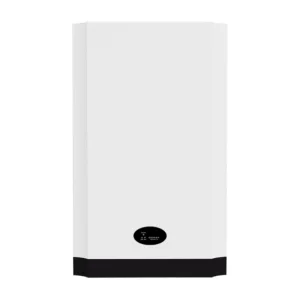
Reliable, scalable, and high-efficiency photovoltaic battery architectures manufactured to meet global industrial standards.
Established in 2019 and strategically headquartered in the technological hub of Xiamen, China, Elemro Energy has developed an authoritative footprint in electrical systems design and new energy storage solutions (BESS). As a market leader unifying Research & Development (R&D), large-scale manufacturing, and global sales, we offer advanced battery ecosystems engineered to reduce energy costs and assure operational continuity across the globe.
Our comprehensive portfolio serves residential homes, critical commercial buildings, and large-scale industrial facilities. In compliance with strict global standards, ELEMRO's annual turnover is expected to exceed 50 million USD in 2023, driven by our deep expertise, technological innovations, and dedication to reliable energy delivery.
With an extensive distribution footprint covering over 250 global clients across Europe, Southeast Asia, Africa, the Middle East, and the Americas, ELEMRO stands at the forefront of the modern green transition.
The global energy landscape is undergoing a systemic transition driven by grid instability, geopolitical energy vulnerability, and carbon reduction mandates. Industries and enterprises can no longer rely solely on centralized grids. Heavy power disruptions, peak demand charges, and fluctuating electricity pricing structures are forcing businesses to adopt independent, smart, localized energy microgrids. Solar backup systems have shifted from being emergency safety nets to core infrastructure assets that generate economic yields.
In highly industrialized areas, Peak Shaving—the reduction of electrical demand during peak grid utilization hours—has become critical. High-capacity energy storage containers mitigate severe demand charges by discharging power in peak windows, allowing industrial hubs to protect operations and lower energy expenses simultaneously.
Understanding the engineering breakthroughs, material sciences, and software integration that define Elemro's development pathway.
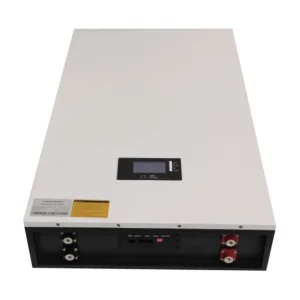
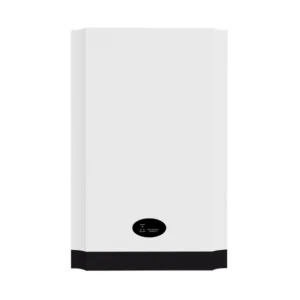
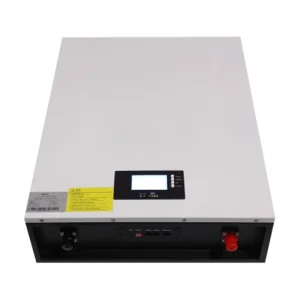
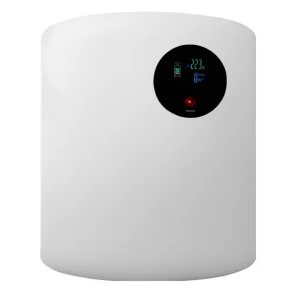
Using premium Lithium Iron Phosphate (LiFePO4) cell chemistry allows Elemro storage systems to deliver thermal stability, non-combustibility, and elevated resilience under high ambient operating temperatures. These systems consistently deliver over 6000 life cycles at 80% Depth of Discharge (DoD).
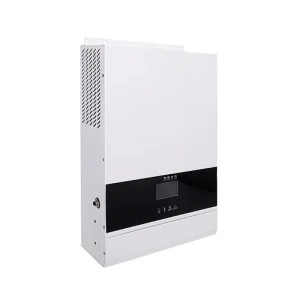
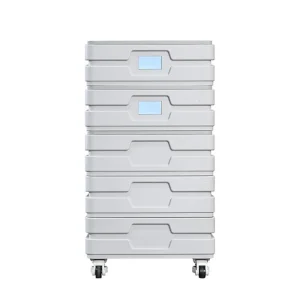
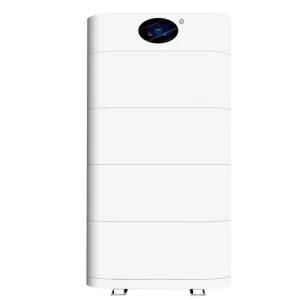
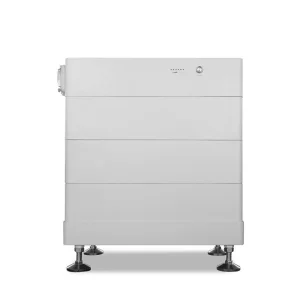
Our stacked battery architectures lower conversion losses by raising DC bus voltage, minimizing current draw through cabling. This technology simplifies installation, streamlines system expansion, and lowers thermal dissipation across long-term cycles.
Integrating advanced telemetry, cloud diagnostic interfaces, and predictive cell balancing algorithms ensures safety. The digital BMS continuously monitors single-cell internal resistances and temperatures to prevent thermal anomalies before they manifest.
Customized solar integrations built to power infrastructure projects, optimize modern architecture, and support high-capacity logistics.

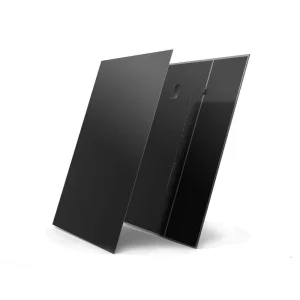
Integrating photovoltaic capabilities directly into high-strength architectural glass, enabling clean energy generation across high-rise facades and BIPV projects.
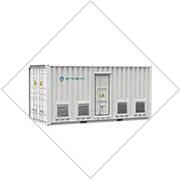
Modular, liquid-cooled utility-scale storage containers designed for high-capacity peak shaving, grid frequency regulation, and microgrid backup.
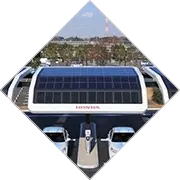
Dual-purpose structures providing physical shelter for vehicles while converting sun exposure into clean electricity for localized consumption or EV charging stations.
1. Western European Grid Arbitrage: Industrial factories utilize high-capacity Elemro battery arrays to draw power during overnight off-peak price windows. This stored energy is discharged during peak daylight operational hours, mitigating high commercial tariffs and optimizing operational efficiency.
2. Southeast Asian Microgrids: Remote islands and agricultural operations leverage our modular energy storage containers to buffer solar output. By mitigating solar intermittency, they secure stable power supply and reduce reliance on heavy diesel fuel generators.
3. North American Commercial Backup: Commercial offices integrate building-integrated photovoltaics (BIPV) with stackable high-voltage LiFePO4 batteries. In case of unexpected grid failures, the backup system switches to UPS mode in under 10 milliseconds, securing server rooms and cold storage systems.
Professional reports on technology breakthroughs, international exhibitions, and deployment scenarios.
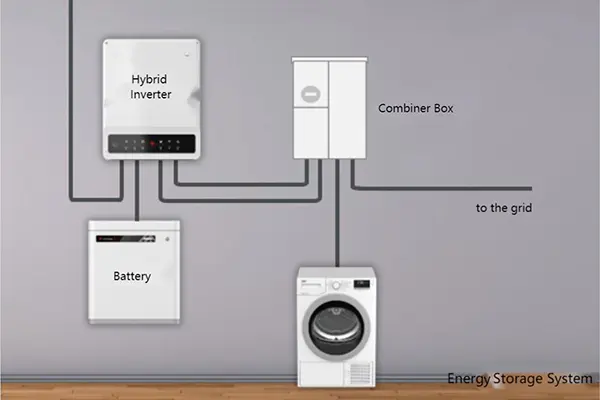
Analysis of phase-matching, pure sine wave outputs, and conversion topologies required for modern home backup grids.
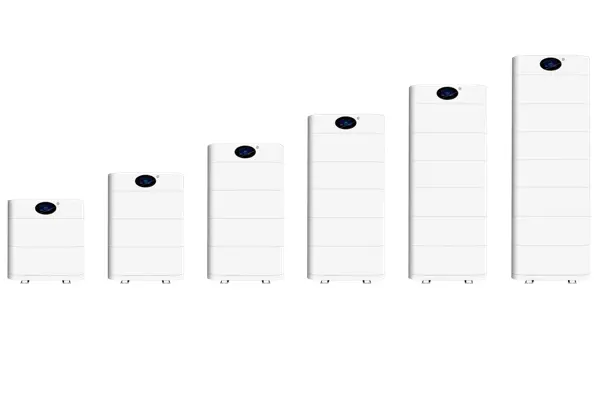
Review comparing energy densities, thermal runaway risks, cycle lifespans, and safety compliance of LFP vs. NMC chemistries.
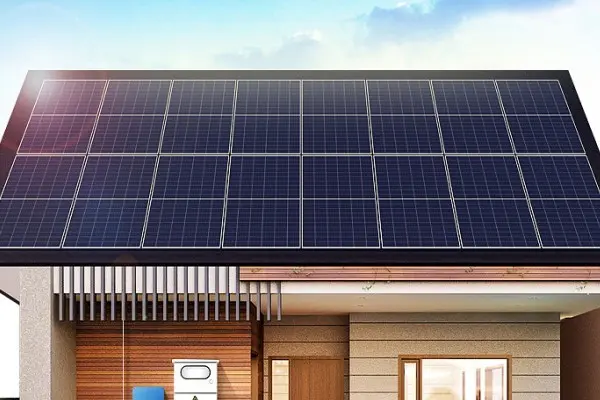
A detailed layout of hybrid solar installations, off-grid architectures, and critical load prioritization logic.
Connecting with microgrid developers in Southeast Asia to address regional power fluctuations and grid resilience.
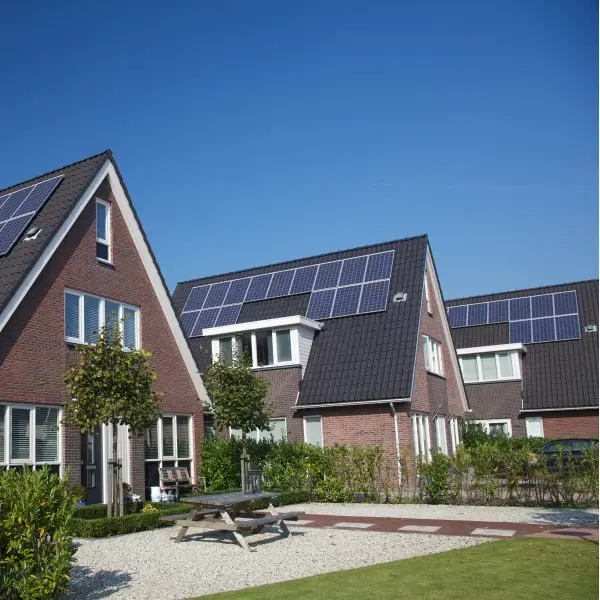
Engineering perspectives on monocrystalline vs. thin-film cell configurations in high-shadow industrial environments.
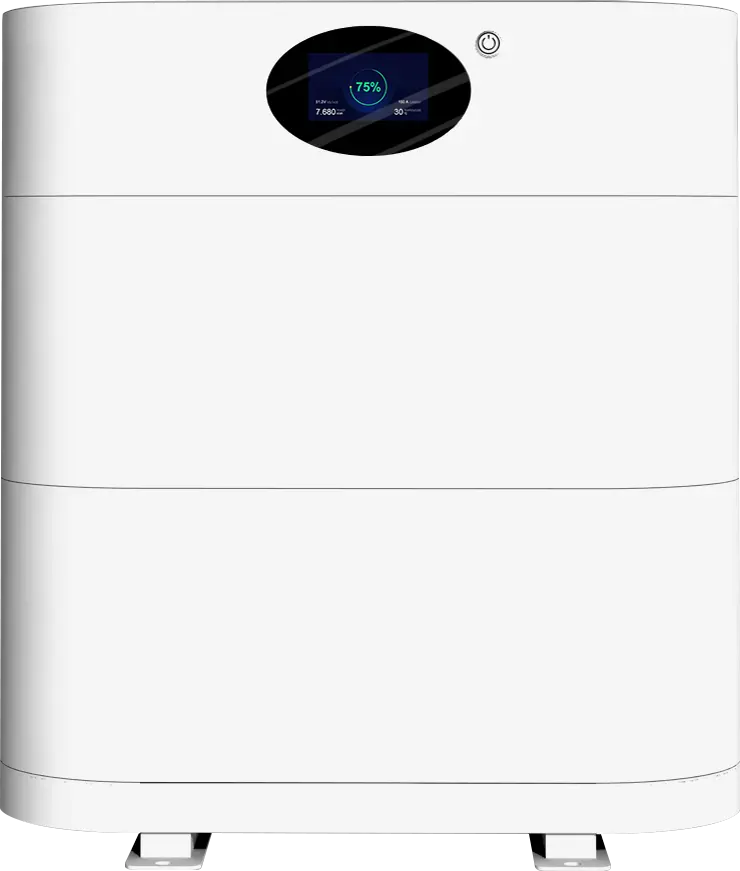
Review of active balancing BMS, integrated circuit breakers, and thermal design interfaces for indoor residential use.
Expert analysis addressing critical parameters, system architectures, and technology integration inquiries.
Contact our engineering support team to receive specialized BESS sizing calculations, system layouts, and comprehensive project pricing structures within 24 hours.
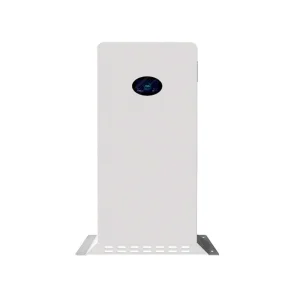
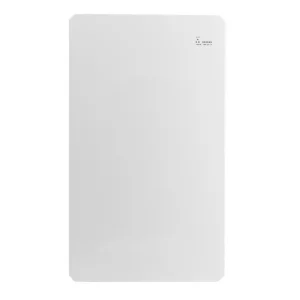
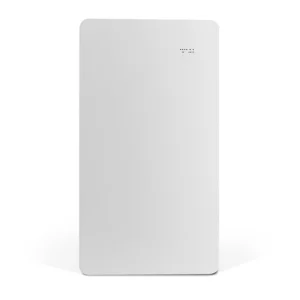
Explore our high-voltage stacked systems, wall-mounted residential options, and thin-film BIPV technologies.
Our production lines run in strict compliance with safety, environmental, and quality assurance processes.





 Elemro Energy