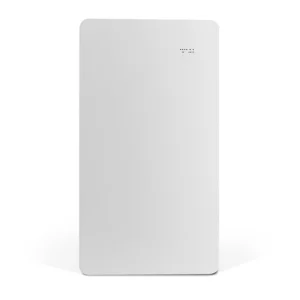
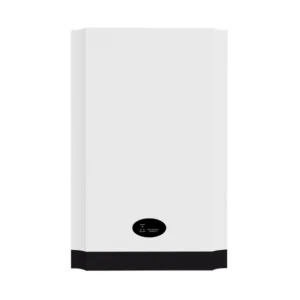
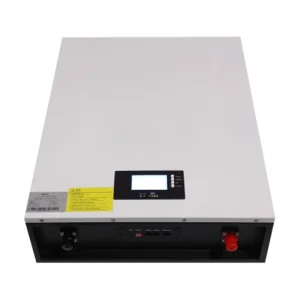
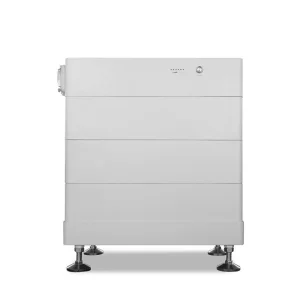
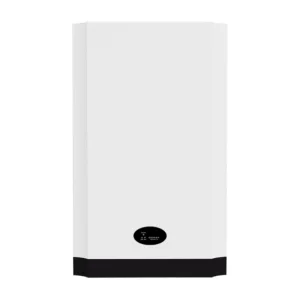
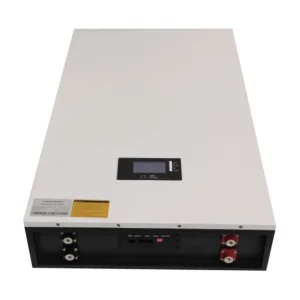
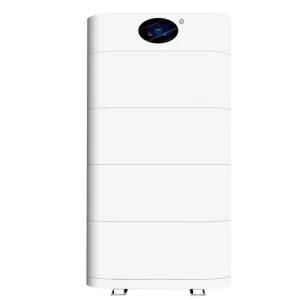
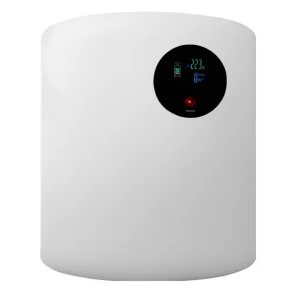
Explore our industrial and residential flagship products designed to balance optimal cost metrics with top-tier reliability.
The global transition toward decentralized clean energy has accelerated the adoption of commercial, industrial, and residential energy storage systems (ESS). At the epicenter of this shift is the crucial metric of solar backup battery cost. Over the past decade, lithium iron phosphate (LiFePO4) and nickel manganese cobalt (NMC) chemistries have experienced substantial price adjustments. According to energy economists, battery pack costs have dropped dramatically, yet the total cost of system integration remains a complex puzzle for developers, procurement managers, and corporate buyers.
To understand solar backup battery cost structures, one must analyze the raw materials, cell manufacturing inefficiencies, logistics, certifications, and balancing of systems (BOS). Industrial energy managers are no longer looking at just the initial acquisition price ($/kWh). Instead, modern procurement focuses on the Levelized Cost of Storage (LCOS). This metric measures the cost per MWh of discharged energy over the battery's active life cycle. It factors in round-trip efficiency, depth of discharge (DoD), battery degradation rates, thermal environment impacts, and O&M overhead.
Growth Director’s Insight: In the current high-interest economic climate, selecting the cheapest system upfront frequently leads to premature system failure or high replacement expenses due to deficient Battery Management System (BMS) logic and poor thermal construction. True system ROI is achieved when manufacturers offer advanced cell grading, high thermal thresholds, and smart software integration.
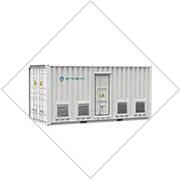
A high-quality solar backup battery system is comprised of multiple system components. Here is an overview of how costs are typically allocated in a standard 100kW/200kWh industrial containerized system:
| Component Group | Typical Cost Contribution (%) | Key Cost Drivers & Performance Impacts |
|---|---|---|
| Battery Cells (Grade A LiFePO4) | 50% - 60% | Raw lithium, cobalt/phosphate supply chain, cell cyclic performance, manufacturing precision. |
| Battery Management System (BMS) | 8% - 12% | Active vs. passive balancing, micro-controller quality, thermal sensors, and cloud diagnostics. |
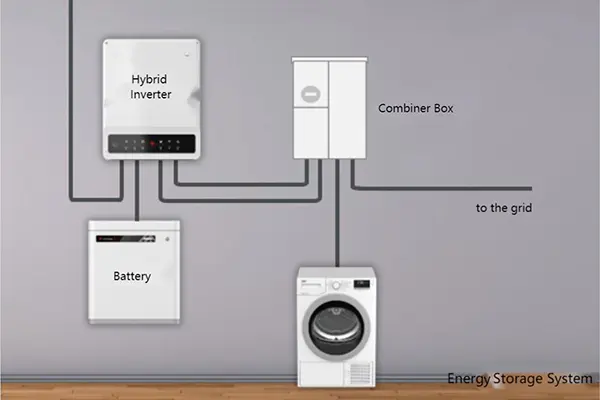
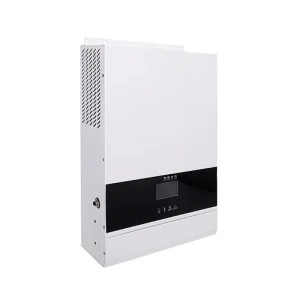
| Power Conversion System (PCS) / Inverter | 12% - 15% | Bidirectional conversion efficiency, grid-forming capability, switching speed. |
| Thermal Management & Fire Suppression | 6% - 10% | Liquid cooling vs. HVAC systems, NFPA 855 compliance, aerosol fire protection. |
| Assembly, Structuring & Shipping | 8% - 12% | Freight corridors, import duty fluctuations, factory acceptance testing (FAT). |
For global engineering, procurement, and construction (EPC) companies, purchasing solar backup battery systems from tier-1 manufacturers involves meeting stringent regulatory baselines. The regulatory landscapes in North America, Europe, and the Asia-Pacific region demand specific certifications before energy storage equipment can connect to the public grid.
In the United States, compliance with UL 1973 (for battery packs in stationary applications) and UL 9540 (for system integration) is mandatory for municipal approval. Furthermore, the UL 9540A thermal runaway fire test report is a prerequisite for project financing and insurance underwriting. In the European Union, the newly introduced European Battery Regulation introduces strict transparency regarding environmental footprinting, social impact, and carbon intensity throughout the battery life cycle. This has elevated the demand for transparent supply chains and high-quality manufacturing practices.
Corporate buyers must demand high standards when auditing manufacturers. The total cost of acquisition must align with robust warranties (typically 10 years or 6,000 cycles at 80% DoD). A manufacturer's financial health, performance guarantees, and bankability are essential when securing commercial lines of credit for multi-megawatt solar installations.
China remains the global leader in battery manufacturing capacity. However, the modern standard has shifted from high-volume assembly lines to advanced Factory 4.0 production environments. By deploying automated production, AI-driven optical inspection, and automated guided vehicles (AGVs), leading manufacturers in Xiamen and other industrial hubs have optimized cell sorting and pack assembly.
This level of automation directly impacts the consistency of battery cells. In large battery packs, the system's longevity is limited by its weakest cell. If cell resistance, capacity, and voltage vary across the module, the BMS must constantly limit output to prevent over-discharging or overheating. Factory 4.0 automated sorting ensures that cells inside a single pack share identical electrochemical characteristics, maximizing operational longevity.
Additionally, China's robust industrial base offers reliable supply chains for downstream components, such as busbars, dynamic liquid-cooling loops, and precision enclosures. As a result, Chinese factories can offer competitive pricing without compromising quality, shielding global customers from supply chain volatility.
Logistics Advantage: Operating from major port cities like Xiamen allows manufacturers to optimize maritime shipping routes, significantly reducing transit costs for heavy energy storage containers. This proximity ensures shorter lead times and mitigates port delays for international buyers.
The business case for integrating commercial and industrial (C&I) battery storage centers on energy optimization. Beyond simple backup power during grid failures, these systems provide several high-value economic streams:
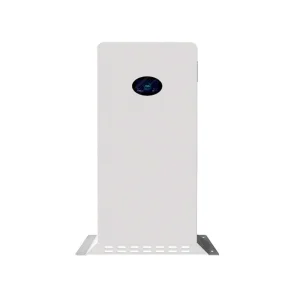
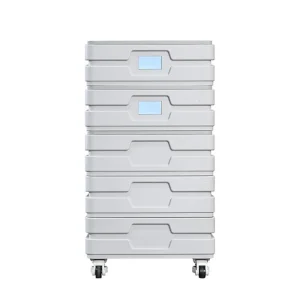
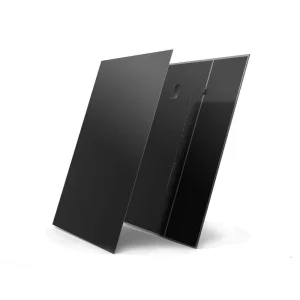
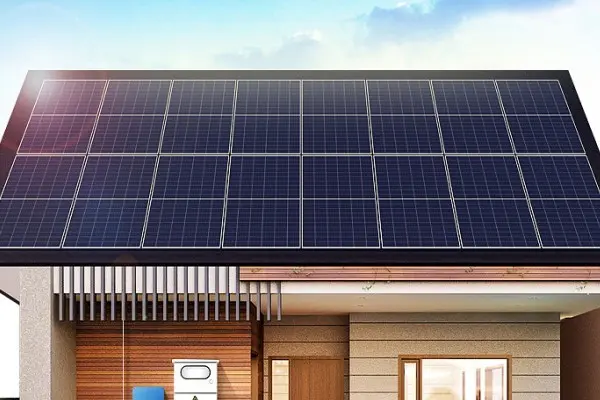
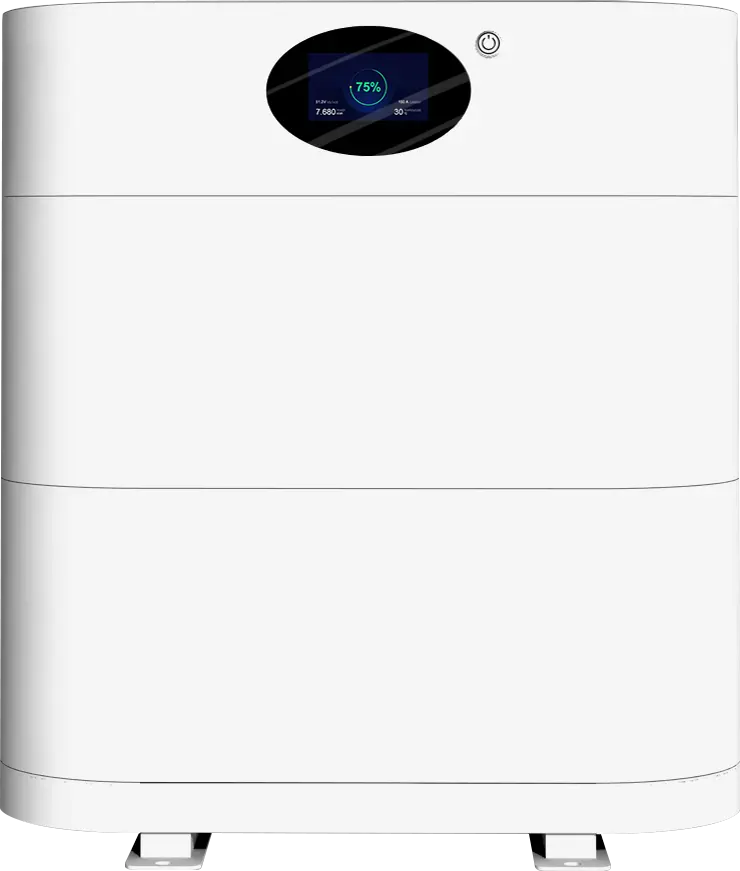
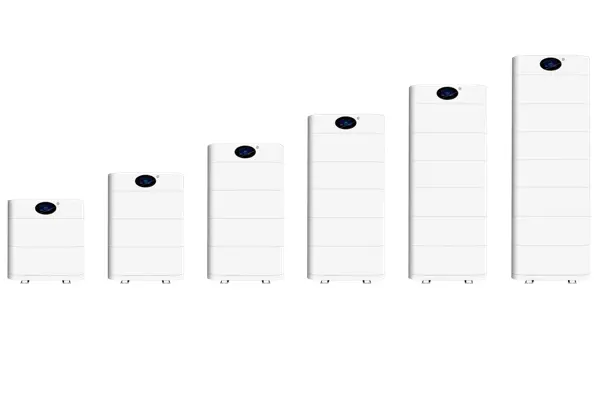
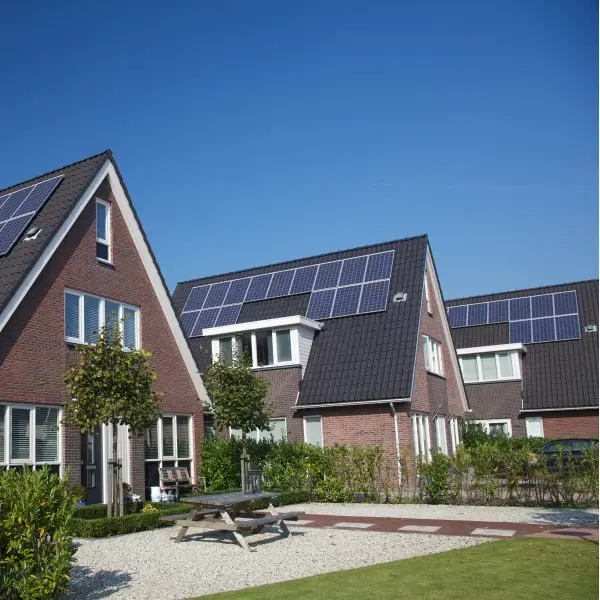
Additionally, innovative designs such as Building-Integrated Photovoltaics (BIPV) are reshaping modern construction. Utilizing advanced Cadmium Tellurium (CdTe) thin-film solar glass allows building envelopes to generate power, which is then managed by smart energy storage systems like the Elemro SHELL 10.2kWh Energy Storage Devices or high-voltage stacked setups to maximize solar self-consumption.
Powering a Green Future through advanced engineering and manufacturing integrity.
Established in 2019 and headquartered in Xiamen, China, ELEMRO Energy specializes in advanced new energy storage and electrical product solutions. As an integrated leader in R&D, manufacturing, and sales, ELEMRO has served customers in Europe, Southeast Asia, Africa, the Middle East, and the Americas. The company's annual turnover is expected to exceed 50 million USD, demonstrating strong financial growth and market reliability.
Operating in compliance with international standardizations, ELEMRO focuses on delivering safe, high-cycle lithium battery systems. By using premium cells, integrated dynamic BMS micro-controllers, and structural safety modules, we ensure high durability and stable operational parameters, reducing the lifetime cost of energy storage projects.
We provide cleaner energy for a greener world through diverse BIPV and storage options.


Expert insights on pricing components, selection strategies, and battery life optimization.
Insights, technology updates, and project management guidance from our engineering desk.
Get in touch with ELEMRO Energy for detailed technical consultations, system configuration options, and up-to-date factory direct pricing. Our technical support team is available to respond within 24 hours.
Inquiry For Pricelist




Further expand your system capacity with reliable power conversion units and high-voltage expansion racks.
 Elemro Energy