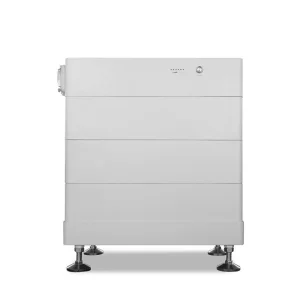
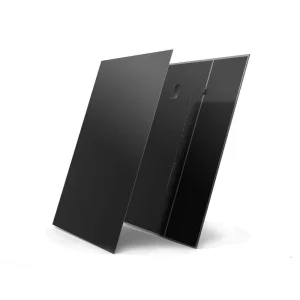
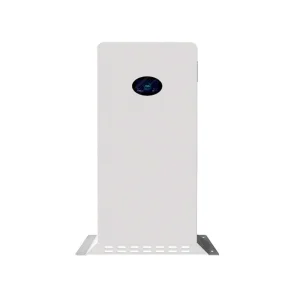
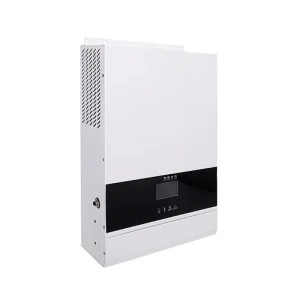
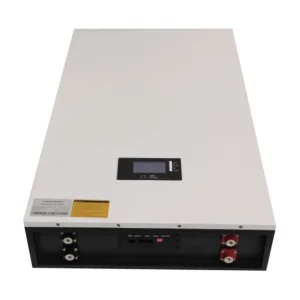
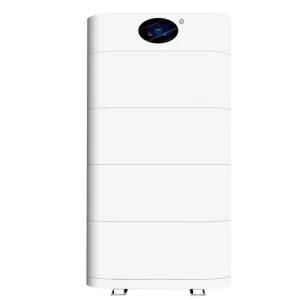
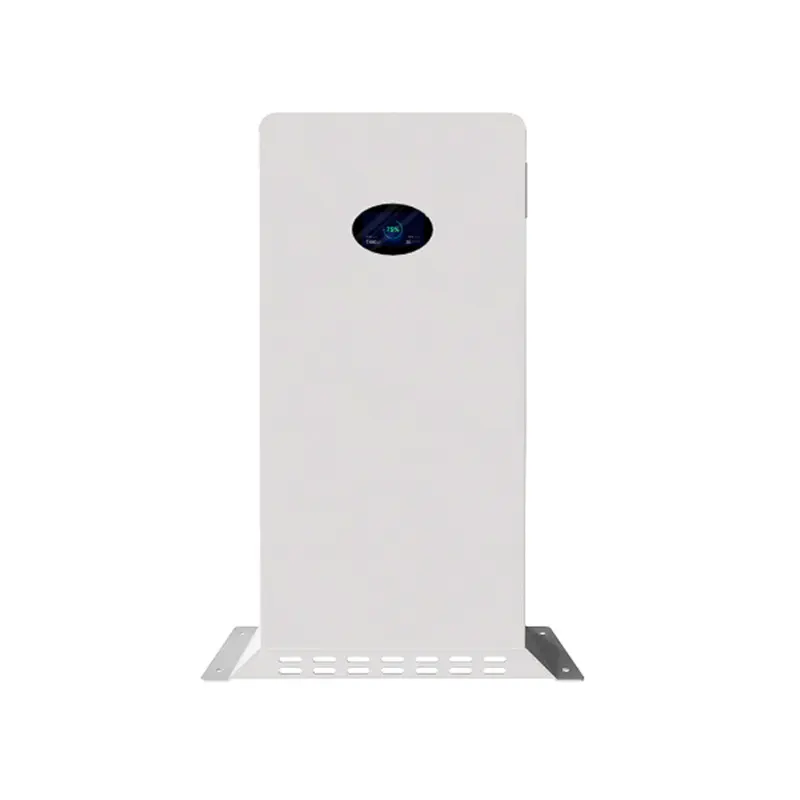
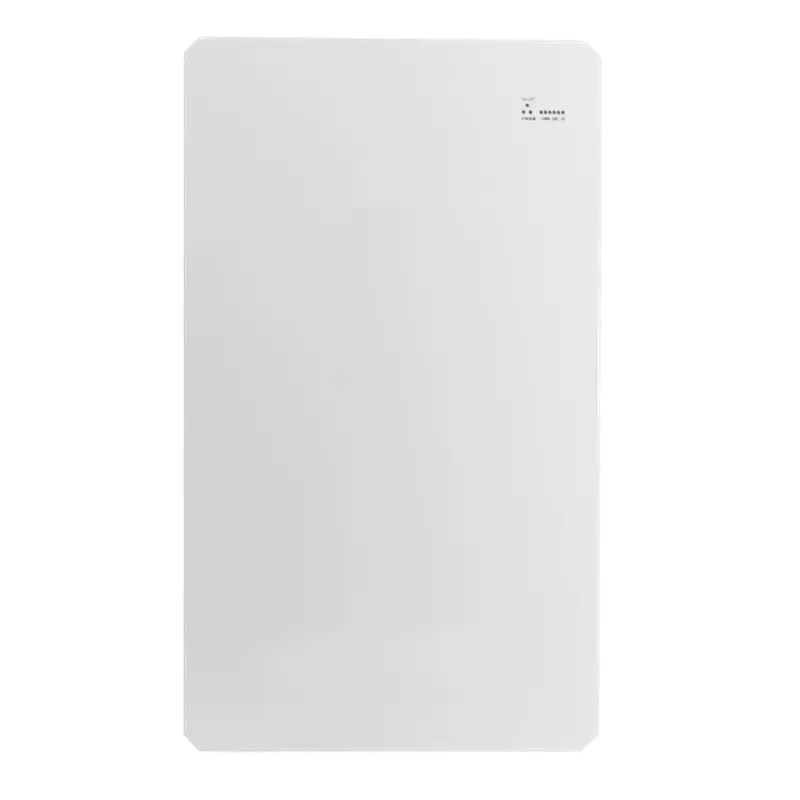
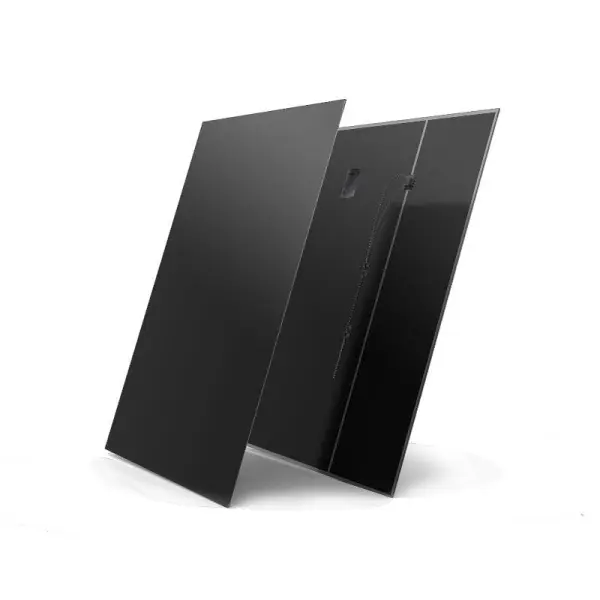
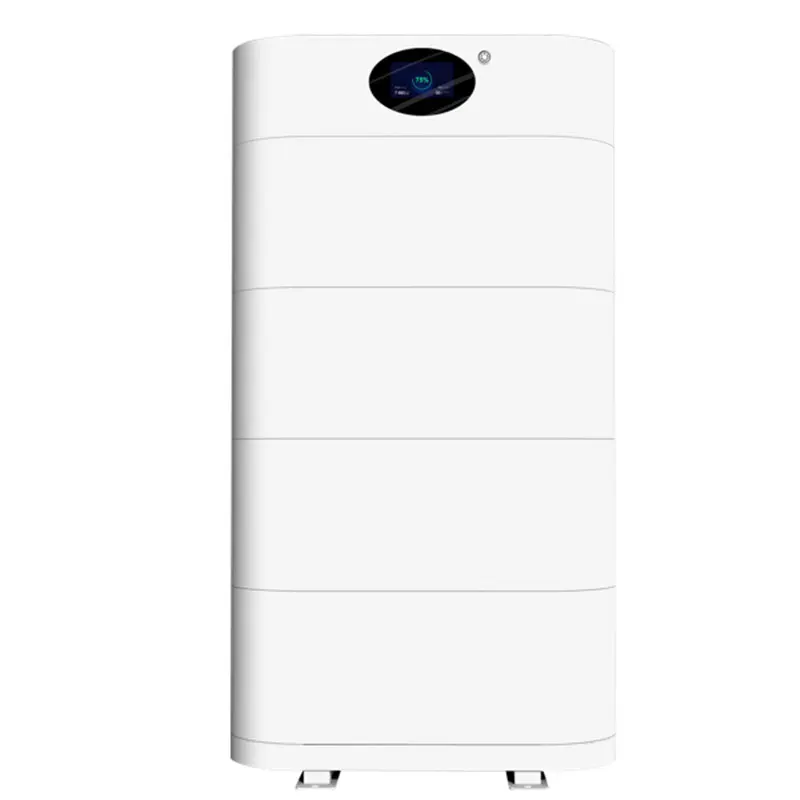
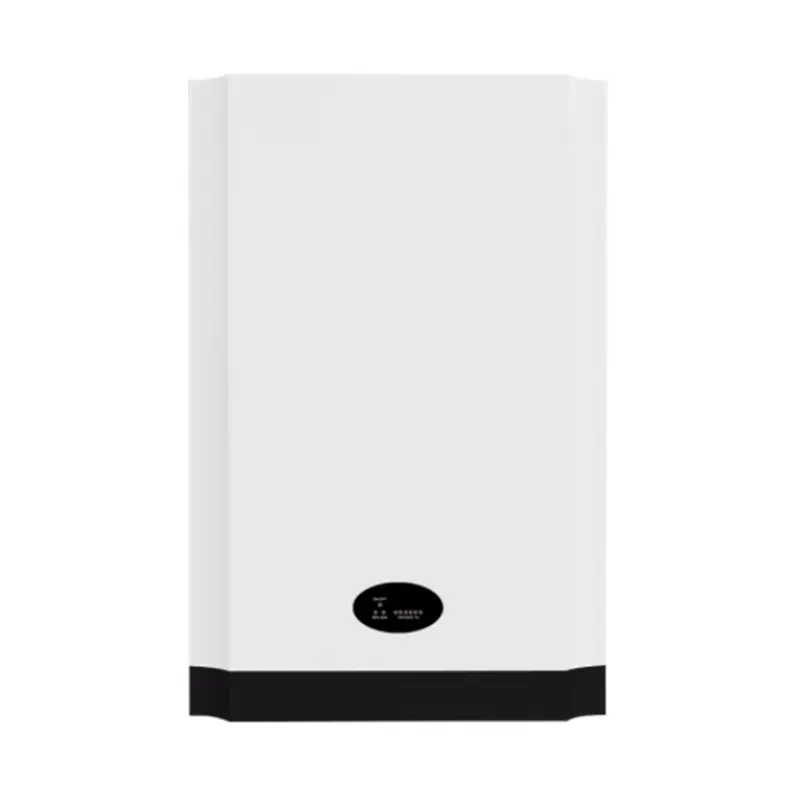
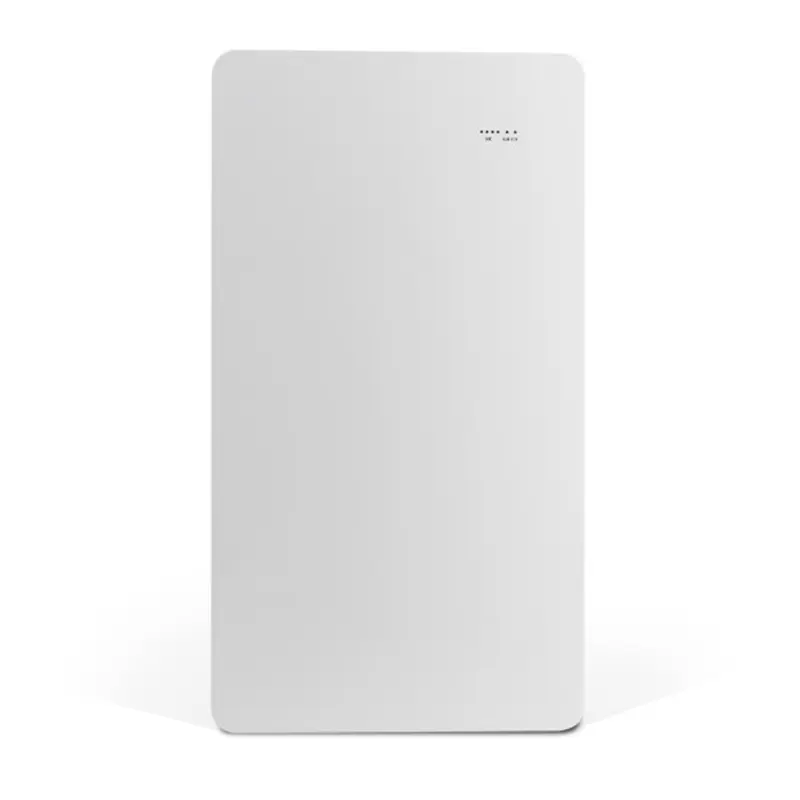
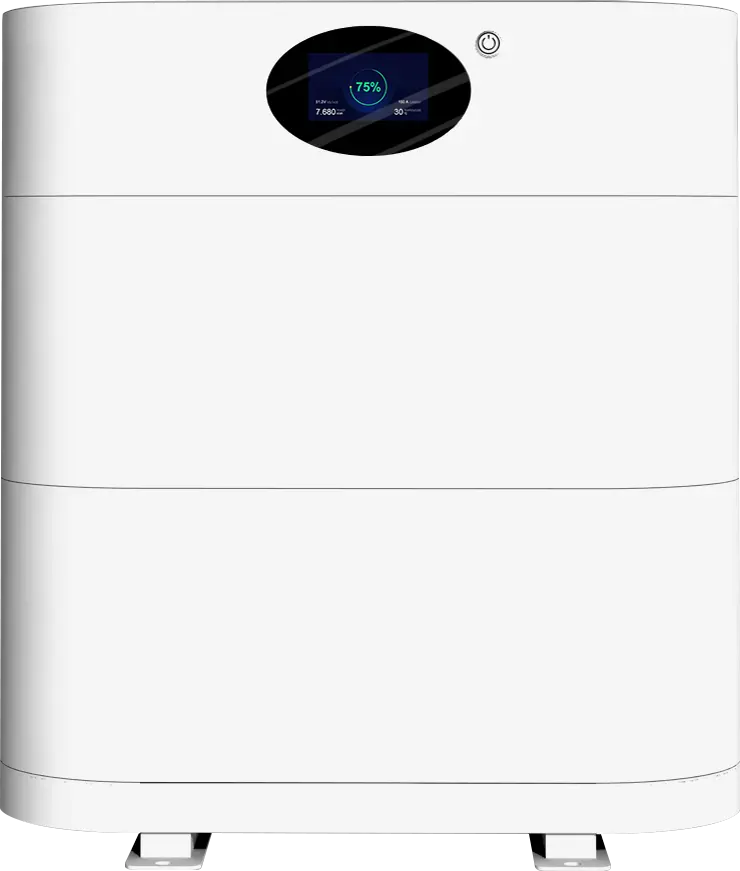
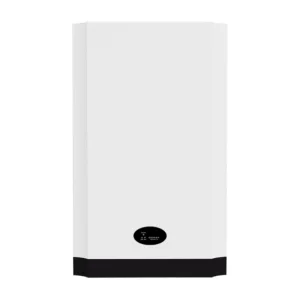
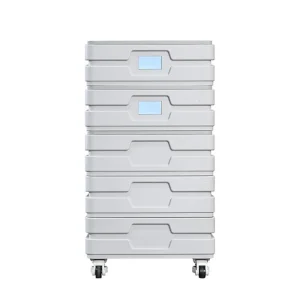
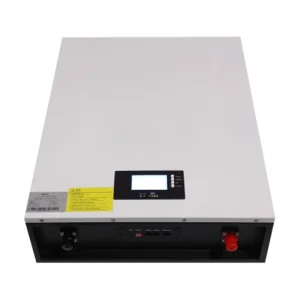
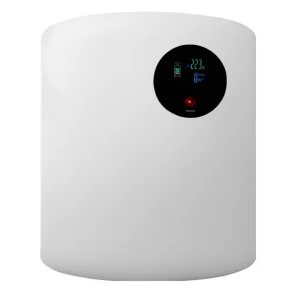
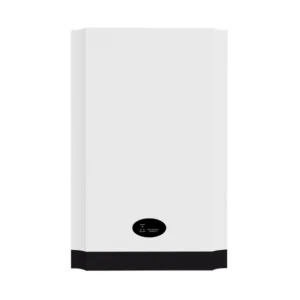
Select premium commercial-grade stackable batteries, CdTe thin-film modules, and hybrid off-grid systems manufactured directly by our certified factories.
As the global energy landscape transitions toward decentralization, the integration of small solar panels with lithium battery energy storage systems (BESS) has shifted from a niche solution to a critical B2B infrastructure component. For commercial entities, industrial developers, and infrastructure engineers, the integration of micro-photovoltaics (PV) with reliable energy storage represents the frontline of resilient, self-sufficient energy supply structures. This document serves as a comprehensive technical guide on the procurement, application, and future roadmap of small solar storage assemblies, with a specific focus on factory-grade production dynamics, technological integration, and the industry footprint of market leaders like ELEMRO Energy.
Global corporations face dual pressures: reducing carbon footprints to meet ESG (Environmental, Social, and Governance) targets while stabilizing operational budgets in an era of volatile utility prices. In areas with high grid pricing or unstable transmission lines (such as parts of Europe, Southeast Asia, and Sub-Saharan Africa), enterprises require small, high-efficiency solar panel installations integrated directly with lithium-ion storage.
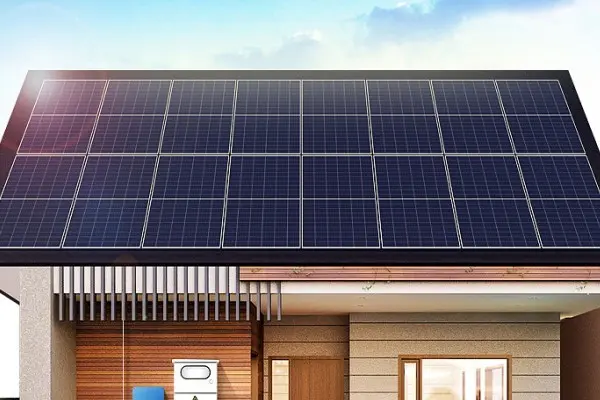
The core business case for small-scale solar panels paired with batteries lies in "localized grid independence." Rather than relying on large utility-scale land plots, corporations utilize building facades (BIPV), parking structures (solar carports), and modular rooftops. By keeping the generation system compact and localized, companies avoid transmission losses, minimize grid interconnection regulatory bottlenecks, and secure an uninterrupted power supply (UPS) for mission-critical operations like edge data centers, telecommunications repeaters, and cold chain storage logistics.
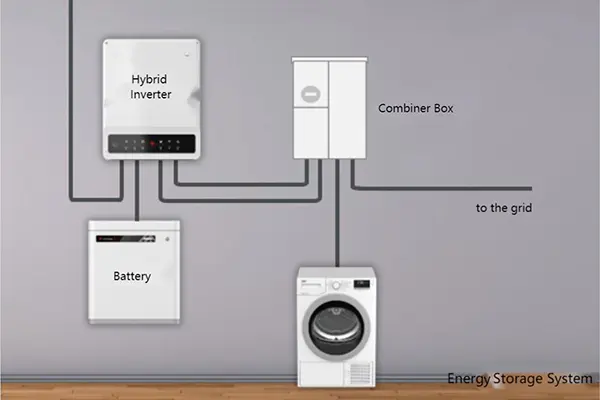
Implementing distributed micro-generation requires a systemic approach that links generation, conversion, storage, and consumption. Modern factories specializing in these units must construct flexible, modular platforms. Key implementation vectors include:
The manufacturing process of small solar storage devices is undergoing rapid iteration. The industry is currently moving away from traditional Lead-Acid or low-voltage Lithium-Ion setups toward advanced chemical and structural topologies:
Transition to High-Voltage Stackable Designs: Standard residential and light commercial systems historically used low-voltage (48V) systems. Modern architectures are transitioning to high-voltage stacked systems (ranging from 100V to 800V). These systems reduce current values during transmission, thereby minimizing copper requirements, reducing resistive thermal losses, and increasing overall round-trip conversion efficiency (RTE).
Thin-Film Solar Advancements: Cadmium Telluride (CdTe) panels offer unique performance characteristics, including excellent temperature coefficients (less power degradation at high operating temperatures) and superior performance under low-light or shaded conditions. This makes them ideal for building integration and cloudy regional climates.
AI-Enabled Smart BMS Integration: Next-generation battery packs integrate IoT and edge-computing microcontrollers. This allows cloud systems to monitor cell temperature, State of Charge (SoC), and State of Health (SoH) down to the individual cell. Predictive maintenance protocols can flag thermal runaway risks before they materialize, ensuring the utmost safety for municipal and corporate installations.
Exporting battery and PV systems requires adherence to strict global transport and safety standards. Batteries are classified as Class 9 Dangerous Goods during maritime and air logistics, demanding certified packaging and UN38.3 testing reports (which include vibration, shock, external short circuit, impact, overcharge, and forced discharge testing).
On the grid-connection side, compliance with local distribution codes (such as Germany's VDE-AR-N 4105, the United States' UL 1741, or Britain's G99) determines if a micro-BESS can legally synchronize with local utilities. Factory engineering teams must collaborate closely with regional EPC contractors to configure firmware and network parameters for grid compliance prior to dispatch, ensuring plug-and-play installation upon arrival.
We provide cleaner energy for a greener world through specialized utility designs.

Advanced CdTe thin-film technology integrating solar generation directly into building structural panels and facades.
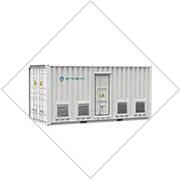
High-capacity industrial systems designed for peak-shaving, microgrid integration, and utility-scale load leveling.
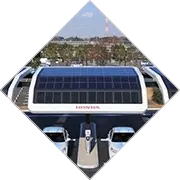
Turnkey parking canopies that generate green power while offering shade, safety, and integrated EV charging capabilities.
Established in 2019 and headquartered in Xiamen, China, Elemro Energy has specialized in new energy storage and electrical product solutions with rich industrial experience. It is a market leader in the clean energy sector, unifying R&D, production, and sales operations.
Our products have been exported to more than 250 enterprise customers across Europe, Southeast Asia, Africa, the Middle East, and the Americas. ELEMRO's annual turnover is expected to exceed 50 million USD, demonstrating rapid growth driven by reliable technology and strong customer partnerships.
About Elemro EnergyExplore our highly rated products engineered for commercial buildings and smart storage grids.
Submit your enterprise email address below. Our global engineering department will contact you within 24 hours with product datasheets, factory prices, and system compatibility charts.
Follow updates from our engineering teams on solar inverter architectures and battery safety designs.
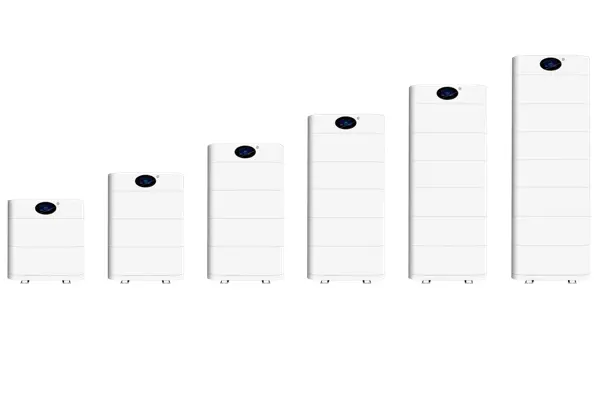
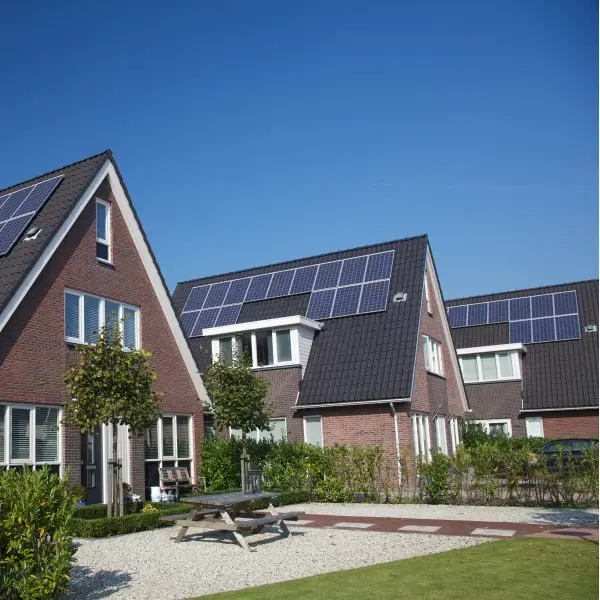





Factory-direct micro energy storage and modular home batteries available for bulk supply and distribution partnerships.
 Elemro Energy