Explore our leading commercial, industrial, and residential energy storage systems engineered for maximum efficiency.
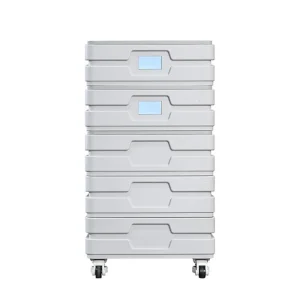
Empowering global infrastructure with high-performance ecological power architectures.

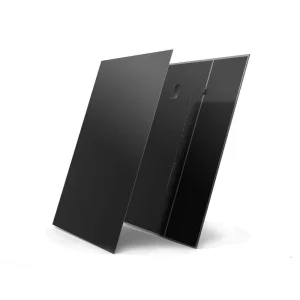
Next-generation photothermal and photovoltaic structural glass surfaces optimizing BIPV power absorption yields.
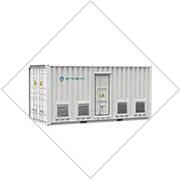
Megawatt-scale custom mobile grid configurations featuring integrated HVAC, automatic liquid cooling, and safety systems.
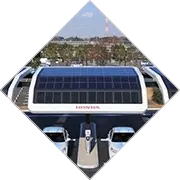
Commercial-grade decentralized parking structures combining PV architecture with EV dynamic charging storage lines.
The transition toward decentralized energy networks is driving unprecedented evolution in the commercial, industrial, and residential sectors. Historically, power distribution relied on unidirectional grid models. Today, the rapid implementation of wind, solar, and hybrid infrastructures dictates high-capacity, responsive localized storage networks. Global policy directives such as the EU's REPowerEU initiative and the US Inflation Reduction Act (IRA) have transformed energy storage systems (ESS) from auxiliary configurations into standard requirements. Advanced LFP (Lithium Iron Phosphate) technologies dominate due to their thermal stability, long cycle life, and eco-friendly composition. Current trends focus heavily on smart-grid integration, where peak shaving, load balancing, and active frequency control provide commercial viability.
Furthermore, the integration of Artificial Intelligence and Internet of Things (IoT) protocols allows battery arrays to operate as Virtual Power Plants (VPPs). These smart configurations dynamically aggregate decentralized resources, shifting battery charges in real-time according to fluctuating grid pricing models. Consequently, global procurement agencies are transitioning from basic battery packs to smart, software-integrated systems capable of autonomous grid support.
For EPC contractors, project developers, and system integrators, selecting industrial-grade energy storage is a complex process. Critical metrics include Levelized Cost of Storage (LCOS), calendar and operational degradation ratios, thermal runaway containment strategies, and international regulatory certifications (such as UL9540A, IEC 62619, and UN38.3). Technical design factors to consider include:
China's manufacturing sector utilizes advanced automation, smart quality control, and deep supply chain integration to maintain its position in the energy storage industry. The country's Factory 4.0 model combines automated cell sorting, precise robotic laser welding, and automated testing rigs. This setup guarantees that every battery module meets strict performance tolerances before shipping. Located in the technology hub of Xiamen, China, ELEMRO leverages this local ecosystem to secure premium raw materials (including premium LFP cells, smart BMS processors, and durable steel housings) at highly competitive costs. This direct access mitigates supply chain disruptions and ensures stable production lead times, even during volatile market cycles.
This robust manufacturing ecosystem enables continuous quality improvements. Real-time factory monitoring systems collect production data at every assembly stage, enabling complete traceability from raw materials to the finished product. This transparent, data-driven environment minimizes failures and ensures consistent quality for utility-scale deployments.
High-performance battery systems must adapt to diverse operational and environmental conditions. For instance, cold-weather environments require integrated self-heating systems, while tropical regions need advanced HVAC cooling. In urban BIPV (Building-Integrated Photovoltaics) designs, thin-film solar technologies like CdTe (Cadmium Tellurium) cells are integrated into building facades to generate power under diffused light conditions. In remote mining facilities, heavy-duty energy storage containers establish independent microgrids that run continuously, reducing dependency on expensive diesel fuel. Our engineering teams customize each deployment to meet local grid standards and environmental challenges.
A trusted global leader in research, development, and high-performance energy storage solutions.
Established in 2019, headquartered in Xiamen, China, Elemro Energy has been specialized in new energy storage and electrical product solutions with rich experience. It is the market leader in the new energy industry that unifies R&D, production, and sales. The products have been sold to more than 250 customers in Europe, Southeast Asia, Africa, Mid-east, America, etc. Since its establishment, ELEMRO’s revenue has been growing rapidly every year. ELEMRO’s annual turnover is expected to exceed 50 millions USD in year 2023. We combine local production efficiency with global quality standards to provide high-quality residential, commercial, and industrial energy solutions.
Stay updated with our latest engineering reports, technical analyses, and global event announcements.
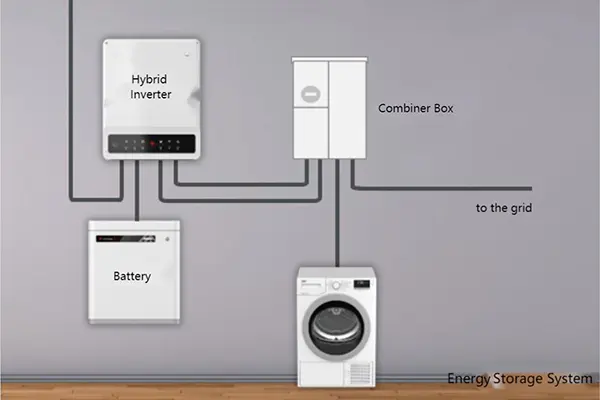
An in-depth look at topologies, control algorithms, and efficiency factors in residential hybrid inverters.
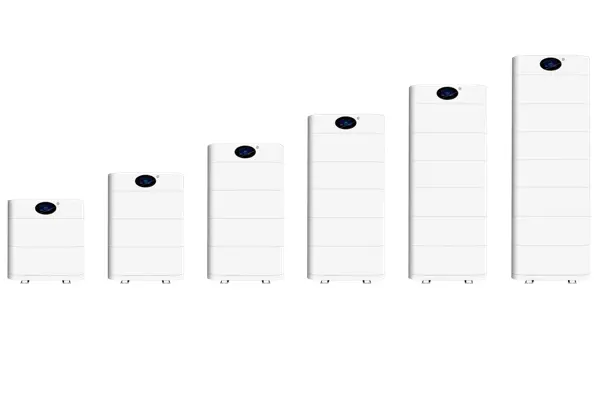
A comparative study examining lifecycle costs, energy density, and thermal limits of LFP and NMC batteries.
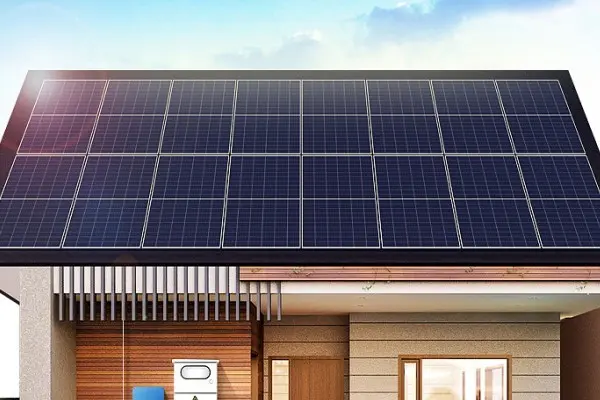
Analyzing case studies of urban peak demand reduction and rural microgrid configurations.
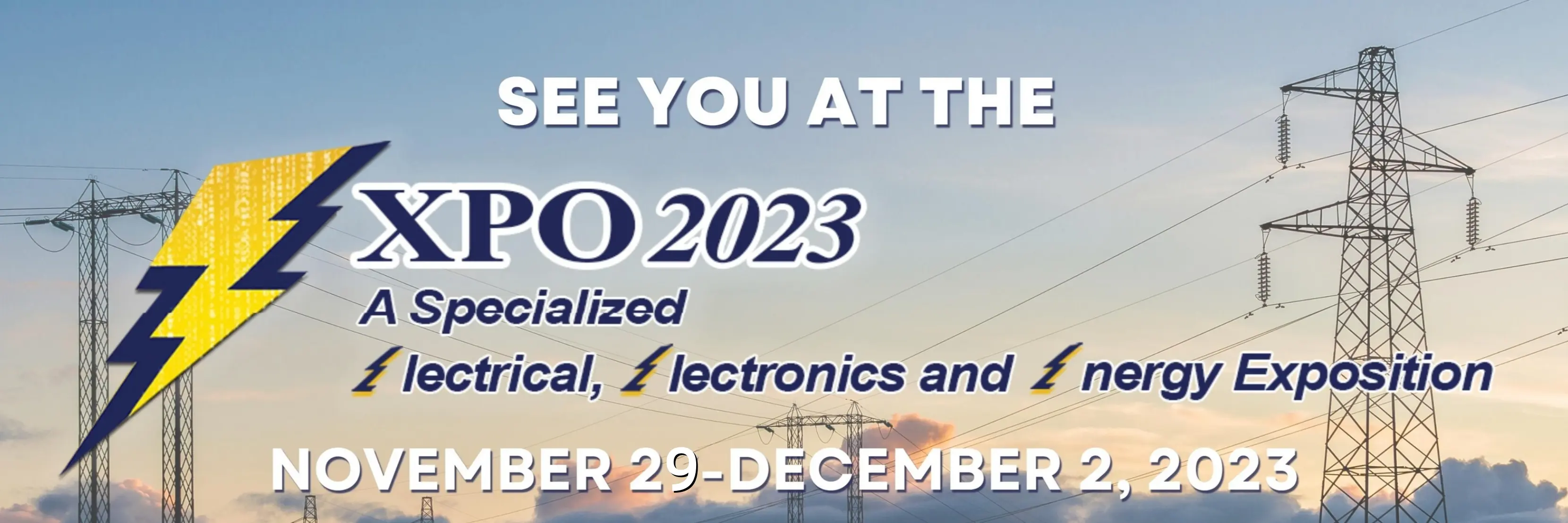
Join ELEMRO at the Philippines' top green technology and electrical trade exhibition.
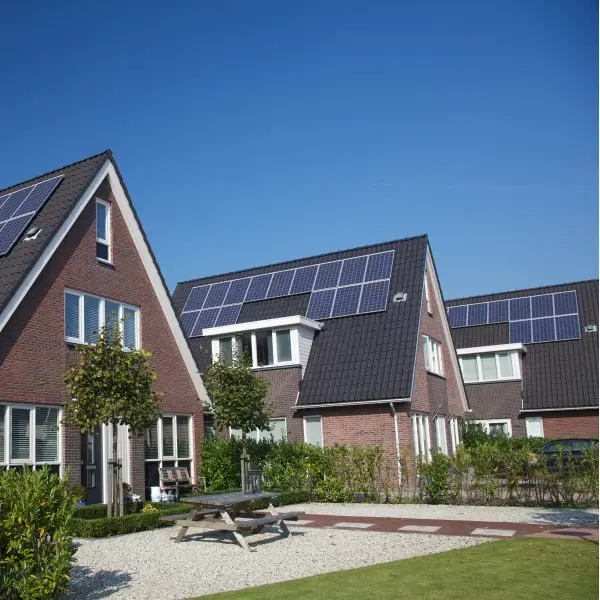
Technical guidelines for aligning BIPV systems and high-power trackers with energy storage arrays.
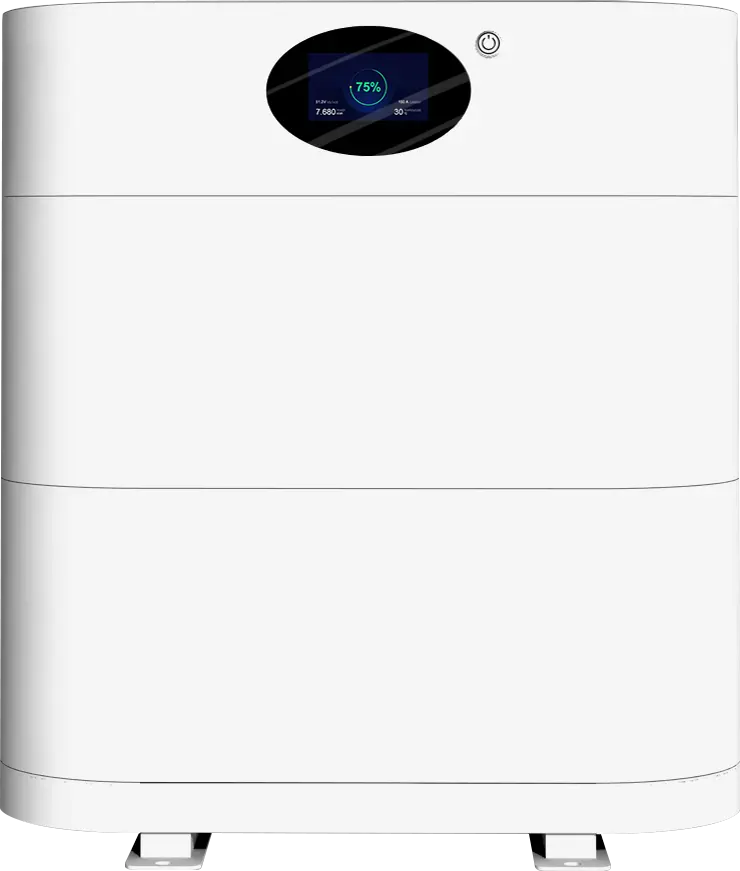
Understanding critical factors: safety containment, DOD, charge/discharge rates, and BMS safety features.
Get answers to common engineering, regulatory, and procurement questions about energy storage technologies.
LiFePo4 (Lithium Iron Phosphate) cells offer excellent thermal and chemical stability compared to NMC (Nickel Manganese Cobalt) chemistries. They eliminate risks of thermal runaway under normal operation, provide a longer lifecycle (often exceeding 6,000 charge cycles at 80% Depth of Discharge), and do not use conflict minerals like cobalt. This profile ensures safety and a low Levelized Cost of Storage (LCOS) over long-term operations.
The BMS acts as the brain of the energy storage system. It monitors parameters like cell voltage, operating temperature, and current loads. If any values exceed safe limits, the BMS isolates the affected modules. Advanced systems also include active balancing to equalize cell voltages, optimizing energy utilization and preventing localized cell wear.
CdTe thin-film solar modules are ideal for Building-Integrated Photovoltaics (BIPV). They perform exceptionally well in low-light and high-temperature conditions, maintaining high efficiency even when partially shaded. They also install flush to building facades, transforming exterior surfaces into active power-generating assets.
Yes. Our high-voltage stackable configurations interface directly with standard hybrid grid inverters. This design supports versatile modes like peak shaving, load shifting, and zero-export control. It allows systems to dynamically manage grid interaction, optimizing electricity consumption based on local tariffs.
Integrating global quality certifications with clean, industrial manufacturing.




Discover our complete line of home and commercial backup solutions.
 Elemro Energy