 Elemro Energy

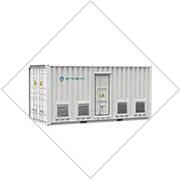

1. The Macroeconomic Imperative of Peak Shaving in Modern Grids
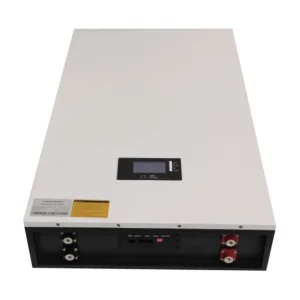
As the global energy paradigm rapidly shifts towards variable renewable energy sources (VRE) such as wind and solar, electrical grids face unprecedented structural instability. The resulting "Duck Curve"—characterized by a steep ramping demand in the late afternoon combined with solar drop-off—demands flexible, high-capacity reserves. Peak shaving technology has transitioned from a localized cost-saving strategy to a macroeconomic imperative. By storing power during low-demand valley periods and discharging it during high-demand peaks, Peak Shaving Battery Energy Storage Systems (BESS) flatten regional load profiles, reduce grid transmission congestion, and defer massive public infrastructure upgrades.
From a commercial and industrial (C&I) perspective, the economic driver is immediate and substantial. Utilities worldwide are restructuring tariffs, increasing the proportion of "Demand Charges" based on a facility's highest 15-minute power spike in a billing cycle. In many jurisdictions, demand charges account for over 50% of the total monthly electricity bill. A robust, smart-controlled lithium battery system mitigates these spikes automatically. It provides a localized energy reserve that steps in the moment building loads exceed predetermined thresholds, effectively capping peak energy costs.