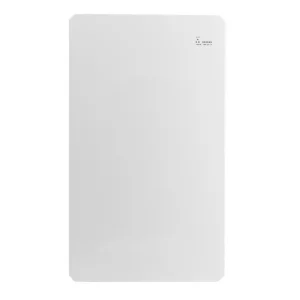
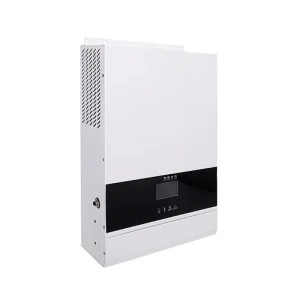
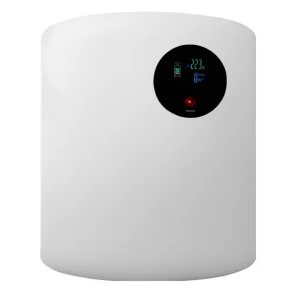
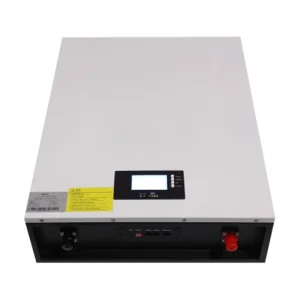
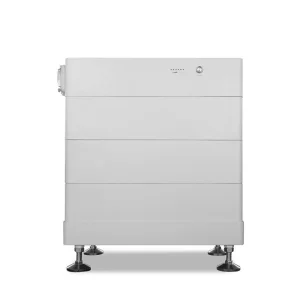
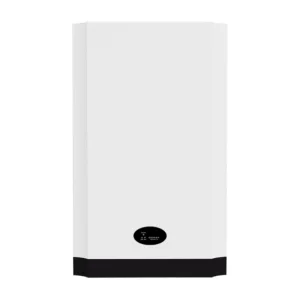
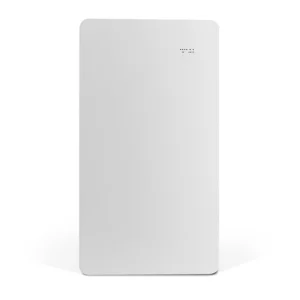
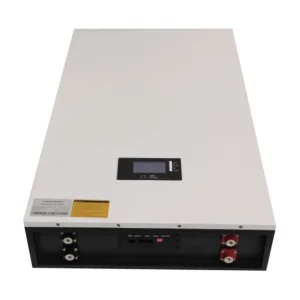
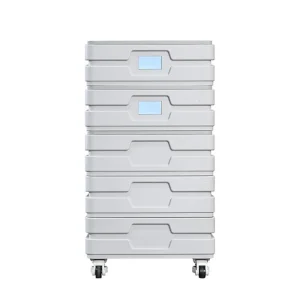
Explore our premium product portfolio certified to global compliance standards, engineered for resilience and efficiency.
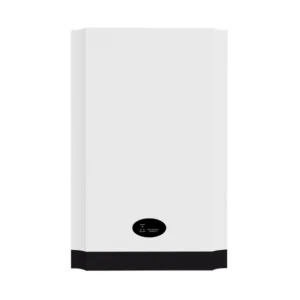
As the international community accelerates toward net-zero carbon targets, modern electricity grids are undergoing a radical shift. The rapid replacement of traditional baseline power generators (such as coal-fired and natural gas thermal plants) with intermittent renewable energy resources (primarily utility-scale photovoltaic solar and wind farms) has created unprecedented challenges for grid stability, frequency regulation, and power dispatch schedules.
In this dynamic landscape, Large Battery Storage Systems (BESS) have evolved from a supplementary technology to the foundational pillar of contemporary power infrastructure. High-quality lithium iron phosphate (LiFePO4) storage plants act as dynamic buffers, capturing surplus clean generation during peak production hours and feeding it back into the transmission network during supply shortfalls. This critical mechanism—commonly referred to as load shifting and peak shaving—eliminates power curtailment while stabilizing regional grid systems against grid-wide brownouts.
"Modern battery storage technology is no longer defined by simple energy containment; it represents the software-defined, millisecond-level responsive interface between fluctuating clean power generation and modern industrial demand profiles."
Global storage requirements are transitioning from isolated distributed residential nodes to centralized, high-voltage multi-megawatt configurations. Engineering procurement, construction (EPC) contractors, and utility asset managers are prioritizing containerized battery architectures due to their modularity, ease of onsite integration, and superior thermal management systems. Modern manufacturing centers are aligning their lines to produce high-density, IP54- and IP67-rated enclosures capable of withstanding extreme environmental environments, from arctic sub-zero conditions to high-ambient desert environments.
Integrating innovative component design, thin-film photovoltaic cells, and utility-scale containment systems.
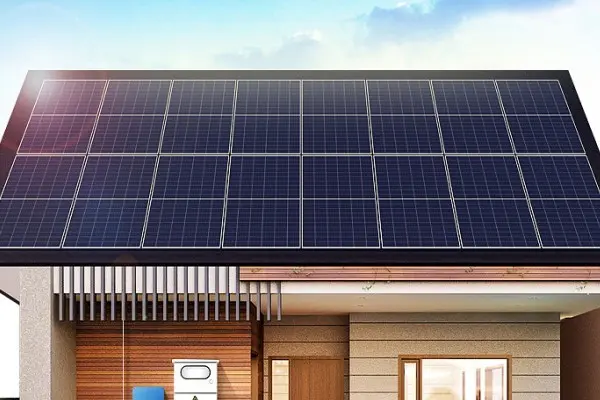
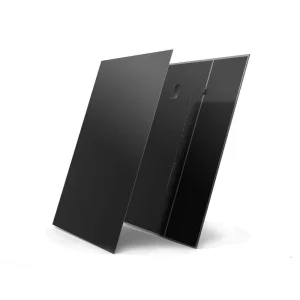
Next-generation tempered protective surfaces designed for optimal solar energy absorption and protection against high-impact hail. Integrated directly with cadmium telluride (CdTe) thin-film BIPV technologies.

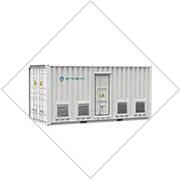
Pre-engineered thermal-controlled container units incorporating multi-stage aerosol fire suppression, liquid cooling circuits, intelligent battery rack configurations, and integrated regional grid management controllers.
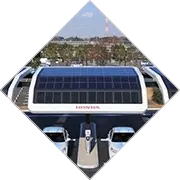
Heavy-duty, structural steel solar carports equipped with direct-coupled microinverters, battery buffering packs, and dual-nozzle Level 2 EV chargers for high-traffic commercial facilities.
In high-capacity grid-scale projects, the chemistry of choice defines the capital expenditure payback timeline and structural reliability. Our manufacturing facilities focus extensively on the optimization of Lithium Iron Phosphate (LFP, LiFePO4) chemistry. LFP displays a thermal runaway point of roughly 270°C, vastly outperforming conventional Nickel Manganese Cobalt (NMC) chemistries that decompose at 210°C. Furthermore, LFP chemistry's safety profile is enhanced by its resistance to oxygen release during thermal stress events, minimizing combustible fuel sources inside the battery enclosure.
Safety optimization is achieved through a hierarchical software-driven BMS monitoring matrix:
Maintaining temperature uniformity across cell blocks is paramount. When the temperature variance between cells exceeds 5°C, their electrochemical degradation profiles diverge, dramatically reducing the entire system's cycle life. Our utility container solutions implement high-precision liquid-cooling thermal control loop designs. By utilizing a closed-loop glycol-water thermal system, we maintain core temperatures within a tight ±2°C operating window, enabling an extended service life exceeding 6,000 cycles at 85% Depth of Discharge (DoD).
Established in 2019 and headquartered in Xiamen, China, ELEMRO Energy has solidified its position as a global leader in new energy storage systems and specialized electrical solutions. By unifying advanced Research & Development (R&D), automated production lines, and high-fidelity global logistics operations, we serve as a reliable partner to developers, EPC firms, and industrial clients worldwide.
Our solutions have been successfully deployed across more than 250 corporate portfolios in Europe, Southeast Asia, Africa, the Middle East, and the Americas. ELEMRO's annual turnover is expected to exceed 50 million USD in year 2023, reflecting our commitment to quality, reliable delivery schedules, and continuous technical innovation in the clean technology sector.
About Our JourneyFor grid operators and sovereign infrastructure investors, the choice of a battery storage manufacturer goes beyond the initial dollar-per-kilowatt-hour ($/kWh) capital expense. Comprehensive financial modeling must account for Total Cost of Ownership (TCO) over a minimum 15-to-20-year expected facility runtime. Key cost variables include levelized cost of storage (LCOS), degradation metrics, efficiency rates, and the accessibility of spare components.
Industrial buyers should mandate verification of the following manufacturing credentials and product specifications during pre-qualification stages:
ELEMRO Energy minimizes systemic geopolitical supply risks by maintaining diversified material agreements for active materials, copper foil, separators, and advanced fire containment components. Our proximity to key transportation hubs in Xiamen enables optimized logistics pathways, reducing transport times, ensuring reliable deliveries, and lowering transit costs for major projects globally.
The applications for modern utility battery installations are diverse, with each sector requiring specific adaptations in system topology and discharge capabilities.
Modern commercial buildings are evolving into self-sustaining power stations through BIPV installations. Unlike traditional, bulky crystalline silicon rooftop panels, Cadmium Telluride (CdTe) thin-film solar cells can be integrated directly into architectural facade structures, skylights, and windows. These installations require decentralized battery storage systems to absorb low-intensity solar energy generated across wide vertical surface areas, flattening building load curves and providing clean backup power during peak grid tariff hours.
For remote mining projects, island communities, and military bases, grid-forming energy storage systems act as the primary voltage reference source. By pairing containerized LFP batteries with solar panels and backup diesel generators, microgrids can achieve high renewable integration rates, operating cleanly for extended periods without relying on fossil fuel deliveries.
Our centralized container solutions house complete megawatt-scale power systems within reinforced, climate-controlled shipping containers. These packages contain state-of-the-art battery arrays, power conditioning systems (PCS), step-up transformers, and automatic fire containment units, offering a ready-to-run solution for utility-scale grid reinforcement projects.
Safety is the primary metric for long-term project viability. Industrial battery plants must comply with strict international regulatory standards to qualify for grid connection, receive insurance coverage, and ensure public safety.
Our manufacturing and testing processes are designed to meet these safety standards. Every production run undergoes rigorous QA evaluations, including high-voltage insulation tests, environmental chamber cycling, and complete factory acceptance testing (FAT) before shipment.
As the energy storage industry evolves, several emerging technologies are poised to redefine energy density, safety, and system-level performance.
Solid-state battery configurations substitute liquid organic electrolytes with solid ceramic or polymer alternatives. This transition eliminates thermal runaway risks while increasing volumetric energy densities by up to 50%, paving the way for smaller, long-lasting storage installations.
Next-generation EMS platforms use machine learning models to analyze weather forecasts, energy market prices, and grid conditions in real time. These algorithms optimize battery dispatch schedules, maximizing revenue through grid arbitrage while minimizing cell degradation.
When EV batteries drop below 80% capacity, they are no longer ideal for vehicles but remain highly viable for stationary grid storage. Repurposing these cells into second-life BESS installations extends their lifecycle, reduces carbon footprints, and lowers the capital cost of utility storage systems.
Get answers to common technical, commercial, and safety questions about large battery storage projects.
What are the primary differences between LFP and NMC chemistries in utility-scale installations?
LFP (Lithium Iron Phosphate) offers superior thermal stability, a longer cycle life (exceeding 6,000 cycles at 85% DoD), and a lower risk of fire since it does not release oxygen during thermal events. NMC (Nickel Manganese Cobalt) provides higher energy density, making it suitable for space-constrained installations, but requires more complex cooling and fire suppression systems.
How does liquid cooling compare to forced-air cooling in containerized battery systems?
Liquid cooling is more efficient and maintains cell-to-cell temperature variations within ±2°C. Air cooling is simpler and less expensive upfront but can result in temperature variations of 5°C or more. Consistent temperature control helps prevent uneven cell degradation and extends the overall life of the battery pack.
What safety certifications are required to connect a BESS to national electricity grids?
Major markets require compliance with UL 9540/9540A (thermal runaway propagation testing) and IEC 62619 (industrial safety). Transformers and inverters must also comply with regional grid codes, such as IEEE 1547 in North America or EN 50549 in Europe, to ensure safe operation when connected to the grid.
Can CdTe thin-film solar modules be integrated with high-voltage battery storage?
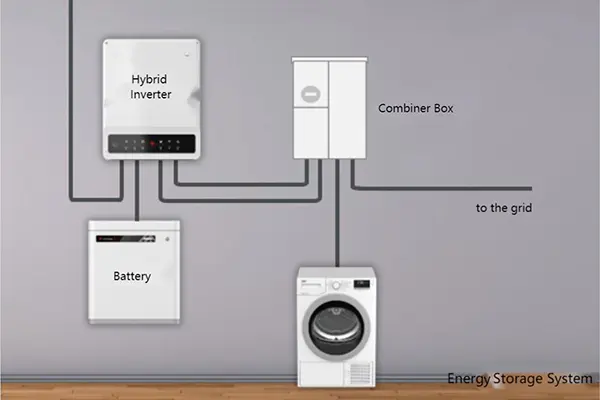
Yes. Cadmium Telluride (CdTe) thin-film solar systems generate DC electricity, which can be connected to battery storage systems using MPPT charge controllers or hybrid inverters. This combination is ideal for Building-Integrated Photovoltaic (BIPV) installations, providing a clean, reliable power source for urban buildings.
How does a BMS balance states of charge across a high-voltage battery system?
The BMS uses active or passive balancing to equalize voltages across cells in a module. Passive balancing dissipates excess energy as heat, while active balancing transfers energy from higher-voltage cells to lower-voltage cells. This process prevents individual cells from overcharging or undercharging, keeping the system operating at peak performance.
Stay informed with technical insights, product articles, and event updates from our global engineering team.
Jul 07, 2023
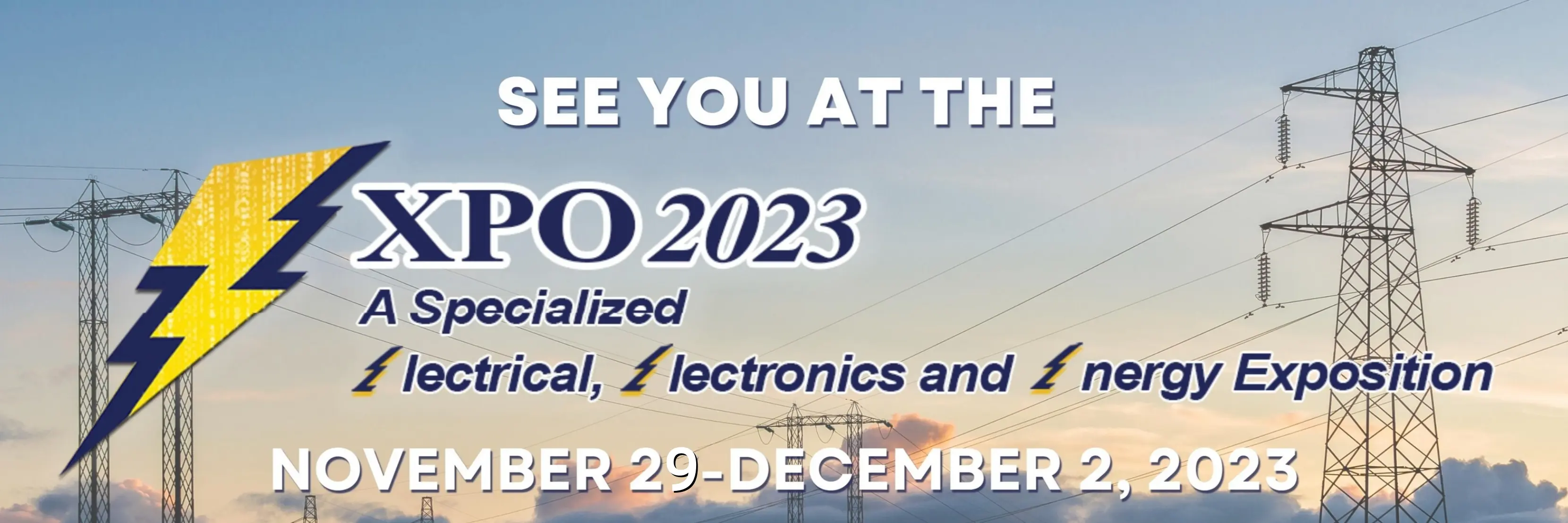
Nov 26, 2023
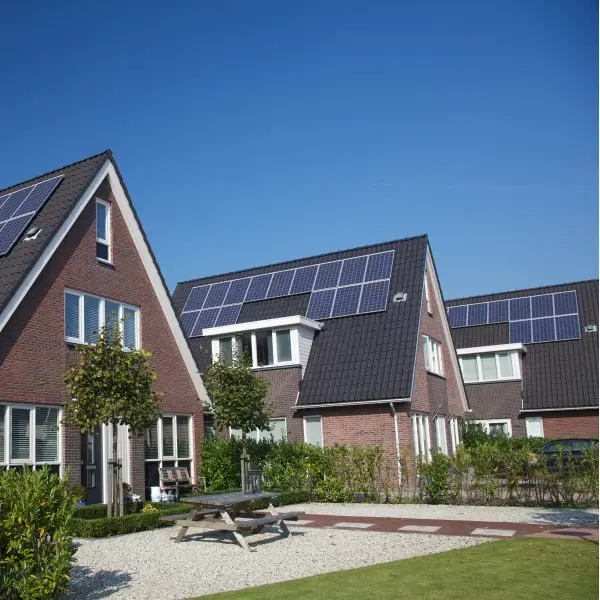
Nov 10, 2023
For inquiries about our products or pricelist, please leave your email to us and we will be in touch within 24 hours.
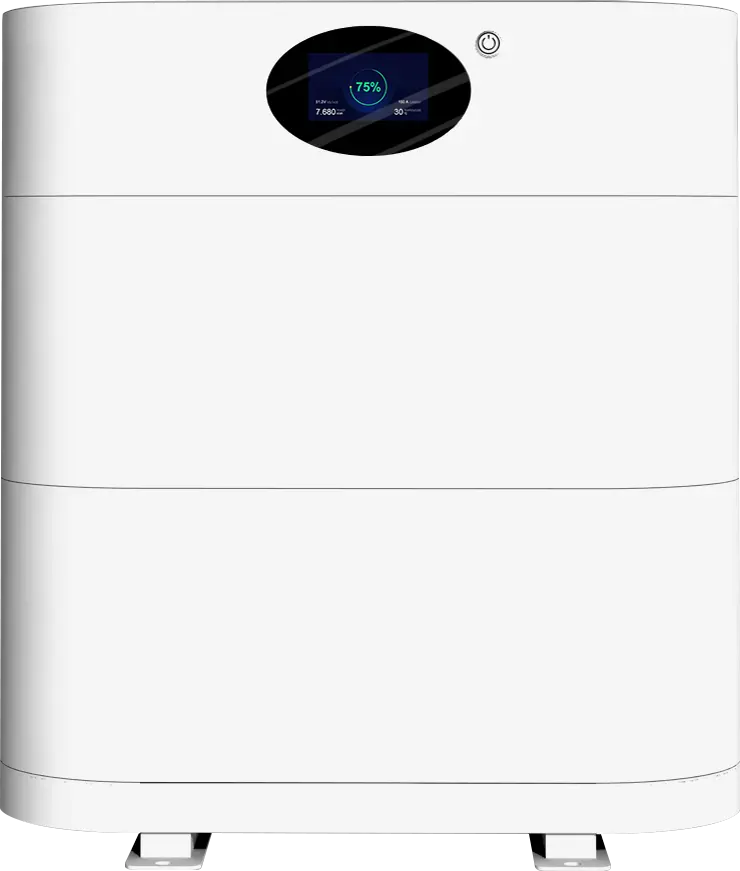
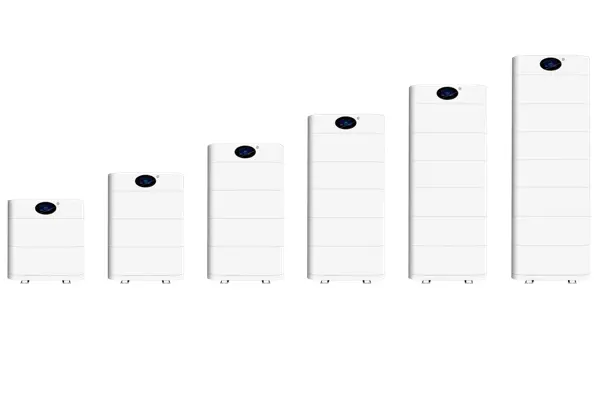
Expanding capabilities: explore stacked architectures, thin-film cells, and high-voltage configurations.





 Elemro Energy