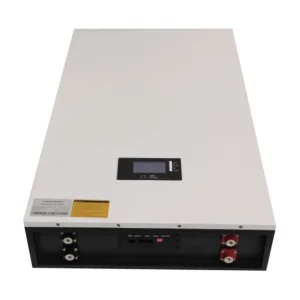
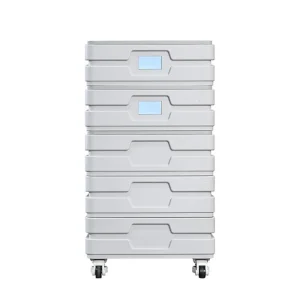
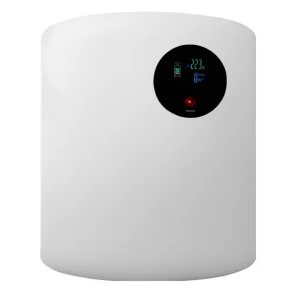
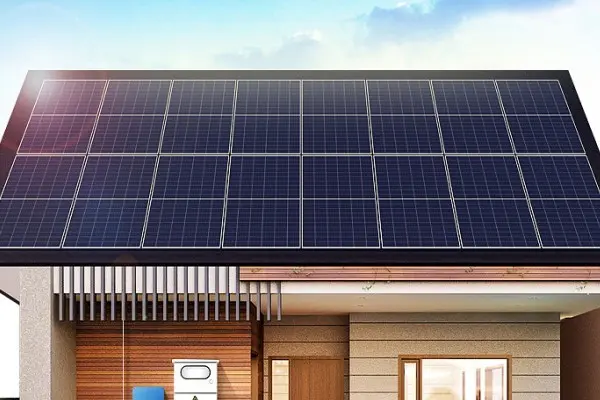
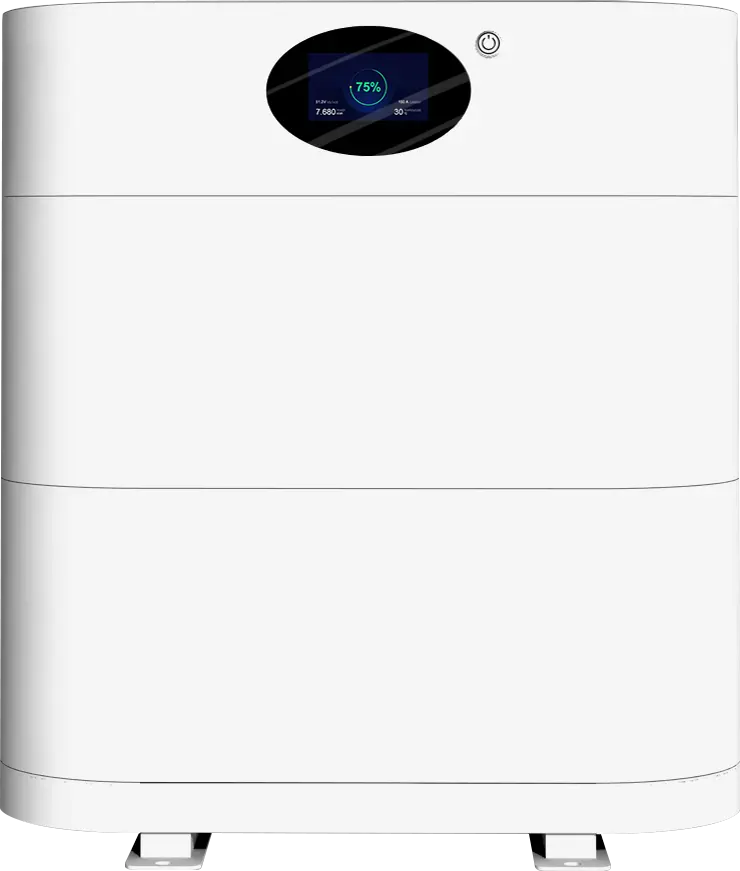
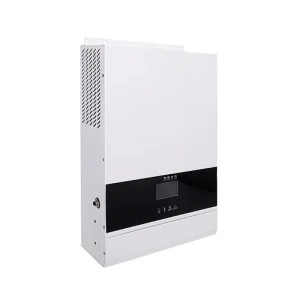
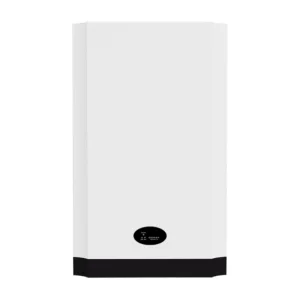
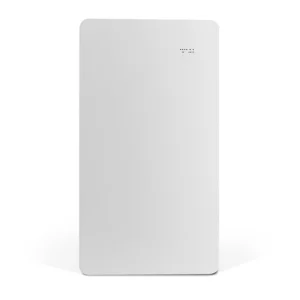
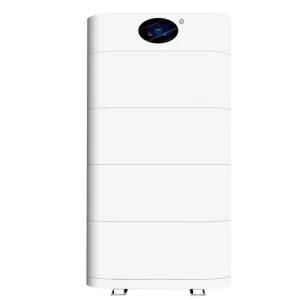
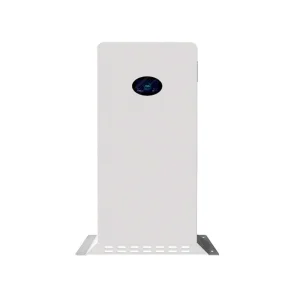
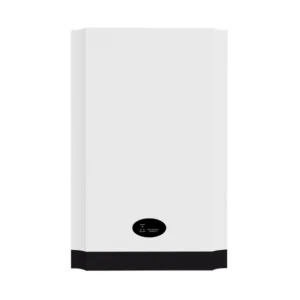
Explore our state-of-the-art energy storage units optimized for diverse applications ranging from residential back-ups to large-scale industrial microgrids.
We provide cleaner energy for a greener world through structural integration and technological superiority.
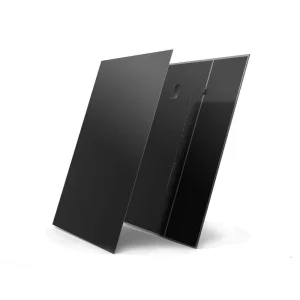
Innovative photovoltaic glass solutions integrated into architectural facades and roofs. Designed to maximize light transmittance while actively generating clean electricity for commercial structures.

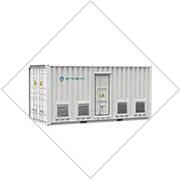
Industrial-scale containerized energy storage units engineered for megawatt-level grid stabilization, peak shaving, and ancillary services in utility-grade power stations.
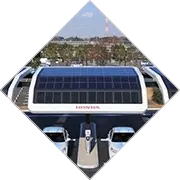
Dual-purpose structures facilitating vehicular protection and highly efficient PV electricity generation, bridging the gap between municipal infrastructure and clean mobility charging.
Established in 2019 and headquartered in the high-tech hub of Xiamen, China, ELEMRO Energy has solidified its position as a global leader in new energy storage systems and advanced electrical solutions. Combining cutting-edge research and development (R&D), highly standardized factory production, and an international sales network, we bridge the gap between energy production and smart distribution.
Our systems have been successfully deployed in over 250 commercial, utility, and residential facilities across Europe, Southeast Asia, Africa, the Middle East, and the Americas. By achieving rapid year-on-year revenue growth, ELEMRO's annual turnover is expected to exceed 50 million USD in 2023, reflecting our strong market presence and the trust our global clients place in our technology.
Discover Our TechnologyA comprehensive analysis of technological pathways, localized deployment architectures, and macroeconomic dynamics driving the transition to advanced battery energy storage systems.
The global transition toward decentralized power grids and decarbonized energy networks has placed Industrial and Commercial (C&I) Energy Storage Systems (ESS) at the center of modern industrial strategy. Today, power grids worldwide are facing unprecedented challenges, including supply volatility due to the high penetration of intermittent renewable sources like solar and wind, and rising demand driven by electrification and data center expansion.
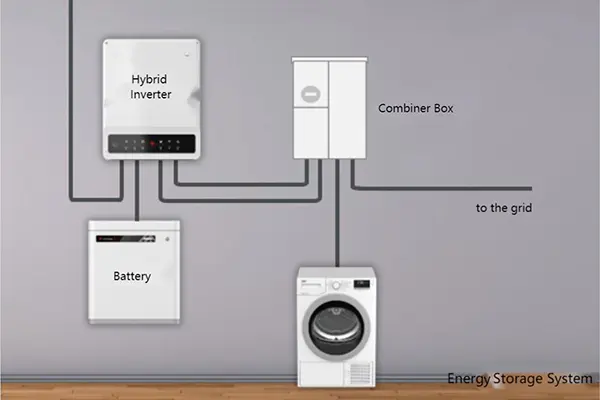
To mitigate these risks, factories, manufacturing plants, and utilities are deploying modular lithium-ion energy storage systems. By storing electricity during periods of low demand (or peak generation) and discharging it during peak demand intervals, industrial operations can dramatically reduce peak demand charges, enhance reliability, and ensure uninterrupted continuity of critical production lines. Furthermore, with grid operators offering financial incentives for demand response programs, C&I energy storage has evolved from a passive backup system into a revenue-generating asset.
In Europe, high energy costs and stringent emissions mandates are driving rapid adoption in Germany, Italy, and the UK. Meanwhile, in Southeast Asia and Africa, off-grid and microgrid systems are vital for stabilizing weak grids and supplying remote mines and processing facilities. In North America, regulatory mandates and grid modernization programs are propelling massive investments in high-voltage containerized energy storage units, showcasing the global momentum of the energy storage industry.
SEO Insight: Modern semantic search prioritizes "Information Gain"—content that delivers unique industrial perspectives and deep technical breakdowns rather than superficial summaries. The following technical analysis is designed to address the detailed search intent of battery engineers, procurement directors, and grid design consultants.
Several macro-trends are shaping the technological and commercial evolution of the energy storage sector:
The flexibility of ELEMRO's product suite allows for highly customized deployment configurations across diverse industrial sectors:
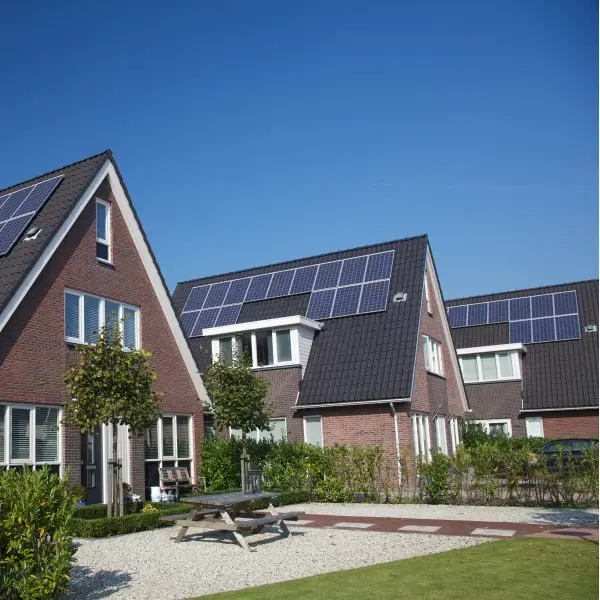
Modern commercial complexes are utilizing Cadmium Tellurium (CdTe) thin-film solar glass to transform building facades into active power generation units. By pairing these solar facades with stackable, high-voltage battery storage systems (such as the ELEMRO Stackable LiFePO4 series), commercial buildings can achieve net-zero operations. The thin-film glass operates efficiently under low-light conditions and high temperatures, providing stable power that is dynamically buffered by the battery system.
For heavy manufacturing factories equipped with high-power machinery, electricity tariffs are dominated by peak demand charges. By deploying high-capacity systems like the Elemro SHELL 14.3kWh or custom containerized solutions, factories can discharge energy during peak hours, smoothing out their load curves. This process, known as "peak shaving," significantly lowers utility bills and relieves thermal stress on local grid transformers.
The rapid expansion of electric vehicle fleets requires robust charging infrastructure that does not overload local distribution networks. Solar carports integrated with high-voltage battery banks store solar energy throughout the day, providing rapid EV charging capabilities even when the sun is not shining. This eliminates the need for expensive grid infrastructure upgrades.
As a leading developer, ELEMRO is constantly looking toward the future. Our technological roadmap is defined by three distinct pillars:
Lithium Iron Phosphate (LiFePO4) remains the industry gold standard for stationary storage due to its exceptional thermal stability, long cycle life (often exceeding 6,000 cycles at 80% Depth of Discharge), and non-toxic material composition. However, ELEMRO is also researching sodium-ion technologies for low-temperature applications and solid-state designs that promise higher energy densities and absolute safety profile.
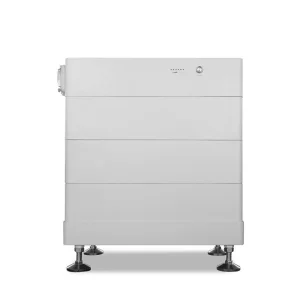
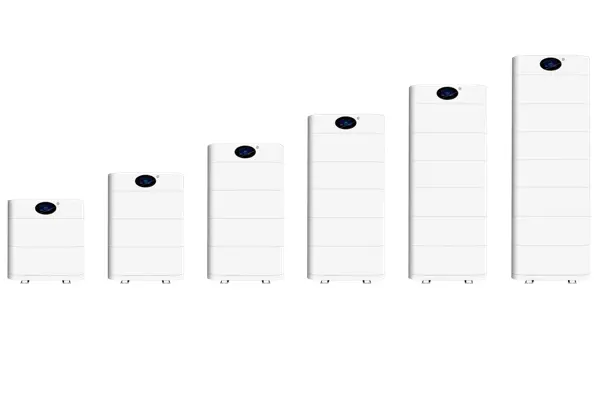
To simplify installation and maintenance, our residential and commercial products feature stackable configurations. This modular design allows users to scale capacity incrementally as their energy demands grow, eliminating the need for system redesigns. High-precision battery management systems (BMS) auto-detect added modules and balance energy distribution dynamically.
In the future, distributed energy storage systems will be aggregated into Virtual Power Plants. By grouping hundreds of individual storage systems via cloud networks, VPPs can bid into electricity markets, offering grid balancing services like frequency regulation and operating reserves. ELEMRO's software architecture is fully compliant with advanced communication protocols (including Modbus, CAN, and IEC 61850) to facilitate seamless grid integration.
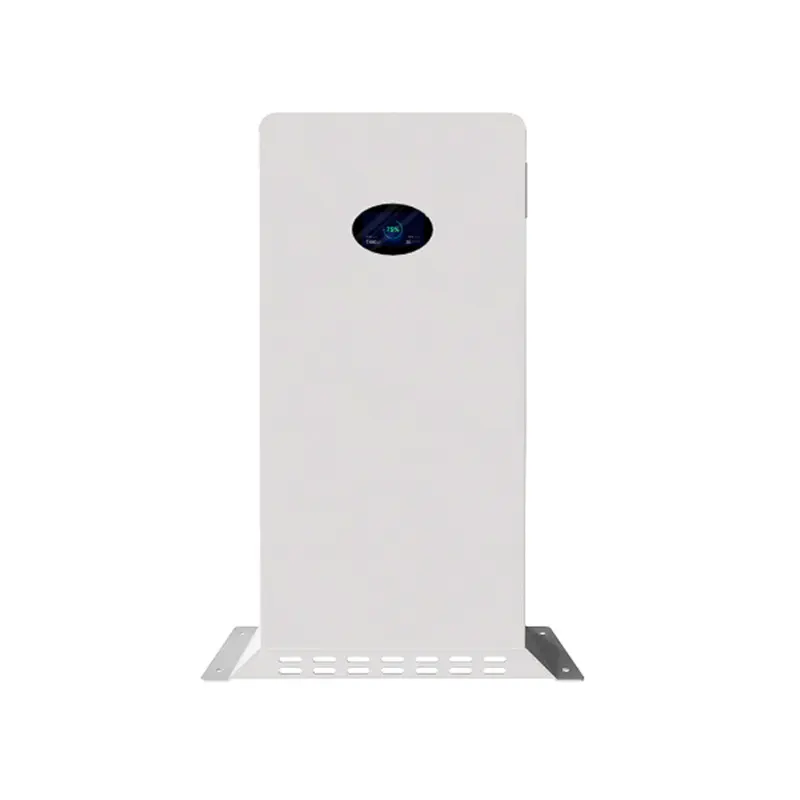
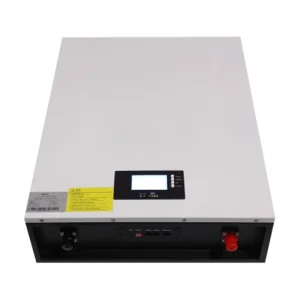
Figure 1: ELEMRO LCLV 14kWh Energy Storage System with advanced BMS integration.
ELEMRO provides comprehensive energy solutions tailored to diverse industries:
Technical and commercial answers to key questions surrounding industrial energy storage systems.
Stay updated with our latest technological developments, industry insights, and global event invitations.
High-quality, reliable, and certified power solution devices to ensure uninterrupted industrial flow.





 Elemro Energy