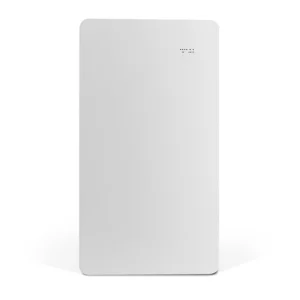
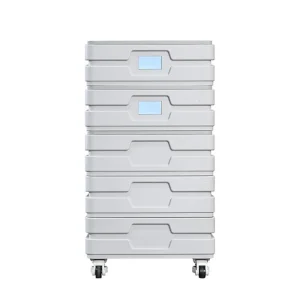
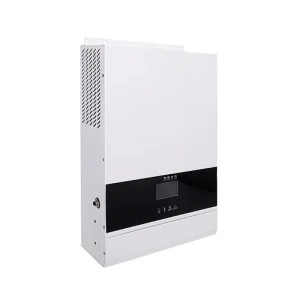
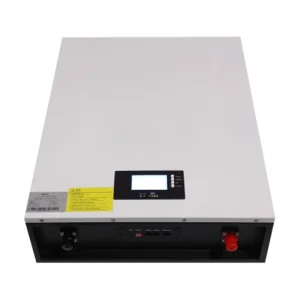
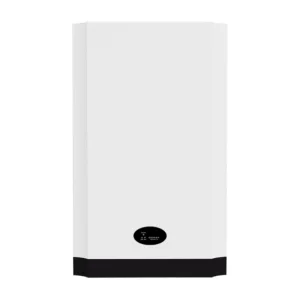
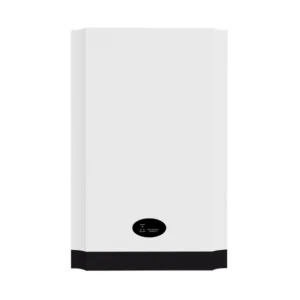
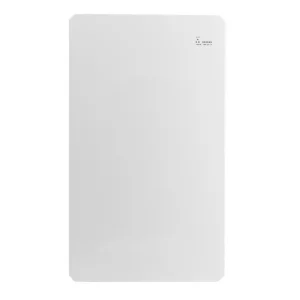
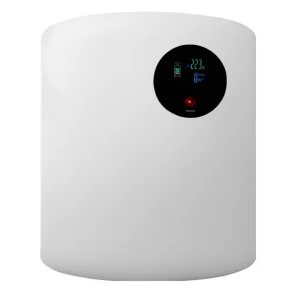
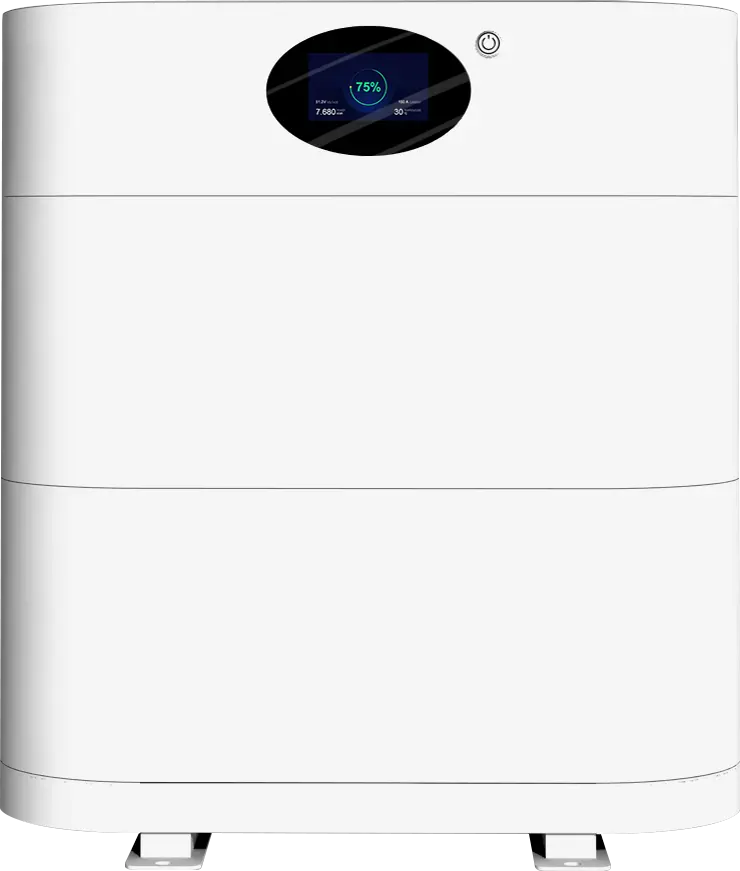
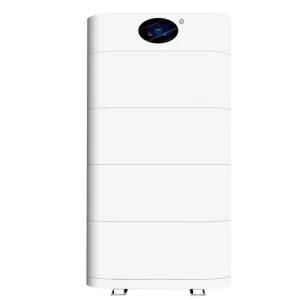
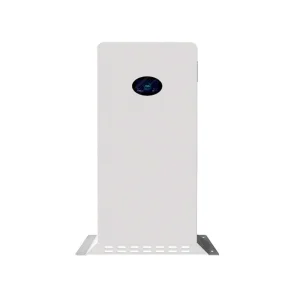
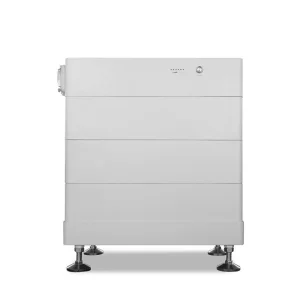
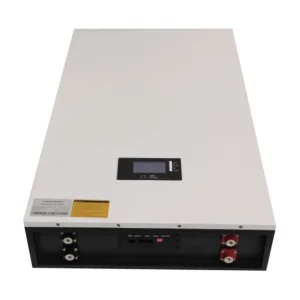
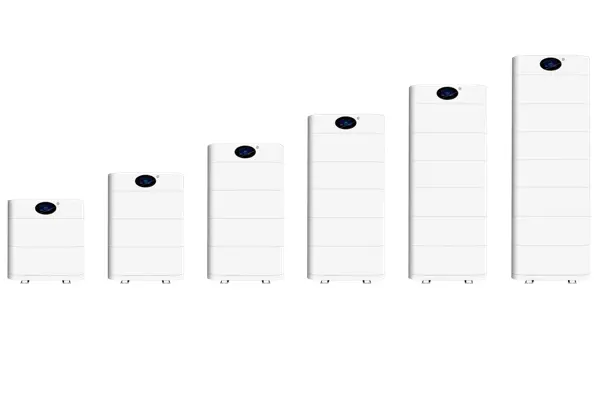
Explore our elite series of high-capacity lithium iron phosphate (LiFePO4) solar backup batteries engineered for smart homes.
We provide cleaner energy solutions for a sustainable, carbon-neutral world.

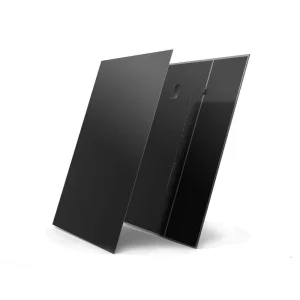
Highly transparent photovoltaic glass designed to maximize solar conversion efficiency in building envelopes and green infrastructures.
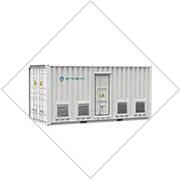
Containerized, modular megawatt-class battery setups built for grid support, industrial load management, and heavy microgrid structures.
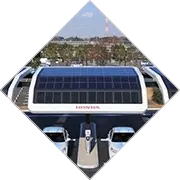
Engineered overhead PV structures designed to charge EV fleets, reduce commercial demand peaks, and generate clean distributed power.
The global transition from traditional centralized electricity grids to decentralized micro-power infrastructures has propelled residential solar energy storage into a critical necessity. For homeowners, commercial developers, and engineering firms alike, choosing a high-quality home solar energy storage manufacturer is not just a procurement decision; it is a long-term investment in grid resilience, thermal safety, and Levelized Cost of Storage (LCOS) optimization.
At ELEMRO Energy, we analyze user intent by bridging the gap between raw cell engineering and practical grid adaptation. In this whitepaper, we dissect the crucial engineering metrics, supply chain mechanisms, and regulatory criteria that govern modern energy storage systems (ESS).
Not all lithium batteries are created equal. While Cobalt-based chemistries (like NMC) offer high spatial energy density, they present systemic safety hazards under physical stress or high ambient temperatures. Residential systems are installed close to living spaces, demanding the safest chemistry available: Lithium Iron Phosphate (LiFePO4 or LFP).
China represents over 75% of the world's lithium-ion battery manufacturing capacity. Operating from Xiamen, China, ELEMRO Energy capitalizes directly on this robust raw material supply and manufacturing ecosystem. Our factory integration leverages deep manufacturing advantages:
Installing home solar storage systems requires stringent adherence to national grid codes and localized fire safety regulations. High-quality products must carry specific certifications to ensure legal, safe, and rebate-eligible installations.
In the United States and Canada, the combination of UL 1973 (for battery packs) and UL 9540 (for the integrated system of battery, inverter, and controller) is mandatory. These standards subject the system to rigorous thermal runaway tests (UL 9540A) to ensure that thermal propagation is contained.
For European markets, compliance with IEC 62619 is crucial for industrial safety. Additionally, the system must comply with grid-interconnection standards such as EN 50549-1 and Germany's VDE-AR-N 4105, ensuring the battery interacts predictably with the public grid during frequency swings and power faults.
When procurement officers, commercial contractors, and system integrators evaluate home solar energy storage options, they look for specific technical indicators:
Different regions demand customized operation modes based on economic, geographic, and grid-related variables:
In regions with dynamic peak pricing, the BMS is programmed to charge the battery during off-peak times (e.g., midday solar surplus or low-cost night rates) and discharge during peak evening pricing windows, optimizing energy expenditure.
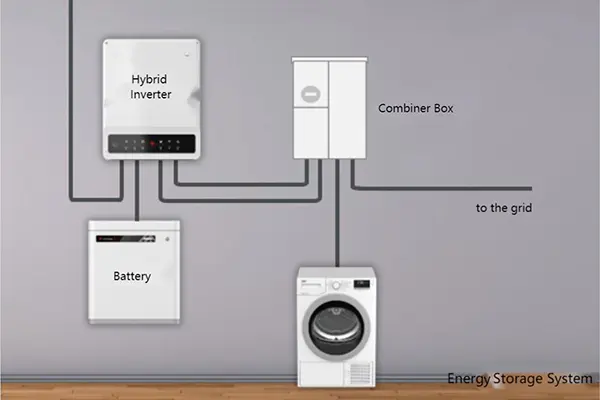
For regions experiencing severe grid instability or load-shedding, the storage system must function as a UPS (Uninterruptible Power Supply) with an Automatic Transfer Switch (ATS) engaging in less than 10 milliseconds, guaranteeing continuous power for critical loads.
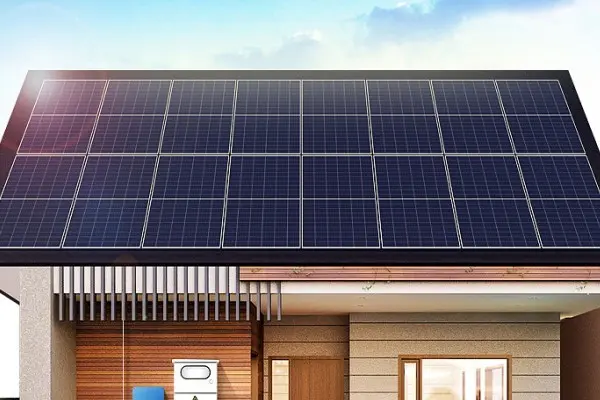
Modern architectural designs utilize advanced solutions like CdTe Thin-Film solar cells on building facades to capture diffused light, storing that energy directly in centralized, high-voltage battery banks to run HVAC systems and commercial facilities.
Technical insights regarding residential solar energy storage engineering and procurement.
Low-voltage (LV) systems typically operate at 48V-51.2V. They are safer for DIY installations and easy to scale. High-voltage (HV) stacked systems connect cells in series to operate at 200V-500V or higher. HV systems reduce transmission line loss, achieve higher round-trip efficiency, and are ideal for rapid charging/discharging and high-power electrical appliances.
A 14.3kWh battery pack (like the Elemro SHELL 14.3kWh series) can run essential household appliances (such as LED lights, refrigerator, router, and smart devices) for 24 to 36 hours. If power consumption is restricted to critical loads, it can easily sustain a home until the solar array resumes generation the next morning.
Our batteries utilize high-stability LiFePO4 cells wrapped in structural casing. The internal Battery Management System (BMS) manages overvoltage, undervoltage, thermal runaway, cell balancing, short-circuits, and ground faults. Additionally, our battery design conforms to UN38.3 packaging standards for safe transport.
Yes. As an integrated manufacturer with R&D facilities in Xiamen, we offer customized OEM/ODM services, including structural configuration, branding, customized BMS interfaces, and regional compliance matching to meet exact B2B bulk purchase demands.
Stay updated with the latest technological developments, exhibition reviews, and renewable energy reports.
Jul 07, 2023
Nov 26, 2023
Nov 10, 2023





Discover BIPV thin-film technologies and high-voltage energy storage cells built for premium industrial and domestic systems.
For inquiries about our home energy storage systems, battery cell solutions, or customized wholesale pricing plans, submit your email below. Our engineering team will contact you within 24 hours.
 Elemro Energy