Engineered for deep-cycle reliability, safety compliance, and optimized capital expenditure.
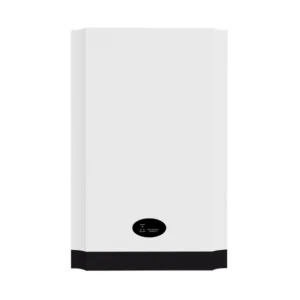
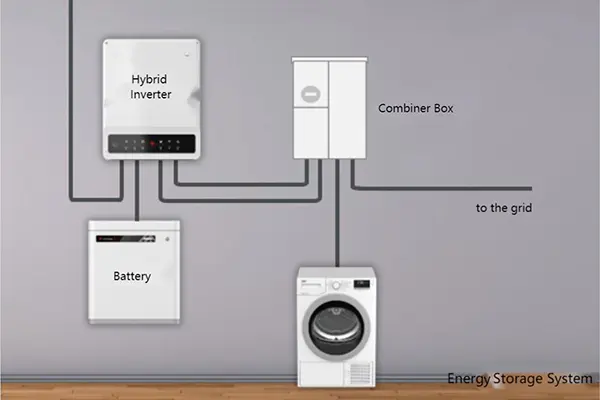
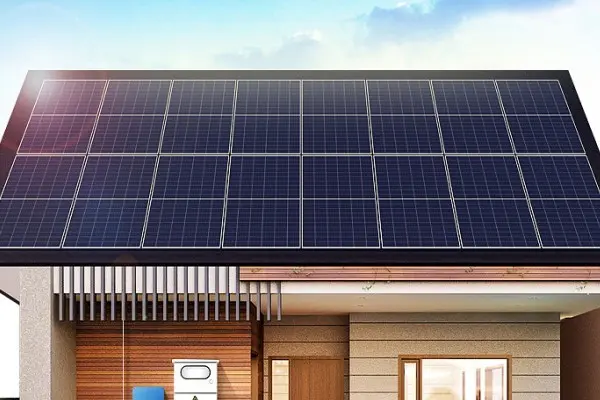
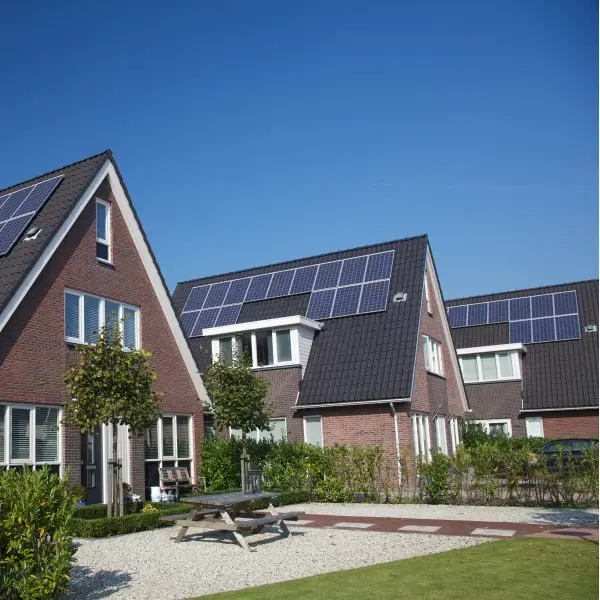
The global energy paradigm is undergoing an unprecedented structural transition from centralized fossil-fuel power plants to decentralized, renewable-dominated grids. Residential solar-plus-storage technologies act as a critical balancing mechanism for grid volatility. By integrating high-performance Lithium Iron Phosphate (LiFePO4) chemistry with intelligent energy management systems (EMS), modern residential units mitigate the supply-demand mismatch inherent to solar photovoltaics.
From a macro-economic perspective, the deployment of residential battery energy storage systems (BESS) optimizes grid utility infrastructure. It facilitates Peak Shaving and Load Shifting, reducing the necessity for carbon-intensive peaking power plants. For factory complexes and manufacturers, high-capacity residential-scale products provide scalability, offering a clear path to net-zero operations while insulating consumers from volatile retail electricity rates.
Navigating supply chain dynamics, raw material procurement, and localized market penetrations.
The global market for home energy storage systems is tightly coupled with raw material availability, particularly battery-grade lithium carbonate, iron phosphate, and copper foil. Leading factories in Xiamen and major industrial hubs in China have consolidated the supply chain, allowing for competitive pricing structures. By leveraging long-term supply agreements and localized vertical integration, tier-one manufacturers can absorb commodity price spikes, passing down the cost savings to end distributors and global developers.
Different regions present unique market entry vectors. In Europe, high retail electricity costs and strict environmental mandates drive massive adoption of low-voltage (48V) and high-voltage stacked systems. In North America, the focus is on grid resiliency during extreme weather events. Meanwhile, in Southeast Asia and Africa, off-grid systems combined with solar glass and portable storage units form the backbone of local rural electrification efforts.
Established in 2019, and headquartered in the high-tech industrial hub of Xiamen, China, Elemro Energy has established itself as an authoritative leader in the new energy storage sector. Specializing in advanced electrical product design, factory manufacturing, and comprehensive system solutions, the company coordinates in-house R&D, advanced manufacturing practices, and international distribution networks under one unified management system.
Our global footprint spans more than 250 enterprise customers across Europe, Southeast Asia, Africa, the Middle East, and the Americas. Rooted in technical transparency and verified financial health, ELEMRO's annual turnover is expected to exceed 50 million USD in year 2023, reflecting solid double-digit year-on-year growth and robust market confidence.
About ELEMRO EnergyWe provide cleaner energy for a greener world. By optimizing our battery cell matching processes and utilizing premium grade-A cells, we offer safety margins that exceed standard industry expectations.

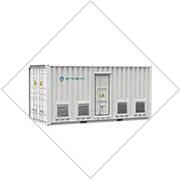
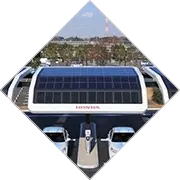
Customized storage configurations engineered to excel under diverse local grid conditions and architectures.
In regions with implemented Time-of-Use pricing, such as California (NEM 3.0) or Germany, our smart energy storage systems store excess energy generated during low-cost mid-day hours. The integrated BMS automatically discharges power during expensive peak hours, significantly reducing monthly utility expenditures and lowering the Levelized Cost of Storage (LCOS).
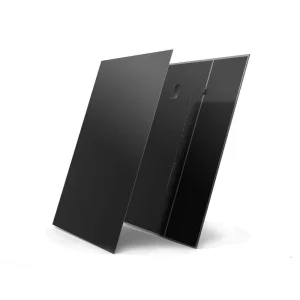
For forward-looking urban planning and modern architectural spaces, Building-Integrated Photovoltaics (BIPV) require specialized storage matches. By integrating CdTe Thin Film Solar Cells with our high-voltage battery racks, modern commercial and luxury residential projects secure clean power generation and aesthetic alignment with structural glass facades.
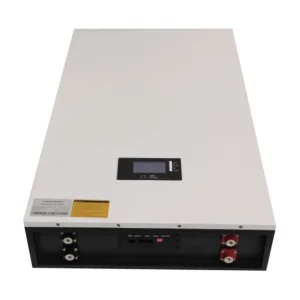
In remote communities and telecom base stations where grid extensions are economically unviable, our stackable lithium batteries provide continuous power. Paired with reliable inverter systems, these energy packages deliver uninterrupted power supplies under demanding temperature shifts and environmental stresses.
Continuous R&D aiming for higher energy densities, chemistry optimization, and AI-driven control systems.
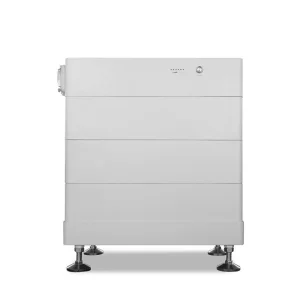
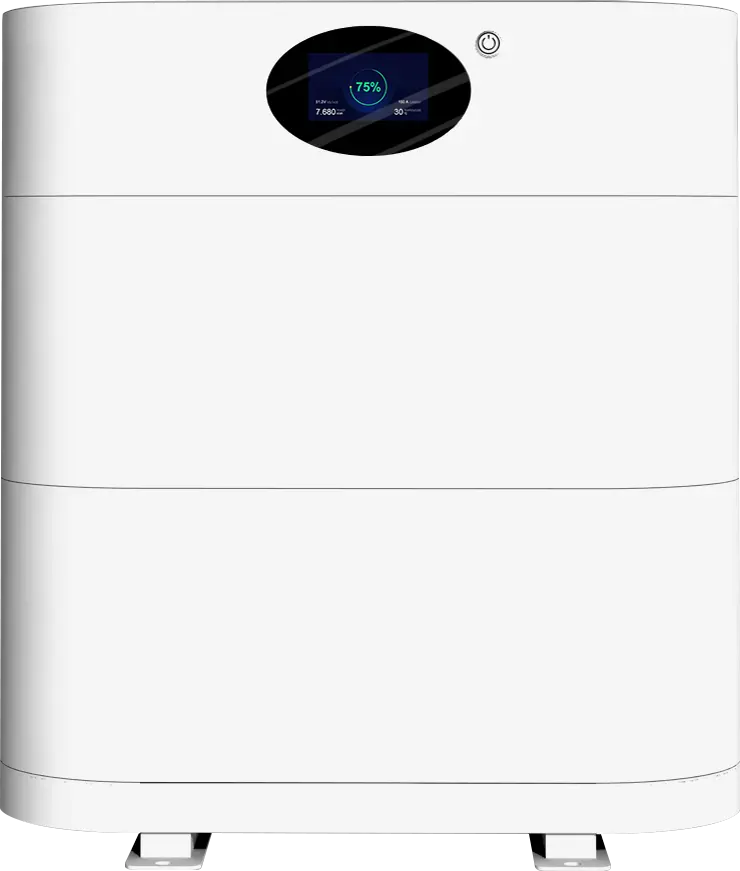
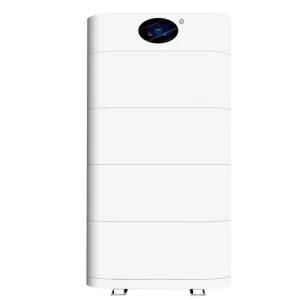
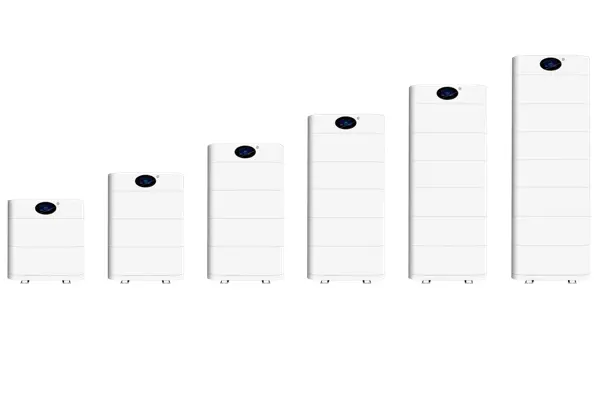
ELEMRO is prioritizing high-voltage stacked setups to minimize transmission losses, reduce cable thickness, and facilitate tool-less modular installations. System level efficiency is targeted to improve by 3.2% through smart cell-balancing algorithms.
Our R&D pipeline is testing semi-solid-state cells to improve volumetric energy density. Concurrently, Sodium-ion research is actively pursued to mitigate potential long-term lithium supply risks for extreme low-temperature application scenarios.
Future factory designs will come standard with cloud-connected Vehicle-to-Grid (V2G) and Vehicle-to-Home (V2H) compatibility, enabling households to monetize their storage capacity through dynamic virtual power plant (VPP) participation.
When choosing a home solar battery manufacturer, compliance is non-negotiable. Elevro ESS systems are manufactured under stringent quality control standards, ensuring alignment with international energy guidelines. Our production facilities hold ISO 9001, ISO 14001, and ISO 45001 accreditations.
Our batteries carry international certifications including CE, UN38.3, IEC 62619, UL 1973, and MSDS. These certificates assure distributors, installers, and homeowners that our systems meet strict electrical safety, fire prevention, and transport regulations.
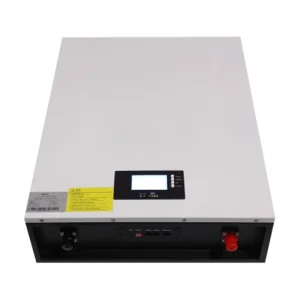
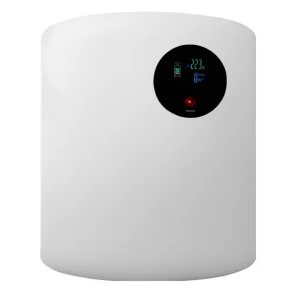
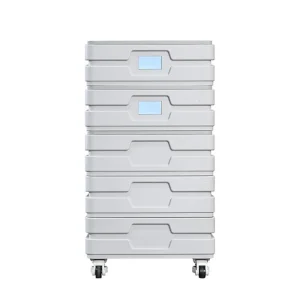
Our advanced Battery Management System (BMS) offers real-time diagnostics: over-charge, over-discharge, over-current, short-circuit, and thermal run-away protection. Coupled with Aerosol fire suppression designs in our high-voltage units, safety is built directly into the chemistry and hardware layout.
Clear, technical insights to help procurement managers and homeowners evaluate system viability.
Stay informed with technical analyses, industry developments, and trade shows.
For inquiries about our products or pricelist, please leave your request with our engineering sales group. We will be in touch within 24 hours.
Premium energy storage products designed to lower your residential and commercial energy footprint.




 Elemro Energy