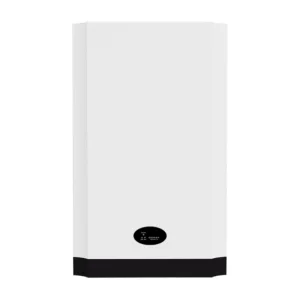
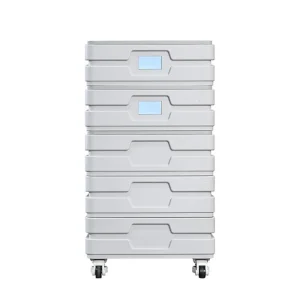
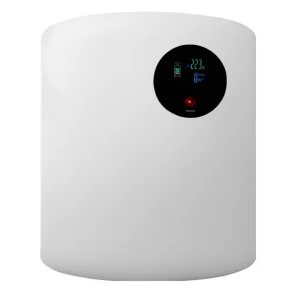
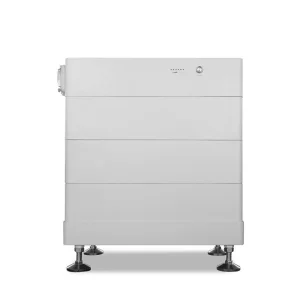
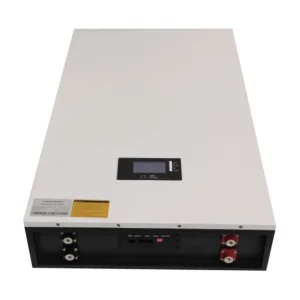
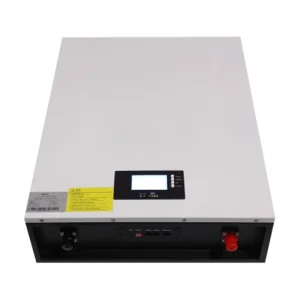
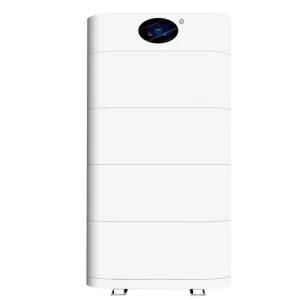
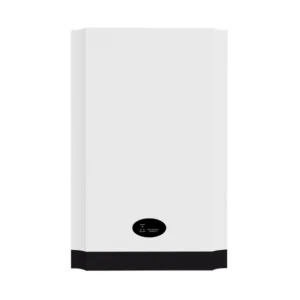
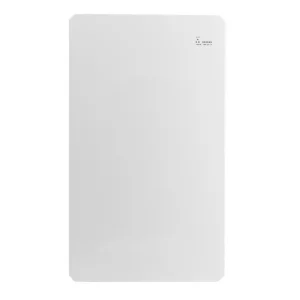
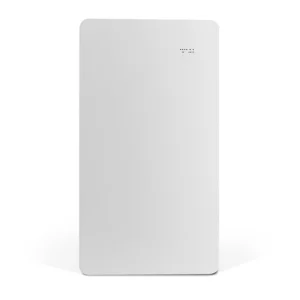
Engineered to meet international safety and distribution grid interconnection specifications.
Established in 2019, headquartered in Xiamen, China, Elemro Energy has specialized in state-of-the-art new energy storage and electrical product solutions with extensive engineering and market experience. We operate as a market-leading enterprise unifying design research, robust field production, and international logistics. Our product lines serve over 250 diverse partners across Europe, Southeast Asia, Africa, the Middle East, and the Americas.
We provide cleaner energy for a greener world through specialized infrastructure integration:

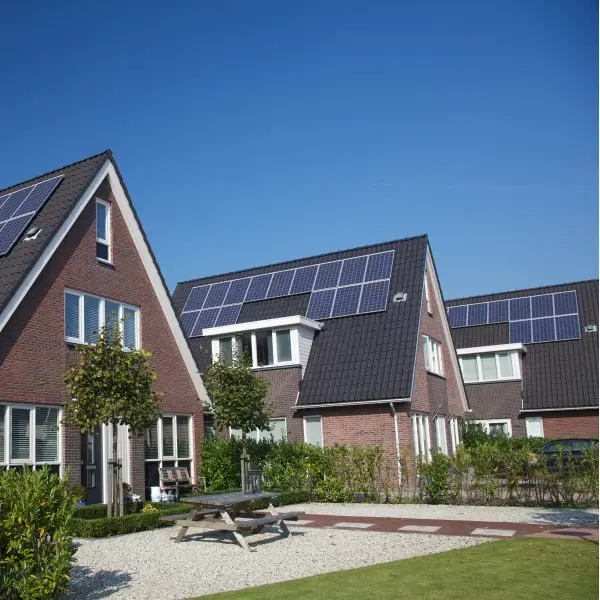
The transformation of global utility frameworks has placed Commercial and Industrial (C&I) properties at the forefront of the clean energy transition. With rapid decarbonization mandates across the EU and North America, combined with escalating grid-delivery congestion, standard grid-tied PV systems no longer suffice. Incorporating high-quality battery storage into grid-connected solar designs is the most viable strategy to mitigate peak load costs, address grid voltage fluctuations, and build independent backup systems.
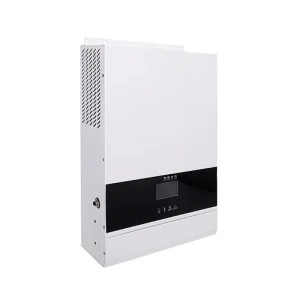
In highly regulated electricity grids like Europe’s ENTSO-E networks and North America's regional ISOs (such as PJM and CAISO), solar generation profiles frequently clash with peak demand. This mismatch creates the "duck curve" and triggers negative feed-in pricing. For factory owners and infrastructure operators, grid-connected battery storage turns solar energy from an unpredictable intermittent feed into a flexible asset. Systems engineered with stackable high-voltage LiFePO4 batteries and hybrid inverters enable on-site generation matching, peak shaving, and active Participation in Virtual Power Plants (VPPs).
"Adding storage to utility-connected solar assets transitions a plant from passive generation to active grid-edge support. This shift optimizes the Levelized Cost of Storage (LCOS) and protects facilities from grid disturbances."
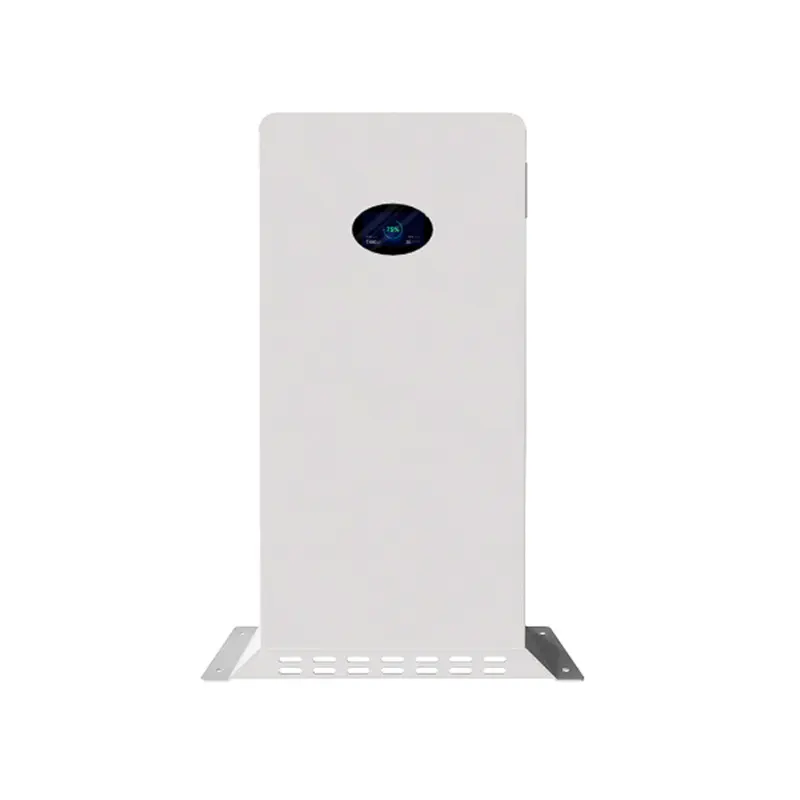
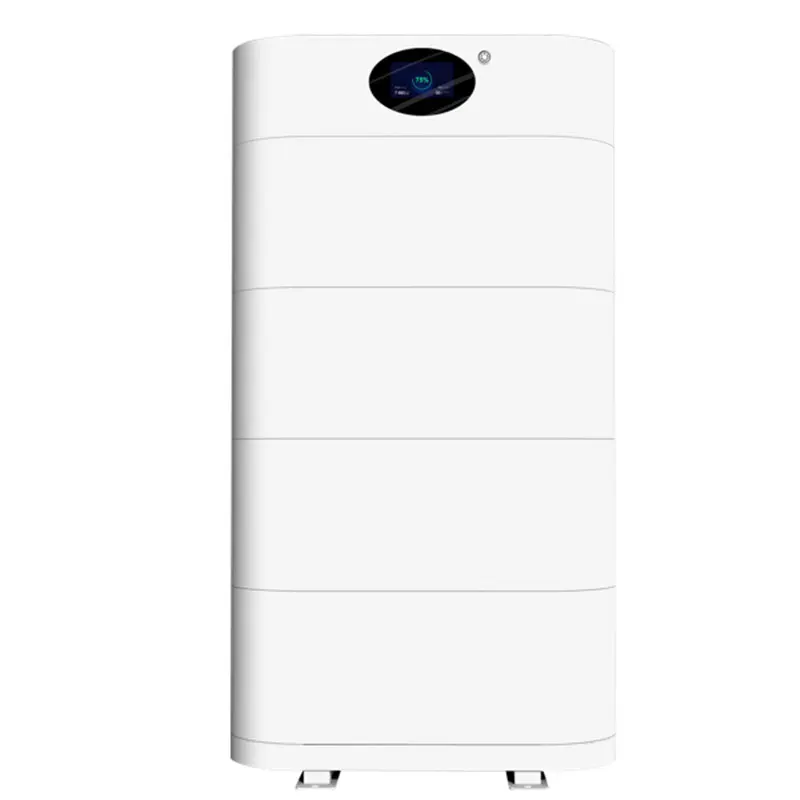
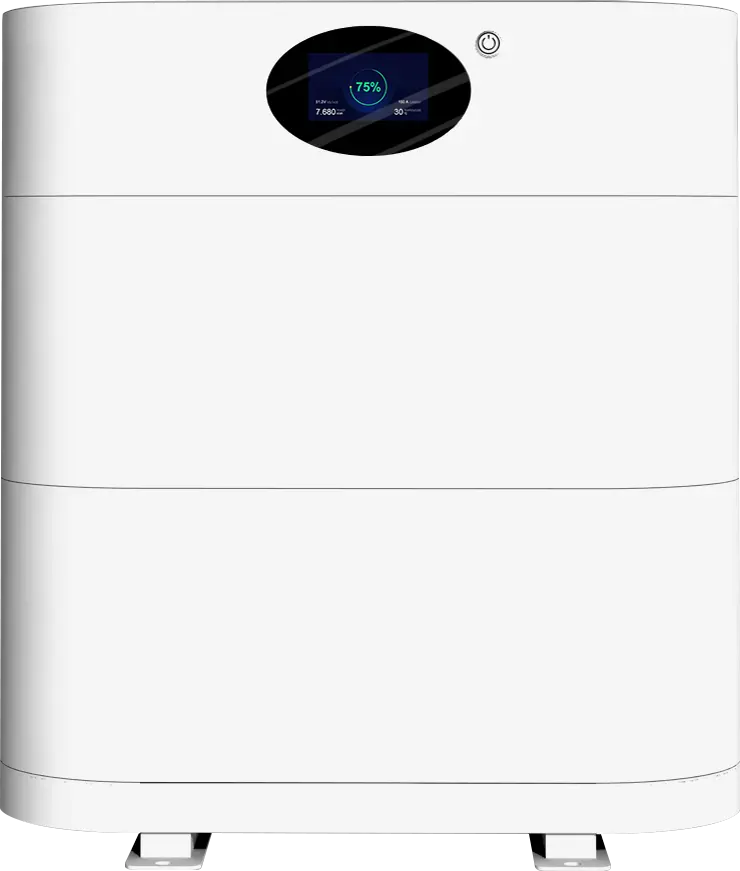
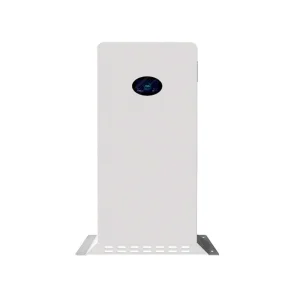
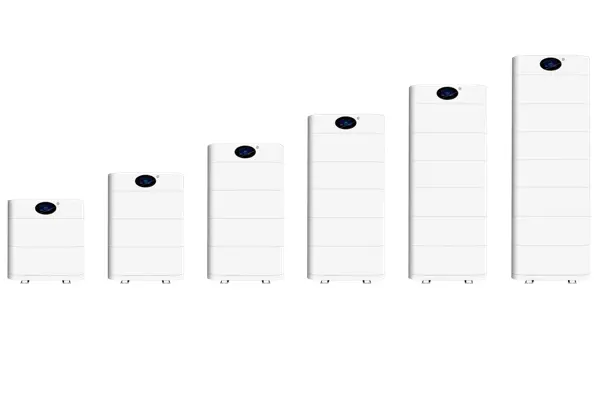
To maximize conversion efficiency and lower system losses, the energy storage sector is transitioning from traditional low-voltage (48V) battery banks to stackable, high-voltage (HV) DC setups. ELEMRO's high-voltage stackable battery solutions operate at bus voltages ranging from 200V to over 800V DC. This approach offers distinct technical benefits:
Different operating areas require tailored energy storage layouts. Modern projects integrate distributed energy resources directly into building components, open-air car parks, and industrial-scale containerized systems.
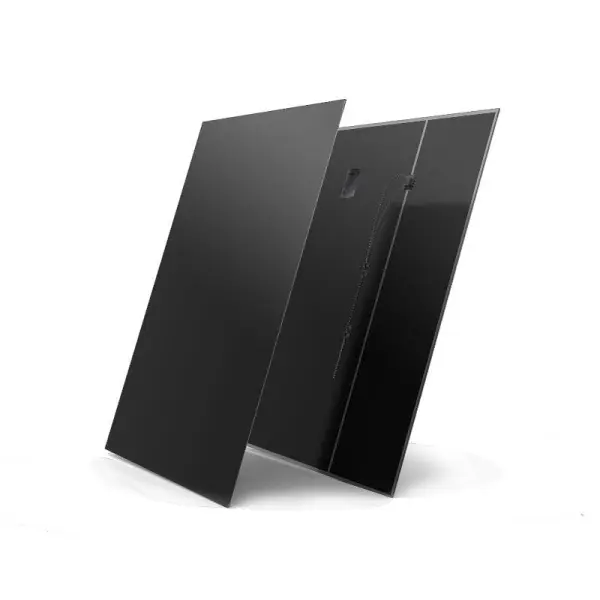
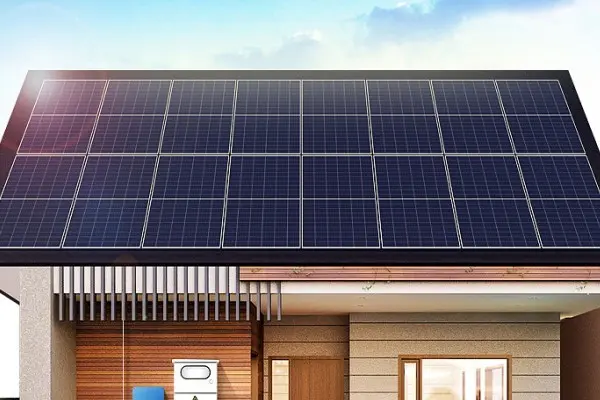
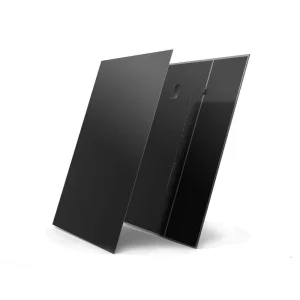
Urban commercial structures are using CdTe (Cadmium Telluride) thin-film solar glass to transform standard building facades into active power generators. Because thin-film cells perform exceptionally well in diffuse light and high heat, they generate stable power throughout the day. When paired with high-voltage rack batteries, BIPV systems reduce building energy loads during peak afternoon periods without taking up additional roof space.
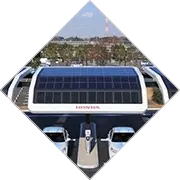
Corporate campuses and shipping facilities are turning parking lots into clean energy hubs. Solar carports shade vehicles while supplying power to electric vehicle (EV) charging stations and building loads. Integrating energy storage buffers the grid from the high power demands of fast charging, charging vehicles with stored solar energy during peak grid pricing times.
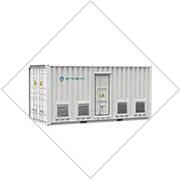
For heavy industrial environments and microgrids, containerized BESS enclosures (ranging from 1MWh to 5MWh) provide complete thermal control, fire suppression, and battery management. These grid-connected systems support large-scale factories by providing peak shaving, power factor correction, and emergency backup power during grid failures.
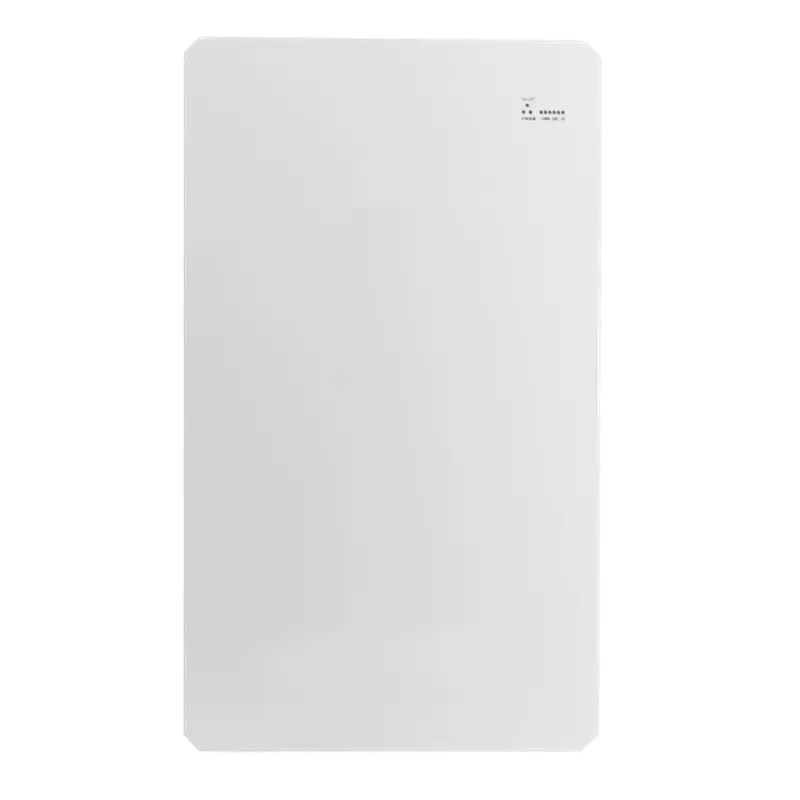
Start a green and convenient life with Elemro Energy's high-performance hardware array.
As an established OEM/ODM manufacturer, ELEMRO maintains strict engineering and manufacturing standards. Grid-connected energy storage devices must comply with rigorous international regulations to ensure structural stability and fire safety under continuous loads.
Modern lithium iron phosphate (LiFePO4) chemistries are highly stable, but robust thermal management is still essential. Our battery cabinets include multiple levels of protection:
ELEMRO systems are designed for seamless integration with major global utilities, conforming to strict national standards:
Deploying a grid-connected PV system with battery storage is a long-term capital investment. The return on investment (ROI) depends on optimizing the Levelized Cost of Storage (LCOS). Key variables include:
Technical answers to common questions about grid-connected storage systems.
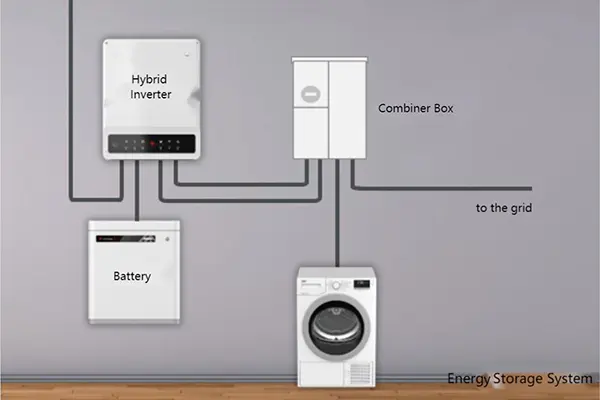
A standard grid-tied PV system shuts down during a power outage to prevent backfeeding electricity, leaving the property without power. A grid-connected system with battery storage (a hybrid system) keeps running. It uses stored battery power to run critical loads during blackouts and stores excess solar energy during normal operation instead of feeding it back to the grid for low rates.
Lithium Iron Phosphate (LiFePO4) offers excellent thermal stability, a long cycle life (typically over 6,000 cycles), and a high safety profile compared to cobalt-based chemistries. It contains no toxic heavy metals, reducing safety risks in commercial environments.
By operating at higher DC voltages (200V-800V), the system matches the inverter's DC bus voltage, removing the need for energy-losing voltage boosters. This increases efficiency, lowers installation costs, and improves overall financial performance.
Our energy storage solutions and hybrid inverters comply with key global standards, including IEC 62619, CE, VDE-AR-N 4105, AS/NZS 4777.2, and UL 9540A, ensuring smooth connection to utility grids worldwide.
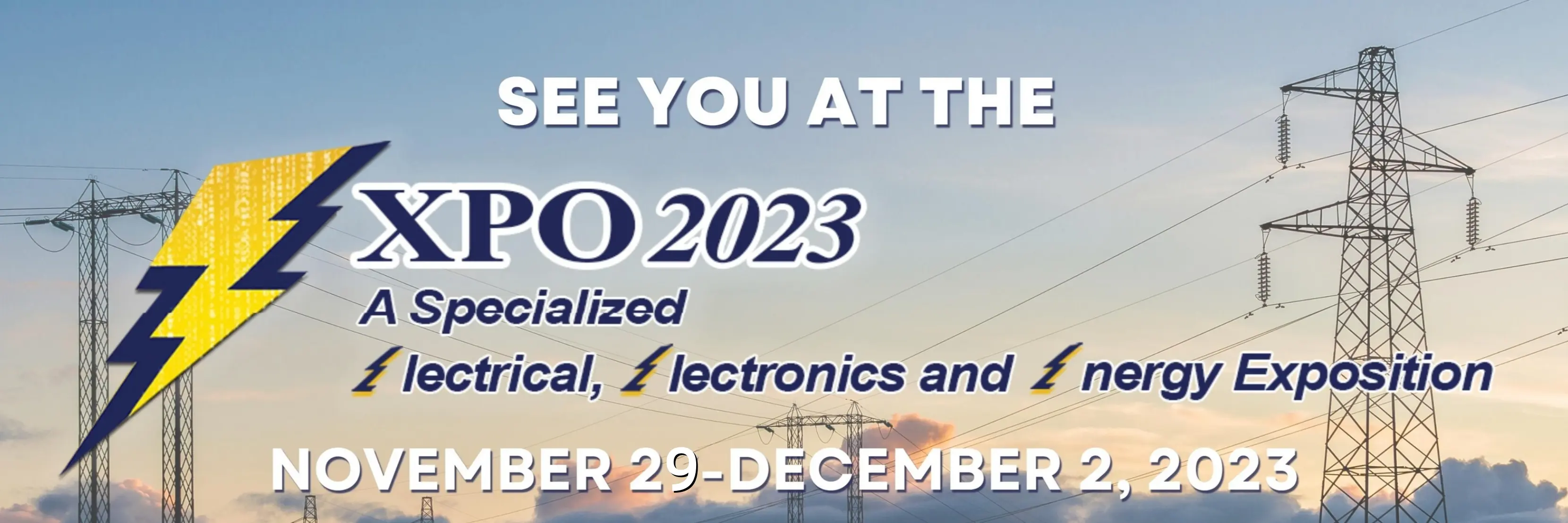
Stay updated with our latest technical insights, design guides, and global events.
Explore our high-density lithium storage modules and BIPV materials.





 Elemro Energy