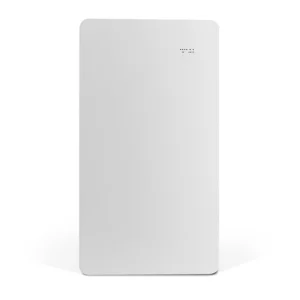
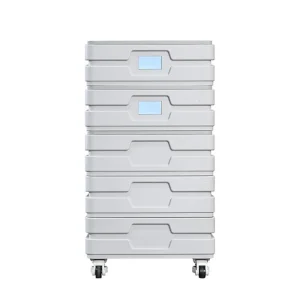
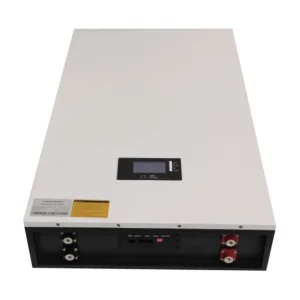
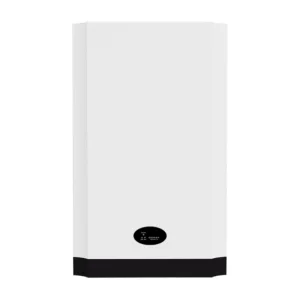
Premium OEM/ODM battery storage options with advanced configuration and scalable designs.
Expert analysis of shifting energy paradigms, tech progressions, and macro-economics shaping commercial power storage.
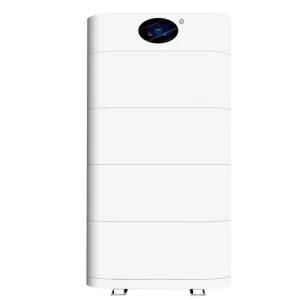
Traditional low-voltage (48V) setups are giving way to high-voltage (HV) stacked solutions exceeding 400V. HV systems minimize transmission losses, decrease cable sizing requirements, and drastically boost overall round-trip efficiency (RTE) for grid-connected projects.
Due to its superior thermal stability, long cycle life (often exceeding 6,000 cycles at 80% Depth of Discharge), and non-toxic constituents, LFP has established itself as the dominant chemistry for stationary energy storage systems (BESS), surpassing traditional NMC chemistries.
Modern ESS units are no longer passive backup systems. With bidirectional smart inverters and IoT connectivity, local storage systems are actively aggregated into Virtual Power Plants, allowing enterprises to participate in frequency response markets and earn ancillary revenues.
In the context of the global net-zero transition, Energy Storage Systems (ESS) act as the critical linchpin for stabilizing intermittent solar and wind resources. As factories scale production to meet the gigawatt-hour demands of municipal and industrial clients, manufacturers are transitioning from simple pack assembly to full vertical integration. This ensures absolute quality control over cells, Battery Management Systems (BMS), and thermal management enclosures.
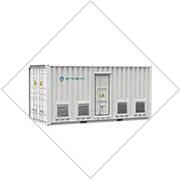
At Elemro Energy, we specialize in delivering high-performance energy infrastructure. Since establishing our presence in the clean technology sector, we have witnessed a massive shift toward pre-engineered, containerized energy systems. These systems simplify on-site installation, mitigate mechanical risks, and reduce localized engineering costs by up to 40%.
Providing cleaner, smarter energy solutions for an interconnected, decarbonized world.

Decoding the critical checklists and compliance factors that international developers and EPCs prioritize when choosing factories.
B2B procurement of commercial-scale battery systems requires rigorous vetting. Unlike consumer electronics, utility-grade ESS deployments must operate continuously for 10 to 20 years under harsh environmental conditions. The selection of a manufacturing partner hinges on several core metrics:
The foundation of any high-quality ESS is the chemical cell. Top manufacturers guarantee the traceability of individual LiFePO4 cells, ensuring they are sourced from Tier-1 suppliers. Factors such as consistent internal resistance, identical capacity matching, and rigorous factory testing (thermal cycling, puncture, and overcharge) prevent premature cell degradation and maximize overall pack life.
Heat is the primary catalyst for battery aging and safety hazards. Modern energy storage containers utilize automated liquid-cooling systems instead of traditional HVAC air cooling. Liquid cooling maintains cell temperature deltas within a narrow 2°C range, significantly decreasing the risk of thermal runaway and optimizing cycle efficiency.
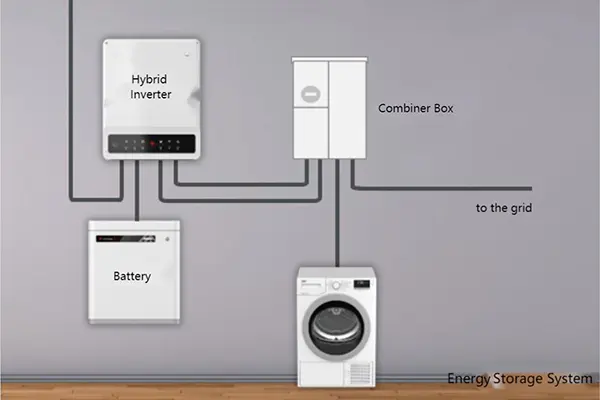
A multi-tiered BMS architecture is critical. It must monitor voltage, current, and temperature at the cell, module, pack, and system levels. Integration with standard SCADA and industrial protocols (Modbus TCP/IP, CANbus) allows seamless communication with hybrid inverters and utility energy management platforms.
A global leader in R&D, manufacturing, and distribution of advanced electrical power systems.
Established in 2019 and headquartered in the high-tech hub of Xiamen, China, Elemro Energy has built a reputation for designing and manufacturing state-of-the-art energy storage systems. Our vertical integration combines advanced research and development with scalable manufacturing, delivering cutting-edge solutions to over 250 industrial and utility-scale clients globally.
By pairing electrical expertise with advanced battery management technologies, Elemro Energy provides end-to-end support for projects ranging from standard residential backups to containerized microgrid systems.
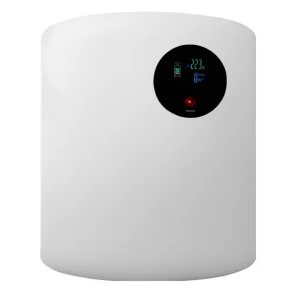
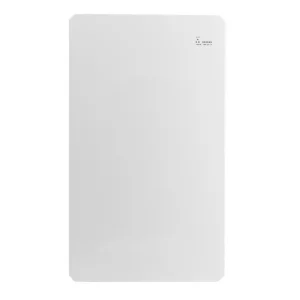
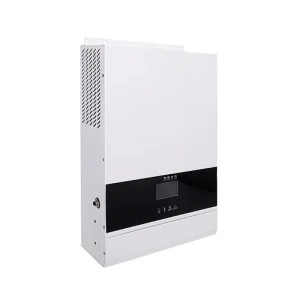
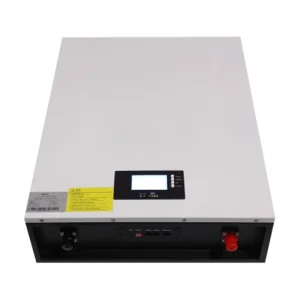
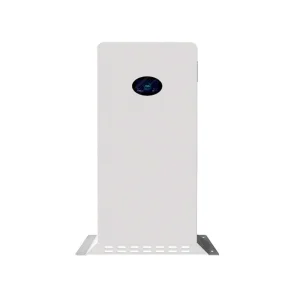
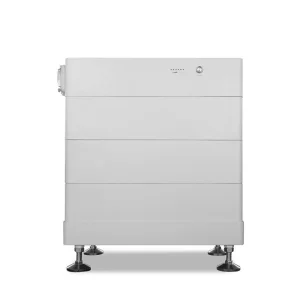
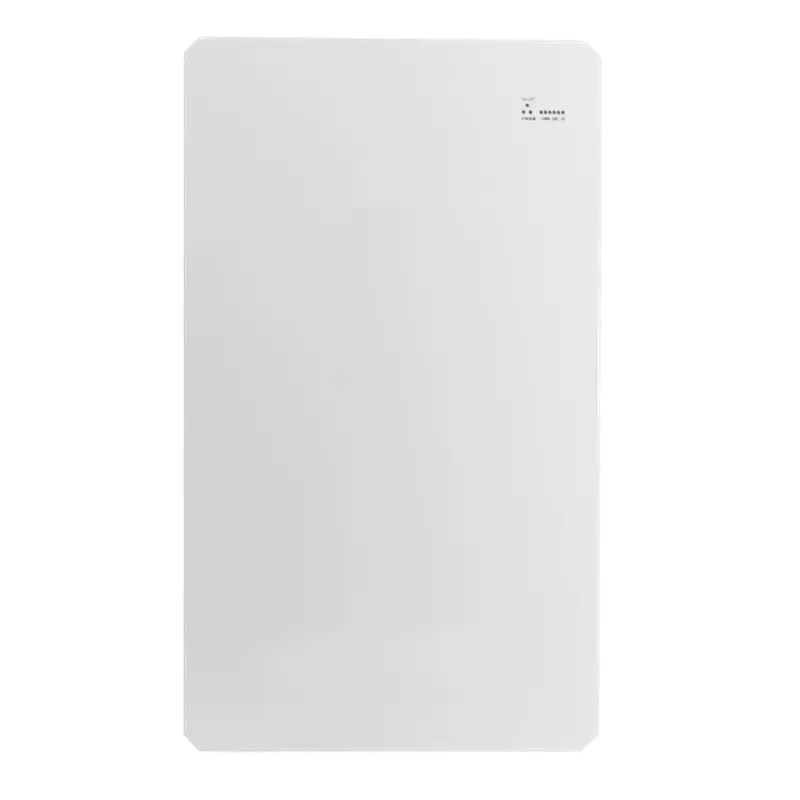
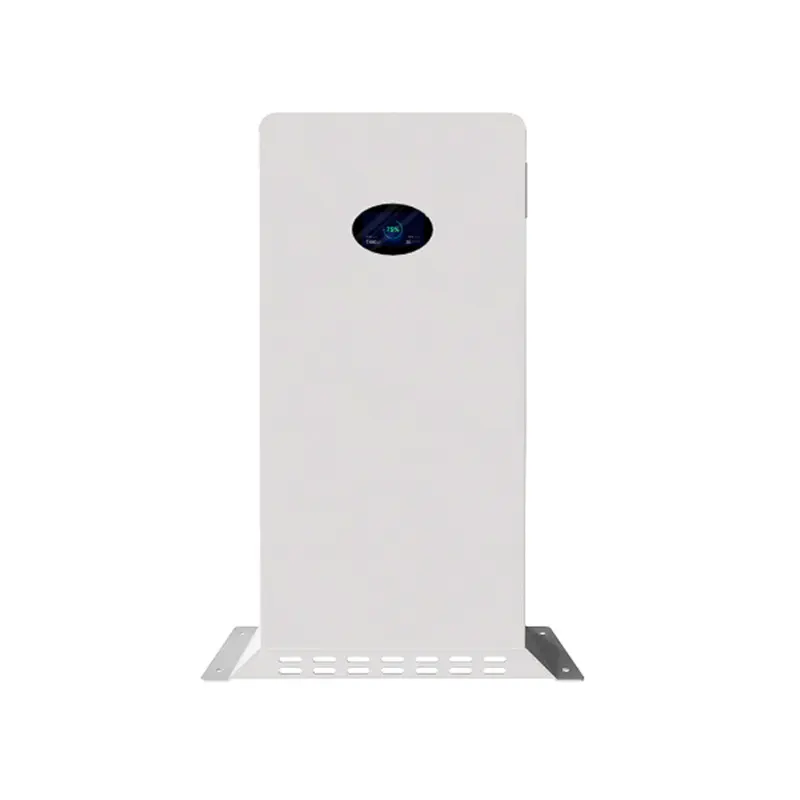
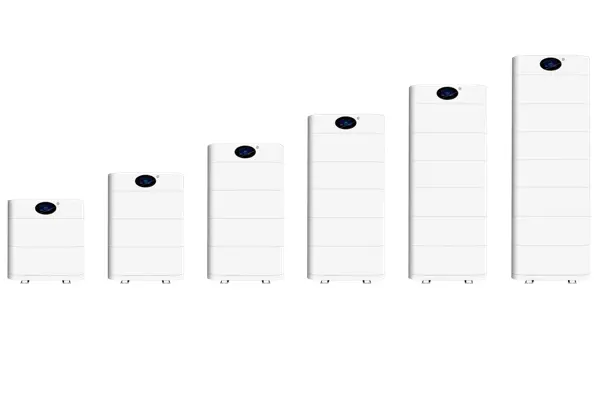
Our flagship range of energy products designed to cover residential, commercial, and industrial requirements.
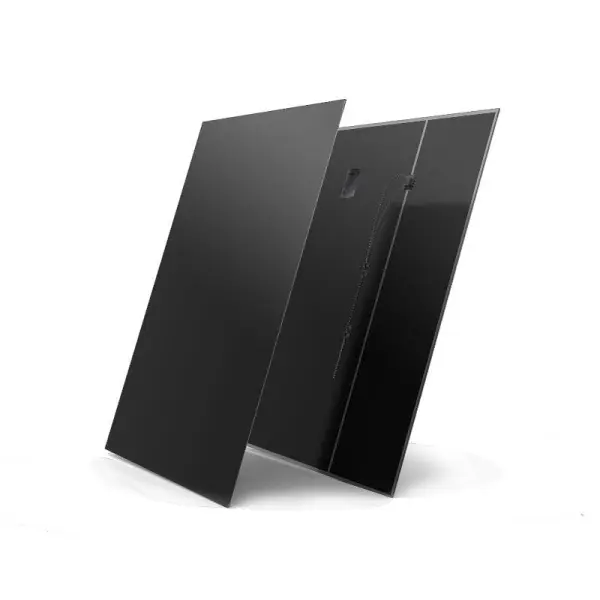
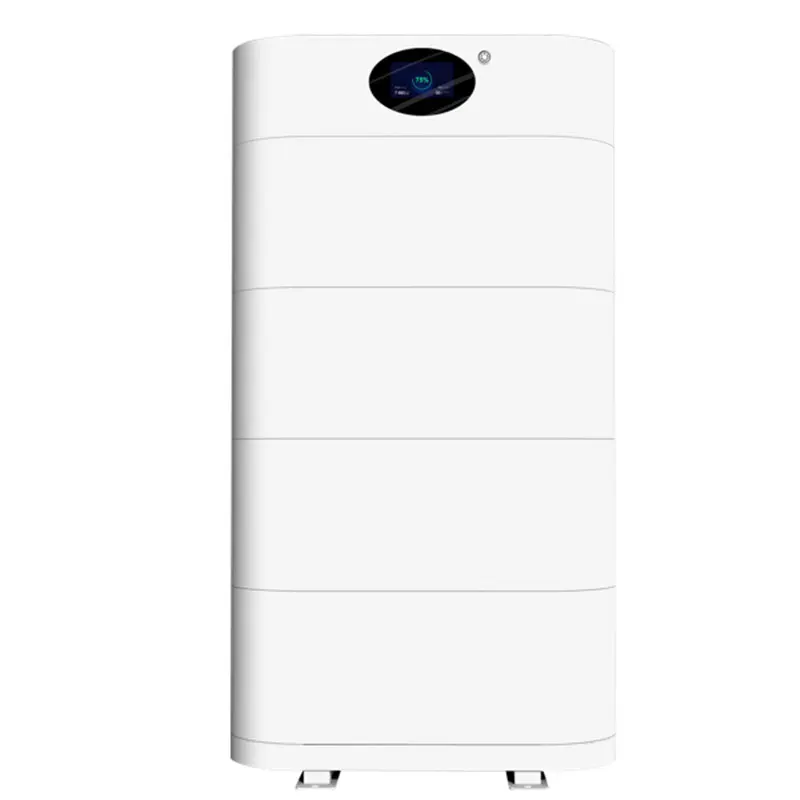
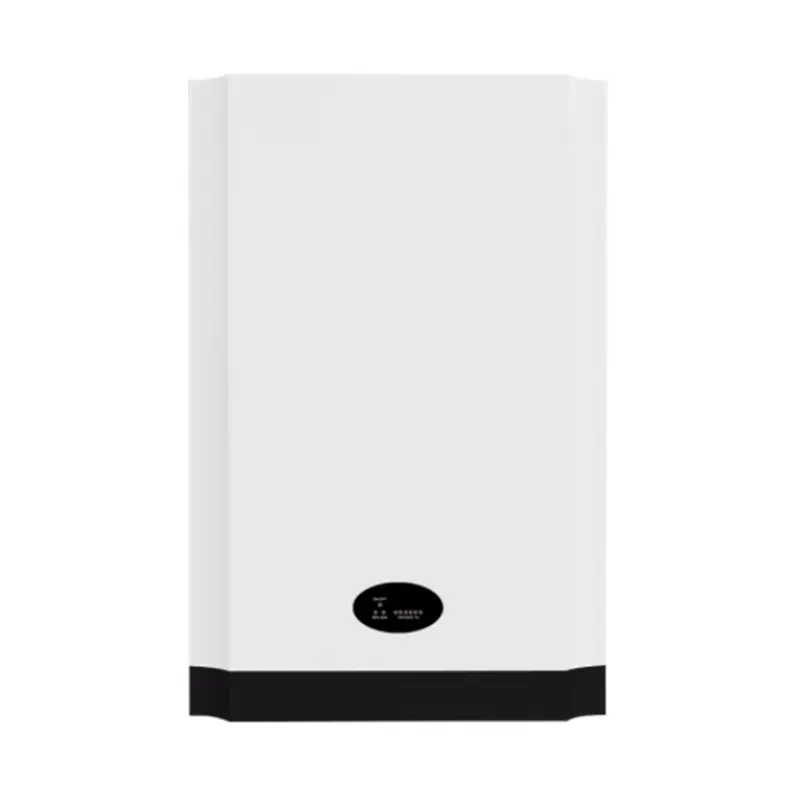
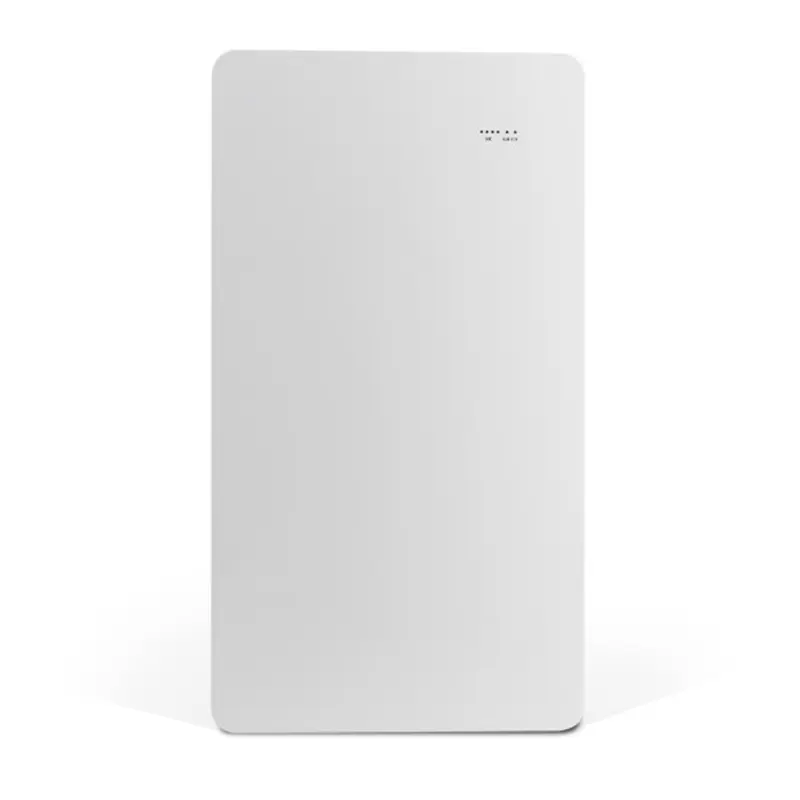

Deploying targeted energy layouts to secure operational uptime, optimize demand charges, and integrate renewable networks.
Commercial enterprises face extreme peak demand charges from electrical utilities. By deploying a high-capacity ESS, factories charge the batteries during off-peak hours (when electricity prices are lowest) and discharge them during periods of maximum demand. This minimizes grid reliance and lowers operational expenditures.
For islands, remote mining sites, and military outposts, extending utility grid lines is cost-prohibitive. Combining high-voltage modular battery banks with local solar arrays creates stable microgrids. This architecture ensures uninterrupted clean power, reducing heavy reliance on expensive diesel generators.
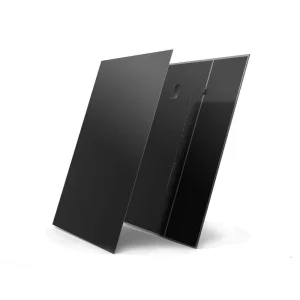
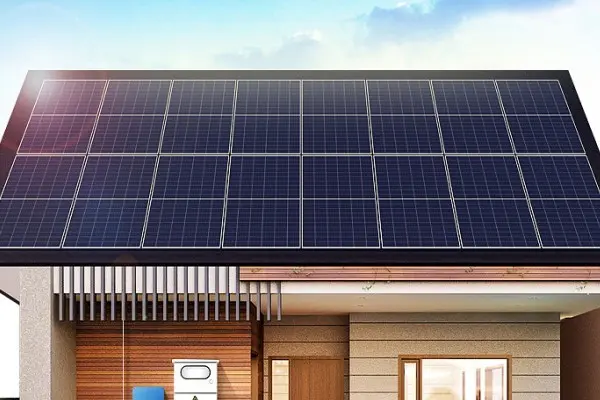
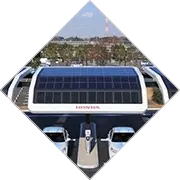
Modern commercial buildings utilize facades, windows, and structural elements as active solar generators. Using Cadmium Telluride (CdTe) thin-film solar cells, architects can turn building envelopes into clean energy generators. When combined with localized ESS, these systems enable structures to achieve net-zero status.
Ensuring grid safety and technical conformity through international testing certifications and local support networks.
Entering international energy markets requires compliance with localized grid regulations and safety standards. Elemro Energy mitigates legal and technical risks by ensuring that all battery systems undergo rigorous international certification:
By working with regional engineering firms and maintaining local customer support centers, Elemro Energy helps EPC contractors and system integrators design solutions that comply with specific local utility interconnection rules in Europe, Southeast Asia, the Middle East, Africa, and the Americas.
Please contact our engineering sales department. We will provide a customized system design and quotation within 24 hours.
Inquiry For PricelistA forward-looking perspective on technological developments and breakthroughs in energy storage systems over the next decade.
The energy storage industry is undergoing rapid innovation. To help our clients protect their long-term investments, Elemro Energy prioritizes three core development pathways in our product roadmap:
Solid-state technology represents the next generation of battery storage. By replacing liquid organic electrolytes with solid conductors, these batteries offer significantly higher energy density and eliminate the risk of thermal runaway. We are currently testing semi-solid state chemistries to integrate them into our high-voltage product line by 2026.
As battery storage integrates with decentralized energy markets, machine learning algorithms are becoming essential. Future systems will analyze local weather patterns, grid congestion, and spot market pricing in real time to optimize battery charge and discharge cycles automatically, maximizing financial returns for users.
Ensuring end-of-life battery sustainability is critical. Elemro Energy is working with recycling firms to design batteries that are easier to disassemble. This supports a circular lifecycle where valuable raw materials—such as lithium, copper, and cobalt—can be recovered and reused, reducing environmental impact.
Answers to common technical questions asked by procurement departments and project engineers during the system design phase.
Insights, technical articles, and updates from the frontline of renewable energy development.





Reliable battery hardware optimized for high cycle counts, safe operations, and scalable integration.
 Elemro Energy