Premium grid-scale and residential energy architectures built for reliability and commercial scaling.
As global energy grids transit rapidly toward absolute reliance on intermittent solar and wind systems, the structural limitations of lithium-ion systems—such as capacity degradation, safety hazards, and thermal runaway risks—have created an urgent operational bottleneck.
Modern utility operators and industrial conglomerates require robust, multi-hour discharge systems capable of balancing intra-day energy output. High-Quality ESS Iron Flow Battery factories are scaling production globally to meet this exact demand. Unlike traditional solid-state batteries, flow systems store chemical energy in external aqueous electrolyte tanks. This decouples total power capacity (measured in kW) from total energy capacity (measured in kWh), yielding unprecedented system longevity and modularity.
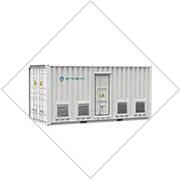
We provide cleaner energy for a greener world through advanced integration.


Established in 2019, headquartered in Xiamen, China, Elemro Energy has specialized in pioneering new energy storage architectures and electrical solutions. As an integrated engineering and R&D powerhouse, Elemro unifies materials science, precision flow kinetics, and system intelligence to deliver scalable grid resilience.
We service more than 250 industrial customers across key energy corridors in Europe, Southeast Asia, Africa, the Mid-East, and North America. ELEMRO's corporate valuation and operational revenue have experienced hyper-growth, with annual turnover exceeding 50 million USD. Our factories are designed with zero-emission manufacturing systems, mirroring our core ethos of powering a green future.
About Our Quality StandardDeploying Iron Flow Batteries across core commercial, utility, and infrastructure frameworks.
Iron Flow systems store excess electricity when energy prices drop, discharging power during high-demand peak pricing events. This stabilizes regional distribution systems and provides asset owners with enhanced LCOS metrics.
Mines, refineries, and manufacturing hubs can utilize flow storage to run critical components continuously during unexpected outages. Non-flammable water-based electrolytes ensure maximum physical safety inside harsh operations.
By buffering grid draw-downs from high-output DC fast-chargers, Iron Flow Battery hubs prevent grid penalties and infrastructure overload, serving as a reliable localized high-current reservoir.
The basic chemical operation relies on the redox states of iron in a single-phase electrolyte solution, minimizing cross-contamination risks common in mixed-reactant architectures.
By employing an earth-abundant iron-chloride solution, the system mitigates high chemical toxicity risks, creating a safe, 100% recyclable, clean energy mechanism.
Over the next decade, manufacturers are focusing engineering resources on key scaling objectives:
Ensuring compliance across strict European, American, and Asian energy compliance grids.
Tested in accordance with UL 9540A. Our batteries exhibit no propagation issues and zero thermal runaway risk, permitting installation in urban zones and delicate conservation areas.
Complies with EU Battery Regulations. The non-acidic aqueous iron salt electrolyte solution can be neutralised and disposed of safely, and structural components are entirely recyclable.
Providing global design assistance, on-site commissioning services, and long-term O&M backup from international support hubs located close to major logistics corridors.
Whether you are evaluating flow battery factories for large-scale utility integration or C&I projects, our technical division will respond with standard pricing metrics and system engineering proposals within 24 hours.
Expert answers addressing chemistry, integration, financial value, and scaling metrics.
Iron Flow Batteries provide distinct advantages for long-duration energy storage applications:
AC-to-AC round-trip efficiency typically lands between 70% and 75%. While slightly lower than lithium-ion solutions, the extended operational lifecycle and minimal system degradation yield a lower Levelized Cost of Storage (LCOS) for long duration needs.
Iron Flow Batteries are packaged in standardized container configurations. Standard power blocks utilize 20-foot or 40-foot modular shipping containers, which are set up on concrete foundation pads and connected via plumbing to external liquid electrolyte storage tanks.
Standard maintenance routines center around simple fluid pump checks and regular electrolyte monitoring. Elemro's advanced BMS actively manages fluid levels and schedules periodic automatic self-balancing cycles, minimizing field service overhead.
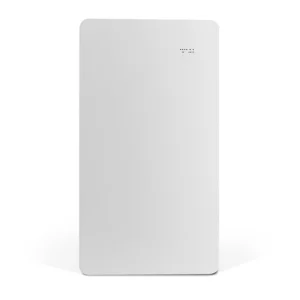
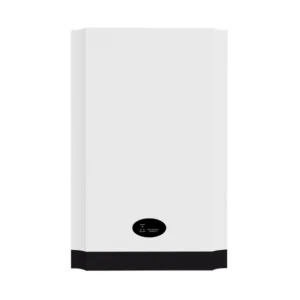
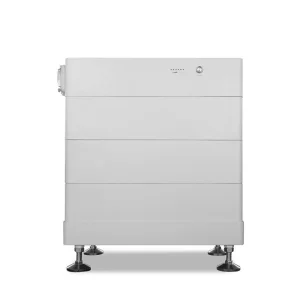
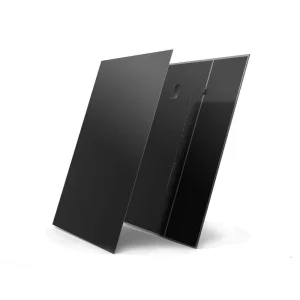
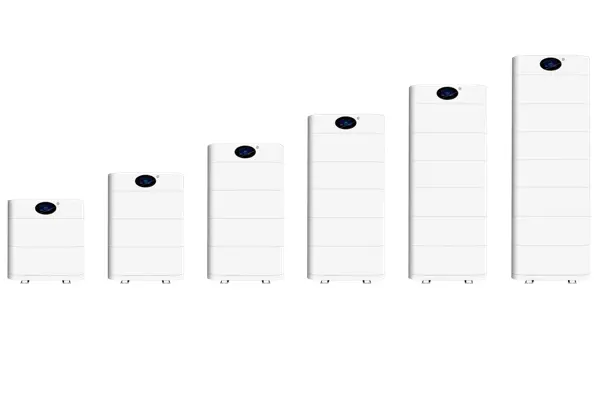
Explore our wide array of home battery backups, solar films, and high-voltage stacked systems.
Keep up with latest technical innovations, articles and event updates.




 Elemro Energy