Modern commercial, industrial, and residential infrastructures are transitioning from simple backup generators to highly integrated, intelligent Emergency Backup Solar Power Systems. Driven by climate volatility, fluctuating utility tariffs, and a global initiative for net-zero carbon operations, companies require systems capable of micro-second response speeds to safeguard mission-critical activities.
As a leading High-Quality Emergency Backup Solar Power System Manufacturer, Elemro Energy bridges the gap between sophisticated engineering and mass supply scale. Our systems integrate advanced lithium iron phosphate (LiFePO4) chemistry with intelligent energy management layers, offering reliable emergency energy storage containers, vehicle ports, and residential backup products.
Established in 2019, headquartered in the coastal hub of Xiamen, China, Elemro Energy has established itself as an innovative force in the electrical solutions sector. Our core focus centers on the research, development, assembly, and testing of utility-scale, commercial, and residential energy storage systems. We run integrated manufacturing pipelines that ensure every element, from basic raw lithium compound selection up to full containerized thermal control systems, complies with tight performance tolerances.
Over the years, our market presence has spread across more than 250 corporate accounts in key markets including Europe, Southeast Asia, Africa, the Middle East, and the Americas. Due to our extensive engineering expertise and close supply relationships within the Chinese industrial cluster, ELEMRO's annual turnover is expected to cross the 50 million USD mark, supporting clean infrastructure development around the globe.
About Us & Manufacturing CapabilitiesOur quality assurance protocol includes 100% cell capacity matching, high-temperature aging chambers, and comprehensive load-bank simulations. This structured testing flow minimizes early failures (infant mortality) on-site, ensuring high reliability when grid anomalies occur.

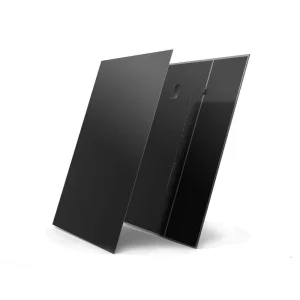
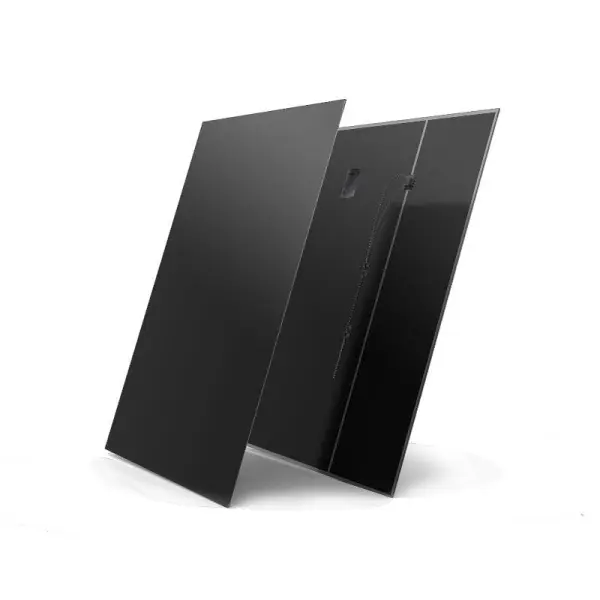
High-transmission, weatherproof structural solar glass designed for Building Integrated Photovoltaics (BIPV). Seamlessly replaces standard facade materials with active energy generation layers.
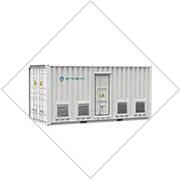
Pre-engineered, fully integrated 20ft and 40ft containerized battery systems. Engineered for C&I microgrids, incorporating liquid cooling, active BMS, and fire suppression systems.
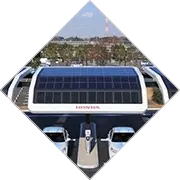
Heavy-duty modular solar carports that transform open parking lots into clean generation plants. Ideal for charging electric fleets while securing dedicated site power resilience.
China holds over 75% of the global lithium battery manufacturing capacity. Our factory base in Xiamen is situated within a rapid-transit radius of primary raw material refineries, cathode/anode producers, and automated cell assembly lines. This density speeds up our manufacturing and shields us from unexpected price swings in the raw material market.
Our engineers test new designs using an established domestic parts supply. We source high-grade semiconductors, customized copper busbars, and robust steel enclosures quickly. This speed allows us to refine custom specifications—such as stackable high-voltage configurations—in a fraction of the time required by Western competitors.
Operating out of Xiamen Port, a top-tier international shipping hub, we export systems under strict Dangerous Goods (DG) maritime standards. Our logistics team handles international regulations for lithium batteries (UN38.3 class 9), guaranteeing that high-voltage energy storage units are packaged, declared, and shipped to destinations in North America, Europe, and Asia safely and on schedule.
We build our smart inverters and batteries to align with regional grid requirements. Whether your installation must meet IEEE 1547 and UL 1741 in North America, VDE-AR-N 4105 in Germany, or AS/NZS 4777 in Australasia, our firmware is customizable to match local voltage control, frequency response, and anti-islanding parameters.
ELEMRO systems carry international safety labels including CE, IEC 62619, and UN38.3. We use LiFePO4 chemistry due to its high thermal stability, minimizing the risk of thermal runaway. In addition, our integrated Battery Management System (BMS) offers redundant protection against overvoltage, overcurrent, and temperature spikes.
We partner with regional installation and service teams to offer reliable support. From project planning and BIPV engineering to on-site commissioning and warranty replacement, we ensure commercial buyers receive clear technical answers and prompt parts delivery.
For factories, hospitals, and data centers, power loss directly impacts the bottom line. Our containerized battery configurations scale from 100kWh to multiple megawatt-hours, serving as a primary defense during outages. Designed to integrate with existing rooftop solar panels or diesel generators, they optimize local consumption and lower peak demand charges.
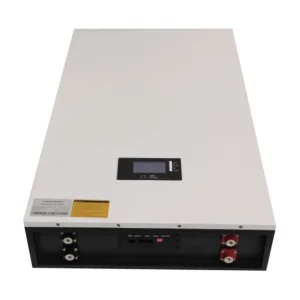
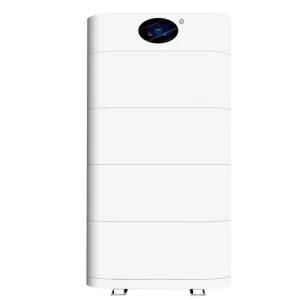
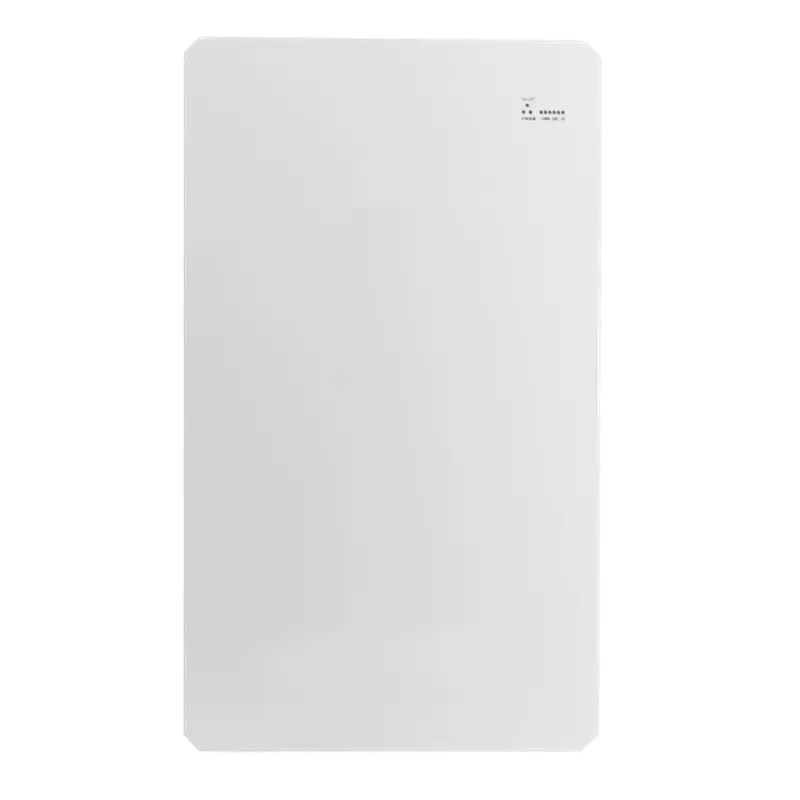
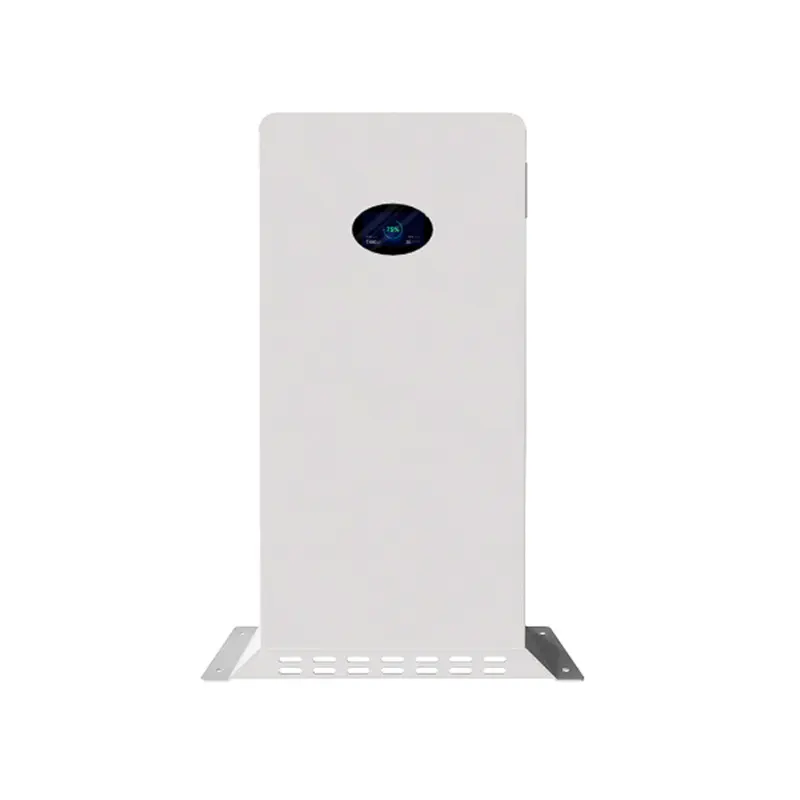
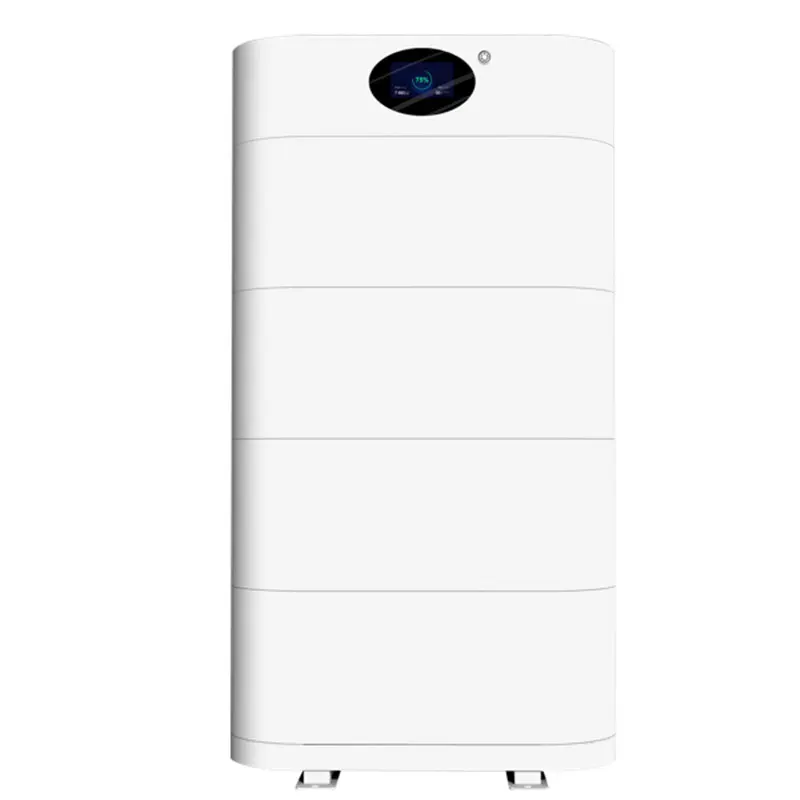
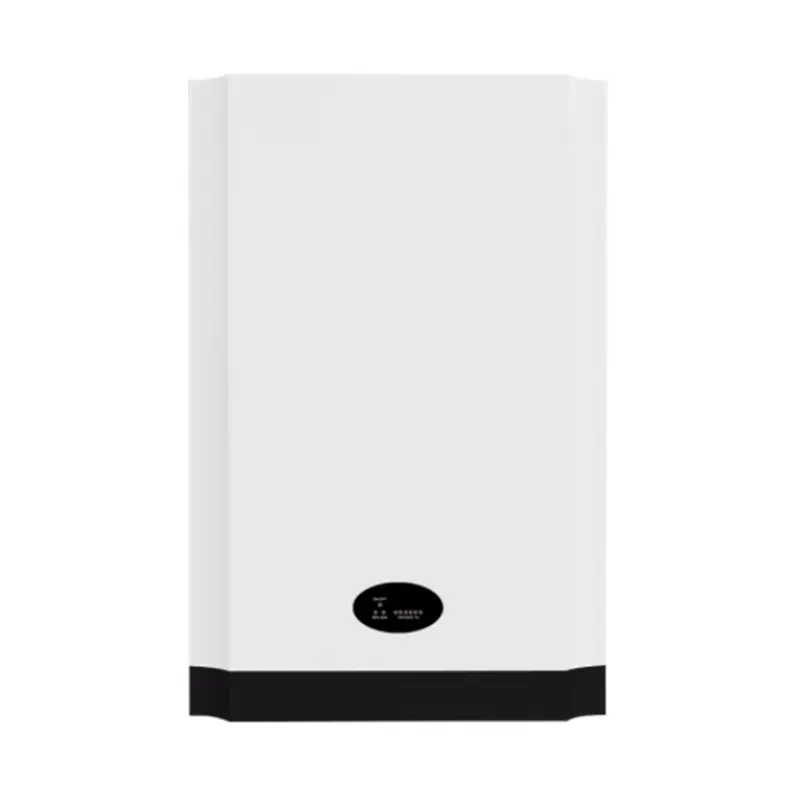
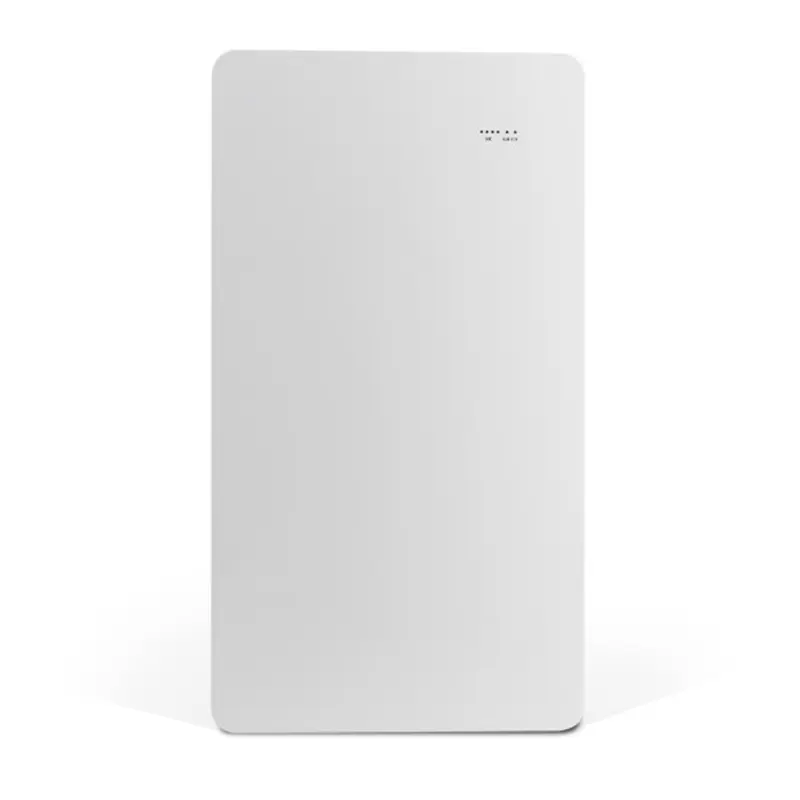
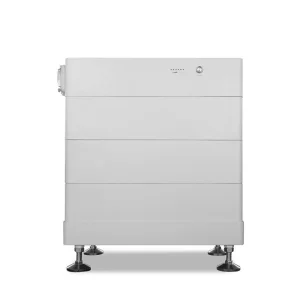
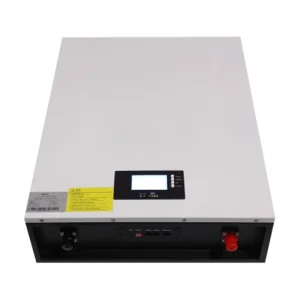
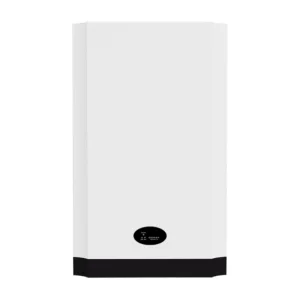
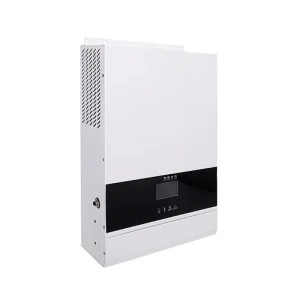
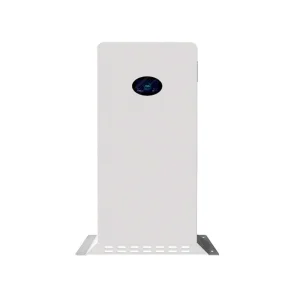
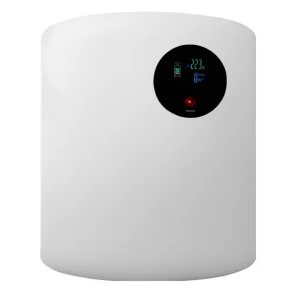
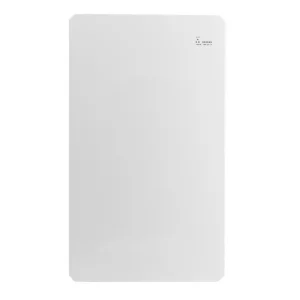
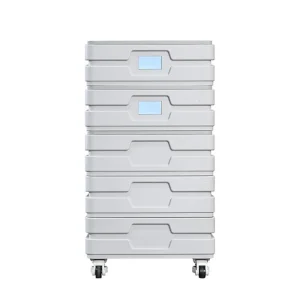
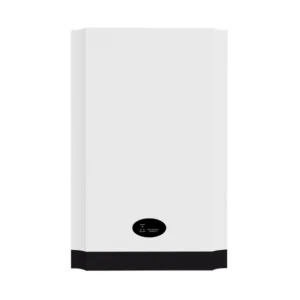
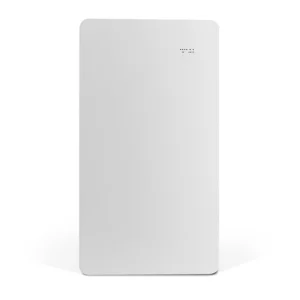
Homeowners and small retail businesses require compact, aesthetic, and quiet emergency backup systems. Our wall-mounted and stackable batteries, such as the Elemro SHELL 10.2kWh and WHLV 5kWh series, fit neatly into garages or utility rooms. These systems integrate with hybrid inverters to keep essential appliances, refrigeration, and communication systems online during grid blackouts.
Modern architecture utilizes active building surfaces. Our Cadmium Tellurium (CdTe) thin-film solar glass functions as both a building facade and an energy source. When paired with high-voltage stackable battery storage, these structures harvest energy during the day to power operations or maintain emergency systems at night, reducing dependence on the main grid.
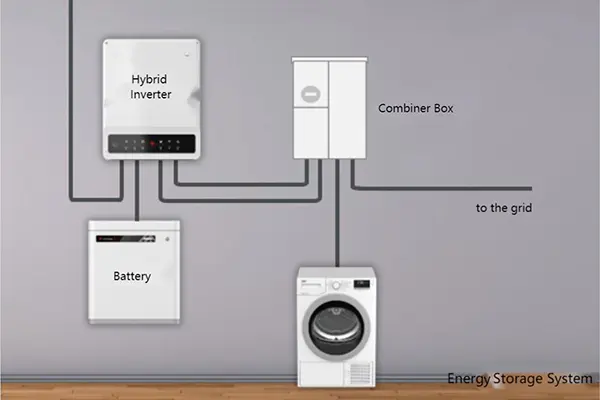
An engineering review of topology, efficiency losses, and grid-connection strategies for home energy storage inverters.
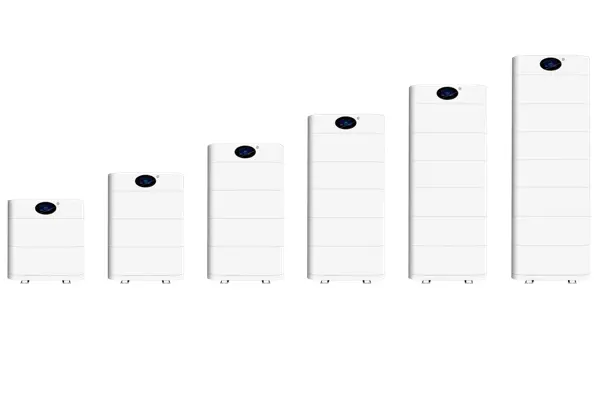
Comparing LiFePO4 (LFP) with NCM chemistries across lifecycle cost, thermal runaway thresholds, and recycling pathways.
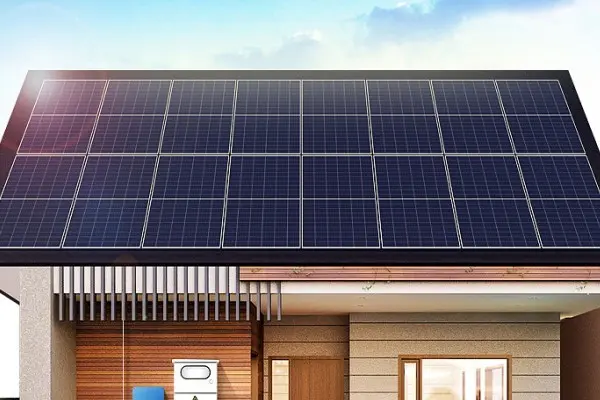
An operational guide on maximizing ROI via peak-shaving, load-shifting, and emergency backup microgrids.
Highlighting our latest grid-resilience products tailored for island grids and off-grid zones in Southeast Asia.
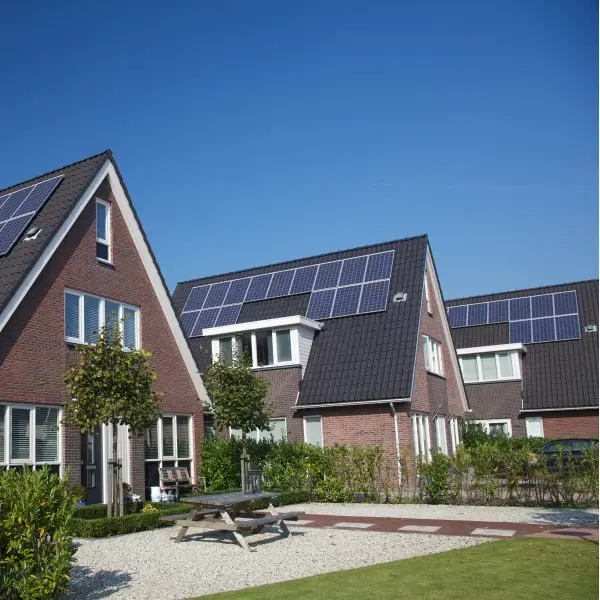
Analyzing cell layouts, tracking systems, and environmental variables to maximize daily energy yield.
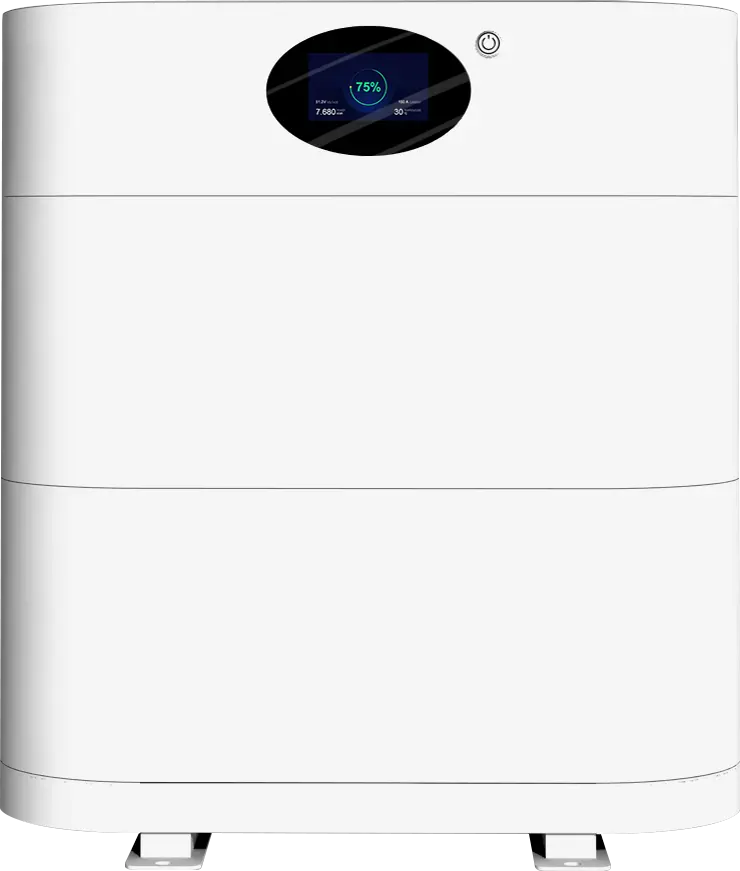
Reviewing key residential specifications: DoD limits, high-voltage stack interfaces, and passive thermal cooling.





 Elemro Energy