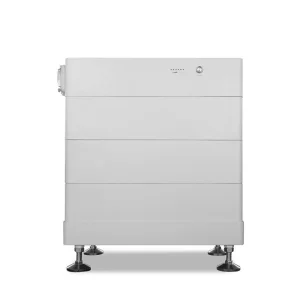
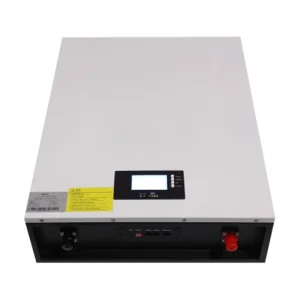
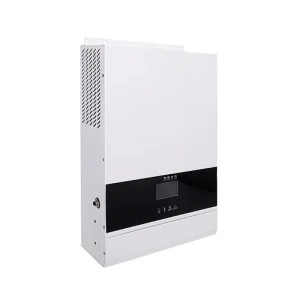
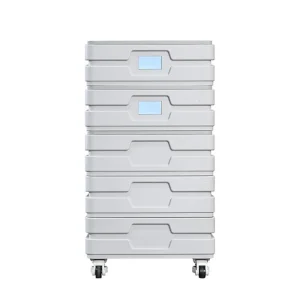
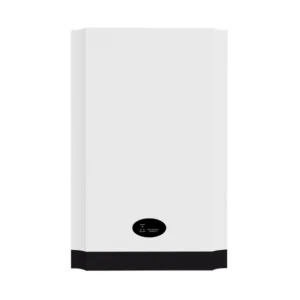
High-performance energy storage platforms engineered for utility integration, commercial resiliency, and smart home backup systems.
As the global energy transition shifts from passive decarbonization target-setting to aggressive utility-scale execution, the integration of solar photovoltaic (PV) generation with Battery Energy Storage Systems (BESS) has emerged as the definitive path forward. Modern grid architectures demand not just clean generation, but highly dispatchable capacity that can solve the dynamic load challenges, minimize curtailment losses, and insulate operations from volatile energy markets. However, for utility procurement managers, industrial energy directors, and commercial system integrators, understanding the comprehensive cost of a solar system with battery represents a highly complex calculation.
Calculating the true Levelized Cost of Storage (LCOS) and Levelized Cost of Energy (LCOE) goes far beyond examining raw hardware bills of materials. Procurement teams must account for degradation curves, chemistry-level safety constraints, balance-of-system (BOS) compatibility, local grid compliance costs, and vendor financial longevity. This whitepaper systematically breaks down the global cost structures, details the structural technological advantages of Chinese manufacturing hubs, outlines macro-level deployment strategies, and provides an authoritative framework to maximize return on investment (ROI) on photovoltaic and storage infrastructure.
An engineering perspective on component-level capital expenditure (CAPEX) allocations and operating expenditures (OPEX).
Lithium Iron Phosphate (LiFePO4) commands over 90% of stationary storage. Its raw cell cost structure accounts for approximately 40-50% of total system hardware CAPEX, offering superior cycle life (6000+ cycles at 80% DoD) and thermal stability over NMC alternatives.
Inverters represent about 15-20% of system costs. Hybrid solar/battery inverters (bidirectional PCS) must maintain high dual-conversion efficiency ratings (>97.5%) and adapt rapidly to fluctuations in both generator supply and load grid demands.
Often underestimated, BOS represents up to 25% of installation expenses. This category spans wiring, high-voltage combiners, thermal management units (HVAC/Liquid cooling), fire suppression systems, and active energy management software.
Unpacking why China dominates the global supply chain, offering unmatched cost optimization without sacrificing technical reliability.
China manages over 70% of the world’s lithium chemical refining capacities, 85% of synthetic anode processing, and over 75% of global cathode manufacturing. By basing design and production directly within China's key industrial clusters—such as Fujian and Xiamen—companies like ELEMRO Energy bypass massive international logistics friction, customs duties on intermediate products, and inventory carrying costs that plague Western integrators. This direct localized integration translates into a 25% to 35% reduction in absolute BESS system CAPEX.
Industrial scaling in China’s gigafactories has advanced beyond basic assembly to highly integrated automated production lines. Robotic cell matching, high-precision thermal bonding, and automated optical inspections (AOI) ensure battery packs leave facilities with zero-variance specifications. Furthermore, manufacturers are uniquely equipped to support customer-specific customization (OEM/ODM), offering stackable high-voltage configurations, customizable containerized solutions, and modular smart home appliances tailored to localized regional voltages.

Established in 2019, and headquartered in the international logistics hub of Xiamen, China, ELEMRO Energy has positioned itself at the vanguard of new energy storage and electrical product innovations. We believe that global decarbonization requires more than standard hardware sales; it demands complete, high-efficiency system integration designed to perform under demanding operational cycles.
By unifying research, development, and advanced production pipelines, ELEMRO has cultivated a highly diversified clean energy ecosystem. Our product lines feature cutting-edge Solar Glass architectures, turnkey Energy Storage Containers, and innovative Car Port Solar Power systems. With an operational footprint spanning over 250 enterprise clients in Europe, Southeast Asia, Africa, the Middle East, and the Americas, ELEMRO's annual turnover is expected to exceed 50 million USD in 2023. Our commitment to utilizing Tier-1 battery cells, combined with rigorous safety testing protocols, provides our international partners with complete reliability and long-term asset security.
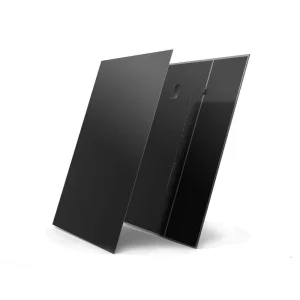
Transforming structural surfaces into active energy generators. Engineered for high mechanical strength and optimized light transmittance to maximize BIPV power yields.
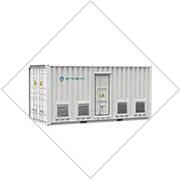
Turnkey MW-scale storage solutions with integrated liquid cooling, smart BMS, and automated fire suppression systems designed for immediate grid connection.
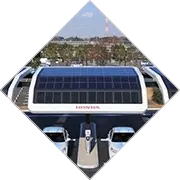
Commercial and residential canopy arrays that combine vehicle protection with high-output solar generation and EV charging integration.
From residential self-sufficiency to macro-utility grid stabilizing platforms—how high-quality solar batteries solve operational problems.
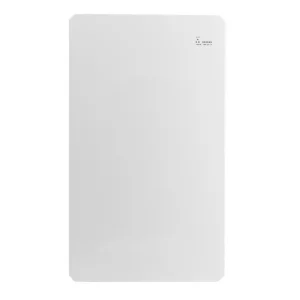
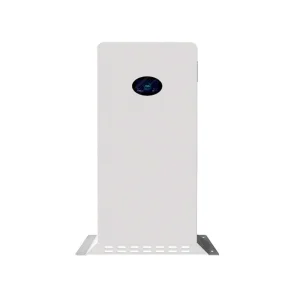
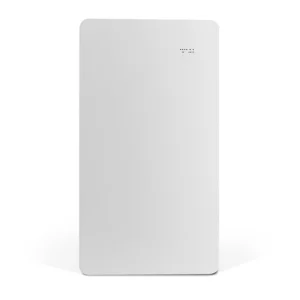
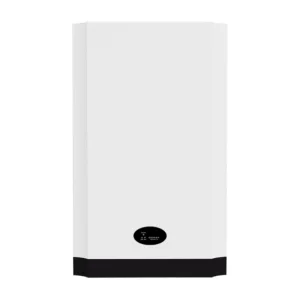
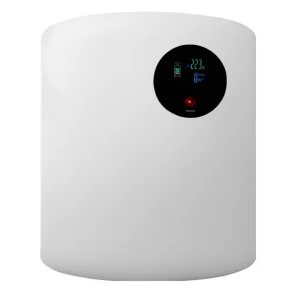
For homeowners seeking energy independence and protection against volatile utility rates. Solutions like the Elemro WHLV 10kWh LiFePO4 Battery offer a plug-and-play modular footprint, storing surplus solar energy for peak night consumption or emergency backup.
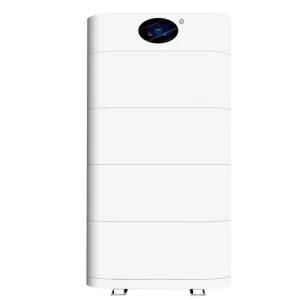
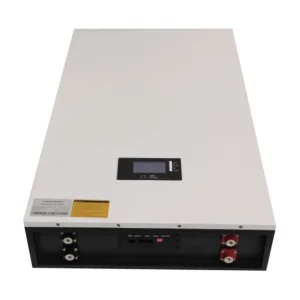
Large-scale commercial operations face expensive demand charges. Deploying stackable, high-voltage battery storage systems allows facilities to dispatch stored energy during peak tariff periods, reducing electricity bills and stabilizing internal grids.
Building-Integrated Photovoltaics (BIPV) blend solar generation directly into building envelopes. Cadmium Telluride (CdTe) thin-film cells perform exceptionally well in low-light and high-temperature conditions, offering architecturally integrated power generation.
Buying battery systems internationally requires strict verification protocols. To secure project financing, mitigate long-term liability, and guarantee operational uptime, procurement teams must ensure that suppliers meet the following regulatory and technical standards:
Stay informed with engineering interpretations, application scenarios, and technical deep-dives from our engineering team.
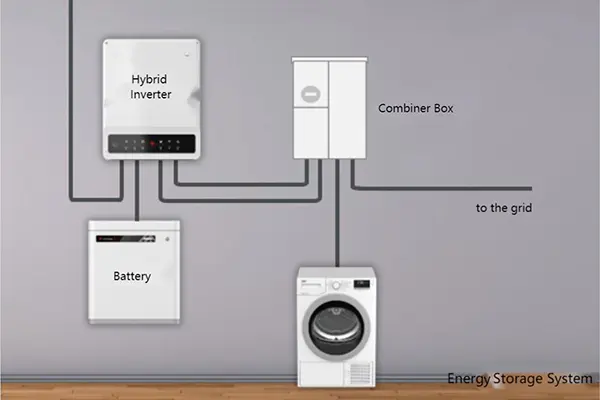
An engineering breakdown of grid-interactive smart inverters, phase coordination, and fast transfer times for residential off-grid operations.
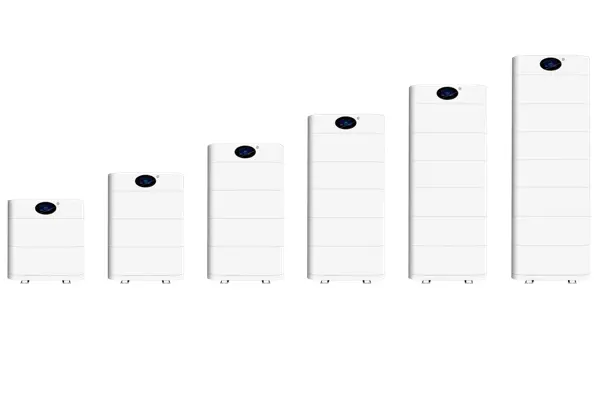
Comparing LiFePO4, NMC, and solid-state cell structures regarding safety profile, cycles, temperature resilience, and initial CAPEX.
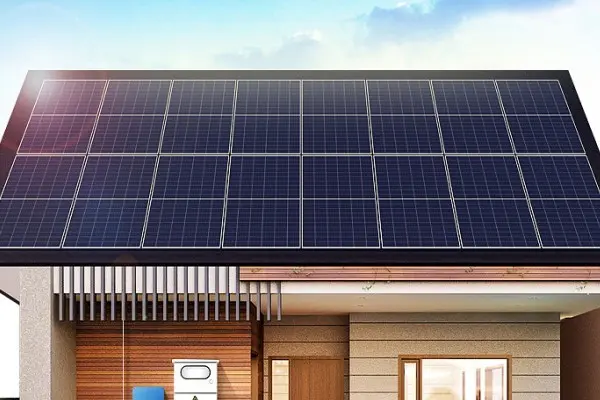
Analyzing demand charges, peak-shaving formulas, backup power dynamics, and microgrid integrations.
ELEMRO showcases advanced modular home battery systems and high-voltage commercial containerized units in the APAC market.
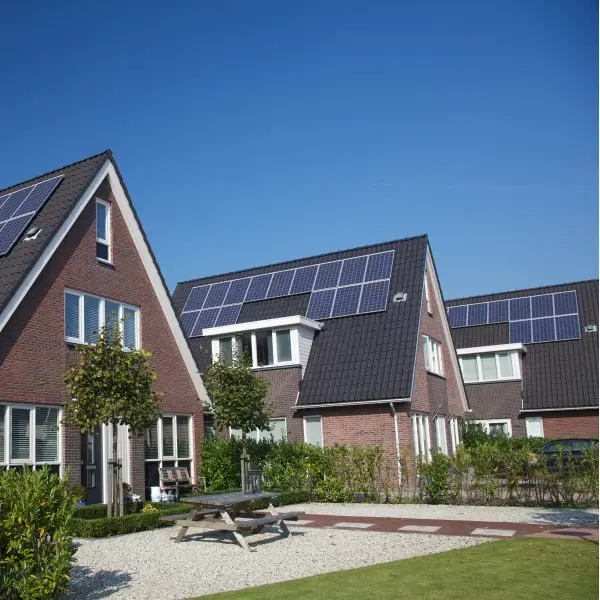
Understanding cell efficiency degradation under harsh marine climates, dessert utility fields, and building-integrated systems.
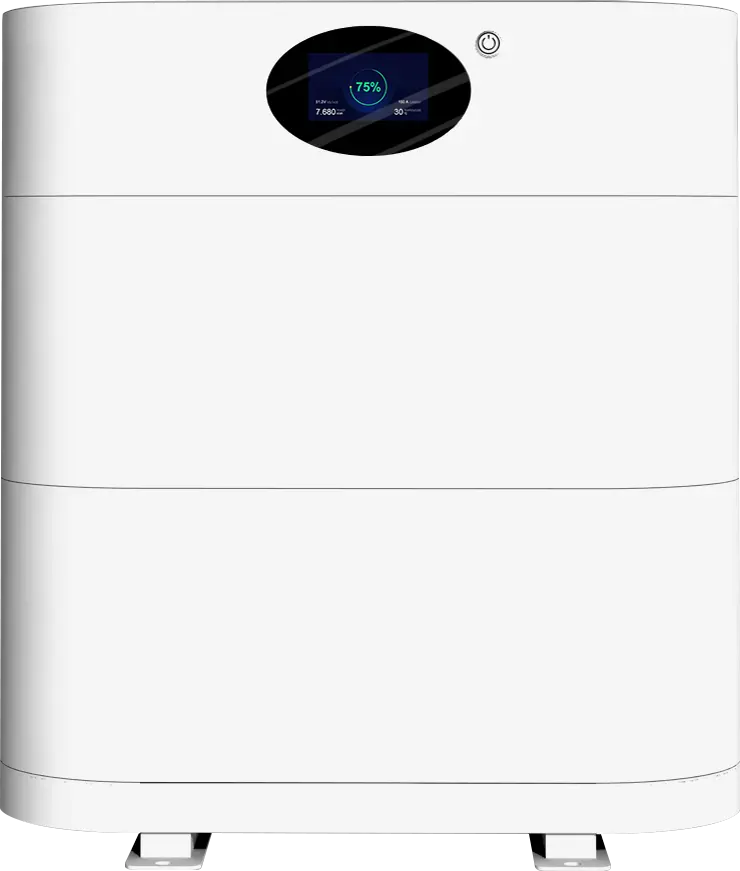
An overview of self-discharge rates, stackable design topology, cycle-life degradation curves, and safety hardware configurations.
Connect directly with our engineering sales team to design custom solar-with-battery setups optimized for your regional markets.
Authoritative technical answers to common queries regarding solar systems, battery chemistry, integration costs, and procurement logistics.
In a typical C&I (Commercial and Industrial) setup, hardware represents 60-70% of total project costs. Batteries account for roughly 30-40% of hardware CAPEX, solar PV modules 25-30%, inverters 10-15%, and Balance of System (BOS) 15-20%. The remaining 30-40% of the project budget is allocated to engineering design, permitting, site preparation, and grid interconnection fees.
Lithium Iron Phosphate (LiFePO4) offers significant advantages for stationary energy storage applications. Its chemical structure is highly resistant to thermal runaway, making it much safer than Nickel Manganese Cobalt (NMC). Furthermore, LiFePO4 yields 6000+ charge cycles at 80% Depth of Discharge, whereas NMC typically degrades after 2000-3000 cycles. This extended cycle life leads to a much lower Levelized Cost of Storage (LCOS) over time.
High-voltage systems (ranging from 200V to 800V+) reduce current flow for the same power output compared to low-voltage (48V) systems. This reduced current minimizes thermal losses (I²R losses) in wiring and conversion, leading to higher system efficiency (often 2-4% higher round-trip efficiency). This higher efficiency lowers cable costs and simplifies installation for large-scale projects, though it requires advanced BMS monitoring and safety components.
Cadmium Telluride (CdTe) thin-film modules feature a low temperature coefficient, meaning they perform more efficiently in high-heat climates compared to crystalline silicon. They also offer excellent performance under diffuse light and partial shade. Their aesthetic, uniform black finish makes them ideal for Building-Integrated Photovoltaics (BIPV), serving as both protective building materials (facades, glazing) and clean power generators.
For international compliance and safety, buyers must verify that the battery systems have passed UN38.3 certification for transport, IEC 62619 for safety in stationary applications, and CE-EMC/LVD directives. For North American markets, UL 1973 (battery packs) and UL 9540/9540A (fire propagation safety) are critical to securing local grid connection and insurance.
Our complete line of certified lithium battery packs and integration hardware designed to optimize performance and reduce system costs.





 Elemro Energy