High-Quality Cost Of Solar Panels And Battery Storage Manufacturer & Factories

Global Supply Chain Insights, Technology Roadmap, and LCOE Optimization Solutions for Residential & Commercial Energy Deployments

Featured Industrial Energy Solutions

Browse our engineered portfolio of solar integration modules, lithium-ion energy storage systems, and advanced power management hardware designed for grid resilience.
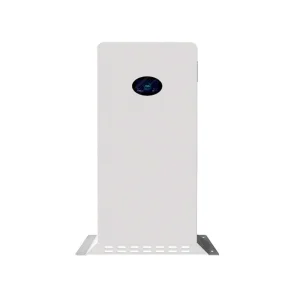
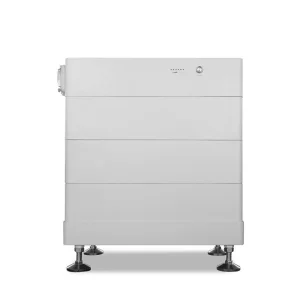
LiFePo4 battery with stackable design Factory

High-Quality High-voltage storage LiFePo4 battery with stackable design Factory

View Specifications
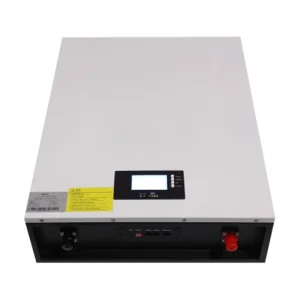
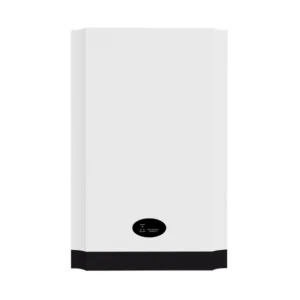
High voltage energy storage lithium battery

High-Quality High voltage energy storage lithium battery Product

View Specifications
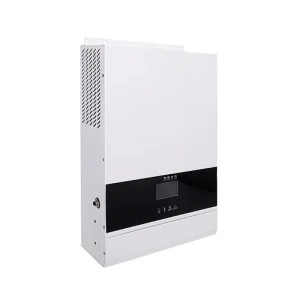
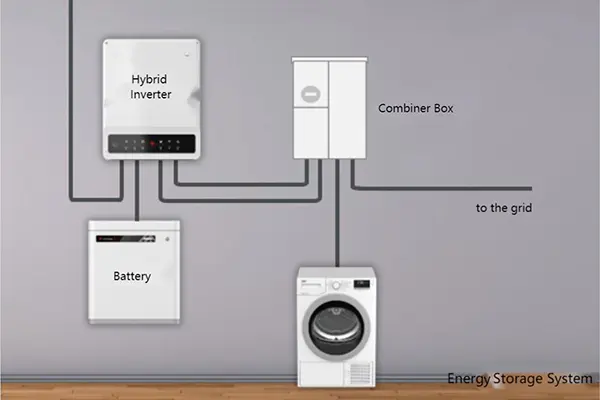
Solar system power inverter

High-Quality Solar system power inverter Product, Products

View Specifications
Elemro LCLV 14kWh Solar Energy Storage System

Best Elemro LCLV 14kWh Solar Energy Storage System Manufacturer

View Specifications
Elemro WHLV 48V100Ah ESS Battery Factories

High-Quality Elemro WHLV 48V100Ah ESS Battery Factories

View Specifications
Elemro SHELL 14.3kWh Solar Backup Battery

High-Quality Elemro SHELL 14.3kWh Solar Backup Battery Manufacturer

View Specifications
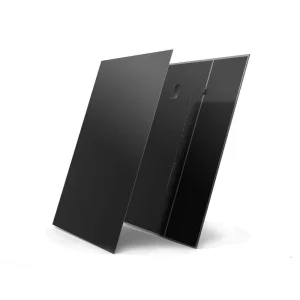
Elemro CdTe Thin Film Solar Cells

Best Elemro CdTe Cadmium Tellurium Thin Film Solar Cells for BIPV Projects Manufacturer

View Specifications
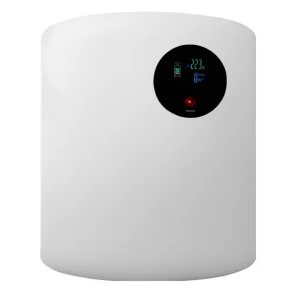
Wall-Mounted Lithium Battery Energy Storage Systems

High-Quality Wall-Mounted Lithium Battery Energy Storage Systems Factory

View Specifications

Global Landscape of PV & Storage Manufacturing Economics

The global transition towards zero-carbon energy grids has transformed the economic calculation of renewable generation. Historically, solar photovoltaic (PV) generation operated independently of local energy demands, leading to widespread grid instabilities, peak-load misalignments, and curtailment issues. Today, combining **solar panel fabrication** and **lithium-ion battery storage** into single, dispatchable power blocks has become the default structural benchmark for utility developers, heavy industry, and high-end residential architects alike.

LCOE Cost Parity

Combining lithium iron phosphate (LiFePO4) storage arrays with monocrystalline bifacial panels pushes Levelized Cost of Energy (LCOE) past legacy fossil fuel barriers.

Supply Chain Resilience

Vertical integration in battery production—from raw carbonate processing to pack level configuration—safeguards EPC projects against raw material bottlenecks.

Microgrid Autonomy

Deploying advanced BMS (Battery Management Systems) combined with high-voltage stackable battery units guarantees seamless emergency switchover times < 10ms.

Macroeconomic Drivers and Manufacturing Efficiency

In analyzing the cost parameters of utility and C&I (Commercial & Industrial) energy projects, developers must assess both Capex (Capital Expenditures) and long-term Opex (Operational Expenditures). The market price of photovoltaic modules has dropped dramatically, driven by advancements in n-type TOPCon and heterojunction (HJT) solar cells. However, balance of system (BOS) costs, including high-frequency hybrid inverters, racking systems, structural engineering, and regulatory grid certifications, now represent a significant portion of system expenditures.

Concurrently, stationary storage has achieved massive scale. Modern manufacturing facilities leverage highly automated assembly protocols, proprietary chemical processing, and rigorous quality testing. Automated cell balancing, thermal chamber simulations, and multi-tier quality assurance protocols ensure that premium LFP (Lithium Iron Phosphate) battery chemistry consistently operates past 6,000 charge cycles at 80% Depth of Discharge (DoD). This longevity lowers the amortized battery cost per kilowatt-hour, making combined PV and storage setups a highly attractive investment.

2019
Year Established
50M+
Projected 2023 Turnover (USD)
250+
Global Active Enterprise Clients
6000+
LFP Cell Cycle Lifetime @ 80% DoD

ELEMRO Energy: Pioneering Clean Energy Systems

Established in 2019 and headquartered in Xiamen, China, Elemro Energy has built a reputation as an industry specialist in new energy storage and integrated electrical product solutions. Combining research and development, manufacturing, and distribution, ELEMRO delivers clean energy systems to over 250 enterprise clients spanning Europe, Southeast Asia, Africa, the Middle East, and the Americas.

"By integrating advanced R&D with vertical production capability, we control the critical steps of the energy storage value chain. ELEMRO's annual turnover is expected to exceed 50 million USD in 2023, reflecting our commitment to quality, performance, and financial viability."

Our production capabilities cover high-voltage containerized utility systems, commercial back-up units, BIPV thin-film technologies, and stackable residential batteries. By sourcing materials efficiently and maintaining strict quality standards, we offer high performance while managing initial capital costs.

Solar Glass Category

Solar Glass

High-transparency, optimized glass structures for BIPV and utility solar fields.
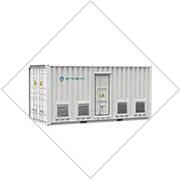
Energy Storage Container Category

Energy Storage Container

Megawatt-level containerized solutions for grids, peak shaving, and load levelling.
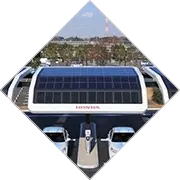
Car Port Solar Power Category

Car Port Solar Power

Turnkey photovoltaic structures designed for commercial parking and vehicle charging.

Technology Roadmap & System Integration Cost Analysis

Optimizing the cost of solar energy and battery storage systems requires a clear understanding of technology trends and system integration. When evaluating stationary storage, battery technology choice is a key decision. Lithium Iron Phosphate (LiFePO4) has become the dominant technology for stationary applications, overtaking Nickel Manganese Cobalt (NMC) formulations. LFP's chemical stability, thermal safety, and longer cycle life make it a reliable choice for commercial and residential projects despite its lower energy density.

Thin-Film CdTe BIPV Systems

Cadmium Telluride (CdTe) thin-film cells provide a uniform aesthetic and perform well in low-light and high-temperature conditions. This makes them highly suitable for building-integrated photovoltaics (BIPV), where standard silicon modules can lose efficiency due to heat and shadow shading.

High-Voltage System Design

Moving from low-voltage (48V) to high-voltage (HV) stacked configurations reduces current levels, decreases copper requirements, and lowers line transmission losses. High-voltage architectures also improve conversion efficiency through compatible high-voltage hybrid inverters.

Smart BMS Integrations

Modern Battery Management Systems (BMS) monitor cell temperature, internal resistance, and state-of-health (SoH). Early detection of cell imbalances helps prevent thermal runaway events, protecting the physical asset and supporting project bankability.

From an installation perspective, modular stacked systems simplify onsite wiring and labor, which are major components of overall project cost. Prefabricated battery modules allow systems to scale easily. Homeowners can start with 5kWh or 10kWh of storage and add capacity as energy demands increase, minimizing initial capital requirements.

Levelized Cost of Storage (LCOS) Formula & Optimization

To evaluate the financial performance of an energy storage project, developers calculate the Levelized Cost of Storage (LCOS) using the following approach:

LCOS = (Initial Capital Cost + Present Value of Opex + Charging Costs) / Total Lifetime Discharged Energy

Reducing LCOS depends on maximizing round-trip efficiency (RTE) and minimizing degradation rates. Premium solar and battery manufacturers address this by using grade-A cells, solid-state relays, and liquid cooling systems in utility-scale containers, which keeps cell temperatures within target operating windows.

Localized Application Scenarios & Case Studies

Different operating environments require specific architectural configurations. Below is an overview of standard solar-plus-storage applications.

🏡

Residential Self-Consumption

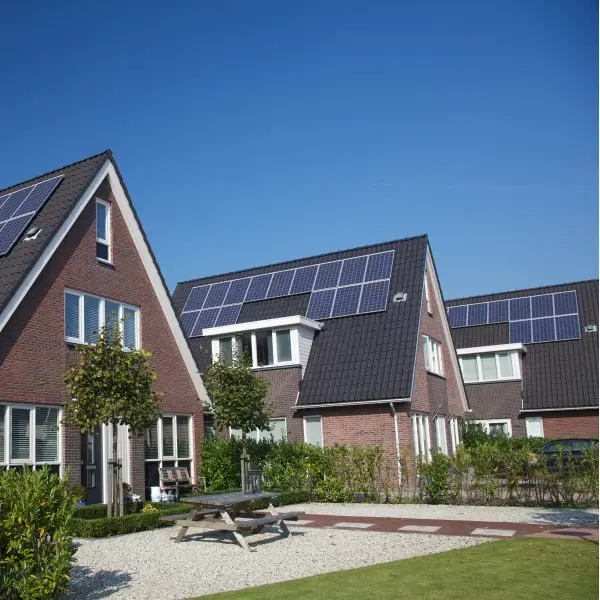
In areas with high retail electricity rates or limited feed-in tariffs, residential solar-plus-storage systems store excess daytime generation for peak evening use.

  • Typical Setup: 5kW - 10kW PV Array + 10kWh - 15kWh Storage
  • System Type: Stackable Low-Voltage/High-Voltage Wall Mounted LFP
  • Primary Benefit: High energy independence and backup power during grid outages
🏭

Commercial Peak Shaving

Commercial and industrial facilities often face demand charges based on their highest peak consumption levels. Storage systems help shave these peaks by discharging during peak demand periods.

  • Typical Setup: 100kW - 500kW Solar Field + 100kWh - 500kWh Containerized ESS
  • System Type: Liquid-Cooled LFP Energy Storage Container
  • Primary Benefit: Reduced utility demand charges and stabilized facility power factor

BIPV & Urban Infrastructure

Urban areas with limited space require building-integrated PV designs. Thin-film CdTe glass replaces standard exterior windows or structural facades, turning building envelopes into generation sources.

  • Typical Setup: Vertical/Facade CdTe Glass + High-Voltage Inverter Array
  • System Type: Architectural Solar Glass + Decentralized Lithium Backup
  • Primary Benefit: Generates clean energy on urban building facades and reduces HVAC thermal loads

Frequently Asked Questions: Solar & Battery Economics

Clear information on costs, technical performance, and specifications for solar and storage systems.

What are the main factors affecting the cost of solar panels and battery storage? +
System cost is determined by several factors: cell chemistry (LFP vs. NMC), system configuration (low-voltage vs. high-voltage stackable designs), cell quality classification (Grade A vs. B), inverter architecture (hybrid, micro, or string inverters), and local labor requirements. Balance of System (BOS) costs, including racking, cabling, and safety components, also represent a key portion of overall expenditures.
Why is LiFePO4 chemistry preferred for stationary energy storage over NMC? +
Lithium Iron Phosphate (LiFePO4) is preferred for stationary applications due to its thermal stability and safety. The chemistry has a high threshold for thermal runaway. It also offers a long cycle life, often supporting 6,000+ full charge-discharge cycles before capacity degrades to 80%, compared to 1,500 to 2,500 cycles for typical NMC chemistries.
What are the advantages of high-voltage battery systems compared to 48V options? +
High-voltage systems (usually above 200V DC) run at lower currents for the same power output. This reduces I²R resistive losses, allowing for thinner wiring, smaller connectors, and improved overall round-trip efficiency. They also integrate directly with high-voltage hybrid inverters without requiring complex voltage-boost stages.
How does Cadmium Telluride (CdTe) thin-film compare to standard silicon panels for BIPV? +
CdTe thin-film panels offer a uniform aesthetic and work well in low-light and shaded conditions. They have a lower temperature coefficient than crystalline silicon, meaning they lose less efficiency as operating temperatures rise. This makes them well-suited for vertical facade applications (BIPV) where ventilation is limited.
How does battery depth of discharge (DoD) impact long-term operational costs? +
Operating a lithium battery at a high Depth of Discharge (such as 100%) increases chemical stress and accelerates capacity degradation. Restricting the DoD to 80% or 90% helps prolong the cycle life of the battery cells, maximizing the lifetime energy throughput of the system and lowering the amortized cost per kilowatt-hour.
Which international certifications should enterprise buyers verify? +
Enterprise buyers should check for key certifications to ensure safety and performance: IEC 62619 for industrial lithium storage safety, UL 1973 for stationary battery systems, UN 38.3 for transport safety, CE compliance, and regional grid certifications (such as VDE-AR-N 4105 or G99) to support legal grid connection.

Explore the Elemro Energy Product Range

Review our modular batteries, residential storage setups, and specialized solar components.
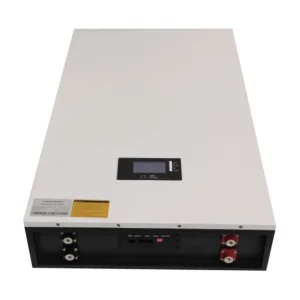
Elemro WHLV 48V200Ah Solar Battery Storage

Best Elemro WHLV 48V200Ah Solar Battery Storage Manufacturers

View Specifications
High Voltage Stacked Energy Storage Battery

Best High Voltage Stacked Energy Storage Battery Manufacturers, Factories

View Specifications
Elemro WHLV 10kWh Lifepo4 Battery

High-Quality Elemro WHLV 10kWh Lifepo4 Battery for Home Battery Storage Factory

View Specifications
Elemro SHELL 10.2kWh Energy Storage Devices

High-Quality Elemro SHELL 10.2kWh Energy Storage Devices Manufacturer

View Specifications
Best Elemro WHLV 5kWh Solar Battery

Best Elemro WHLV 5kWh Solar Battery for House Manufacturers

View Specifications
Elemro SHELL 14.3kWh Solar Backup Battery

High-Quality Elemro SHELL 14.3kWh Solar Backup Battery Manufacturer

View Specifications
Elemro LCLV 14kWh Solar Energy Storage System

Best Elemro LCLV 14kWh Solar Energy Storage System Manufacturer

View Specifications
LiFePo4 battery with stackable design Factory

High-Quality High-voltage storage LiFePo4 battery with stackable design Factory

View Specifications

ELEMRO News & Technical Insights

Read recent updates and analyses from our engineering teams on solar inverters, battery safety, and system design.
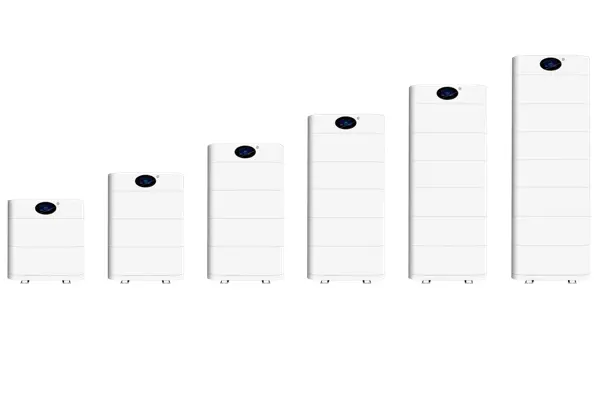
Global Partner Network & Certifications

Request Technical Catalog & Custom Pricing

Contact our technical team for custom system design support, cell level cycle data sheets, or wholesale pricing options. We reply within 24 hours.