High-Quality Container Battery Storage Product & Products

Pioneering Liquid-Cooled BESS Architectures, Multi-Scenario Microgrids, and Utility-Scale Grid Integration

Understanding Containerized Battery Energy Storage Systems (BESS)

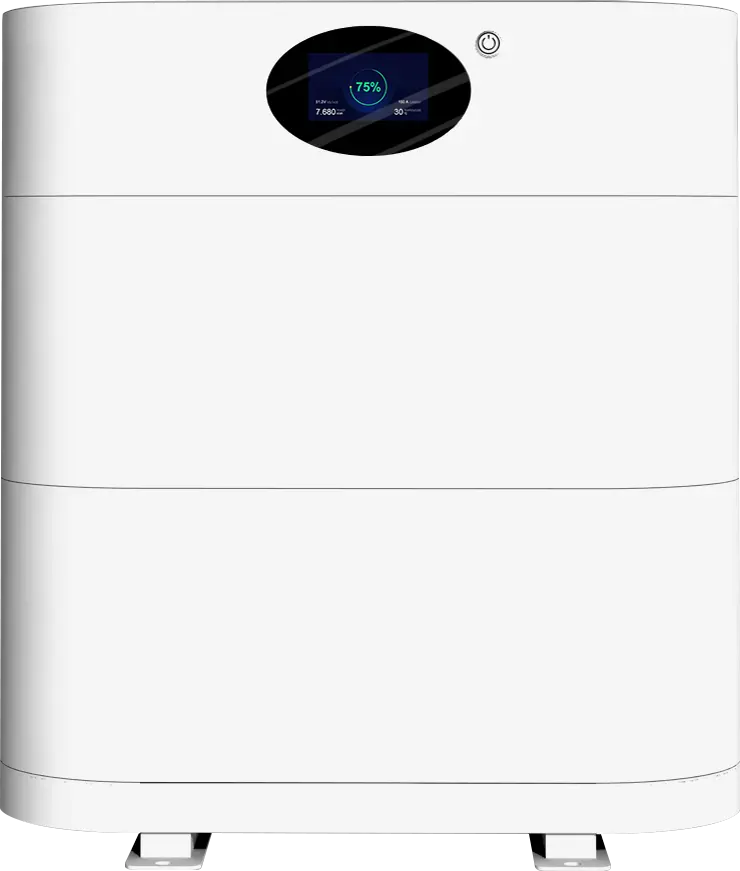
Industrial developments require massive amounts of power that must be reliable, continuous, and cost-effective. High-Quality Container Battery Storage systems (often referred to as Containerized BESS) represent the ultimate tier of modern energy infrastructure. Unlike traditional stationary battery packs, containerized storage houses an entire ecosystem—integrating Lithium Iron Phosphate (LiFePO4) battery modules, intelligent battery management systems (BMS), high-precision thermal management (liquid cooling or forced air cooling), dynamic fire suppression systems (such as Novec 1230 or Aerosols), and energy conversion systems (PCS).

These turnkey shipping-container-sized structures (available in standard 20-foot and 40-foot configurations) offer utility companies, heavy industries, grid operators, and commercial facilities a modular, plug-and-play solution to scale storage capacities from hundreds of kilowatt-hours (kWh) to multi-megawatt-hour (MWh) installations. This ensures grid stabilization, peak shaving capabilities, and seamless integration with renewable energy arrays such as utility-scale solar farms or wind fields.

> 50M
USD Turnover Projected in 2023
250+
Global Enterprise Clients
6000+
LFP Cell Cycle Life @ 80% DoD
Factory 4.0
Highly Automated Production Lines

Technology Roadmap & Future Outlook

The landscape of containerized energy storage is moving through a massive shift driven by safety standards, cell volume expansion, and artificial intelligence integration. ELEMRO Energy is consistently aligning its technology roadmap with these shifts, preparing developers for the demands of the next decade:

Transition to 314Ah+ LFP Cells

Graduating from the traditional 280Ah battery architecture, our system design integrates 314Ah high-density lithium iron phosphate cells. This expands the capacity of standard 20ft container systems from 3.72MWh to over 5MWh without increasing the structural footprint.

Advanced Liquid Cooling

By moving away from air-cooling systems, liquid cooling plate distributions reduce cell-to-cell temperature variations to <2.5°C. This optimization enhances battery health, limits thermal runway risk, and reduces parasitic power draws by 20%.

AI-Powered EMS & BMS

Integrating machine learning algorithms into the Energy Management System (EMS) allows real-time health forecasting, thermal event predictions, and optimized dispatch schedules based on local energy markets and grid pricing indicators.

Macro-Industry Solutions: Multi-Sector Deployment

Turnkey container battery storage solutions address high-level problems faced by varied markets. By configuring modular building blocks, ELEMRO Energy delivers customized operating parameters:

  • Utility-Scale Grid Support: High-capacity containers mitigate supply issues associated with wind and solar output. Fast frequency response (FFR), capacity firming, and load leveling allow national and regional grids to operate reliably without carbon-intensive peaker plants.
  • Commercial & Industrial (C&I) Peak Shaving: Large industrial facilities pay premium rates for high energy demand spikes. By discharging stored power during high-consumption periods, factories can reduce overall utility bills.
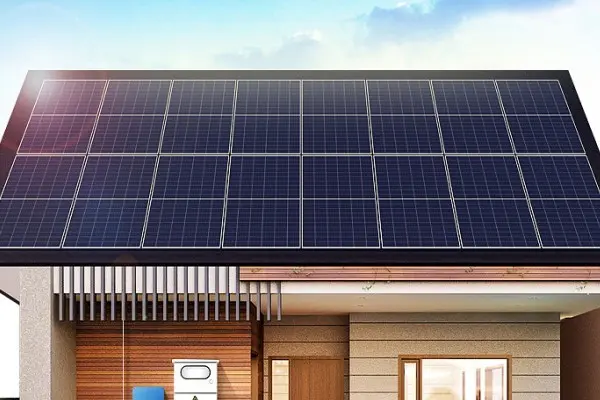
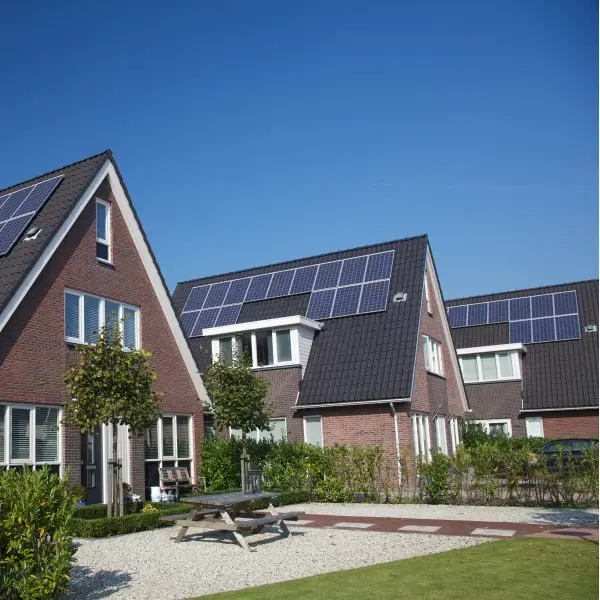
  • Microgrid & Island Hybrid Power: Combining solar glass, carport power systems, and containerized batteries allows remote mining operations, agricultural hubs, and island communities to establish safe, off-grid microgrids.

China Factory 4.0: Supply Chain Resilience & Efficiency Advantages

The manufacturing foundation of ELEMRO Energy lies in China's high-tech manufacturing corridors. Headquartered in Xiamen, China, our advanced manufacturing centers operate under Factory 4.0 standards. What does this mean for global buyers?

  • Automated Cell Quality Grading: All LFP cells undergo automated inspection cycles measuring precise inner resistance, charge curves, and thermal signatures to ensure only matched cells are integrated into packs.
  • Integrated Supply Chain: Our location provides direct partnerships with major raw-material refiners, cell manufacturers, and logistics hubs. This integration ensures lower manufacturing lead times and stable pricing, shielding clients from supply disruptions.
  • End-to-End Testing Protocols: Every container undergoes insulation resistance checks, thermal chamber mock-ups, full-power load bank runs, and EMS hardware-in-the-loop (HIL) simulations before departure.

Power A Green Future

Established in 2019, headquartered in Xiamen, China, Elemro Energy has specialized in new energy storage and electrical product solutions with rich industry experience. We are a market leader in the new energy space, unifying R&D, production, and sales. The products have been successfully sold to more than 250 customers across Europe, Southeast Asia, Africa, Mid-east, and the Americas.

Since its establishment, ELEMRO's revenue has been growing rapidly every year. Our annual turnover exceeded 50 million USD, paving the way for broader infrastructure installations globally. We provide cleaner energy for a greener world.

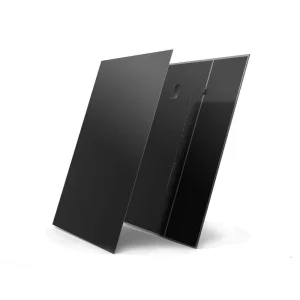
Solar Glass

Solar Glass

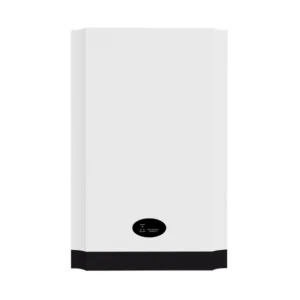
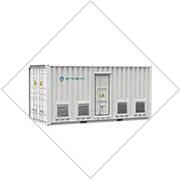
Energy Storage Container

Storage Container

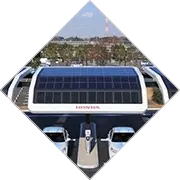
Car Port Solar Power

Solar Carport

Global Enterprises Procurement: Sourcing Criteria & Risk Mitigation

Procurement of utility-scale energy projects represents significant capital deployment. Large corporate groups, EPC contractors, and grid developers must evaluate key metrics to reduce technology risks over a 10-to-20-year operational lifecycle:

  • Levelized Cost of Storage (LCOS): Beyond initial purchase expenditures (CAPEX), LCOS analyzes cell efficiency, auxiliary energy consumption (cooling/heating loads), and projected cycle life. Selecting high-density liquid-cooled systems significantly lowers long-term LCOS.
  • BMS/EMS Interoperability: Containerized systems must communicate with existing Supervisory Control and Data Acquisition (SCADA) systems and grid dispatch centers via industry-standard protocols such as Modbus TCP/IP, DNP3, or IEC 61850.
  • Cell Grade & Capacity Guarantees: Insist on tier-1 LFP chemistry with linear capacity degradation models, ensuring performance retention at 70% or more after 6,000 equivalent full cycles.

Localized Engineering Support, Global Compliance & Certifications

Deploying massive battery arrays requires adherence to strict safety rules. Our containerized systems are engineered, built, and certified to meet the demanding frameworks required by global grid operators:

Safety Certifications: System certifications include UL 9540 (for complete BESS systems), UL 9540A (large-scale fire testing), UL 1973 (for battery packs), and IEC 62619 / CE compliance for industrial installations.

Local Fire Protection Design: Custom safety elements incorporate automatic deflagration relief panels, triple-sensor gas detection systems (detecting early hydrogen and carbon monoxide off-gassing), and multi-stage clean agent gas release linked with zone-specific sprinkler backups, complying with NFPA 855 codes.

Global Commissioning Assistance: ELEMRO Energy ensures seamless integration by providing on-site commissioning guides, remote grid-connection support, and factory-authorized training programs for engineering staff.

Request Technical Specifications & Project Quotes

Get in touch with ELEMRO Energy's engineering team to customize your industrial container battery storage parameters. Response within 24 hours guaranteed.

Frequently Asked Questions

Technical clarifications concerning containerized battery systems, integration, safety, and delivery logistics.

1. What are the main design advantages of Liquid Cooling over Air Cooling in container BESS?
Liquid-cooled systems use a glycol-water mixture routed directly through thermal cooling plates positioned against the battery cells. This maintains a cell-to-cell temperature gradient under 2.5°C, compared to 5°C or higher in air-cooled designs. Keeping temperature differences low prevents uneven cell degradation (skewed State of Health), increases cycle life by up to 20%, and saves system footprint through denser cell stacking.
2. How does a Containerized Battery Storage system comply with NFPA 855 safety standards?
NFPA 855 compliance requires rigorous spacing, explosion protection, and fire control. ELEMRO's systems utilize UL 9540A tested cells to limit thermal runaway propagation. Additional measures include gas detection systems (detecting combustible gases before visible smoke), exhaust venting to prevent deflagration, and Novec 1230 gas systems paired with localized water lines for physical cooling.
3. What is the typical lifetime and degradation profile of the LFP cells used?
We use Grade-A LFP (Lithium Iron Phosphate) cells with a cycle performance exceeding 6,000 cycles at 80% Depth of Discharge (DoD) under standard 0.5C operating conditions. This equates to a calendar life of approximately 15 to 20 years, depending on thermal management and operational profiles, before the system capacity degrades to 70% of its initial state.
4. Can these containerized batteries be coupled with existing solar power systems (Retrofitting)?
Yes. The container system can be integrated through AC coupling or DC coupling. AC coupling is common for existing solar installations because it connects the battery's Power Conversion System (PCS) directly to the facility's main AC bus bar, allowing the system to charge from solar output or grid power.
5. How does ELEMRO manage container shipping logistics for Class 9 Dangerous Goods?
Large lithium battery containers are classified as UN 3480 Class 9 Dangerous Goods. We manage the logistics process, ensuring all components have UN 38.3 test summaries, appropriate safety labeling, and compliant ocean freight arrangements, followed by secure customs clearances directly to the project site.

Quality Materials & Global Supply Chain Partners