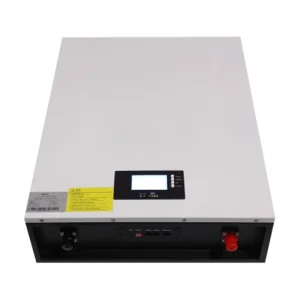
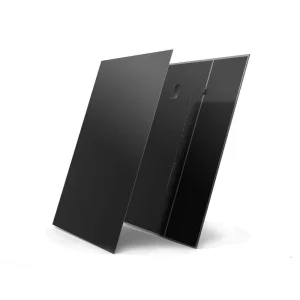
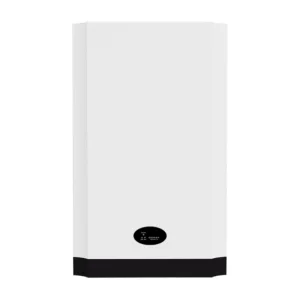
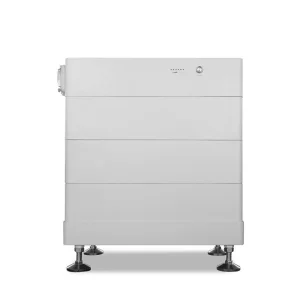
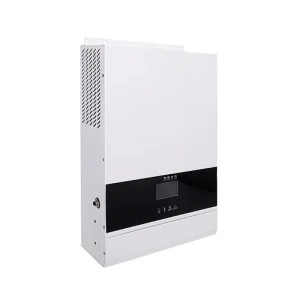
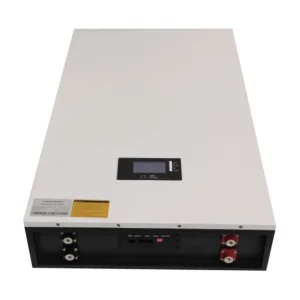
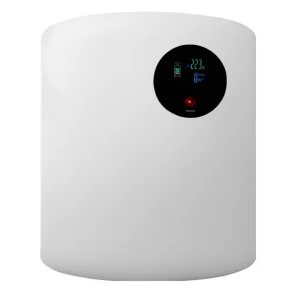
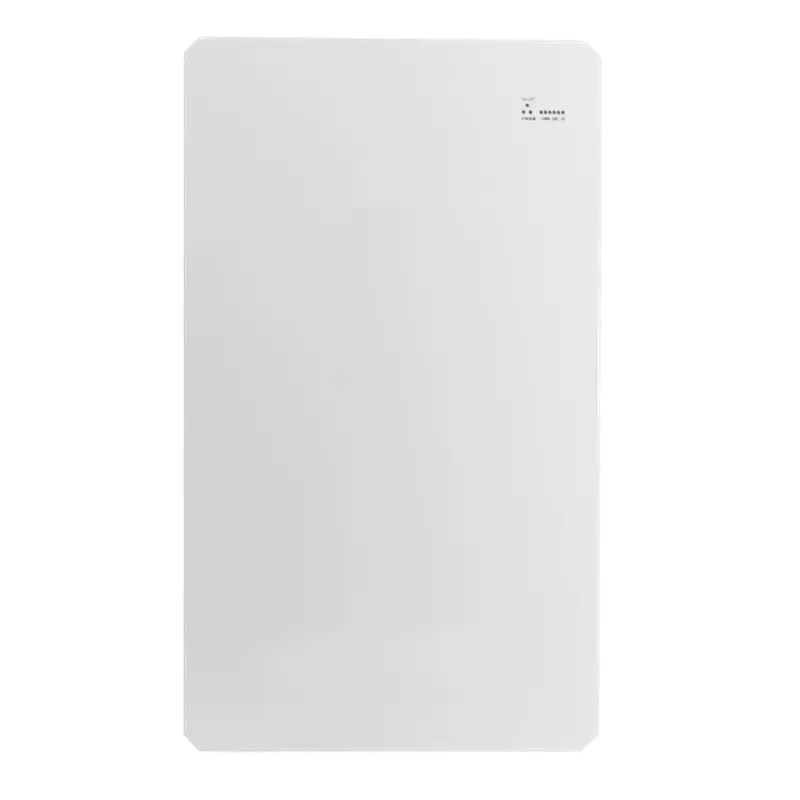
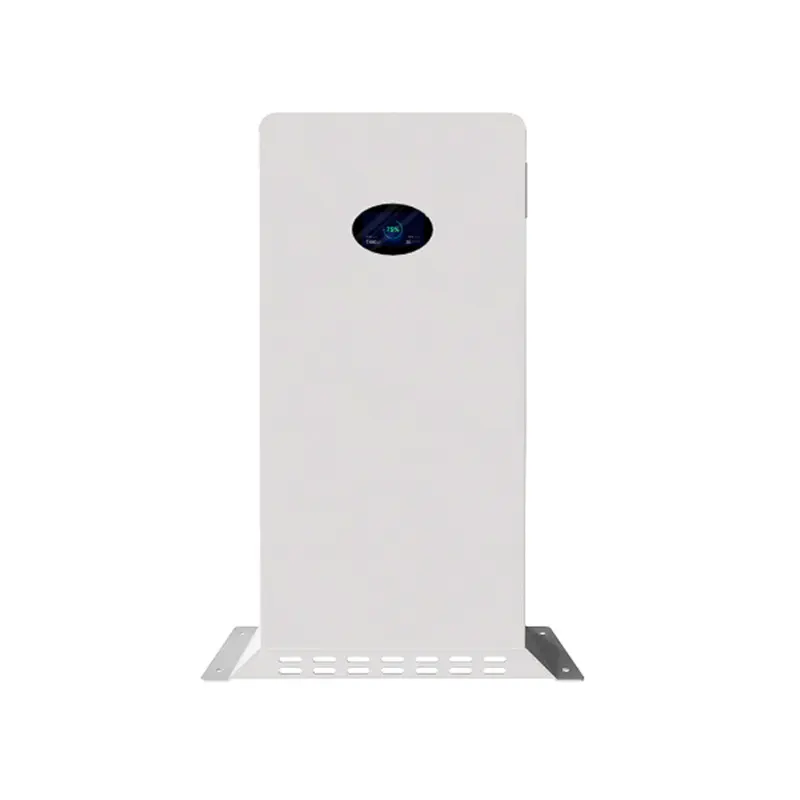
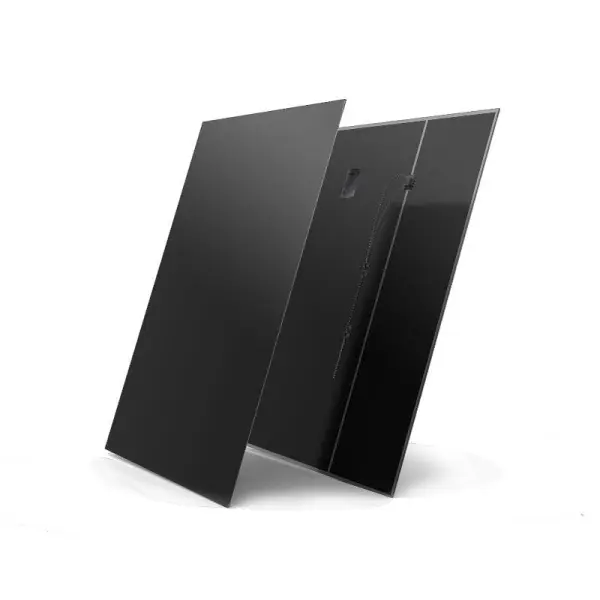
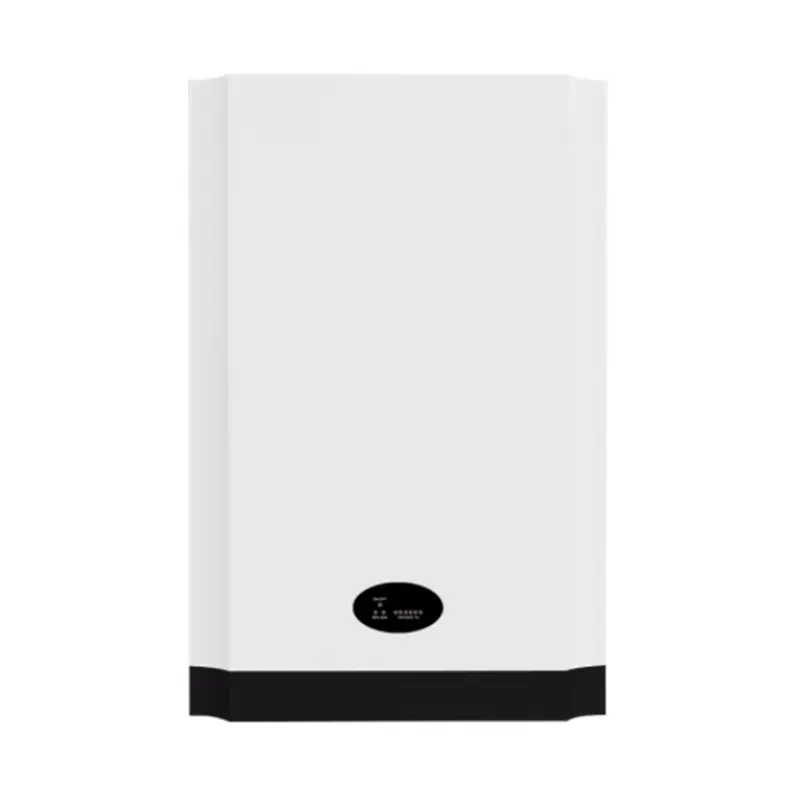
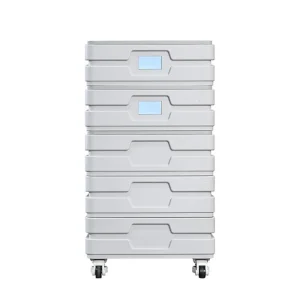
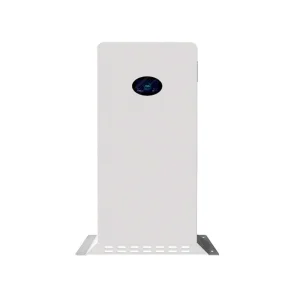
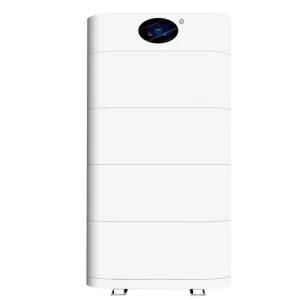
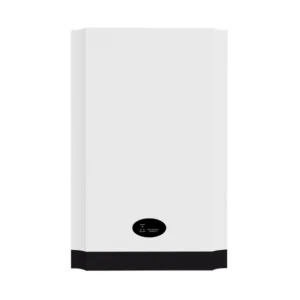
Explore our premium grade tier-1 cell configurations, high-voltage battery racks, and scalable thin-film solar technologies designed for industrial infrastructure.
Key drivers behind the global deployment of high-voltage battery storage assets across industrial complexes.
By deploying intelligent Commercial Energy Storage Systems, modern industries offset peak tariff rates through load shifting. Batteries charge during low-cost utility windows and discharge during operational peaks, significantly cutting demand charges and levelizing energy expenditures.
Sudden blackouts cost manufacturing facilities millions per hour. Integrated BESS (Battery Energy Storage Systems) offer millisecond-level backup transition, safeguarding sensitive machinery, injection molders, automated assembly lines, and cloud operations from devastating voltage sags.
Under tightening global ESG policies, corporations are under intense pressure to neutralize Scope 1 and Scope 2 carbon footprints. High-efficiency commercial storage systems store surplus onsite solar power, eliminating curtailment and ensuring round-the-clock green energy delivery.
Global Industrial Clients
Annual Turnover (USD)
Year Established
Automated Quality Inspection
From compliance parameters to cell chemistry validation, here is what procurement heads prioritize when selecting an energy storage factory.
BESS installations face heavy domestic and commercial regulations. Systems must hold industry certifications including UL9540A, IEC 62619, CE, and UN38.3. Ensuring thermal runaway suppression and dynamic fire suppression is an absolute priority.
Procurement directors optimize for the lowest cost per cycle. Long cycle life (exceeding 6000 cycles at 80% Depth of Discharge) paired with intelligent, low-loss BMS algorithms provides the highest return on energy investments over a typical 10 to 15-year operational span.
Modern developers require seamless communication protocols. System designs must support Modbus TCP/IP, CAN, and RS485 communication protocols, allowing smooth integration with local SCADA networks, hybrid solar inverters, and municipal smart grids.
Leveraging advanced automation, massive manufacturing scale, and vertical component integration to ensure uninterrupted production and stable pricing.
Firms based in China's industrial zones leverage a fully localized supply chain. From anode/cathode processing to thermal management systems and micro-controller chips, local availability eliminates international shipping bottlenecks.
By using robotic manufacturing lines, modern factories ensure precision battery pack connections. Automated laser-welding systems minimize terminal contact resistance, significantly lowering internal heat generation during high C-rate operation.
Through step-by-step trace systems, cell batching software groups batteries of identical internal resistance, capacity, and voltage. This eliminates early pack degradation and guarantees balance throughout the system's life cycle.
Scale is essential for large gigawatt-scale infrastructure projects. China's Industry 4.0 setup permits rapid factory tooling changes, accelerating prototype design cycles and scaling production in weeks instead of months.
Deploying tailored commercial energy storage solutions across diverse global industrial environments.
Data hubs require continuous power without interruptions. Combining large scale LFP battery racks with grid monitoring systems delivers high-capacity backup protection, minimizing the dependency on carbon-heavy diesel backup generators.
Remote farms frequently deal with fluctuating voltage supply and long feeder lines. Utilizing solar arrays with high-voltage storage containers enables operations to run off-grid, ensuring irrigation systems and packaging hubs function smoothly.
The rapid growth of EV infrastructure places stress on local electrical grids. Installing buffer energy storage systems reduces peak demand spikes, allowing charging sites to pull energy during off-peak times and discharge it fast into charging vehicles.
We provide cleaner energy for a greener world.

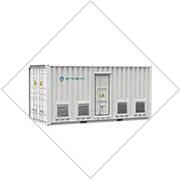

Established in 2019, and headquartered in the high-tech industrial zone of Xiamen, China, Elemro Energy has developed into a specialized new energy storage leader. We integrate research and development, smart production lines, and global sales to deliver cost-effective and highly reliable battery solutions.
Our product distribution extends to over 250 industrial and utility customers throughout Europe, Southeast Asia, Africa, the Middle East, and the Americas. By ensuring robust supply chain practices and strict cell matching standards, our annual turnover grew to exceed 50 million USD in 2023.
About Us
Start a green and convenient life with Elemro Energy.
In-depth responses detailing systems engineering, lifecycle projections, cell differences, and deployment requirements.
Lithium Iron Phosphate (LiFePO4 / LFP) has emerged as the clear standard for utility and C&I scales. Compared to Nickel Manganese Cobalt (NMC) cells, LFP batteries provide superior thermal stability, a longer life cycle (often 6,000+ cycles at 80% Depth of Discharge), and do not rely on cobalt, lowering geopolitical supply risks and manufacturing costs.
Quality factories utilize OCV (Open Circuit Voltage) sorting and strict internal resistance screening. Every cell undergoes matching processes prior to assembly, preventing single underperforming cells from reducing the charge and discharge performance of the entire rack module.
For applications exceeding 0.5C charge rates, liquid cooling is generally preferred. It maintains cell-to-cell temperature variations under 3°C, extending pack lifetime. For standard load-shifting applications with lower C-rates, variable-speed HVAC air cooling remains a reliable and cost-effective method.
Under international transportation and local deployment guidelines, containers must pass structural safety standards such as UL 9540 (system level), UL 1973 (battery pack level), and have built-in gas detection systems (NFPA 855) along with aerosol or water-mist fire suppression layouts.
Keep up with technical updates, application reviews, and global trade events in the energy storage industry.
Jul 07, 2023
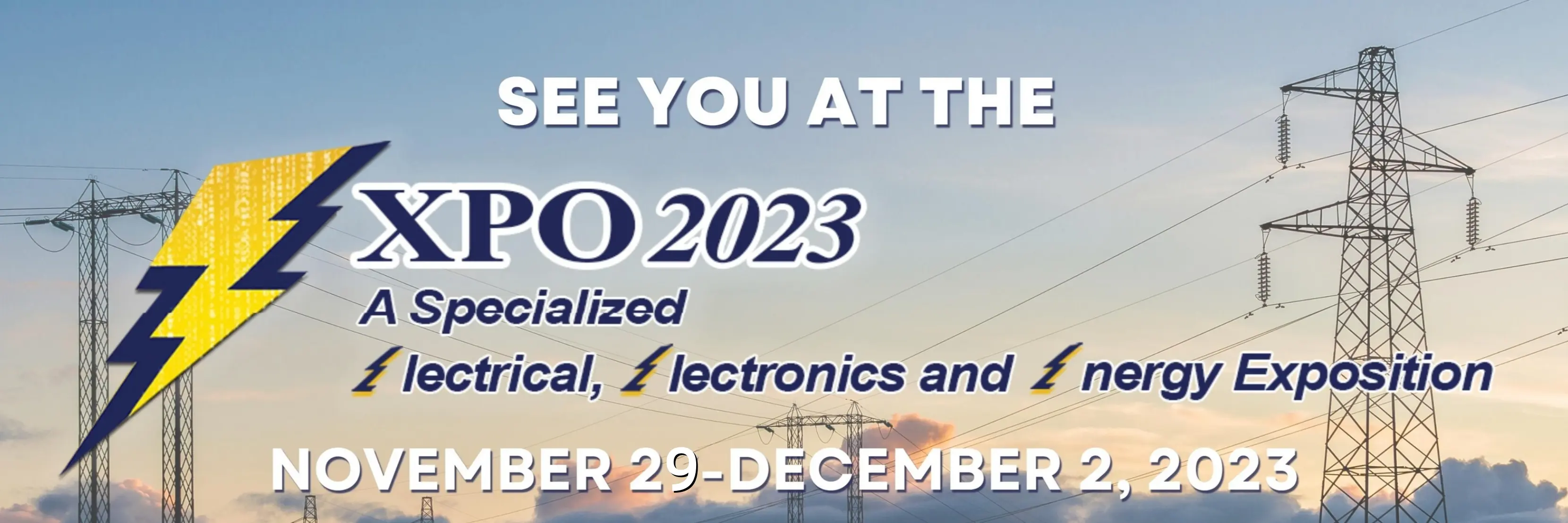
Nov 26, 2023
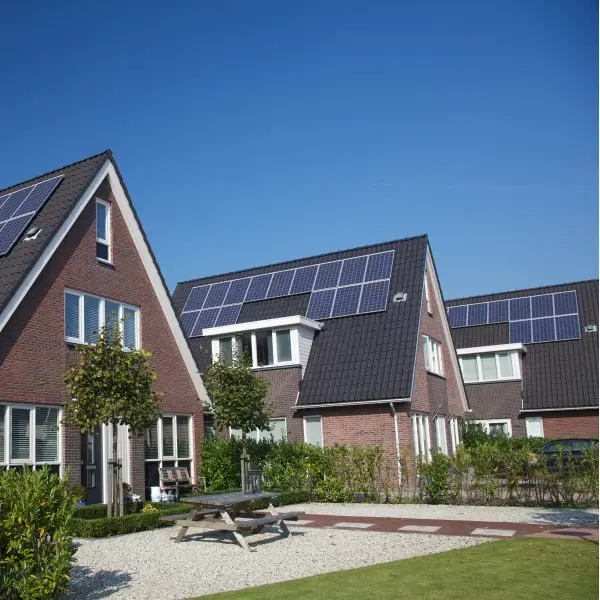
Nov 10, 2023
For inquiries about our products or pricelist, please leave your email to us and we will be in touch within 24 hours.





Complete your energy procurement architecture with stackable residential components, industrial modules, and replacement units.
 Elemro Energy