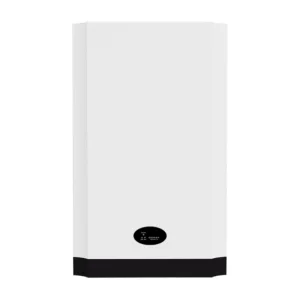
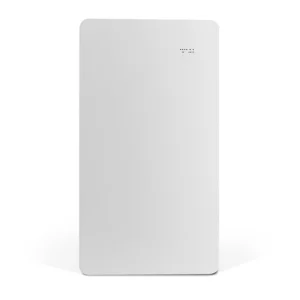
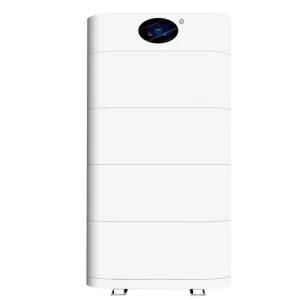
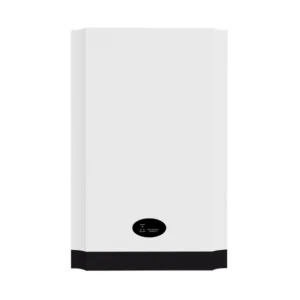
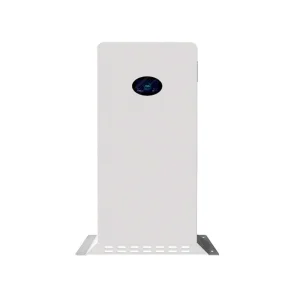
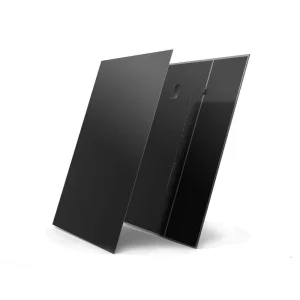
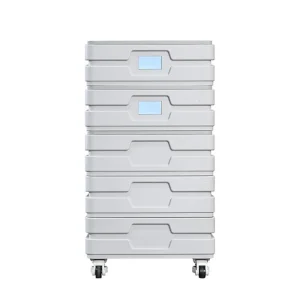
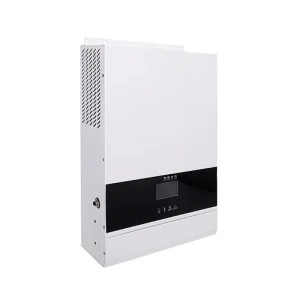
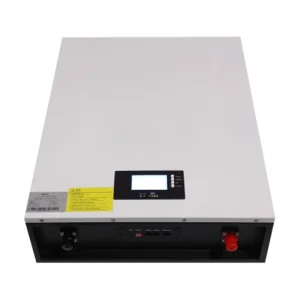
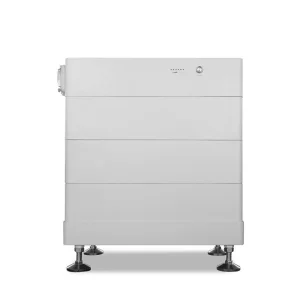
High-Quality Commercial Battery Storage Systems Manufacturer & Manufacturers

Pioneering Tier-1 Lithium Battery Storage Solutions, Advanced BIPV Systems, and Utility-Scale Grid Integration Technologies for Global Enterprise & Industrial Decarbonization.

⚙️ EXECUTIVE SUMMARY: DECARBONIZING MODERN ENTERPRISES

As the global energy transition accelerates, Commercial Battery Storage Systems (BESS) have evolved from ancillary power backup solutions into core strategic assets. Multi-megawatt energy storage architectures enable modern businesses to capture, manage, and distribute energy intelligently, eliminating peak demand charges, providing critical microgrid reliability, and unlocking novel revenue streams through demand-response mechanisms.

1. Global Procurement Dynamics & C&I Energy Demands

Commercial energy consumers—ranging from energy-intensive manufacturing plants, heavy machinery industries, and high-load hyperscale data centers to large retail distribution networks—face unprecedented grid pressures. Global power utility providers are facing structural capacity issues, prompting them to enforce stricter Time-of-Use (ToU) tariffs and expensive Peak Demand penalties.

For procurement officers and operational managers, investing in commercial battery storage systems represents a vital shift in mitigation management. The key drivers prompting C&I procurement include:

  • Demand Charge Management: Commercial electricity bills are divided into consumption charges (kWh) and demand charges (kW). Demand charges, based on the peak period of usage, can represent up to 50% of an industrial plant's monthly energy expenses. High-capacity BESS monitors usage patterns and performs automatic peak-shaving, discharging energy instantly during periods of maximum load to keep grid-supplied consumption below targeted limits.
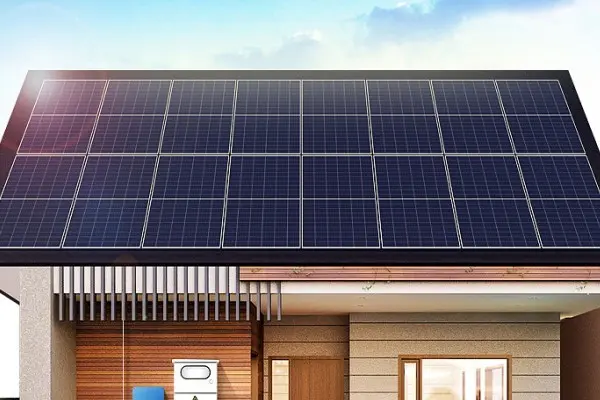
  • Integrating Solar PV Assets (BIPV & Glass): Installing clean-energy generation assets, like Building Integrated Photovoltaics (BIPV) or Solar Glass, is only the first step. Without energy storage, excess midday generation is either lost or exported back to the grid at low feed-in tariffs. Commercial storage enables companies to maximize self-consumption rates and run fully self-sufficient operations.
  • Microgrid Resilience & Uninterrupted Power Supply (UPS): In advanced electronics manufacturing or chemical process industries, a voltage dip lasting even a few seconds can ruin production batches, leading to losses in the millions. Hybrid battery storage configurations act as ultra-responsive emergency reserves that protect operations against catastrophic blackouts.

2. Macro-Industry Solutions: Integrating Solar Glass, Containers & Carports

Optimizing battery storage systems at a macro level requires physical integration with local facility architectures. Modern energy storage manufacturers offer three primary configurations designed to harmonize infrastructure footprints with sustainable generation assets:

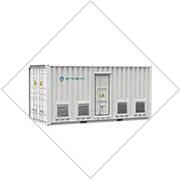
Solar Glass Technology

Solar Glass Integration

Energy Storage Container

Energy Storage Container

Car Port Solar Power

Car Port Solar Power

These integration systems are designed to coordinate with different components of a facility's envelope:

  • Building-Integrated Photovoltaics (BIPV): By transforming structural building envelopes, facades, and windows into energy generation assets through Elemro CdTe Cadmium Tellurium Thin Film Solar Cells, facilities capture distributed energy across all vertical surfaces. This power is subsequently channeled into commercial rack storage systems.
  • Mega-Scale Energy Storage Containers: For larger logistics centers and utility-scale grids, fully self-contained outdoor modules (10-foot, 20-foot, or 40-foot shipping container formats) provide pre-assembled, modular energy architectures. Integrated with HVAC or active liquid cooling, fire suppression systems, and internal BMS, they can be deployed directly next to industrial plants or remote substations.
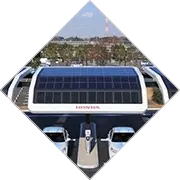
  • Carport Solar Energy Systems: Utilizing expansive corporate parking zones to deploy overhead photovoltaic arrays converts unused footprints into significant generation fields. The captured power handles EV fleet charging stations directly, with surplus energy buffered within localized lithium-ion battery blocks.

3. Technical Roadmap: Chemistry, Stacking Topologies & EMS

Engineered systems rely on robust internal electronics, safe cell chemistry, and precise thermal control. We design and deliver advanced topologies that guarantee reliable operational lifespans exceeding 6,000 cycles at 80% Depth of Discharge (DoD).

System Parameter Low Voltage Solutions (e.g., WHLV Series) High Voltage Stackable & Container Systems
Battery Chemistry Premium LiFePO4 (Lithium Iron Phosphate) Advanced LiFePO4 / Semi-Solid State Ready
Voltage Range 48V Nominal / Stackable Parallel 400V - 1000V DC High-Efficiency Busbars
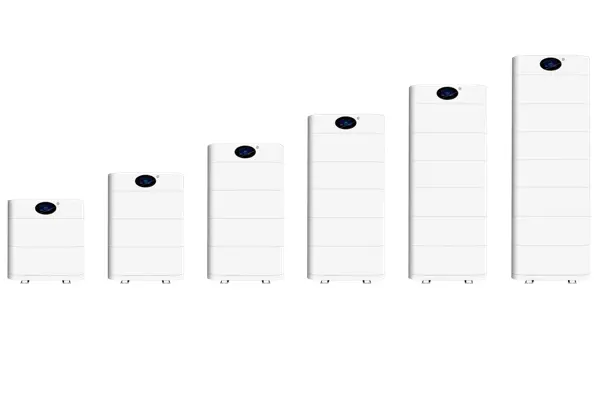
Scale Capacity 5kWh, 10kWh up to 100kWh 100kWh, 500kWh up to Multi-MWh Projects
Thermal Management Natural Convection / Forced Air Cooling Liquid Cooling Loop with Active Chiller Units
Key Certifications CE, UN38.3, IEC 62619 UL 9540A, UL 1973, CE-TUV, IEC 62933

LiFePO4 Chemistry Selection

The core foundation of Elemro's energy systems is Lithium Iron Phosphate (LFP). LFP chemistry offers unparalleled chemical stability compared to alternative chemistries like Nickel Manganese Cobalt (NMC). It eliminates structural concerns regarding oxygen release under thermal stress, effectively mitigating thermal runaway risks. This thermal threshold ensures these systems can operate safely inside industrial centers, warehouses, and municipal facilities.

High-Voltage Stacked Topologies

Traditional energy storage systems rely on low-voltage configurations (typically 48V). While suitable for smaller applications, low-voltage designs run into efficiency limitations on larger commercial footprints due to high-current losses ($I^2R$ heating losses). Transitioning to High Voltage Stacked Architectures (up to 800V-1000V) reduces overall system currents. This design configuration results in:

  1. Lower Cable Costs: Smaller conductor cross-sections cut copper installation costs.
  2. Enhanced Round-Trip Efficiency: Less energy is wasted as heat during rapid charge and discharge cycles, resulting in overall conversion efficiencies exceeding 92%.
  3. Direct-to-Inverter Coupling: Simplifies integration with modern three-phase central and commercial string inverters.

4. Global Commercial & Industrial Energy Storage Landscape

Global markets require tailored regulatory compliance and integration standards. Market requirements vary significantly across target locations:

  • The European Union: With strict carbon compliance mechanisms (CBAM) and highly volatile day-ahead wholesale electricity markets, European enterprises utilize battery systems to participate in Arbitrage trading (charging during low-cost wind energy periods and discharging at peak pricing) and Frequency Containment Reserve (FCR) markets.
  • North America: Backed by the Inflation Reduction Act (IRA), industrial complexes in the US leverage substantial investment tax credits (ITC). Interconnection policies require adherence to UL 1741 SA and UL 9540 standards to guarantee grid safety under emergency demand conditions.
  • Asia-Pacific: Strong microgrid development and local industrial grid constraints drive demand for decentralized energy infrastructure. Organizations in Australia and Southeast Asia utilize large container systems to stabilize power quality at remote mining and production sites.

5. Elemro Energy: Global Supply Chain, R&D and Reliability

Established in 2019 and headquartered in the high-tech hub of Xiamen, China, ELEMRO Energy has positioned itself as an industry leader in new energy storage and electrical product integration. Elemro consolidates advanced R&D, manufacturing facilities, and localized sales offices to deliver comprehensive project support.

📈 CORPORATE PERFORMANCE & REACH

Elemro's annual turnover is expected to exceed 50 million USD in 2023, reflecting rapid year-on-year growth driven by premium component selection and global supply networks. We have delivered advanced storage assets to more than 250 enterprise clients across Europe, Southeast Asia, Africa, the Middle East, and the Americas.

Our global capability rests on three core pillars:

  1. Quality Sourcing: By cooperating with tier-1 battery cell manufacturers, Elemro ensures each system contains Grade-A, brand-new lithium cells with uniform capacity profiles.
  2. Robust In-House Engineering: Our engineering teams specialize in tailoring custom Battery Management Systems (BMS) and Energy Management Systems (EMS) to ensure seamless communication with existing industrial SCADA configurations and third-party inverters.
  3. Comprehensive Logistics: Operating directly from major manufacturing hubs in Southern China enables efficient sea and land shipping logistics. Secure packaging designs guarantee battery modules arrive undamaged and ready for field installation.
WHITE PAPER MENU
Document Identifier:
BESS-WP-2024-V2.1
Authoritative Review:
Elemro Engineering Council
2019
Established Year
50M+
2023 Turnover (USD)
250+
Global Enterprise Clients
100%
Factory Inspection Rate

Commercial Battery Storage FAQ

Expert insights on safety, technology, integration, and procurement requirements for enterprise battery deployment.

Q1: What are the main differences between low-voltage (48V) and high-voltage (HV) commercial battery storage configurations?
Low-voltage (LV) systems operate around 48V to 51.2V DC and are highly modular, safe to install, and perfect for smaller commercial buildings or residential spaces. High-voltage (HV) stacked systems connect cells in series to achieve DC voltages of 400V to 1000V. High-voltage arrays minimize conversion losses, reduce physical cabling requirements, and coordinate more efficiently with large commercial scale inverters, making them standard for multi-megawatt industrial installations.
Q2: How does Elemro Energy ensure the long-term safety of its commercial and industrial battery container systems?
Safety is built into every layer of Elemro's energy systems. We utilize high-stability Lithium Iron Phosphate (LiFePO4) cell chemistry, which has a high thermal runaway threshold. Our batteries are managed by a multi-level Battery Management System (BMS) that monitors voltage, current, and temperature at the cell level. Our commercial container solutions are equipped with automated cooling, active aerosol fire suppression systems, and pressure relief vents designed to meet UL 9540A certification requirements.
Q3: What certifications are mandatory for importing and installing commercial battery storage systems internationally?
Mandatory standards vary by region. For the European market, CE marking, EN 62477-1, and IEC 62619 certifications are required. In North America, systems must comply with UL 1973 (for battery packs) and UL 9540 (for the complete energy storage system), alongside UN 38.3 transport safety regulations. Elemro designs and tests its products to meet these international safety frameworks.
Q4: Can Elemro battery systems integrate with existing solar PV systems and variable grid equipment?
Yes. Our battery solutions are designed to operate using open communication protocols (such as Modbus RTU/TCP, CAN bus). This ensures compatibility with leading commercial inverters (like SMA, Sungrow, Growatt, and Solis) and allows smooth integration into existing industrial Energy Management Systems (EMS) and plant-wide SCADA systems.
Q5: What is the typical lifespan and cycle performance of Elemro's industrial lithium batteries?
Our premium grade-A LiFePO4 cells deliver over 6,000 complete charging cycles at 80% Depth of Discharge (DoD) under optimal operating temperatures (25°C). In typical commercial applications involving daily cycle profiles, this translates to a reliable operational service life of 12 to 15 years before the batteries reach their end-of-life threshold (retaining 80% of original nominal capacity).

Request Technical Specifications & Pricing

Ready to deploy high-efficiency energy storage at your industrial facility? Contact our application engineering team to receive a free Levelized Cost of Storage (LCOS) analysis, site-specific sizing estimation, and technical pricing proposals within 24 hours.

ELEMRO Energy Insights

Explore the latest technical updates, project insights, and product interpretation from our engineering team.
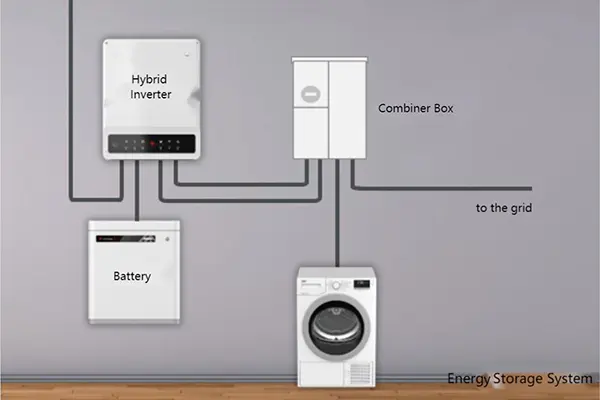
In-depth Interpretation of Home Energy Storage Inverter

In-depth Interpretation of Home Energy Storage Inverter (Part I)

Jul 07, 2023

Advantages and Disadvantages of Lithium batteries

Advantages and Disadvantages of Lithium Batteries in Grid Storage

Jul 07, 2023

Residential and Commercial Application Scenario of Energy Storage

Residential and Commercial Application Scenario of Energy Storage Lithium Ion Systems

Jul 07, 2023

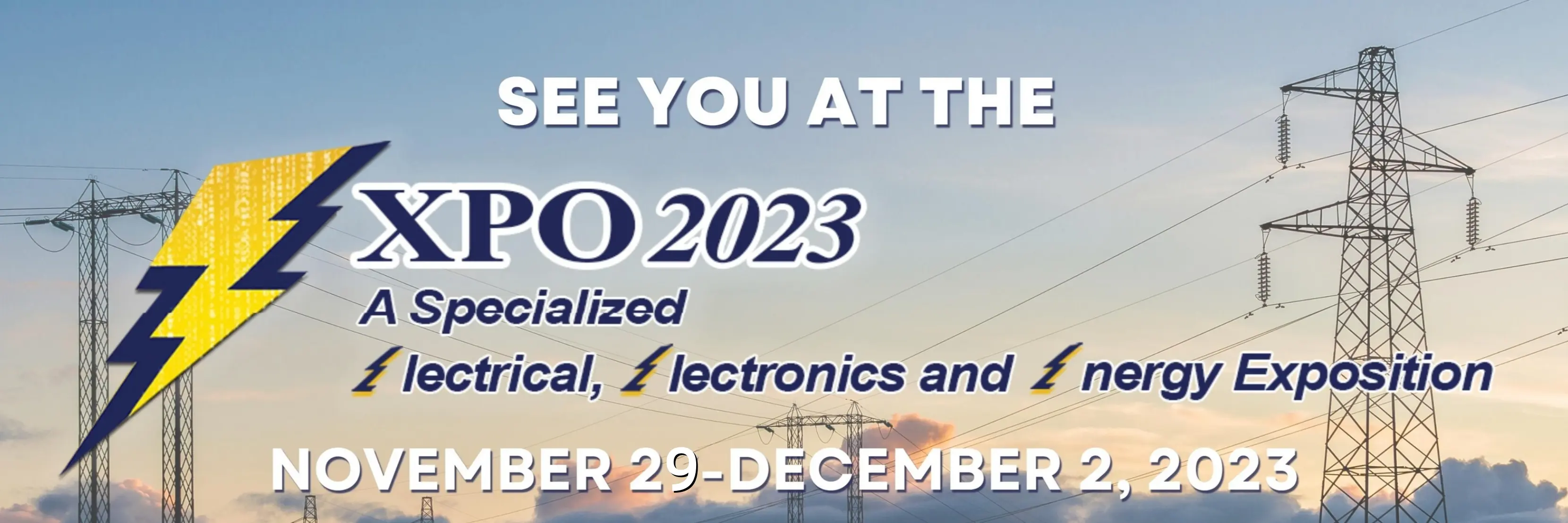
Invitation to 3E XPO 2023 in Manila

Invitation to 3E XPO 2023 in Manila, Philippines (Trade Expo Showcase)

Nov 26, 2023

Application Scenario of Photovoltaic Modules

Application Scenario of Photovoltaic Modules and Storage Integration

Nov 10, 2023

Technical Characteristics of Home Energy Storage Battery

Technical Characteristics of Home Energy Storage Battery and Commercial Inverters

Sep 15, 2023