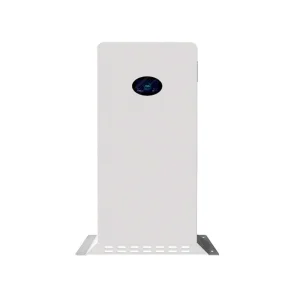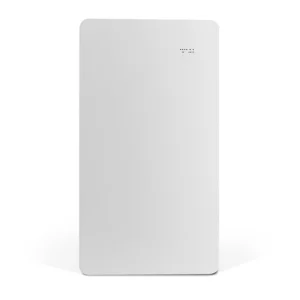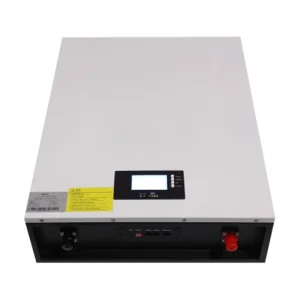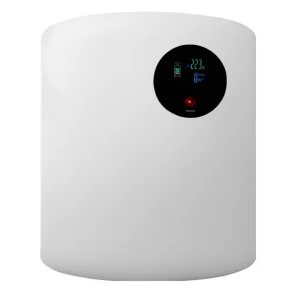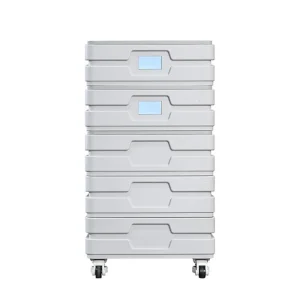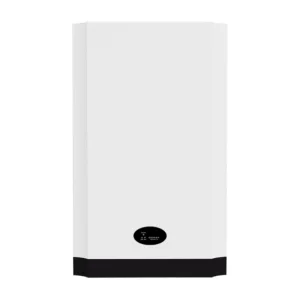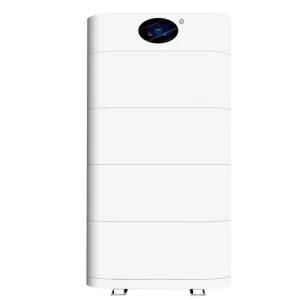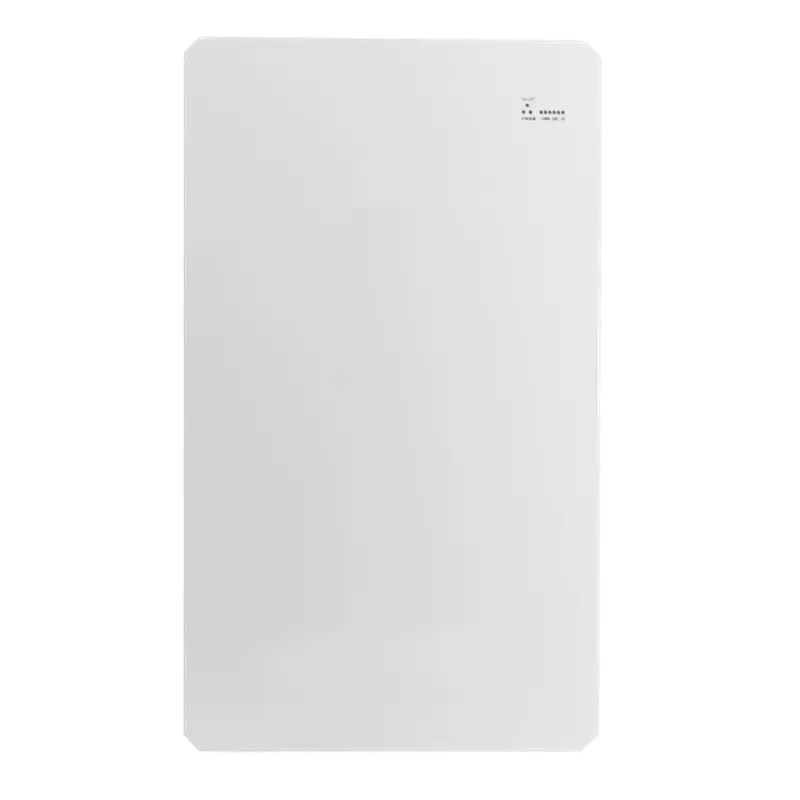
Established in 2019 and headquartered in the high-tech hub of Xiamen, China, Elemro Energy has established itself as an authoritative leader in modern energy storage and integrated electrical solutions. Backed by rigorous R&D processes, world-class production lines, and a global distribution network, Elemro Energy seamlessly unifies manufacturing and end-to-end sales to build resilient power infrastructure.
Our commitment to quality, technological advancement, and long-term customer partnerships has enabled us to serve over 250 enterprise customers across Europe, Southeast Asia, Africa, the Middle East, and the Americas. Elemro's dedication is reflected in our consistent growth, targeting a projected annual turnover exceeding 50 million USD. We operate with a primary mission: delivering safe, reliable, and financially viable battery systems that reduce operational expenses while minimizing carbon footprints.

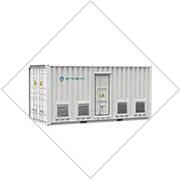
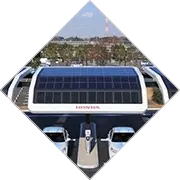
The global energy landscape is undergoing a structural shift. Escalating grid volatility, rising fossil fuel prices, and aggressive government climate initiatives have catalyzed the transition to decentralized energy systems. In both residential sectors and micro-factories, battery systems have evolved from simple backup generators into sophisticated components of local power distribution networks.
This transformation is marked by three primary shifts:
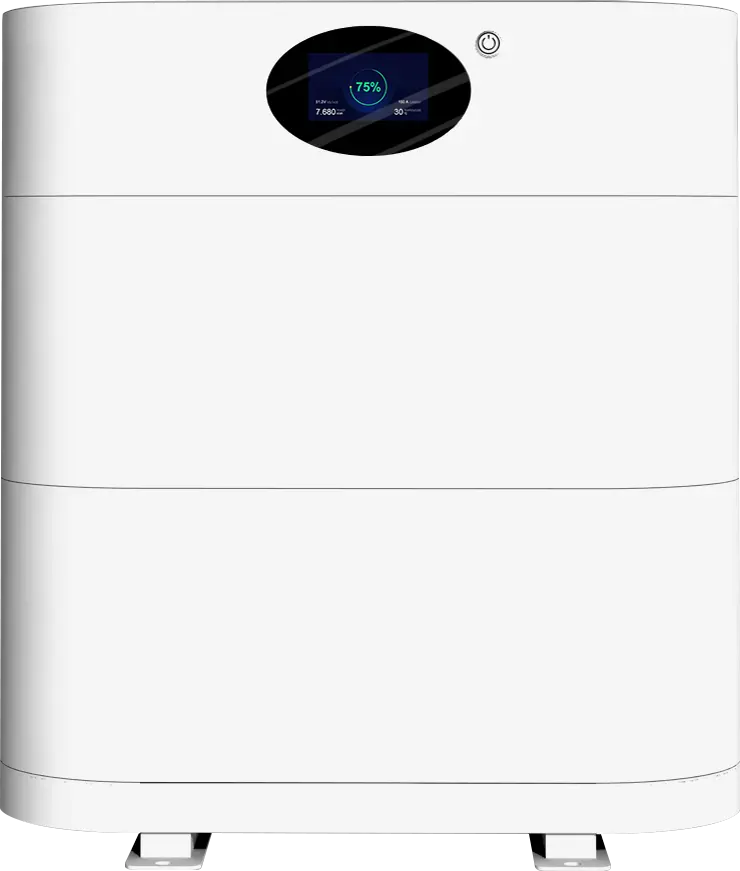
Homeowners and small manufacturers want to minimize reliance on the primary grid. By pairing on-site solar systems with advanced Lithium Iron Phosphate (LiFePO4) storage, operations can achieve up to 90% self-consumption. This insulates them from localized outages and peak-time utility tariffs.
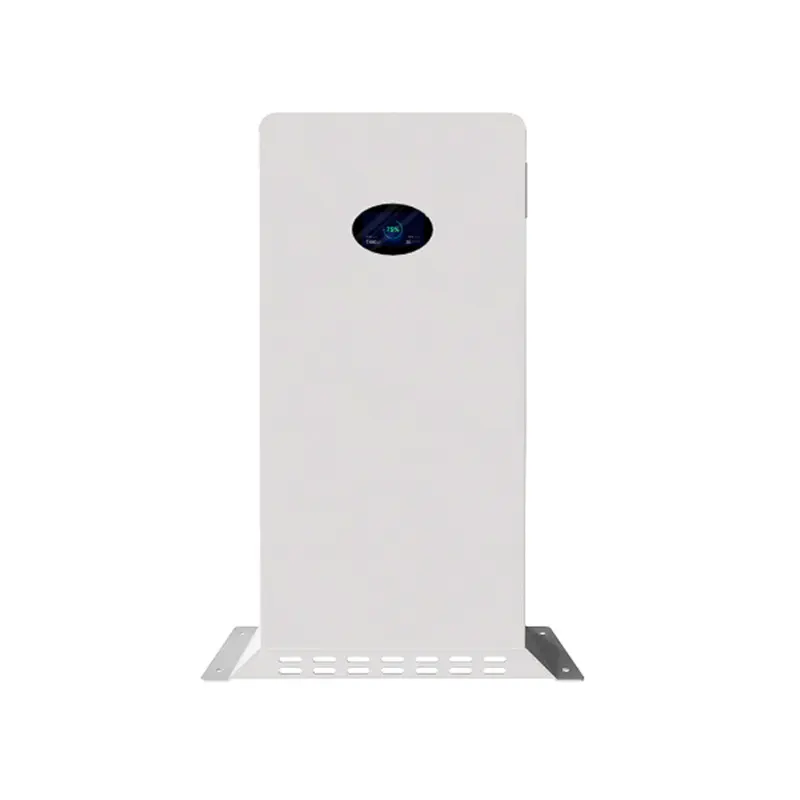
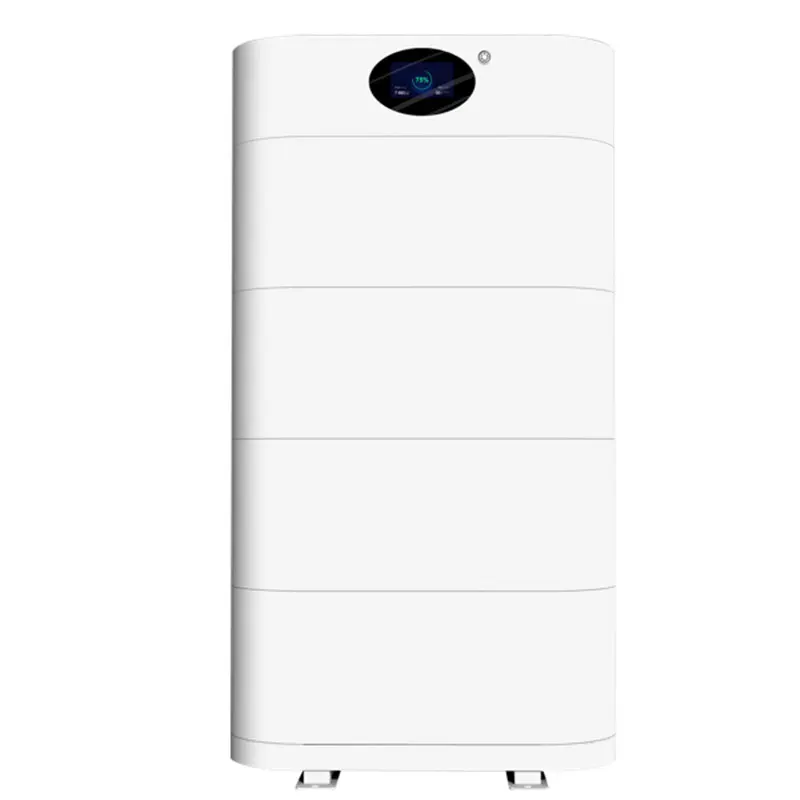
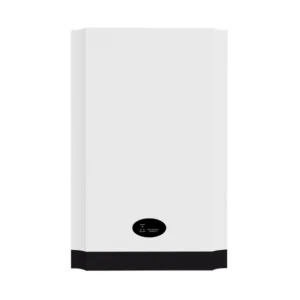
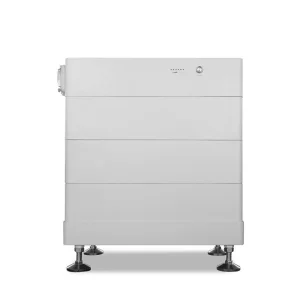
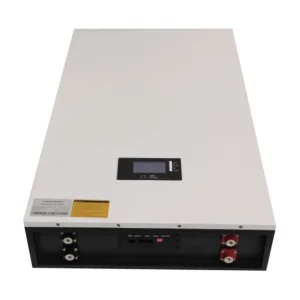
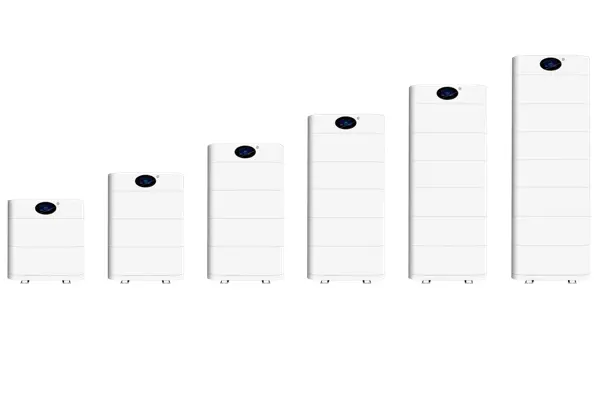
While low-voltage (48V) systems remain popular for small residential applications due to their safety profile, home factories and larger estates are adopting high-voltage stacked systems (ranging from 150V to 600V+). High-voltage configurations reduce transmission losses, cut down cabling thickness, and support larger load spikes from industrial machinery.
Smart energy management systems (EMS) allow localized batteries to coordinate across neighborhoods or industrial zones. These batteries can feed power back to the grid during peak demand, turning residential and commercial storage into revenue-generating assets.
Modern battery procurement requires evaluating the Levelized Cost of Storage (LCOS). This metric accounts for initial hardware cost, lifetime cycle count, depth of discharge (DoD), round-trip efficiency, and thermal management expenses over a 10-to-15-year period. ELEMRO's LiFePO4 cells are optimized to deliver a low LCOS, maintaining over 80% capacity after 6,000 cycles at 90% DoD.
Purchasing agents and project developers face complex regulatory and operational hurdles when sourcing energy storage equipment. To ensure long-term ROI and prevent project delays, procurement managers must evaluate several factors:
To address these demands, Elemro Energy provides comprehensive support throughout the sourcing cycle. Our engineers work closely with client engineering departments, providing full schematics, CAD layouts, and validation documentation to simplify local regulatory approvals.
A home factory—such as a small CNC workshop, boutique printing house, or specialized processing center—typically exhibits a unique demand profile. Unlike standard residences, these facilities experience high peak demand when machinery starts up. This can result in costly demand charges from utility companies.
To mitigate these costs, Elemro designs tailored macro energy solutions:
When heavy machines start up, the battery system discharges immediately to cover the initial demand spike. This keeps grid draw below thresholds set by the utility company, lowering monthly demand fees.
Smart EMS platforms configure the battery to charge from the grid during late-night hours when tariffs are lowest. The stored energy is then used during peak daytime hours, minimizing grid usage when rates are highest.
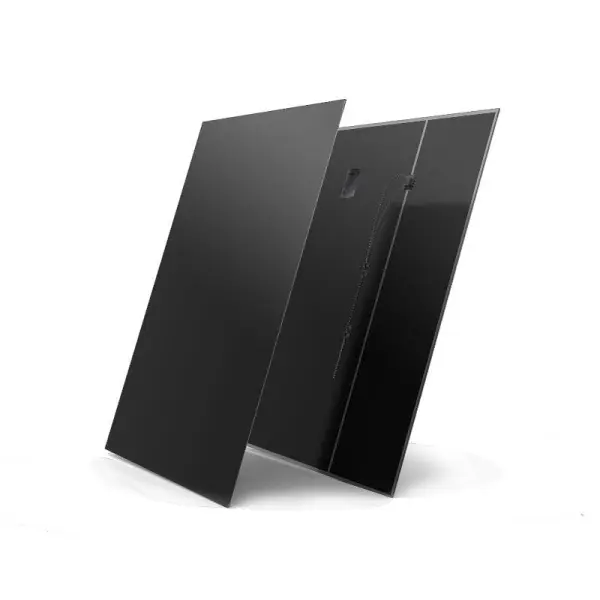
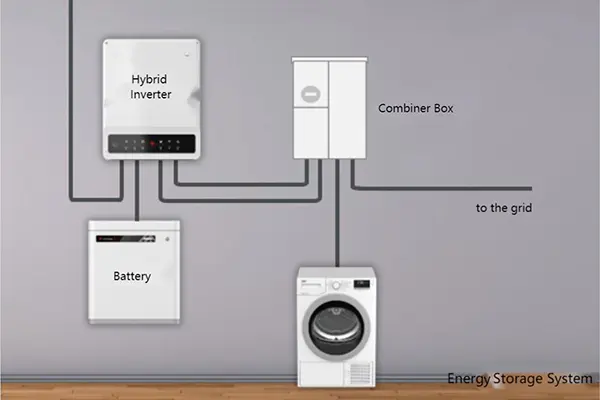
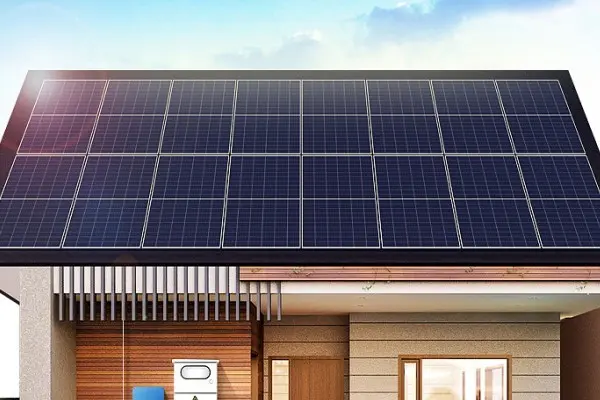
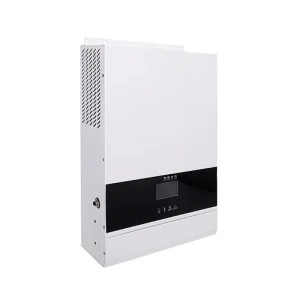
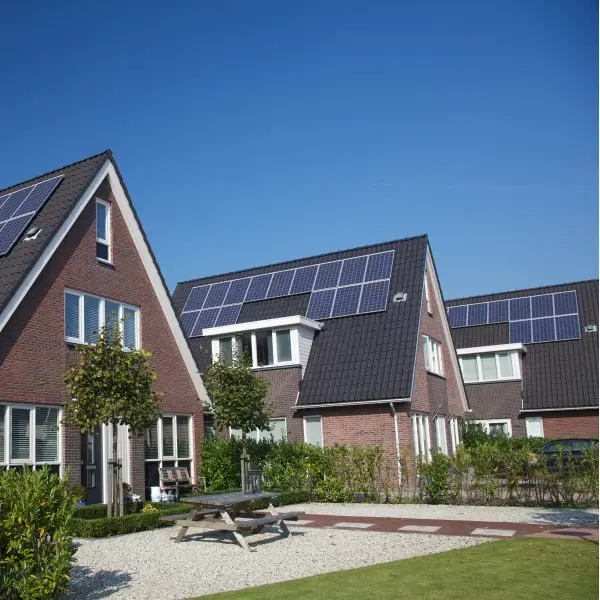
By combining BIPV (Building Integrated Photovoltaics) solar tiles, high-voltage battery storage, and smart hybrid inverters, a facility can function as an independent microgrid. This setup keeps the factory running during localized grid outages and ensures zero downtime.
Below is a typical configuration case study for a medium-scale home factory setup, contrasting a standard low-voltage option against a scalable high-voltage solution:
| Parameter | Low-Voltage System (48V) | High-Voltage Stacked System |
|---|---|---|
| Typical Application | Residential Backup & Solar Storage | Home Factories, C&I Workshops |
| Sizing Capacity Range | 5 kWh to 20 kWh | 30 kWh to 150 kWh+ |
| System Efficiency | ~88% to 91% | ~94% to 97% |
| Installation Time | Moderate (cabling intensive) | Fast (Modular Quick-Stack) |
The energy storage sector continues to advance rapidly. To help clients future-proof their investments, Elemro aligns its research and development initiatives with key technological trends:
Lithium Iron Phosphate (LiFePO4) & Sodium-Ion Chemistries: LFP remains the industry standard for stationary energy storage due to its chemical stability, long lifespan, and low risk of thermal runaway. Concurrently, Elemro is monitoring and testing Sodium-ion battery cells. These offer better performance in cold climates and use more abundant, cost-effective raw materials.
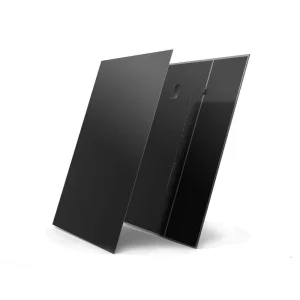
Building-Integrated Photovoltaics (BIPV): The integration of photovoltaic capabilities directly into building envelopes is a growing trend. Elemro's CdTe (Cadmium Telluride) thin-film solar cell modules are designed to replace traditional building materials. They generate clean energy even in low-light, shaded, or high-temperature conditions, offering design flexibility for modern factories and homes.
Advanced Battery Management Systems (BMS): Future systems will utilize cloud-based, AI-driven BMS platforms. These analyze cell degradation patterns in real time, predict maintenance needs, and optimize thermal performance, extending battery life by up to 25%.
Compliance is essential for stationary battery systems. Navigating the regulatory requirements of different jurisdictions is critical for project approval. Elemro designs and builds its energy storage products to meet global standards:
Required for entry into the European Economic Area. This ensures products meet stringent electromagnetic compatibility (EMC), low voltage directives, and general safety standards.
Aligned with UL 1973, UL 9540, and UN38.3 protocols to guarantee safe transport and installation of battery systems in North America.
We work with authorized installers and engineering networks globally to provide fast commissioning, troubleshooting, and warranty support.
Furthermore, our factory provides digital documentation packages, including Material Safety Data Sheets (MSDS), factory test reports, and electrical single-line diagrams. This comprehensive support helps simplify the local utility approval and permitting processes for installers.
Get in touch with our applications engineers to design your custom home or factory energy system. We provide full quotes and system layout specs within 24 hours.




 Elemro Energy