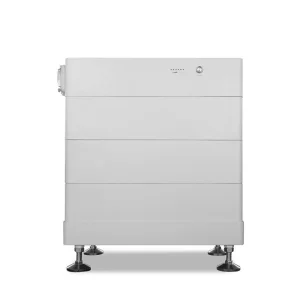
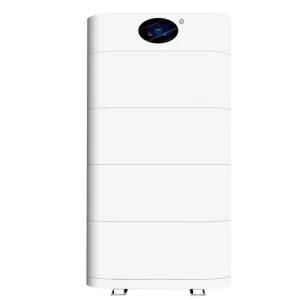
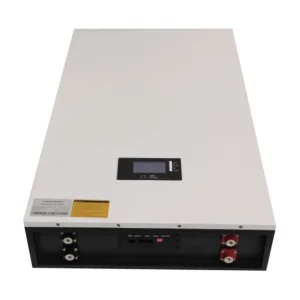
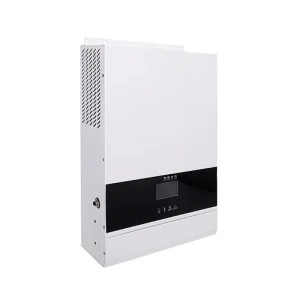
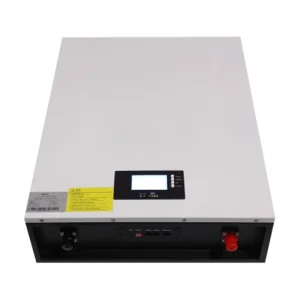
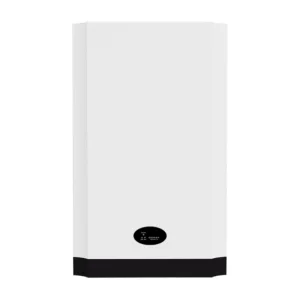
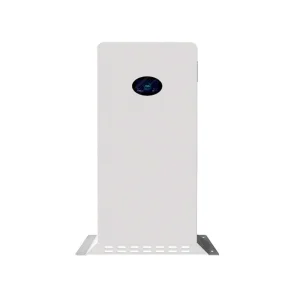
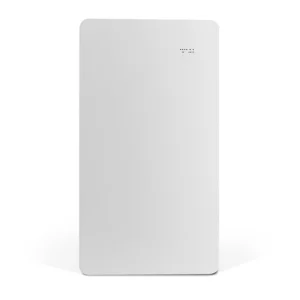
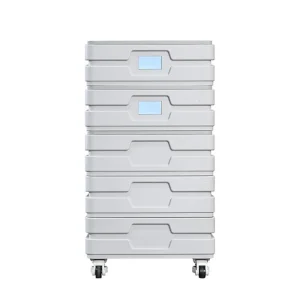
Deploy state-of-the-art energy storage units. Our selection includes stackable high-voltage systems, high-capacity residential packs, and specialized BIPV integration solutions designed to minimize carbon footprints.
The structural transformation of the world's energy grid is accelerating at an unprecedented pace. Traditional power plants are being replaced by intermittent renewable energy sources such as solar photovoltaics and wind turbines. This transition creates inherent challenges in grid balancing, stability, and power quality. Battery Energy Storage Solutions (BESS) represent the core infrastructure required to bridge the gap between volatile generation and dynamic load demands.
At a macro level, utility companies and commercial enterprises are utilizing BESS to implement peak shaving, energy arbitrage, and frequency regulation. According to global energy transition roadmaps, localized decentralized storage decreases the levelized cost of energy (LCOE) by retaining excess generation during low-demand periods and releasing it back to the grid during peak loads. Utilizing scalable LiFePO4 technologies, contemporary factories are producing systems that secure energy independence while optimizing resource utilization across high-demand distribution networks.
Smart integration connects residential and commercial units directly to virtual power plants (VPPs). By deploying high-voltage stacked systems, operators can respond to localized grid fluctuations in under 5 milliseconds, stabilizing active voltages without dispatching fossil-fueled peaking units.
Industrial facilities face heavy financial penalties due to peak demand spikes. Modern C&I energy storage architectures mitigate these charges through real-time load shifting, protecting complex machinery from grid-based voltage sags and harmonic distortion.
Mitigates maximum peak demands registered with local distribution utilities. By dynamically discharging the battery storage bank during peak operations, facilities keep demand profiles flat, reducing commercial grid demand charges by up to 40%.
Pairs photovoltaic arrays with high-capacity lithium iron phosphate cell blocks. By storing excess solar generation inside integrated LFP containers, commercial spaces utilize clean power during non-sunlight hours, achieving continuous zero-emission operation.
Ensures complete islanding capabilities for factories, remote telecom base stations, and healthcare complexes. In the event of primary distribution grid failure, the battery management system transitions within milliseconds to independent microgrid operation.
Established in 2019, and headquartered in Xiamen, China, ELEMRO Energy has specialized in developing and manufacturing advanced energy storage systems and high-voltage electrical distribution solutions. By integrating state-of-the-art Research & Development with high-precision manufacturing, we provide highly robust energy hardware optimized for reliability and long cycle lifespans.
Our comprehensive solutions are deployed globally, supporting over 250 diverse customers across Europe, Southeast Asia, Africa, the Middle East, and the Americas. The rapid expansion of our manufacturing capabilities has driven consistent double-digit revenue growth. ELEMRO’s annual turnover is expected to exceed 50 million USD, demonstrating the global adoption of our industrial-grade storage systems.
Enables seamless field expansion without re-engineering system configurations. Batteries can be added in series or parallel as facility demand scales.
Maintains individual cell temperature, state of charge (SoC), and state of health (SoH) metrics, ensuring long-term thermal safety and maximum efficiency.
Engineered to meet international interconnection standards, ensuring rapid permitting and simplified integration with local utilities.
We provide cleaner energy for a greener world. By combining advanced battery hardware with specialized generation and distribution systems, we deliver end-to-end clean energy architectures.

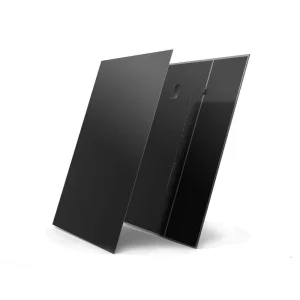
Photovoltaic glass engineered for Building Integrated Photovoltaics (BIPV). Transform commercial facades and windows into active clean power generators.
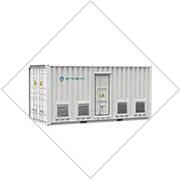
Mega-watt scale liquid or air-cooled containerized enclosures configured for utility grids, microgrid installations, and high-capacity industrial projects.
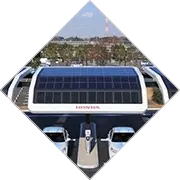
Intelligent steel structures incorporating high-efficiency PV modules to protect fleets while generating clean energy directly integrated into storage systems.
Deploying battery energy storage systems globally requires strict compliance with diverse regional standards and utility requirements. Without appropriate certifications, localized BESS deployment can face grid connection delays or insurance issues.
Our factory ensures that all high-voltage and low-voltage battery banks are rigorously evaluated for thermal stability and grid compliance. We design systems to align with the primary regulatory frameworks of each target market, facilitating seamless installations and reliable operations under complex grid dynamics.
Each battery cell integrated into our home energy storage or modular container projects undergoes strict quality control. Automated factory line processes ensure comprehensive logging of each cell's voltage characteristics, internal resistance, and chemical consistency.
Safe Transport Certification
Safety Requirements for Industrial
Our R&D efforts focus on long-term safety, elevated cycle lifespans, and reduced environmental footprints. The future of energy storage is defined by solid-state chemistry improvements and highly intelligent cloud-managed battery ecosystems.
We are developing sodium-ion chemistry platforms alongside our premium LFP products. Sodium-ion is designed to deliver stable operating performance at low temperatures (-30°C) and reduce reliance on critical raw materials.
Future systems will incorporate direct cloud-connected IoT interfaces. These systems analyze operating patterns in real-time, predicting degradation paths and thermal variations before they affect system efficiency.
Transitioning high-density container units to liquid-cooling configurations helps maintain internal temperature deviations within 3°C. This advancement extends overall cell life expectancy by an estimated 20%.
Request detailed technical specifications, project layout consultations, or request bulk factory pricing for your upcoming commercial energy deployment.
Read in-depth articles prepared by our engineering team covering energy storage inverter operations, lithium technology comparative analyses, and international exhibition reports.
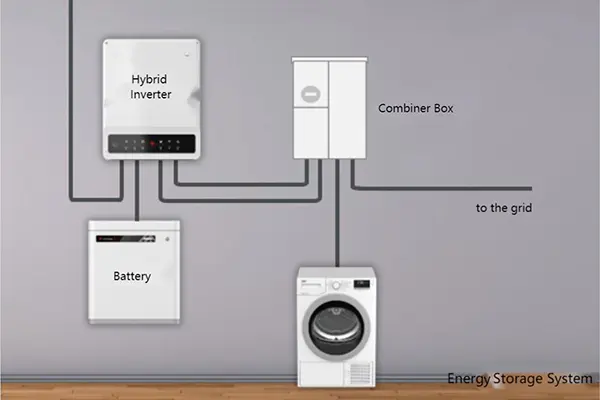
An analysis of hybrid energy inverters, highlighting differences between DC-coupled and AC-coupled configurations in residential battery backups.
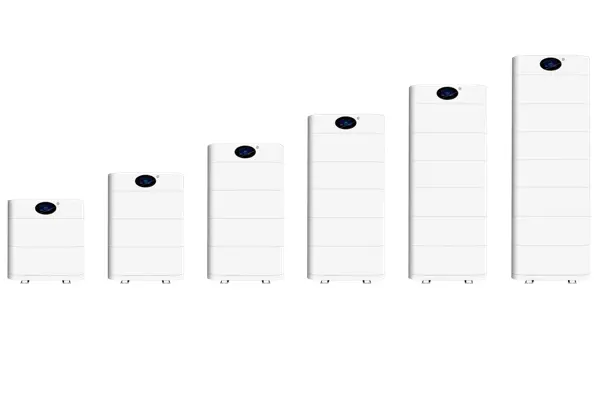
A detailed comparison of LFP, NMC, and LTO chemistries, focusing on thermal stability, lifetime degradation, and environmental considerations.
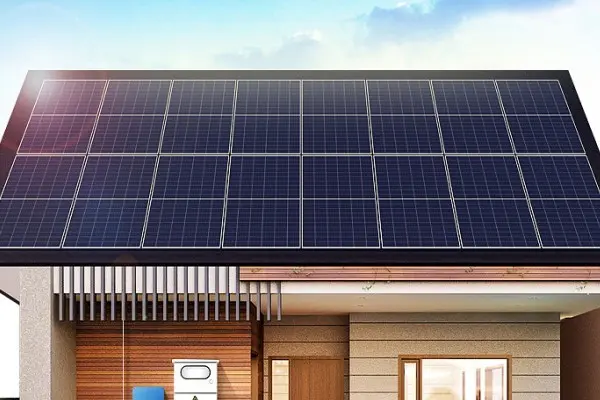
Evaluating real-world performance metrics of grid-connected versus off-grid lithium installations under industrial workloads.
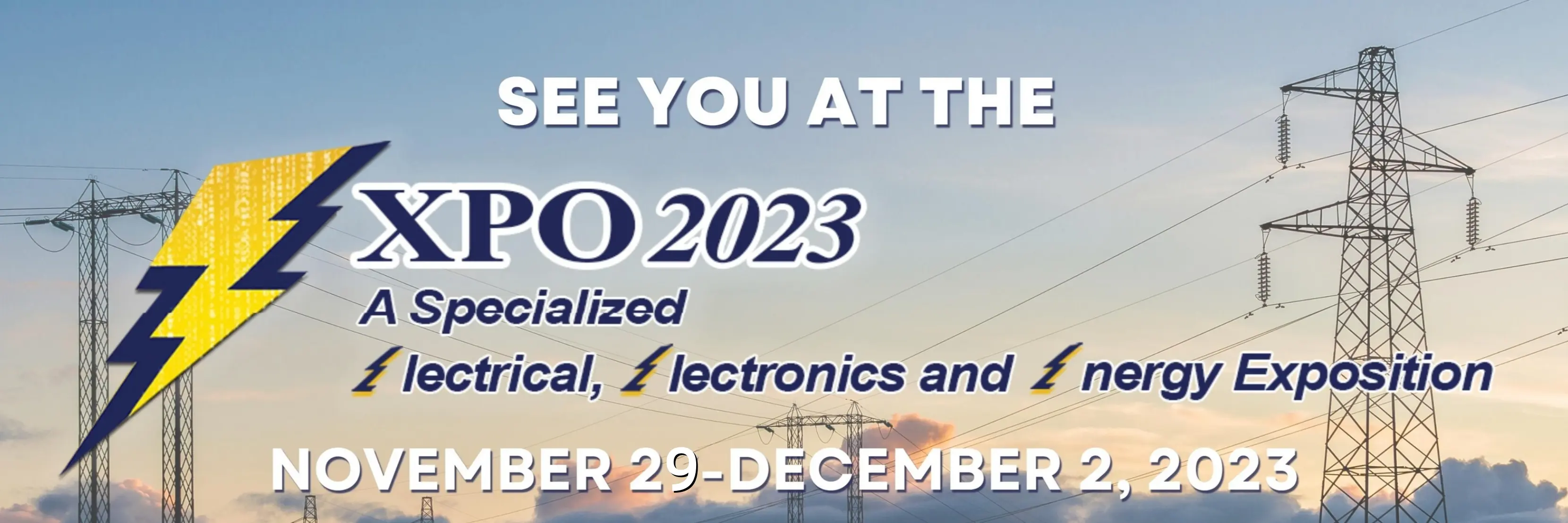
ELEMRO showcases its modular battery architecture and high-voltage stacked ESS systems at the premier sustainable energy event in Southeast Asia.
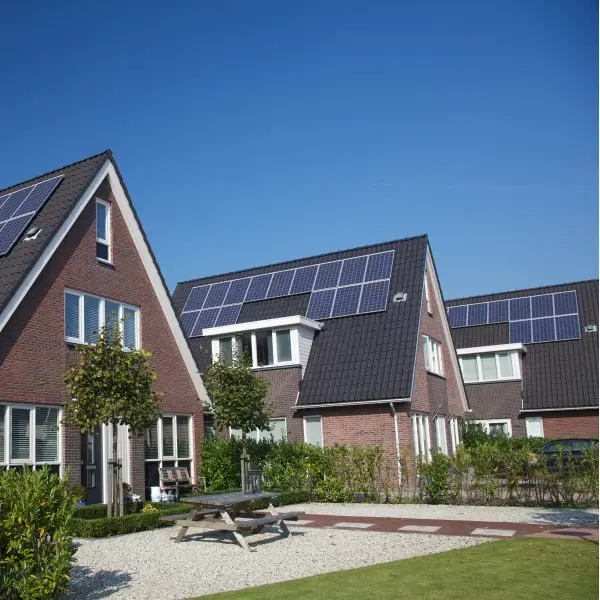
Analyzing the deployment of high-voltage PV panels in complex urban areas and integrated building architectures.
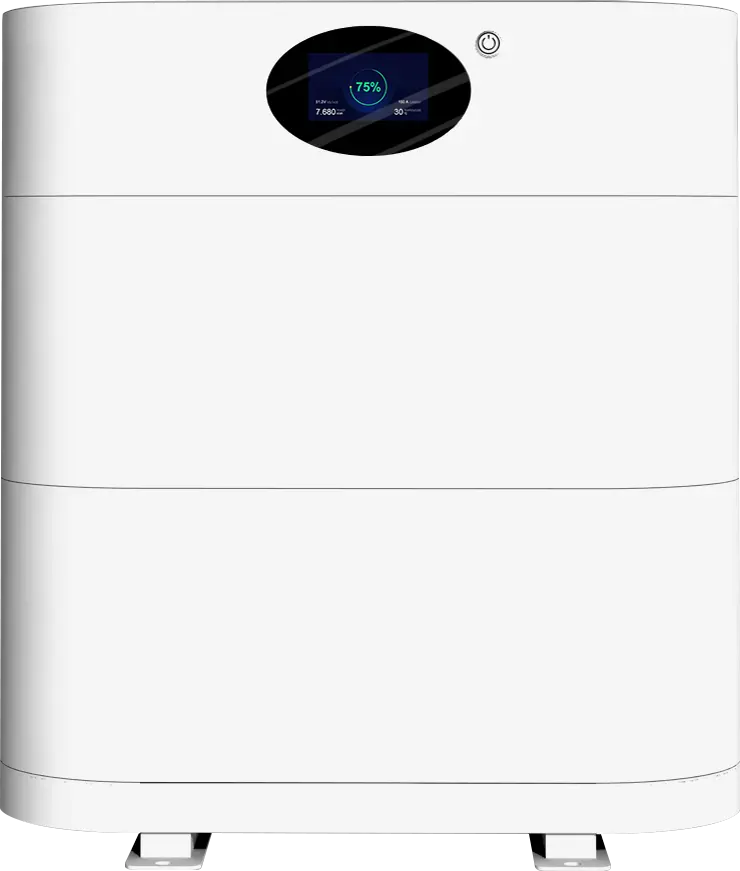
Evaluating voltage architectures, cycling capacities, and localized safety parameters in modern home-oriented battery blocks.
Get authoritative answers to key technical questions about lithium iron phosphate (LiFePO4) energy systems, scaling parameters, and safety features.
Lithium Iron Phosphate (LFP) chemistry offers excellent safety, thermal stability, and long cycle life. Unlike NMC (Nickel Manganese Cobalt) chemistries, LFP has a higher thermal runaway threshold and releases less heat under internal short-circuit events, making it highly reliable for commercial, utility-scale, and home installations.
High-voltage stacked systems (typically 200V–800V DC) are designed to minimize line transmission losses and match the DC input parameters of industrial hybrid inverters. They are highly efficient for larger loads. Low-voltage home battery solutions (typically 48V–51.2V DC) are simpler to scale locally, present lower installation safety risks, and are well-suited for residential applications under 20kW load requirements.
An EMS serves as the brain of utility-scale storage. It monitors real-time market pricing, grid frequency variations, and onsite consumption patterns. The system automatically switches operation modes to maximize profits—charging the battery when electricity prices are low (or when solar generation peaks) and discharging during high price periods.
ELEMRO systems are engineered for long lifespans, supporting over 6,000 charge cycles at 80% Depth of Discharge (DoD) before reaching 80% of original capacity. Under standard thermal management conditions, this cycle life corresponds to an operational lifespan of 12 to 15 years.
Explore our high-voltage battery modules, wall-mounted residential energy storage systems, and advanced power management devices engineered for long-term reliability.




 Elemro Energy