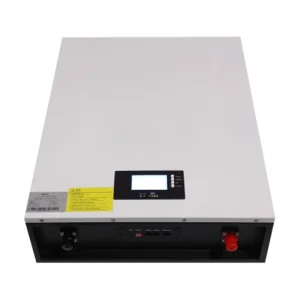
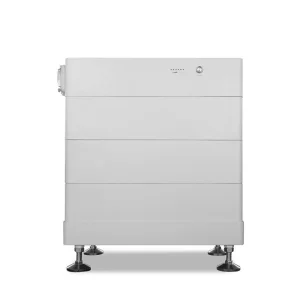
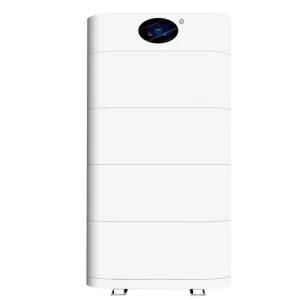
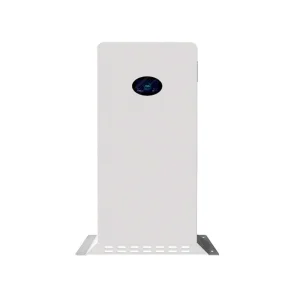
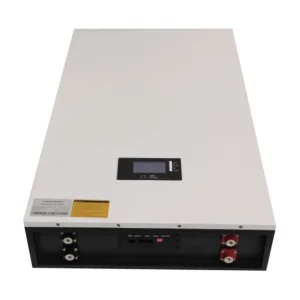
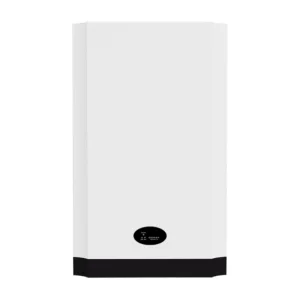
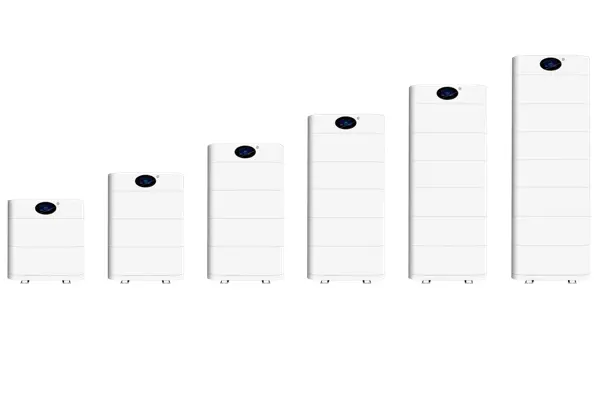
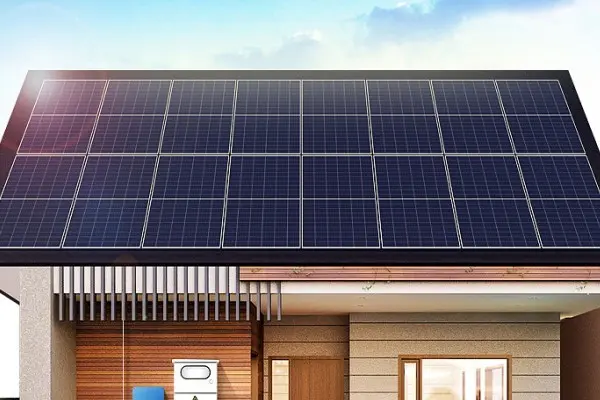
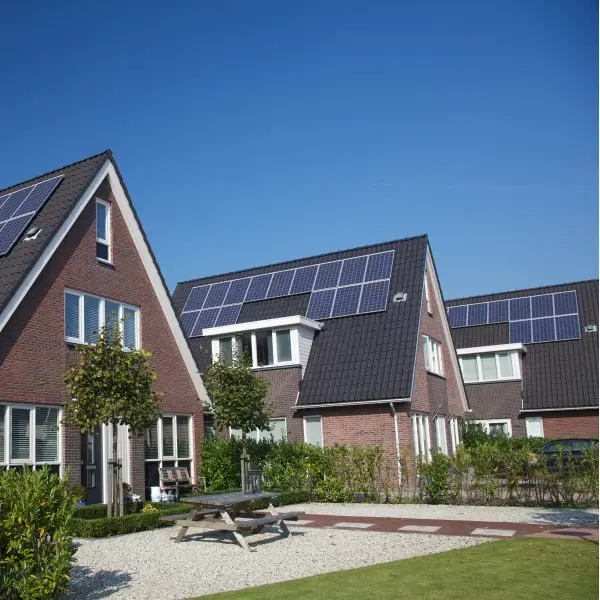
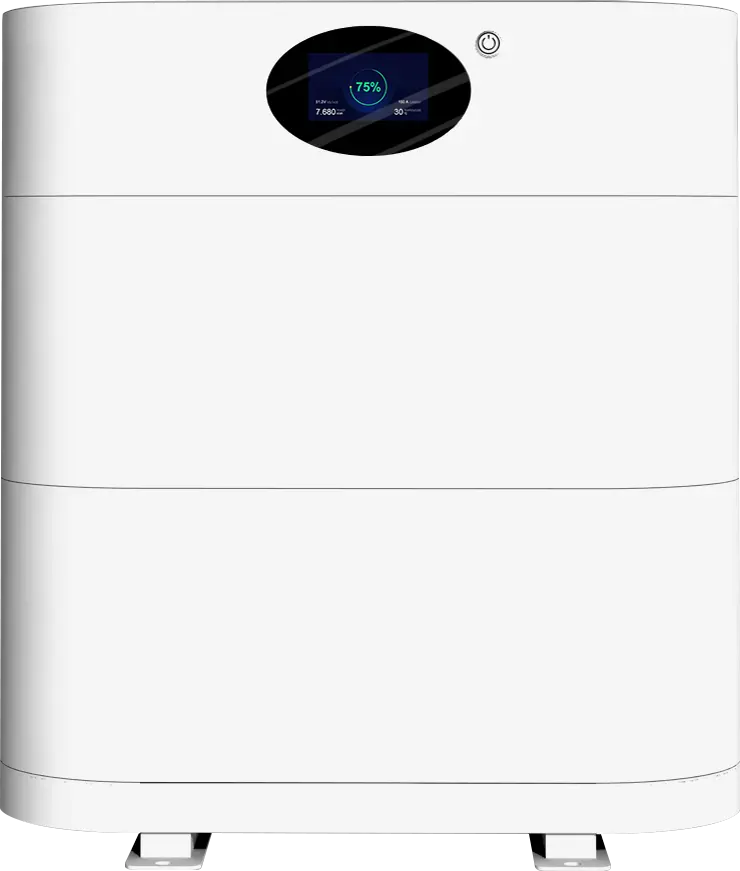
Explore our leading utility and domestic system architectures engineered to ensure optimal round-trip efficiency and rapid return on investment.
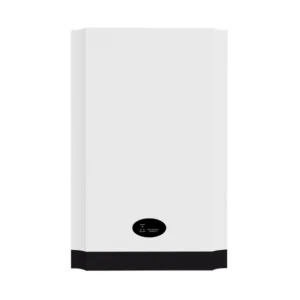
As the global energy landscape undergoes a paradigm shift toward high-penetration renewable networks, grid stability, dispatchability, and localized resilience have emerged as structural priorities. At the center of this transition is the utility-grade battery energy storage system (BESS). Traditionally, DC-coupled topologies dominated initial solar-plus-storage projects. However, the operational constraints of DC-coupling—principally localized single-point system limitations, complex retrofitting procedures, and challenges in multi-inverter frequency stabilization—have facilitated the growth of AC-coupled architectures.
This whitepaper analyzes the engineering logic, production realities, and global sourcing strategies governing high-quality AC-coupled solar batteries. Developed in accordance with IEEE standards, global grid regulations, and long-term utility-grade reliability considerations, this analysis serves as a comprehensive manual for utility planners, procurement specialists, and commercial project installers seeking to optimize their investment profiles.
Definition Focus: AC coupling refers to an architecture where solar photovoltaic modules and energy storage battery arrays are integrated through separate inverter systems connected at the alternating current (AC) side of the installation. This configuration allows complete independence of the generation source and storage medium, creating exceptional modular flexibility and operational redundancy.
To understand the global preference for AC-coupled configurations in mature renewable markets (such as Western Europe, North America, and parts of the Asia-Pacific), it is necessary to examine the physical routing of electricity. In a typical DC-coupled layout, the PV array and battery system utilize the same hybrid inverter. While this reduces conversion steps during instantaneous generation and storage, it introduces several single-points-of-failure. If the central hybrid inverter experiences thermal shutoff or logic fault, the entire system loses generation and discharge capacity simultaneously.
Conversely, AC-coupled systems run parallel generation tracks. Photovoltaic power is inverted directly from DC to AC, and when storage charging is required, an AC-to-DC bi-directional converter handles storage routing. This approach delivers several performance advantages:
Established in 2019 and headquartered in the high-tech hub of Xiamen, China, Elemro Energy has grown into a market leader in the new energy storage and electrical product solutions segment. Integrating core research and development (R&D), advanced smart-factory production, and international logistics, Elemro delivers scalable energy architectures to partners worldwide.
Our operational presence covers over 250 industrial, commercial, and residential clients across Europe, Southeast Asia, Africa, the Middle East, and the Americas. Since our founding, we have recorded rapid growth year-over-year. In 2023, ELEMRO's annual turnover reached and exceeded the target of 50 million USD, marking a significant milestone in our market-share expansion and engineering capability delivery.
We are dedicated to building robust electrical solutions that balance grid compliance with high round-trip efficiencies, providing clean, dependable power for a greener world.

Building integrated materials designed for modern green infrastructure.
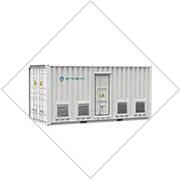
Megawatt-scale containerized systems for utility grids and large industrial applications.
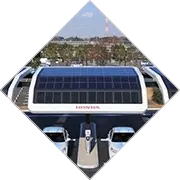
Structural photovoltaic systems combining shelter with clean energy collection.
Understanding where the global storage sector is headed requires examining macro-level policy shifts. Renewable integration frameworks across the globe (such as the Clean Energy Package in Europe and state-level storage mandates in the US) are increasingly penalizing unmanaged grid feedback. Grids need active ancillary support, leading to a surge in demand for AC-coupled topologies that can deliver primary and secondary frequency response, synthetic inertia, and reactive power control.
Another notable development is the growth of Virtual Power Plants (VPPs). Developers aggregate thousands of decentralized residential and commercial AC-coupled units to bid on energy markets and stabilize local distribution systems. In these configurations, response times must be under 100 milliseconds—a threshold that demands highly advanced, responsive battery management architectures (BMS) with high-speed CAN or Modbus communication buses.
Industrial and commercial enterprise procurement departments are shifting focus from simple Levelized Cost of Energy (LCOE) calculations to Levelized Cost of Storage (LCOS) metrics. Evaluating an OEM or factory partner involves several considerations:
Procuring lithium iron phosphate (LiFePO4) chemistry is critical for modern projects. Compared to NCM chemistries, LiFePO4 cells are inherently stable under high-temperature anomalies and offer up to 6,000 to 8,000 cycles at 80% Depth of Discharge (DOD).
Modern systems require UL 9540A unit-level thermal runaway testing compliance. Procurement departments must inspect documentation for localized suppression systems, aerosol gas sensors, and containment pressure reliefs.
High-efficiency balancing circuits (active balancing rather than passive resistors) are crucial. Active cell balancing optimizes life expectancy, preventing premature capacity degradation of the weakest cells in series.
Designing an AC-coupled storage facility requires integrating the battery system, a battery management system (BMS), a bidirectional inverter (PCS - Power Conversion System), and an Energy Management System (EMS). In an Elemro system, these modules communicate over high-speed networks to regulate performance:
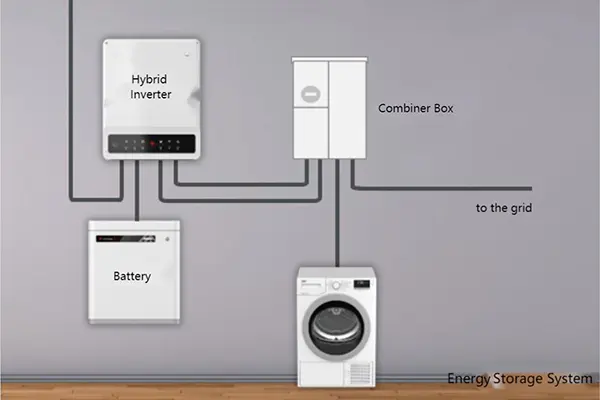
For example, when a factory's solar panels generate surplus energy, the EMS detects export power at the main utility meter. Rather than feeding energy to the grid at low feed-in tariffs, the EMS instructs the PCS to draw AC power from the main bus and charge the lithium storage system. This conversion process is illustrated below:
This topology ensures that even if the PV inverter goes offline, the storage system can continue to run via the battery-based PCS, supplying backup power to critical loads during grid anomalies.
The next phase of storage technology will involve high-voltage stacked setups. By linking batteries in series, the nominal system voltage is raised to 400V, 800V, or even 1500V. This reduction in current minimizes cable losses, simplifies wiring, and increases round-trip conversion efficiency.
At the same time, next-generation solid-state materials are moving from laboratories to early-stage industrial production, promising higher energy densities. For the foreseeable future, however, advanced LiFePO4 cells remain the preferred choice for commercial projects due to their safety profiles, cycle life, and cost-efficiency.
Connect with our applications engineering team. We supply tailored system sizing reports, dynamic layout configurations, and volume procurement pricing estimates within 24 hours.
Deploying battery systems in different markets requires strict adherence to various regulatory frameworks. Grid code compliance guarantees that systems operate safely and harmoniously with the local grid:
To ensure smooth deployment, Elemro works closely with local engineering teams, supplying comprehensive documentation and commissioning support across all regions.
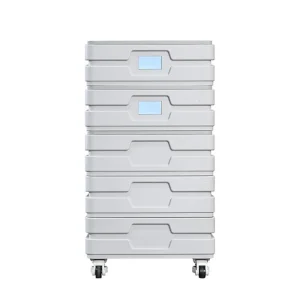
A comprehensive overview of our residential, commercial, and backup storage products designed for international markets.
Stay informed with our engineering analyses, standard evaluations, and announcements from global exhibitions.





 Elemro Energy