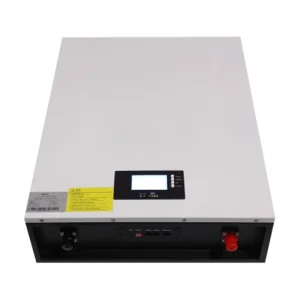
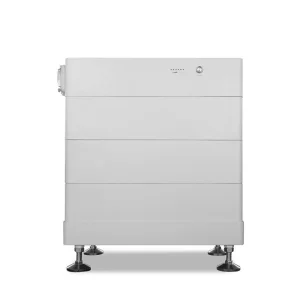
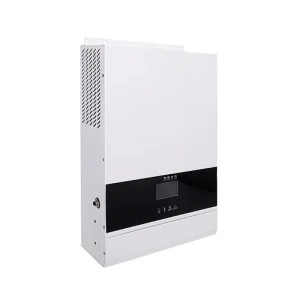
Browse our verified range of top-tier energy storage solutions deployed in residential microgrids and light industrial applications globally.
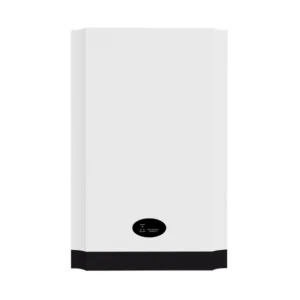
A macroeconomic analysis of decentralized energy systems, battery safety benchmarks, and localized technology roadmaps.
The energy transition is shifting away from centralized utility architectures to distributed, localized energy models. In this microgrid ecosystem, the 5kWh battery storage unit has emerged as the global baseline module. Its capacity provides a perfect balance between engineering cost, space limitations, and modular power delivery.
Historically, residential systems relied on lead-acid arrays that required massive space, suffered from low depth-of-discharge limits, and presented environmental hazards. The transition to Lithium Iron Phosphate (LiFePO4) chemistry at the 5kWh format (specifically 48V 100Ah configuration) has revolutionized residential grid support, peak-shaving mechanics, and emergency backup resilience.
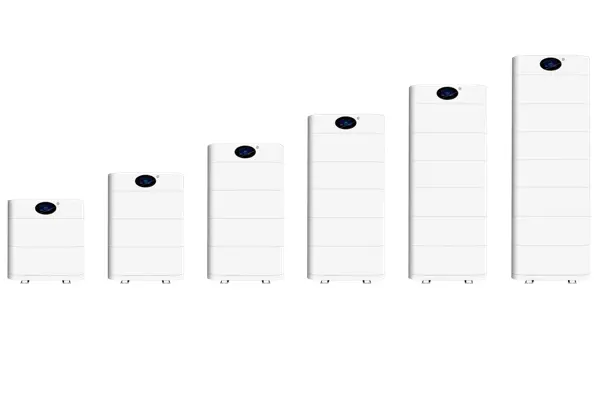
In Europe, North America, and parts of Asia-Pacific, energy policy and rising grid tariffs are forcing commercial enterprises and residential owners to look for modular sizing solutions. A single 5kWh unit is sufficient to sustain critical infrastructure—such as IoT sensors, servers, home medical equipment, and security systems—through prolonged outages. Furthermore, its modularity permits scalability: systems can easily expand to 10kWh, 15kWh, or 20kWh via parallel connections, adapting to growing load demands.
Designing an exceptionally reliable 5kWh battery storage system requires deep integration of chemical, thermal, and electronic systems. High-quality factories adhere to stringent engineering boundaries to ensure a lifespan of over 6,000 cycles at 80% to 90% Depth of Discharge (DoD).
Below is a technical comparison of standard 5kWh storage components vs. legacy options:
| Parameter | Premium LiFePO4 (LFP) 5kWh Pack | Traditional NMC Storage Pack | Standard Lead-Acid Array |
|---|---|---|---|
| Nominal Voltage | 51.2V (16S Configuration) | 48V (13S or 14S) | 48V (4x 12V Batteries) |
| Cycle Life (80% DoD) | > 6,000 Cycles | > 2,500 Cycles | > 500 Cycles |
| Thermal Runaway Temp | 270°C (Highly Stable) | 150°C (High Risk) | N/A (Hydrogen Gas Risk) |
| BMS Protection level | Active Balancing & Multi-Tier Monitoring | Basic Passive Balancing | None (Manual Maintenance Required) |
| Round-Trip Efficiency | > 95% | > 90% | ~ 75% |
Depending on regional economic variables, environmental parameters, and grid stability, the implementation of a 5kWh battery storage unit varies significantly:
We provide cleaner energy for a greener world through integrated hardware solutions.
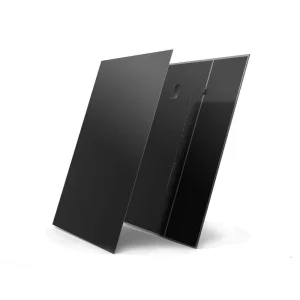
Specially engineered photovoltaic glass elements optimized for solar radiation capture and building structural integration.
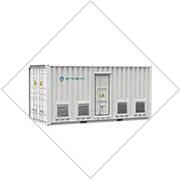
Commercial-scale containers designed for high-capacity battery installation, thermal regulation, and structural safety.
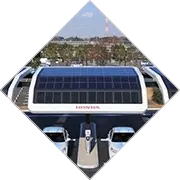
Eco-friendly structural canopies designed to shelter vehicles while generating high-density green electrical energy.
Established in 2019, headquartered in Xiamen, China, Elemro Energy has been specialized in new energy storage and electrical product solutions with rich experience. It is the market leader in the new energy industry that unifies R&D, production, and sales. The products have been sold to more than 250 customers in Europe, Southeast Asia, Africa, Mid-east, America, etc.
Since its establishment, ELEMRO’s revenue has been growing rapidly every year. ELEMRO’s annual turnover is expected to exceed 50 millions USD in year 2023. Our rapid rise is built upon deep technical understanding, stringent quality management, and transparent product design frameworks.
Deploying next-generation energy infrastructure across 50+ countries worldwide.
For system integrators, understanding the quality controls utilized within a 5kWh battery storage factory is critical. A high-quality production line requires advanced automation and end-to-end traceablity protocols:
The technology landscape for modular home storage systems is rapidly evolving. When planning infrastructure deployments over the next decade, designers should look for systems structured around these major technological trends:
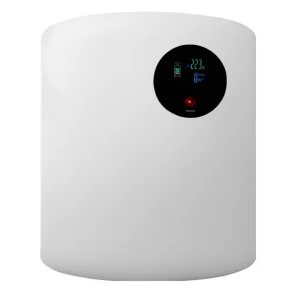
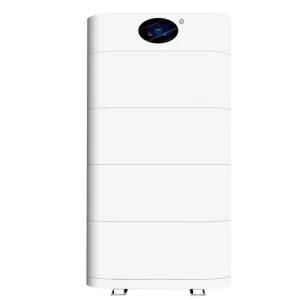
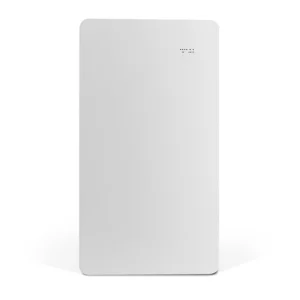
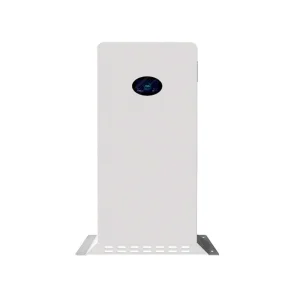
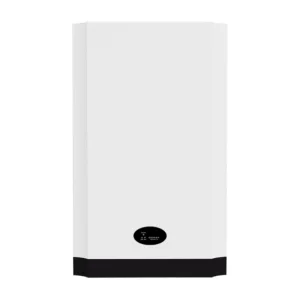
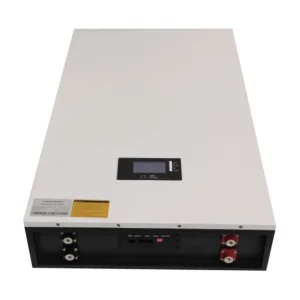
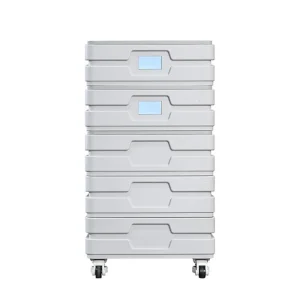
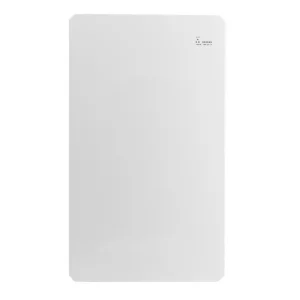
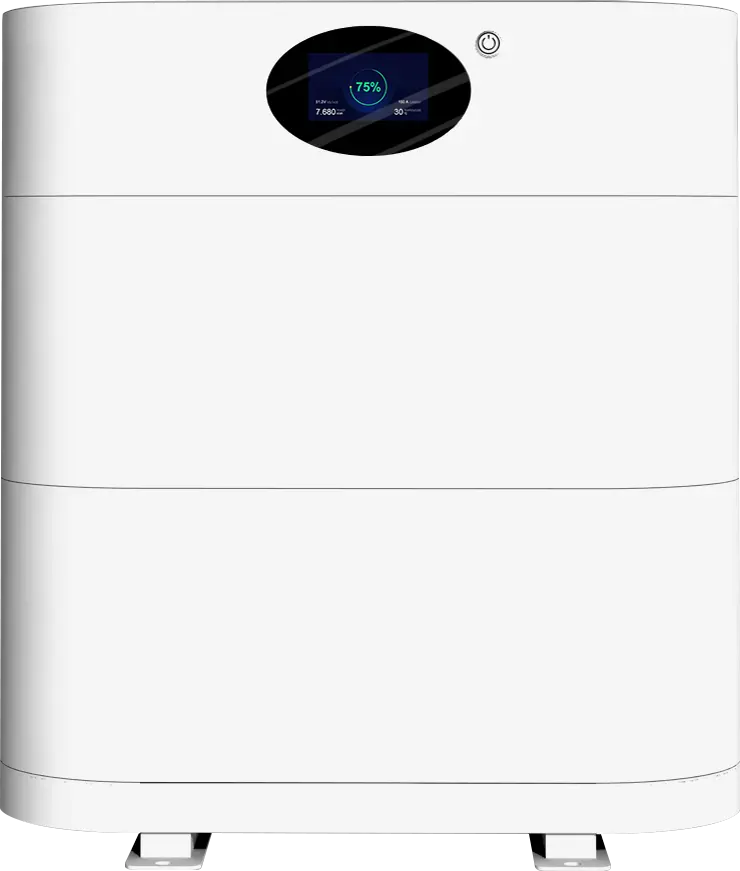
Explore our specialized range, including core wall-mounted 5kWh house batteries, high-voltage stacked modules, and thin-film solar components.
Technical guidance addressing installation, safety certifications, structural expansion, and performance parameters.
Keep up-to-date with our detailed research, exhibition reviews, and engineering articles.




Contact our system engineering team for high-volume pricing, technical data sheets, and custom active balancing BMS diagrams.
 Elemro Energy