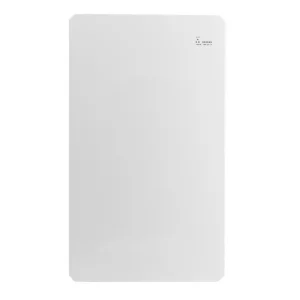
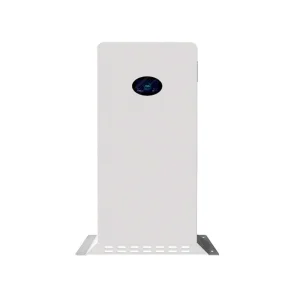
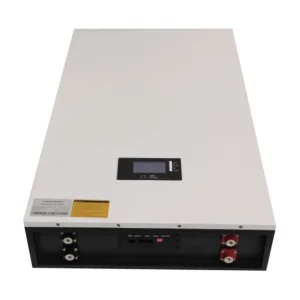
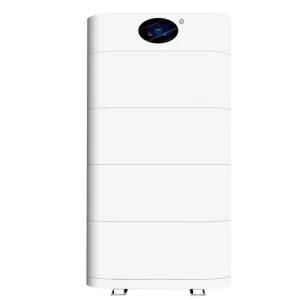
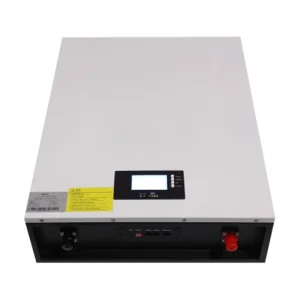
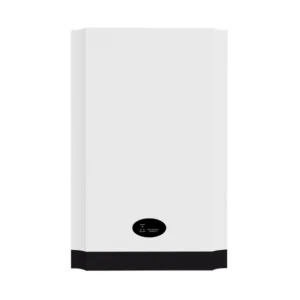
High-Quality 50 Kwh Battery Storage Factory & Products

Pioneering Commercial & Industrial BESS Technology with High-Voltage LFP Stackable Solutions for Next-Gen Energy Independence.

Power A Green Future

Deploying robust, clean-energy infrastructure that scales from commercial complexes to utility microgrids.

Solar Glass

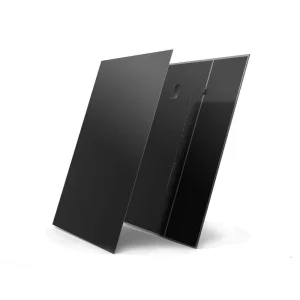
Solar Glass Integration

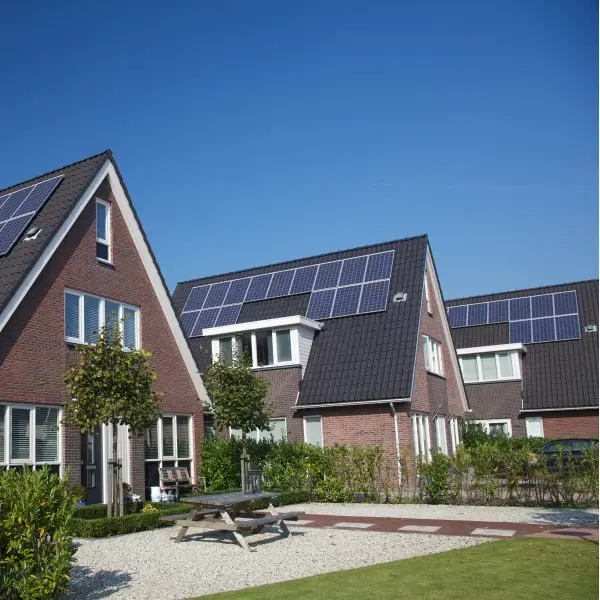
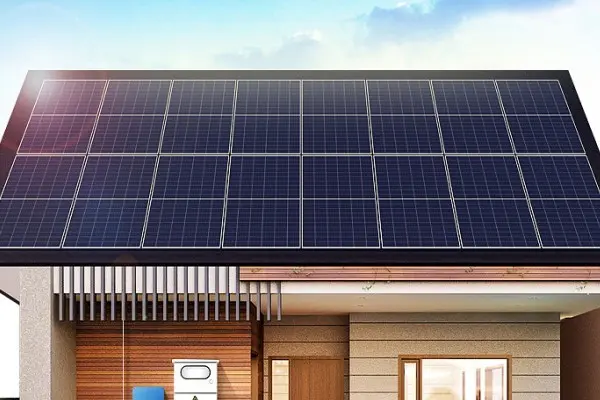
Seamlessly blending photovoltaic capabilities into architecture. Ideal for BIPV building envelopes that require load buffering by 50 kWh local energy storage units.

Energy Storage Container

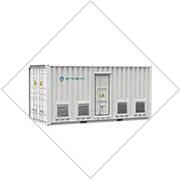
Energy Storage Container

Large-scale modular containers housing integrated battery arrays, multi-level BMS, and HVAC thermal management designed to stabilize industrial feeders.

Car Port Solar Power

Car Port Solar Power

Empowering local distribution grids with smart solar canopies. Combines CdTe solar glass elements with energy storage to deliver localized EV supercharging.

The Strategic Role of 50 kWh Battery Storage in Modern Decarbonization

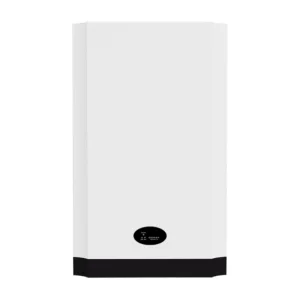
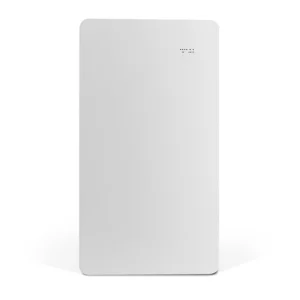
As the global energy transition accelerates, industrial and commercial sectors are facing significant challenges in balancing peak loads, avoiding expensive utility demand charges, and securing operational resilience. A 50 kWh battery storage configuration serves as the ultimate modular baseline—representing a critical intersection between flexibility, cost-efficiency, and system safety. Acting as a scalable building block, these systems allow small-to-medium enterprises (SMEs) to achieve optimal peak shaving, integrate onsite photovoltaic (PV) generation, and construct localized microgrids.

Key Market Insight: High-voltage lithium iron phosphate (LiFePO4) storage chemistry has emerged as the global standard for commercial installations, owing to its superior thermal stability, extended cycle life (typically >6,000 cycles at 80% DOD), and zero-maintenance profile.

Why 50 kWh is the Optimal Operational Sweet Spot

For commercial facilities, agricultural estates, and decentralized office complexes, selecting the right capacity represents a trade-off between Levelized Cost of Storage (LCOS) and direct payback period. A 50 kWh capacity unit addresses these challenges through a modular paradigm:

  • Demand Charge Management: By discharging stored energy during peak tariff windows, facilities can lower peak capacity charges from local utilities, realizing direct monthly savings.
  • Optimizing Photovoltaic Self-Consumption: When paired with BIPV or rooftop solar panels, a 50 kWh storage bank captures surplus midday generation, releasing it during non-sunny hours to elevate energy self-sufficiency to over 80%.
  • Resilient Emergency Backup: Critical infrastructure—such as server racks, cooling zones, and life-safety systems—remains operational during microgrid interruptions, bypassing the need for polluting diesel gensets.

Safety Engineering: The Crucial Foundation of BESS Architecture

In high-capacity commercial energy storage, safety is paramount. Our factory processes integrate multi-layer Battery Management System (BMS) architectures that monitor cells at a micro-level. This prevents overcharging, over-discharging, thermal runaway, and short-circuit configurations. Additionally, advanced thermal management systems maintain optimal cell temperature profiles (typically between 20°C and 30°C), minimizing cell degradation and maximizing longevity.

System Architecture & Topology Design

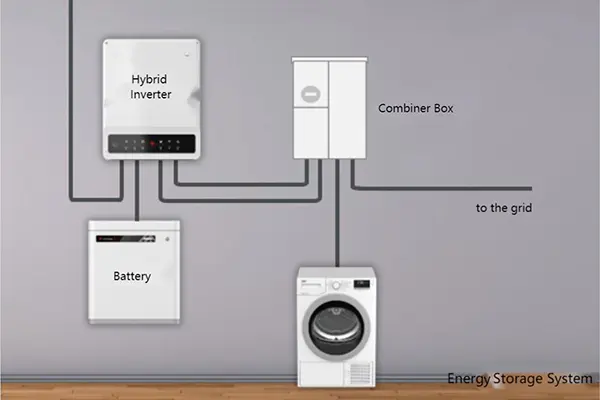
A typical 50 kWh modular system incorporates several integrated subsystems:

  1. LFP Cell Assembly: Highly matched LiFePO4 cells configured in series-parallel groups to achieve stable DC voltage curves.
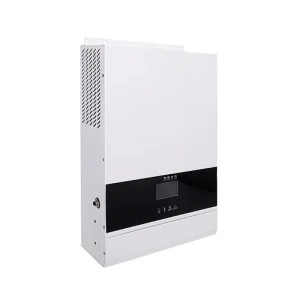
  2. Hybrid Bi-directional Inverter: An intelligent power conversion system (PCS) that converts DC energy from battery cells into commercial-grade AC power, and vice versa.
  3. Thermal Mitigation Loop: Engineered with active forced-air ventilation or liquid-cooling loops to ensure even heat dissipation.
  4. Energy Management System (EMS): The software brain that interfaces with cloud databases, monitoring local consumption patterns, weather forecasts, and spot grid pricing to optimize charging schedules.

Performance Engineering Specifications

>6000
Cycle Life (80% DOD)
98%
Round-Trip Efficiency
50M+
USD Annual Turnover
250+
Global B2B Clients

International Standards & Regulatory Compliance

Exporting high-capacity lithium batteries requires strict adherence to international safety and transportation laws. Elemro Energy ensures that every system shipped conforms to rigorous verification frameworks. This guarantees seamless custom clearance and allows B2B importers to deploy units without regional compliance delays.

Our engineering division secures and maintains certification compliance across several domains, ensuring safety and reliability:

  • IEC 62619: Certifying safety operations for industrial secondary lithium cells and battery blocks.
  • UL 1973 & UL 9540A: Critical for North American deployments, analyzing thermal runaway propagation within energy storage arrays.
  • CE & EN Standards: Assuring safety and electromagnetic compatibility for European distribution networks.
  • UN38.3: Verifying transportation integrity, verifying cells withstand air and sea freight conditions.

The Next Horizon of Storage Tech

At Elemro Energy, our R&D team constantly pursues next-generation improvements in battery metrics. Our 2025–2030 product roadmap focuses on:

Solid-State Cell Integration: Transitioning toward semi-solid and all-solid-state chemistries to nearly double energy densities while removing liquid organic electrolytes to prevent fire risk.

AI-Optimized Battery Analytics: Migrating to smart cloud management software, utilizing deep learning algorithms to predict cellular degradation patterns and estimate optimal maintenance windows.

Bidirectional V2G Support: Integrating vehicle-to-grid communications interfaces, transforming industrial carports into active micro-power plants.

Frequently Asked Questions (FAQ)

Expert technical responses to aid procurement managers and project designers in specifying battery energy storage systems.

Q1: What are the main benefits of choosing LiFePO4 chemistry over NMC for a 50 kWh installation?
LiFePO4 (LFP) chemistry offers significant safety and longevity advantages. It features a thermal runaway threshold of approximately 270°C, compared to NMC's ~210°C, drastically lowering fire risks. LFP batteries also sustain 6,000+ deep discharge cycles before capacity drops to 80%, providing a lower overall Levelized Cost of Storage (LCOS).
Q2: Can multiple 50 kWh batteries be connected in parallel to achieve higher storage capacities?
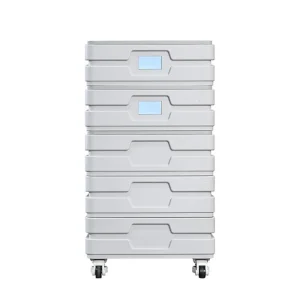
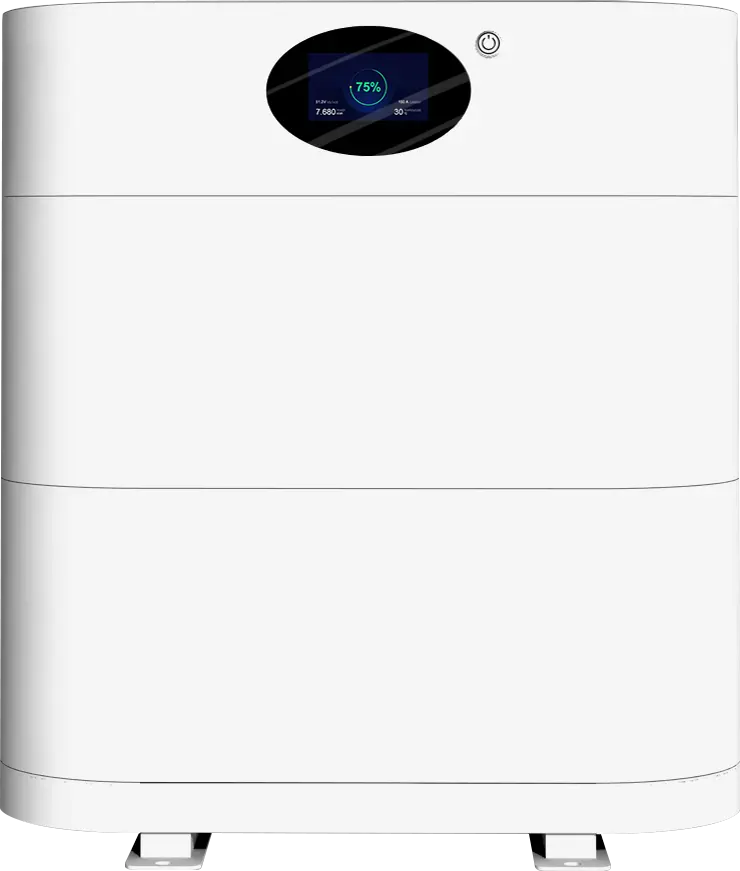
Yes. Our high-voltage modular cabinets support seamless parallel configuration using dynamic master-slave communication links. Up to 10 units can be paralleled without requiring an external controller, enabling flexible scaling up to 500 kWh.
Q3: What certifications are standard on your factory products?
Our systems carry major global safety certifications, including CE, UN38.3, IEC 62619, and UL 1973 components. We provide full documentation packages to engineering, procurement, and construction (EPC) partners for local microgrid licensing.
Q4: How does a stackable battery system simplify onsite installation?
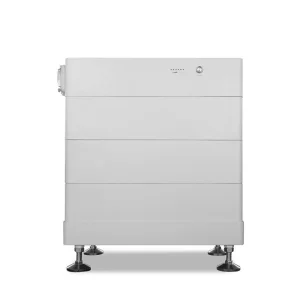
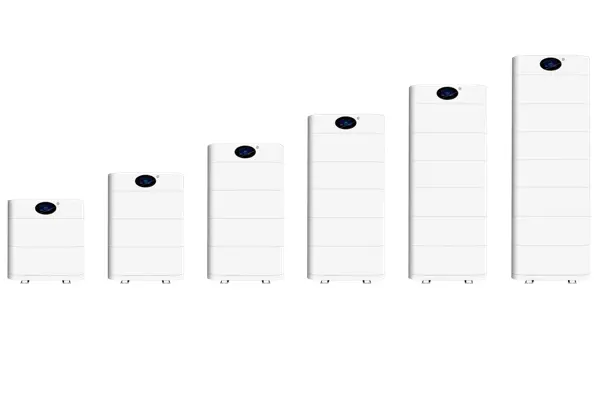
Stackable systems eliminate complex wiring by using quick-connect plug-and-play interfaces. Modules stack vertically, automatically connecting power and communication lines. This design reduces installation labor costs by up to 50%.
Q5: Does Elemro supply complete PV-storage kits, including inverters and BIPV panels?
Yes. Elemro provides end-to-end solar solutions, including hybrid storage inverters, cadmium telluride (CdTe) thin-film solar glass for building integration, and high-efficiency photovoltaic structures.
Q6: How does the EMS optimize battery use in areas with time-of-use (TOU) pricing?
Our EMS automatically checks real-time utility rates, scheduling charging during off-peak hours (low rates) and discharging to run the facility during peak hours (high rates). This dynamic scheduling maximizes operational savings.

Submit An Industrial RFQ

Inquiries about technical drawings, factory capacity verification, or volume pricing plans. Our engineers will reply within 24 hours.

Partner Logo 1 Partner Logo 2 Partner Logo 3 Partner Logo 4 Partner Logo 5 Partner Logo 6 Partner Logo 7 Partner Logo 8