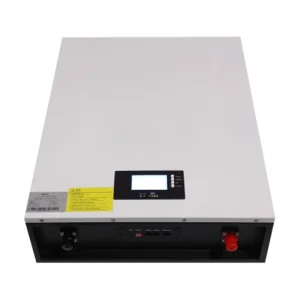
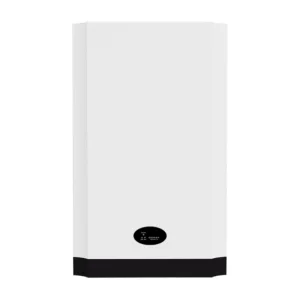
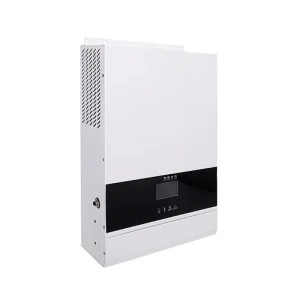
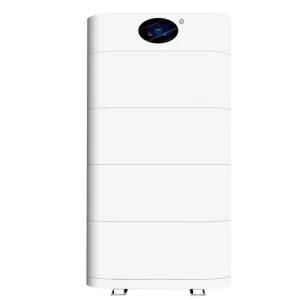
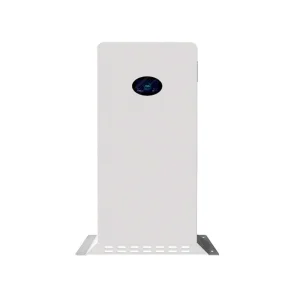
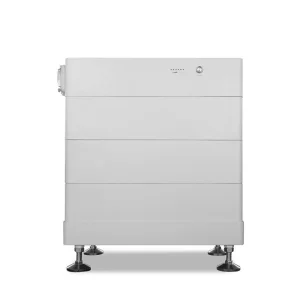
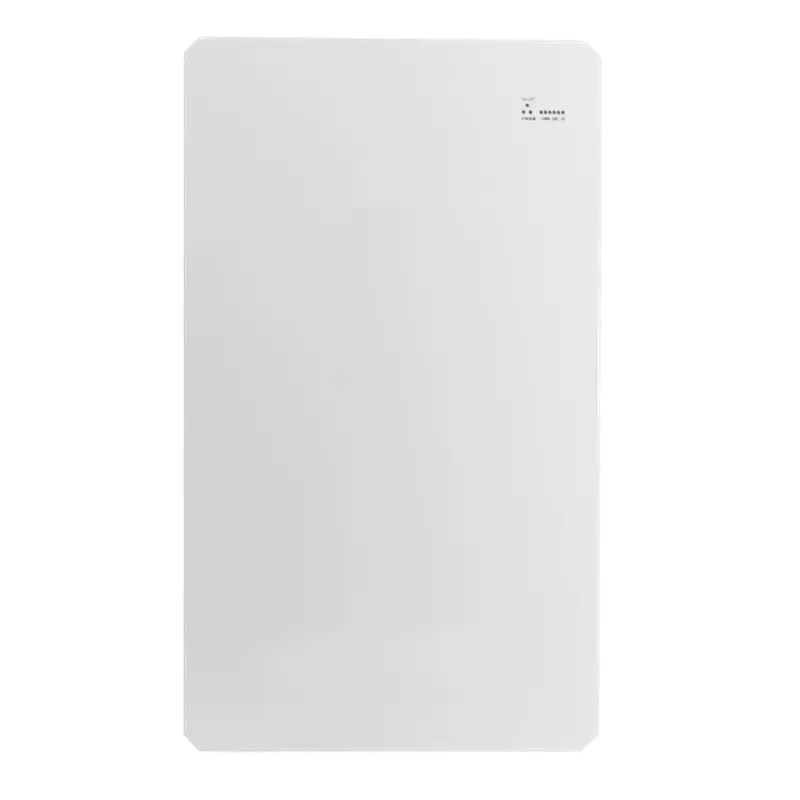
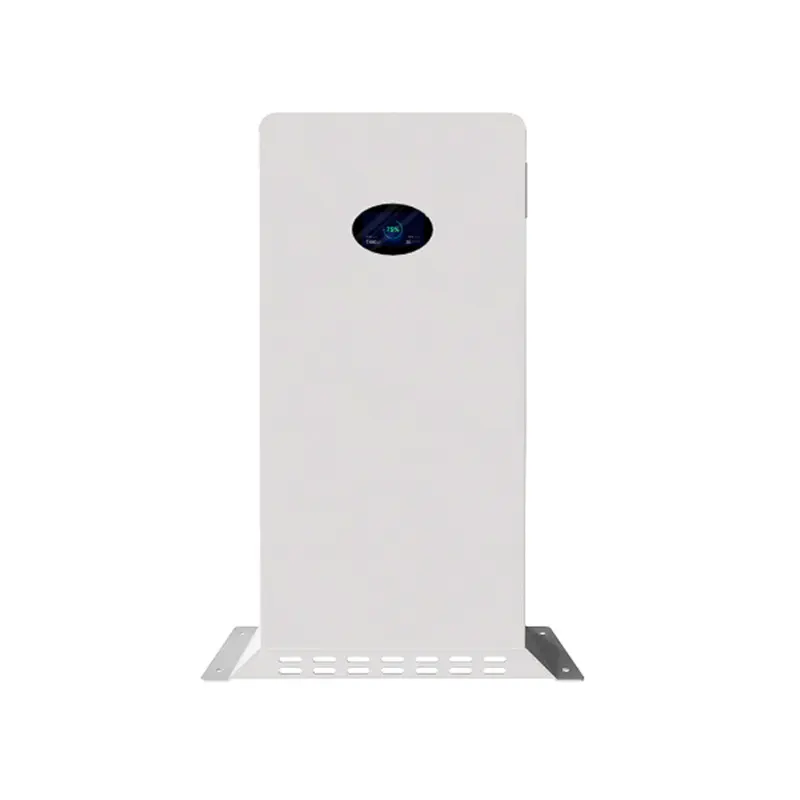
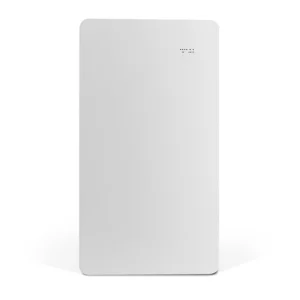
Engineered for extreme longevity, dynamic load balancing, and seamless grid integration.
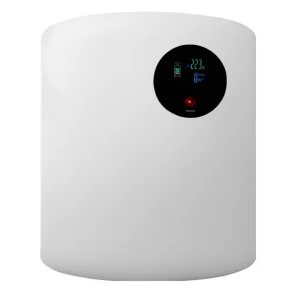
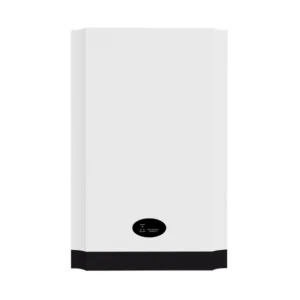
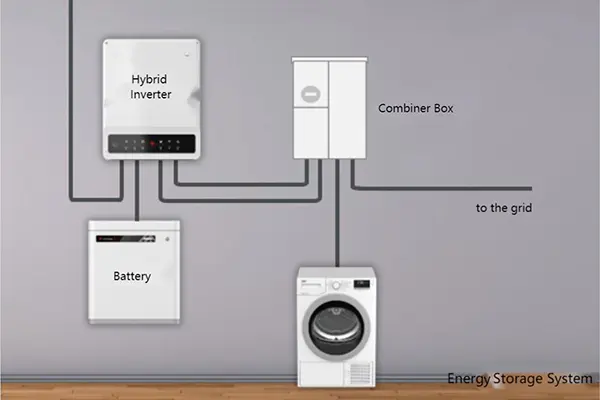
The global shift toward decentralized renewable energy has propelled the 20kW solar system with battery storage into a pivotal role. Bridging the gap between mid-sized residential microgrids and small-to-medium enterprises (SMEs), these systems provide the dynamic capacity needed for high-load operations. Unlike lighter residential installations, a 20kW setup serves commercial machinery, extensive agricultural equipment, EV charging infrastructures, and high-occupancy residential projects.
By coupling high-efficiency photovoltaic modules with robust energy storage systems (ESS), companies optimize their solar self-consumption. This mitigates peak utility rates and guarantees emergency backup power during grid failures. As global grid stability changes and demand charges climb, onsite battery storage changes from an optional upgrade to an essential operational asset.
China leads the global supply chain for lithium iron phosphate (LiFePO4) cells and advanced smart inverter components. Buying directly from advanced Chinese factories provides major advantages in cost, engineering, and manufacturing scale.
1. Complete Vertical Integration: Leading factories manage everything from raw chemical processing to finished battery assembly. This limits supply chain bottlenecks and maintains uniform quality.
2. State-of-the-Art Automated Manufacturing: Industrial plants utilize cleanroom automation, robotic assembly, and extensive testing protocols. Automated cell-matching reduces capacity imbalances and extends battery system lifespans.
3. Advanced R&D and Safety Compliance: Leading factories implement multi-tier battery management systems (BMS) with built-in thermal mitigation, overcharge protection, and active balancing circuitry. These systems comply with major international certifications like UL 1973, IEC 62619, CE, and UN 38.3.
Direct performance outcomes from deploying integrated 20kW / 40kWh industrial setups.
Our manufactured configurations satisfy and exceed these safety criteria:
Established in 2019, headquartered in Xiamen, China, Elemro Energy has been specialized in new energy storage and electrical product solutions with rich experience. It is the market leader in the new energy industry that unifies R&D, production, and sales. The products have been sold to more than 250 customers in Europe, Southeast Asia, Africa, Mid-east, America, etc. Since its establishment, ELEMRO’s revenue has been growing rapidly every year. ELEMRO’s annual turnover is expected to exceed 50 millions USD in year 2023.
About UsWe provide cleaner energy for a greener world through engineered system consistency and safety.
Explore our core product categories supporting global green energy operations.

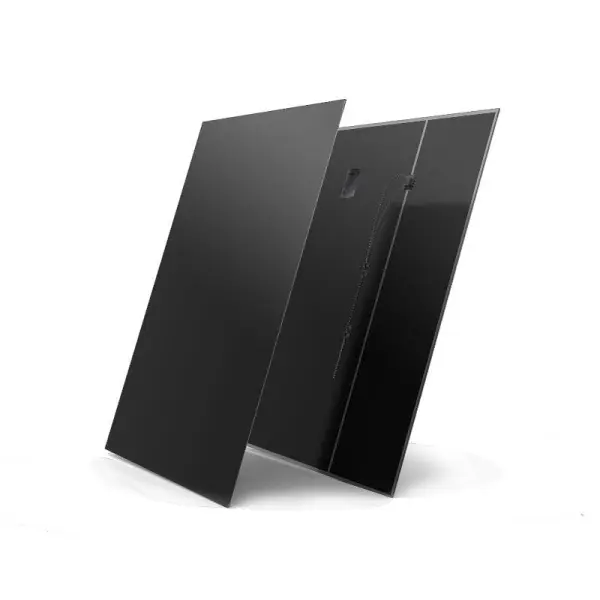
Providing high-transmittance, ultra-clear PV architectural glass to maximize BIPV power generation and weather resistance.
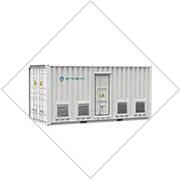
Turnkey, thermal-controlled megawatt-level containers with fire suppression, designed for heavy grid and commercial loads.
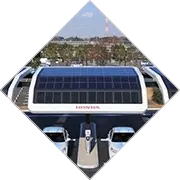
Integrating heavy-duty structural frames with clean solar modules to power EV charging stations and protect commercial fleets.
Start a green and convenient life with Elemro Energy.
Stay informed with technical insights and updates directly from our product development teams.
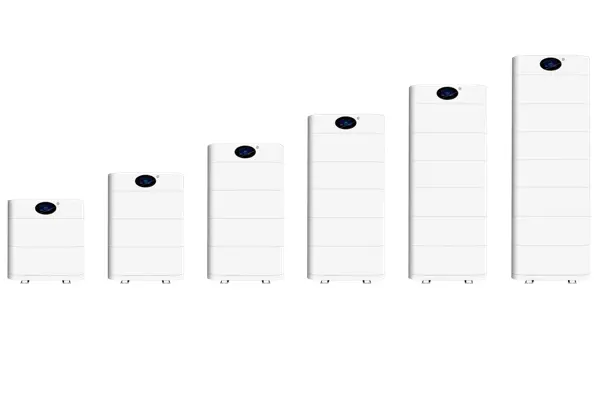
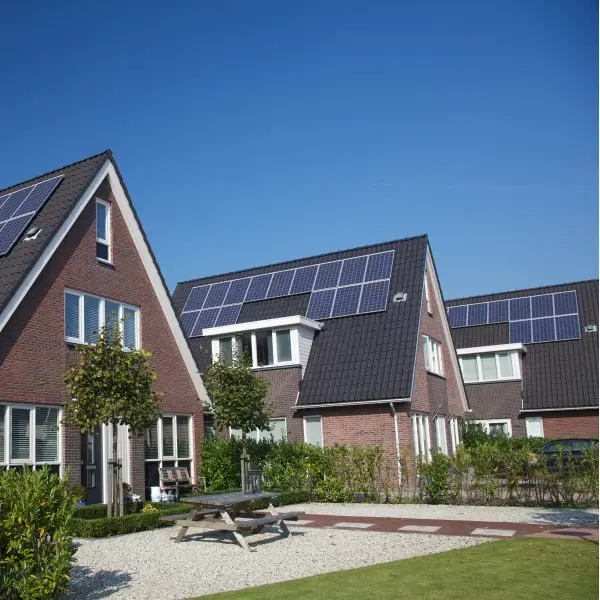
Certified performance configurations engineered to secure energy independence.
Selecting a manufacturer for a commercial 20kW solar infrastructure with integrated battery storage is a multi-layered engineering decision. Sourcing managers must evaluate several operational criteria beyond simple component cost.
Ensure the battery manufacturer uses high-grade Lithium Iron Phosphate (LiFePO4) chemistry. This chemistry provides superior thermal stability and a long cycle life. Look for factories with clean sourcing loops that use brand-new, Class-A battery cells. Avoid recycled or repurposed EV cells, which display accelerated degradation.
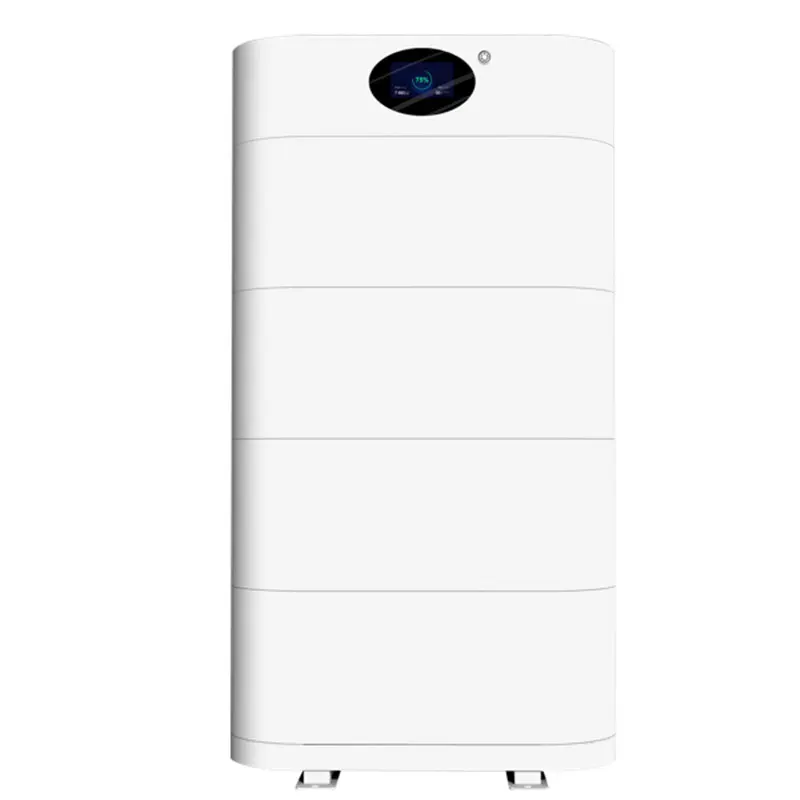
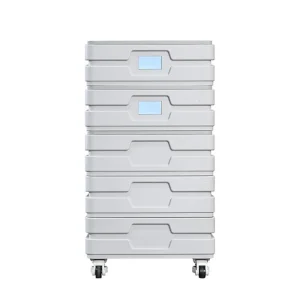
The BMS serves as the primary safety mechanism for the energy storage system. An industrial 20kW solar battery storage system requires a BMS capable of active cell-balancing, real-time CAN/RS485 communication protocols, and multi-sensor thermal monitoring. This is especially important for high-voltage stacked systems, where string stability is critical for long-term safety.
A standard 20kW solar array paired with a 30kWh to 60kWh battery storage setup operates under demanding duty cycles. To extend service life, look for systems that use active cooling or advanced liquid thermal management. Selecting systems with low internal resistance minimizes energy loss and maintains reliable performance over years of operation.
Technical answers from Elemro Energy's design and application engineers.
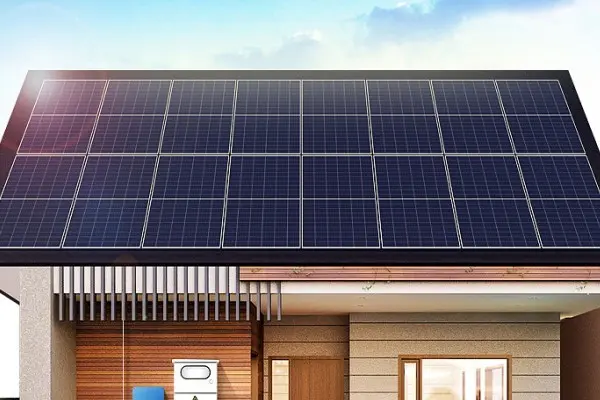
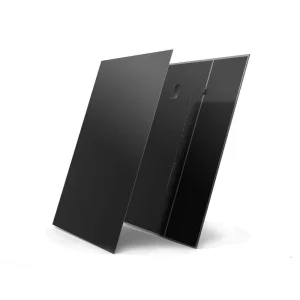
Depending on individual module wattage ratings (typically 500W to 550W), a 20kW solar array requires between 36 and 40 PV panels. The physical footprint averages about 80 to 100 square meters of roof or ground-mount space, accounting for panel spacing and optimization.
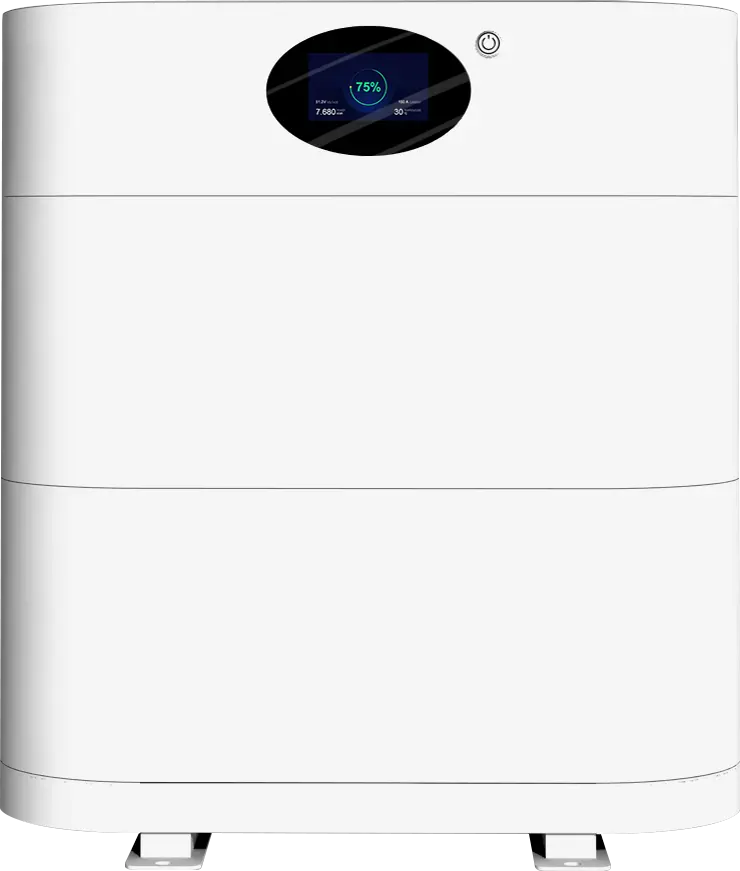
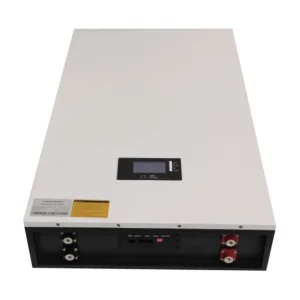
High-voltage stacked battery storage designs (often operating above 200V to 400V DC) reduce line currents compared to traditional low-voltage 48V designs. This lowers resistive losses (I²R), improves overall system round-trip efficiency, and allows for smaller cable cross-sections and faster installation.
Yes, if combined with appropriate battery capacity (typically 40kWh to 100kWh) and a backup power source (like a standby generator). Off-grid systems must be sized to handle maximum surge demands and cover consecutive cloudy days (autonomy period).
Our manufacturing processes feature comprehensive QA workflows: automated laser cell welding, high-temperature aging chambers, and computer-controlled cell capacity sorting. This rigorous testing minimizes capacity variances and helps ensure stable performance across the system's lifespan.
Depending on regional electricity tariff structures (peak pricing policies) and localized financial incentives, payback periods typically range between 4 to 7 years. Sourcing directly from Elemro's factory optimizes upfront capital expenditures (CAPEX), helping accelerate investment amortization.




 Elemro Energy